
Sam Altman has spent the past week discovering that PC gamers do not take kindly to being told their RAM would be better off in a data centre. On Wednesday, the OpenAI chief executive hit back, insisting his remarks had been taken out of context and agreeing to a fan’s request to rename himself “Ram Altman” on X.
His clearest defence came in a reply posted shortly after 05:00 UTC on 4 November. “I actually do want the world to have tons of memory and people to put as much as they want in their computers,” Altman wrote. He went on to call it “f***ing annoying that this was taken out of context”, adding that he has “been arguing for the world to ramp up memory production for a long time”.
The rebrand itself started as a joke in the replies. When one user asked him to “rename your x to ram altman!”, Altman simply answered “ok yeah”. Within hours, other users were asking why his display name now read “Ram Altman”, although by Wednesday evening UTC the profile was back to plain Sam Altman.
A few hours before that exchange, he had already tried a shorter version of the same message. Replying to a user who asked “why u want my ram then”, Altman posted “I want you to have so much RAM” before adding “let’s build more”.
What Altman actually said over a pint with John Collison
The comments that started the row came on Cheeky Pint, the interview show hosted by Stripe co-founder John Collison, in an episode published on YouTube on 29 October. While discussing bottlenecks in the AI supply chain, Altman pointed out that making memory had rarely been a great business over the long run. Now, he said, the big producers are “each going to make like $100 billion of free cash flow in a year.”
He then turned to people who want to run AI models on their own machines. “A lot of people want local inference,” he said, adding that many assume open-source models running on home computers will remove the need for data centres.
“But from a global allocation perspective, actually, it’s quite terrible to have everybody have a bunch of the world’s limited supply of DRAM sitting in their own computer,” he continued. That memory, he argued, ends up “being used” around “5% of the time”, whereas “you want maximum utilization in the cloud if you’re trying to deal with this very supply constrained environment.”
Read in full, the point was about utilisation and aimed at local AI enthusiasts, rather than any plan to raid gaming rigs. Even so, it landed on an audience that has spent 2026 paying record prices for memory, and it came from the head of one of the world’s hungriest DRAM buyers.
Why a RAM joke lands badly with PC builders in 2026
The fury makes more sense next to the price charts. In February, market researcher TrendForce raised its first-quarter forecast for conventional DRAM contract prices to a rise of 90 to 95% quarter on quarter, and said PC DRAM would more than double. The climb has slowed since then, but it has not reversed. TrendForce’s 30 September outlook still expects conventional DRAM contract prices to rise another 10 to 15% in the fourth quarter, with consumer DRAM to “continue rising” at a gentler pace.
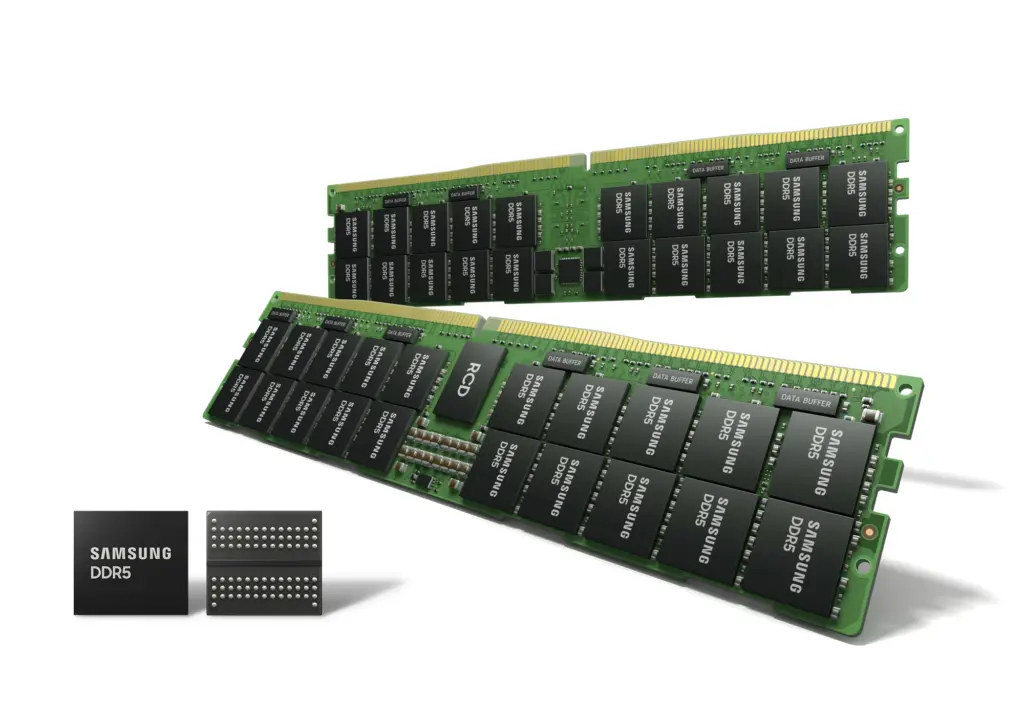
Gamers have felt the squeeze well beyond spec sheets. Micron wound down its Crucial consumer brand, with shipments ending in February 2026, explaining that “AI-driven growth in the data center has led to a surge in demand for memory and storage.”
Valve, meanwhile, blamed memory shortages when the Steam Deck sold out in the US, and pointed to rising component costs when the Steam Machine launched at £879 in the UK. OpenAI sits close to the centre of that demand. When Samsung signed a letter of intent with the company in October 2025, it said OpenAI’s memory demand was “projected to reach up to 900,000 DRAM wafers per month” for the Stargate project.
OpenAI’s own Stargate announcement said Samsung Electronics and SK hynix would scale up advanced memory production, targeting 900,000 DRAM wafer starts a month. For the boss of a company with that appetite, “Ram Altman” works less as a joke and more as a job description. OpenAI has not issued a statement on the row, and its official X accounts had not mentioned RAM or memory since the podcast aired. So far, every word of the defence has come from Altman’s personal account.