Valve has answered indie developers worried about Steam AI slop and AI clone extortion, and its answer is clear: there will be no gatekeeping of AI tools and no AI filter for now. Speaking at Steam Indie Connect in Seoul on October 27, 2026, Valve’s Steam team said clones existed long before AI, extortion is a police matter, and Next Fest’s random first two days will keep surfacing some low-quality games.
The session was a closed Q&A with Korean indie developers, co-hosted by the Busan Indie Connect Festival Organizing Committee and the Korea Creative Content Agency (KOCCA). Tom Giardino and Marc Wilkinson from the Steam business team took the questions, with a member of Valve’s localization team joining later. The answers below come from that session. Valve’s remarks were interpreted into Korean on site and later translated back into English, so quoted wording may differ slightly from what was said.
What did Valve say about Steam AI slop and AI clones?
Valve’s position fits in four points. It will not police which development tools studios use, AI included. It sees AI clones as an old problem that AI has sped up. It treats extortion as a crime for law enforcement, while promising to look at cases developers report. And it admits the Next Fest format lets weak games through, without announcing a fix.
Giardino’s advice to developers worried about copycats was to build a community and keep updating the game. He tied that to Valve’s long-standing approach to piracy: avoid aggressive DRM and make the legitimate version the best version.
| Developer concern | What Valve said | What it means for developers |
|---|---|---|
| AI clone extortion emails | First time Giardino had heard of it. A law enforcement matter, but Valve will look into reported cases. | Report the email to Valve and to police. Do not pay. |
| AI clones of indie games | Clones predate AI. AI has accelerated them. Valve will not gatekeep tools. | No new clone checks were announced. Community and updates are Valve’s suggested defence. |
| AI slop in Next Fest | Random exposure in the first two days lets some low-quality games through. Valve is “fully aware.” | Expect the same format next time. Quality still has to win after day two. |
| An AI filter on Steam | Valve prefers improving store discovery over filtering developers. | No filter was promised. The AI disclosure on store pages stays the main signal. |
What are the AI clone extortion emails Valve was asked about?
Since late September 2026, several indie developers have shared emails threatening to clone their unreleased games with AI and launch the copy on Steam first unless they pay. The reported demand in the known cases is about $200.
Here is the timeline of public cases, based on developers’ own social posts as reported by Korean outlet Inven Global:
| Date (2026) | Developer and game | What the email demanded |
|---|---|---|
| September 30 | Weasel Pit, Iron Pilgrim | $200 in Steam items within 24 hours, or an AI clone would launch on Steam first |
| October 2 | Psicodart Games, Circusar | A similar threat, amount not made public |
| October 18 | Takashi Mochibe, Dragon’s Chronicles: Twin Stars of Reginleiv | $200, or the game would be copied and released first |
Mochibe called the demand cheap spam, told the sender to go ahead, and warned other developers never to pay. The Iron Pilgrim case also drew suspicion. Parts of the community reportedly questioned whether it was staged, since the post brought the game a large wishlist boost. That claim is unconfirmed.
None of the emails came with proof that a clone existed. That pattern matches ordinary phishing more than a real cloning operation, which is why developers are advising each other to ignore them.
Why does Steam Next Fest show low-quality AI games?
Next Fest shows games mostly at random for the first two days, and that is where the slop gets its window. After those two days, Steam switches to personalized recommendations based on what each player actually plays and buys.
Wilkinson said the random start exists for two reasons. It stops studios from gaming early visibility, and it gives every game a fair share of attention at least once. The trade-off, in his words, is that “some low-quality games get exposed.” He said Valve is “fully aware” of the problem.
The scale has changed fast. Valve’s team said Next Fest grew from roughly 50 to 100 titles to thousands in about three years. The October 2026 edition ran from October 19 to October 26, according to Valve’s Steamworks page for Next Fest October 2026.
How many Next Fest demos disclosed AI use?
SteamDB’s event tracker listed 7,164 demos for the October 2026 Next Fest, with at least 1,054 carrying a Steam AI disclosure notice, as reported by GamingOnLinux. By our calculation, that is about 14.7%, or roughly one demo in seven. Since disclosure relies on developers, the real figure could be higher.
Will Steam add an AI filter?
Valve did not commit to one. Giardino said Valve has heard similar requests before, during the Steam Greenlight era and later as a request for a “hide” checkbox under Steam Direct. Each time, Valve chose to improve how players shop and discover games instead of filtering out developers.
For now, the main tool players have is the AI disclosure on store pages. Valve changed its AI content rules in January 2024 so that most games using AI could release on Steam. Developers describe that use in the Steamworks content survey, which separates pre-generated AI content from live-generated content and asks for guardrails on the latter. A January 2026 revision, reported at the time, narrowed the focus to content players actually see, so background coding helpers no longer need to be disclosed.
Valve’s own use of AI has also drawn attention this year. TalkEsport covered the SteamGPT files linked to Steam support and CS2 anti-cheat back in July.
What else did Valve tell indie developers?
Most of the session was practical advice. A few answers stood out because they go against common indie wisdom.
Do Steam wishlists affect visibility?
Wilkinson said wishlists do not drive visibility on Steam. Purchases and playtime do. He cited a game with 3 million wishlists that underperformed and games with almost no wishlists that did well. Giardino told developers to treat wishlists as a measurement tool, not a target.
What new Steamworks tools did Valve highlight?
Valve pointed to a Wishlist Data API that breaks wishlist numbers down by period, country and language. It also highlighted the Personal Calendar, which has moved out of Steam Labs and now recommends upcoming games wishlisted by similar players. A game needs a set release date to appear there, and exposure ends one to two weeks after launch.
What did Valve say about tags and launch?
Generic tags such as Action, Indie and Strategy are shared by around 100,000 games, so Valve suggested studying competitors’ tags instead. Giardino also said, “Launch feels like the finish line, but it’s actually the starting line,” and urged developers to use consoles, other PC stores, Discord and social media alongside Steam.
On the platform side, Valve’s presentation put Steam’s recent peak at 43.5 million concurrent users. That number has been tested lately, including during the October 26 Steam outage that hit logins worldwide.
Is Valve giving up on VR?
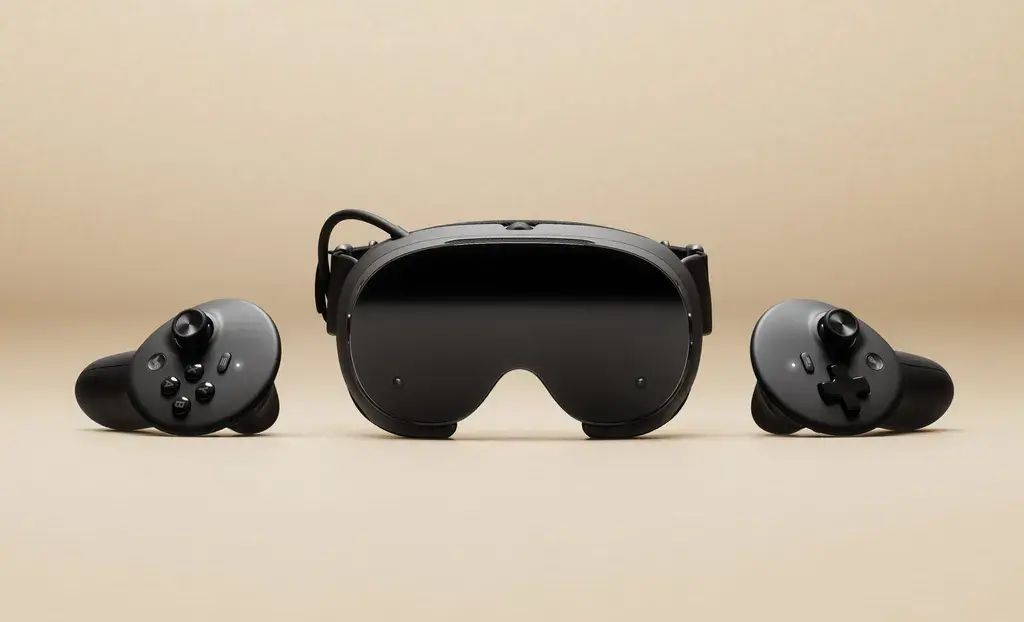
No, according to Giardino. Asked by a VR studio head about fan worries after the Steam Frame launch, he said, “We still believe in virtual reality.” He noted that many Steam Frame owners also play non-VR games from their libraries, and pointed to Steam Link for Meta Quest and OpenXR support. He also said rising RAM costs had pushed up hardware prices and added, “We feel sorry to VR developers.” Valve’s Steam Frame developer documentation covers how games run on the headset, and our Steam Frame price, specs and release date guide has the hardware details.
What does Valve’s answer mean for indie developers?
The short version: Valve is not coming to the rescue with new rules. Developers facing AI clones or extortion should report cases to Valve and to police, and keep their own records of builds and release dates. Developers worried about Next Fest should plan for random exposure in the first two days and focus on what Steam rewards after that, which is people actually buying and playing the game.
The debate is also wider than Steam. Big publishers are weighing how far to go with AI too, as seen when Take-Two pulled back on its AI push ahead of GTA 6. Valve’s message to the smaller end of the market is that quality, community and steady updates remain the defence. Whether that is enough during the next Next Fest is the open question.