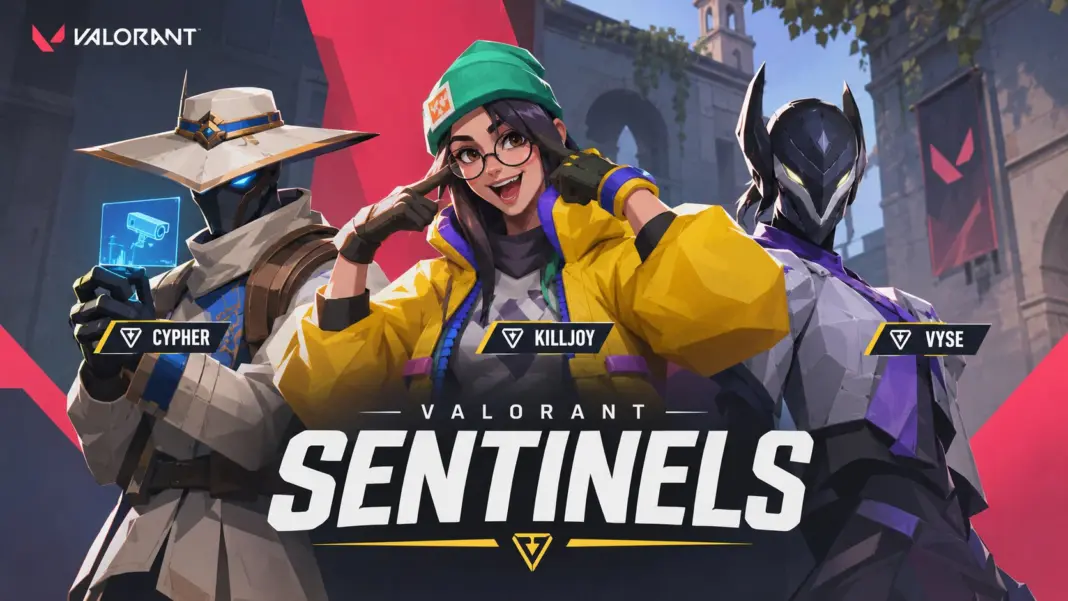
Fifteen seconds does not sound like much. In Valorant, it can be the difference between a Sentinel who is useless for the rest of the round and one who is ready to hold the next push. Patch 13.10 cuts the cooldown on Cypher’s Spycam, Killjoy’s Turret and Vyse’s Arc Rose after they are destroyed, from 60 seconds to 45.
So, are Sentinels back? Not quite, and Riot is careful not to say so. But this is the first time in a while that the class has been nudged in the right direction, and it is worth understanding exactly what changes on the server.
What Riot changed, and what it did not
| Agent | Ability | Before | After |
|---|---|---|---|
| Cypher | Spycam, cooldown after destroyed | 60s | 45s |
| Cypher | Spycam, reclaim cooldown | 15s | 20s |
| Killjoy | Turret, cooldown after destroyed | 60s | 45s |
| Vyse | Arc Rose, cooldown after destroyed | 60s | 45s |
Only the destroyed cooldown changes. The abilities themselves, their health, range and effects, are exactly the same. Riot’s own wording in the 13.10 patch notes is that this is “a small, targeted change” while it looks at Sentinel cooldowns more broadly. In other words, it is a test, not a rework.
Why 45 seconds is the number that matters
Riot picked 45 seconds deliberately. It says the new cooldown sits slightly below the 50-second signature cooldown that Initiators have. That comparison tells you what Riot is thinking.
Until now, the trade was lopsided. An Initiator could spend a signature ability to clear a Sentinel’s camera or turret, then get that ability back 10 seconds before the Sentinel got theirs. Now the Sentinel wins that race by five seconds. Breaking a setup still costs the Sentinel, but it no longer leaves them a step behind for most of the round.
Put it against a round. A Valorant round lasts 100 seconds before the Spike is planted, and the Spike itself burns for 45. A utility piece destroyed early in the round now has a realistic chance of coming back before the round ends, either for a retake or for a post-plant.
What changes for each Sentinel
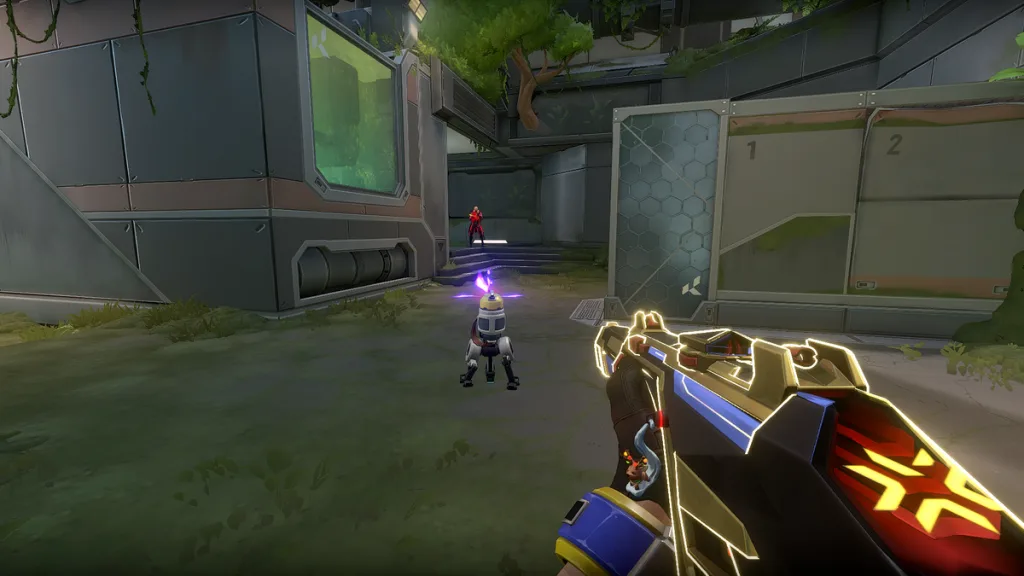
Killjoy probably gains the most. A Turret broken in the opening fight now comes back with enough time to matter on a retake or to watch a flank after the plant. That makes Killjoy less of a one-setup agent.
Vyse benefits in a similar way. Arc Rose is a flash that teams often break on sight, and a faster return gives Vyse a second chance at a pick later in the round instead of playing without it.
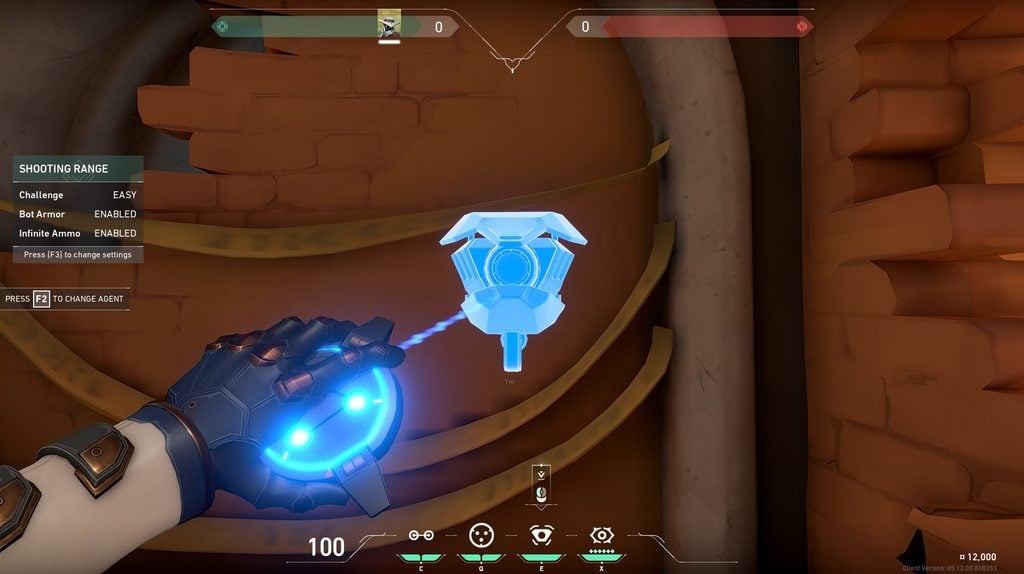
Cypher is the complicated one, because he got a buff and a nerf in the same line. His Spycam returns faster when it is shot, but picking it up yourself now takes 20 seconds to come back instead of 15. Riot says this brings him “in line with other Sentinels”. In practice, Cypher players who reposition their camera often between rounds or mid-round will feel the nerf. Those whose camera gets shot will feel the buff. Which one matters more depends on how you play him.
What it means for attackers
For attacking teams, the lesson is that breaking Sentinel utility early no longer buys as much time. Riot says it still wants to reward “the team that breaks their setup”, so it is still worth doing. But attackers who break a camera or turret and then wait around are more likely to find it back before they commit.
The smartest response is to break utility closer to the moment you execute, so the Sentinel has less time to recover. Expect coordinated teams to adjust their timings rather than stop breaking utility altogether.
So, are Sentinels back?
Not yet. A 15-second cut helps, but it does not change why teams pick Sentinels, or why some players avoid them. It makes the class more forgiving when things go wrong, which is a good start.
The bigger signal is what Riot said it will do next. Riot says it will watch how this plays out, and that “what we learn will help shape any bigger changes down the line”. That suggests a broader Sentinel update could follow in a later patch. For now, the full 13.10 patch notes cover every other change in the update, and you can see how these buffs were first spotted in leaks before release.