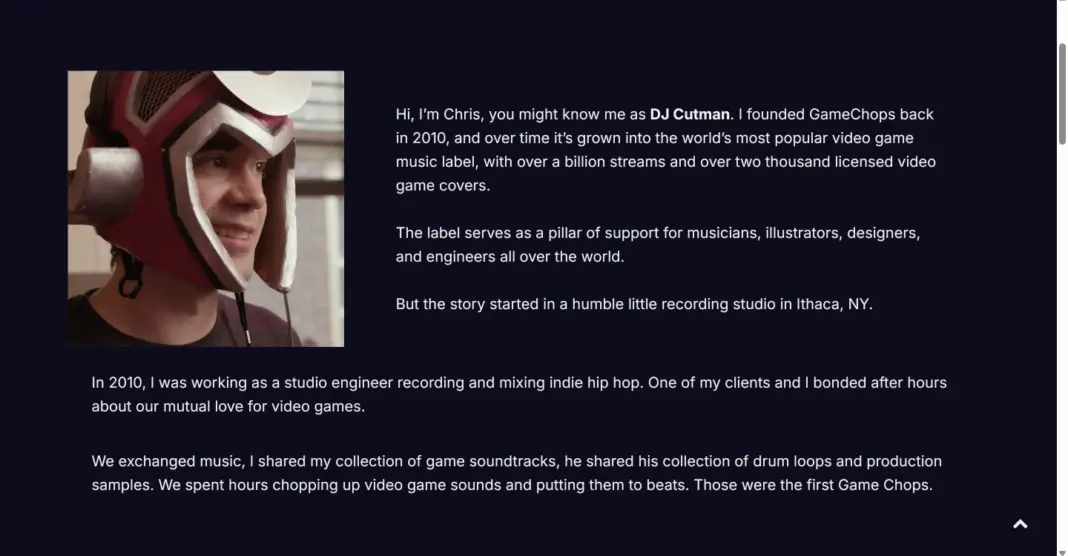
Ten days after GameChops sued Materia Music over more than 150 YouTube copyright takedowns, the dispute has moved in the opposite direction. Materia has now sued GameChops founder Christopher “DJ CutMan” Davidson personally, alleging that nearly 150 videos used music it administers without authorization.
The copyright fight between video-game music label GameChops and Materia Music has escalated into a second federal lawsuit, this time with DJ CutMan himself named as the defendant.
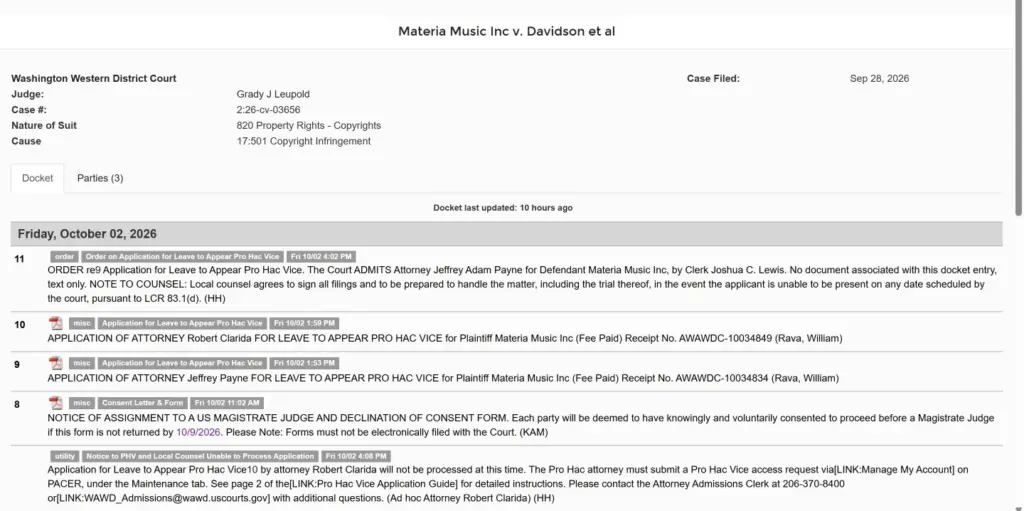
TalkEsport has reviewed a complaint filed by Materia in the U.S. District Court for the Western District of Washington on September 28, 2026, against Christopher Davidson, better known online as DJ CutMan and the founder of GameChops. The filing, Materia Music Inc. v. Davidson, No. 2:26-cv-03656, alleges that Davidson created and distributed nearly 150 YouTube videos incorporating copyrighted video-game music administered by Materia without obtaining the necessary authorization.
Among the compositions identified in the dispute are some of Undertale’s most recognizable tracks, including Megalovania, Bonetrousle, Hopes and Dreams, Battle Against a True Hero, ASGORE and Spear of Justice. Materia is seeking an injunction preventing alleged further infringement, alongside monetary relief that could include statutory damages of up to $150,000 per registered work if the legal requirements for enhanced statutory damages are ultimately established.
No court has yet determined that Davidson infringed Materia-administered copyrights, that Materia’s earlier takedowns were lawful, or that GameChops’ competing allegations against Materia are correct. Both sides are now advancing sharply different accounts of the same copyright dispute.
Materia has now sued DJ CutMan personally
The September 28 complaint represents an important escalation from the dispute that became public earlier in September. Materia had previously submitted more than 150 copyright takedown notices targeting videos published through GameChops, the video-game music label and YouTube channel founded by Davidson. GameChops has built an audience of more than 600,000 subscribers around remixes and arrangements of music from video games.
Those takedowns prompted GameChops to go to court first. On September 18, GameChops filed its own action against Materia, challenging the copyright notices and alleging that they had been submitted in bad faith. That lawsuit and the preceding YouTube takedowns subsequently became public. The September 28 filing uncovered by TalkEsport is different. Materia is the plaintiff, and the defendant named in the complaint is Christopher Davidson personally.
Materia alleges nearly 150 videos used music without permission
At the centre of Materia’s complaint are nearly 150 videos that it alleges Davidson created using copyrighted compositions administered by the company. According to the complaint, the disputed videos were created over a period stretching from approximately 2015 until March 2026.
Materia alleges that the videos incorporate arrangements or other uses of compositions for which it administers rights and that Davidson lacked the licenses necessary to distribute those works through GameChops’ YouTube operation. The allegations prominently involve music from Toby Fox’s Undertale. GameChops’ own lawsuit against Materia identifies the company as administering rights connected to Fox’s music, while Materia’s subsequent complaint identifies individual compositions involved in the dispute.
The titles include Megalovania, perhaps Undertale’s most recognizable composition, alongside Bonetrousle, Hopes and Dreams, Battle Against a True Hero, ASGORE and Spear of Justice.
The litigation does not mean every remix, cover or arrangement of Undertale music is necessarily unlawful. Copyright questions surrounding musical compositions can depend on the rights involved, licensing arrangements, the nature of the use and other facts specific to an individual work.
The dispute here concerns the particular videos, rights and alleged permissions identified by the parties.
Materia says DJ CutMan acknowledged he lacked the necessary rights
One of the most consequential allegations in Materia’s complaint concerns communications that allegedly took place before the current litigation. Materia claims Davidson “conceded to Materia that he lacked the necessary rights” to use the copyrighted works at issue.
The company then alleges that Davidson nevertheless submitted counter-notifications to YouTube seeking restoration of the videos after Materia’s copyright notices caused them to be removed. That allegation is Materia’s characterization of the parties’ communications in a legal complaint. TalkEsport has not independently reviewed the underlying communication establishing the alleged concession, and the court has not made a finding that Davidson admitted infringement.
The distinction is particularly important because GameChops has itself challenged Materia’s conduct and is already pursuing its own claims against the company.
Why Materia had to go to court to keep the videos offline
The timing of Materia’s lawsuit becomes much easier to understand when viewed through YouTube’s copyright counter-notification process. A copyright takedown does not necessarily represent the end of a dispute on YouTube. A creator who believes material was removed because of a mistake or misidentification can submit a counter-notification challenging the removal.
That creates a deadline for the copyright claimant. Under the process implementing the U.S. Digital Millennium Copyright Act, once a valid counter-notification has been forwarded, removed material can generally be restored after the applicable statutory period unless the original claimant provides evidence that it has initiated court proceedings seeking to restrain the allegedly infringing activity.
Materia says that is precisely what happened here. According to its complaint, YouTube informed Materia that the disputed videos would be restored after 10 U.S. business days unless the company provided evidence that it had commenced legal action against Davidson. That detail provides important context for why a dispute that began with YouTube copyright notices became a federal lawsuit.
Materia was not merely asking a court to resolve a theoretical disagreement over ownership. According to its filing, Davidson’s counter-notifications had started a process that could result in the videos returning to YouTube unless Materia took the dispute to court.
The result is an unusual situation in which both sides of the YouTube copyright fight are now plaintiffs in separate legal actions. GameChops’ September 18 lawsuit puts Materia’s takedowns under scrutiny. Its position is that Materia improperly targeted the videos and acted in bad faith. Materia’s September 28 complaint turns the question around. It alleges that Davidson lacked authorization for the works in the first place and infringed copyrights administered by Materia.
Those claims are not interchangeable, and the filing of either lawsuit does not establish that the party bringing it is correct. GameChops will need to establish its claims concerning the takedowns, while Materia must establish the copyright rights and alleged infringement underlying its action against Davidson.
Materia is seeking an injunction and copyright damages
Materia is asking the federal court for relief that could have consequences beyond whether the disputed YouTube videos immediately return online. The company seeks an injunction restricting further alleged infringement of the copyrighted works identified in its complaint.
Materia also seeks monetary relief available under U.S. copyright law. Its complaint requests statutory damages of up to $150,000 for each registered work where the requirements for willful infringement and enhanced statutory damages are established. That figure should not be multiplied by the number of YouTube videos to produce a supposed maximum value for the lawsuit.
Copyright statutory damages are assessed by copyrighted work rather than simply by the number of allegedly infringing uploads, and the amount ultimately available depends on registration, the claims proven, the applicable statutory framework and the court’s findings. No damages have been awarded against Davidson.
Materia has made a limited public acknowledgement that litigation is now underway. In an October 1 update to its public post concerning the GameChops dispute, the company acknowledged that it had filed a complaint but said it could not comment on litigation matters. That acknowledgement did not publicly lay out the allegations contained in the federal complaint, the nearly 150 videos at issue or the significance of the YouTube counter-notification deadline.
The filing itself provides substantially more detail about Materia’s position and why the company says court intervention became necessary.
The immediate YouTube question and the larger copyright dispute are related but distinct. The counter-notification process created the prospect of YouTube restoring the disputed material unless Materia demonstrated that it had taken the dispute to court. Materia’s September 28 complaint provides evidence of exactly such a proceeding. The federal litigation can now address the underlying dispute over authorization and infringement rather than leaving YouTube to determine the matter through its platform-level notice process.
How long the litigation will take, whether the parties reach a settlement and what ultimately happens to the individual GameChops videos remain unresolved.
The Undertale music dispute has moved far beyond YouTube takedowns
GameChops has accused Materia of improperly using the copyright takedown process. Materia has responded through a separate lawsuit alleging that the man behind GameChops lacked authorization to use the copyrighted compositions in nearly 150 videos.
The involvement of Undertale makes the dispute particularly significant within video-game music. Toby Fox’s soundtrack has inspired an enormous ecosystem of covers, remixes and arrangements since the game’s release, while GameChops has built much of its identity around transforming recognizable gaming music into new listening experiences. But neither the popularity of those arrangements nor the filing of copyright notices answers the legal questions now before the courts.
For the moment, the clearest development is that the dispute has escalated well beyond YouTube’s internal copyright system. Ten days after GameChops took Materia to court over the takedowns, Materia took DJ CutMan to court over the music itself.