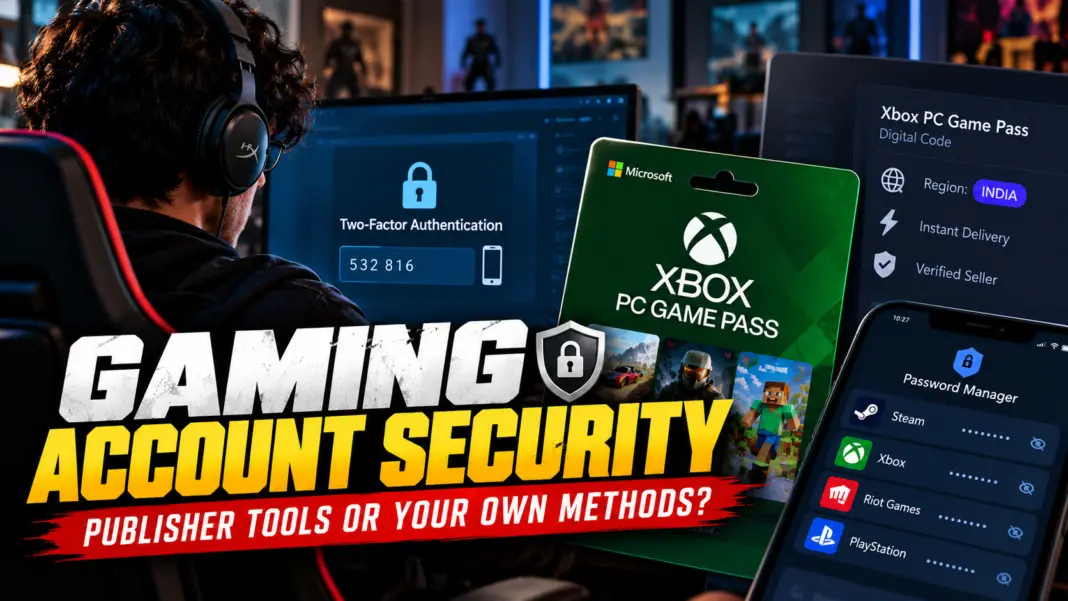
A single slip with a password can undo hundreds of hours spent perfecting skills or earning digital loot. In the competitive world of esports and PC gaming, account security is no longer just about stopping trolls, it’s about safeguarding your digital identity. Today’s players face a tricky balance: relying on official security tools from publishers, or adding third-party solutions and personal habits into the mix. Both approaches have advantages, but which truly keeps your account safest?
Publisher Tools vs. Gamers’ Own Methods
Developers now pack their platforms with layers like multi-factor authentication, suspicious login alerts, and automatic lockouts after too many failed attempts. These measures offer a baseline shield against basic intrusion attempts. On top of that, leading subscription services like Xbox PC Game Pass actively remind users about security hygiene, from software updates to password resets during account access. This structured approach puts official resources at your fingertips, with support teams ready if something goes wrong.
Still, many skilled players build out their own defensive strategies. Dedicated esports competitors often use password managers, rotating email addresses, and physical security keys to stay a step ahead of evolving threats. Instead of waiting for a hacked leaderboard or compromised tournament prize, they proactively monitor account activity and never reuse login credentials across platforms. This takes more effort but puts full control in the hands of the player.
If you’re looking to join PC Game Pass, costs will depend on your region, the current official rate, and whether any promotions are running. A digital marketplace like Eneba often highlights deals, shows regional compatibility, and provides quick access to pass codes, letting you grab a subscription without hassle or confusion. This adds an extra layer of transparency for those prioritizing both value and convenience.
The Social Test: Friend Features and Account Sharing
Another key security battleground is how platforms treat social features and account sharing. Official game clients usually discourage password sharing and sometimes restrict logins to a single device at a time. This cuts down on theft risk but can frustrate players who bounce between devices or want to show off their stats to friends in person. On the other hand, disciplined gamers who follow their own strict sharing rules, like using guest modes or never sharing any personal credentials, often have much lower rates of account breaches.
Some communities favor peer-approved tools, like generating one-time lobby codes or using encrypted voice chat apps, instead of trusting built-in messaging systems that can leak information if an account is compromised. This kind of vigilance builds resilience, even if it requires more work than relying solely on official settings.
Making the Right Security Call
Every method for protecting an esports or PC gaming account comes with trade-offs. Relying strictly on the publisher’s security toolkit is fast, familiar, and comes with official backup if things go wrong. Meanwhile, building a personalized routine puts you in control and can outsmart threats before they escalate, but it does mean investing more time in digital housekeeping.
For gamers eager to combine both approaches, a smart setup blends trusted official tools with individual safeguards, and even backs this up by choosing reputable sources for digital products. That shift toward smarter ownership and vigilance is already visible on platforms like Eneba, where picking up subscription passes or security tools goes hand-in-hand with informed, secure decisions.