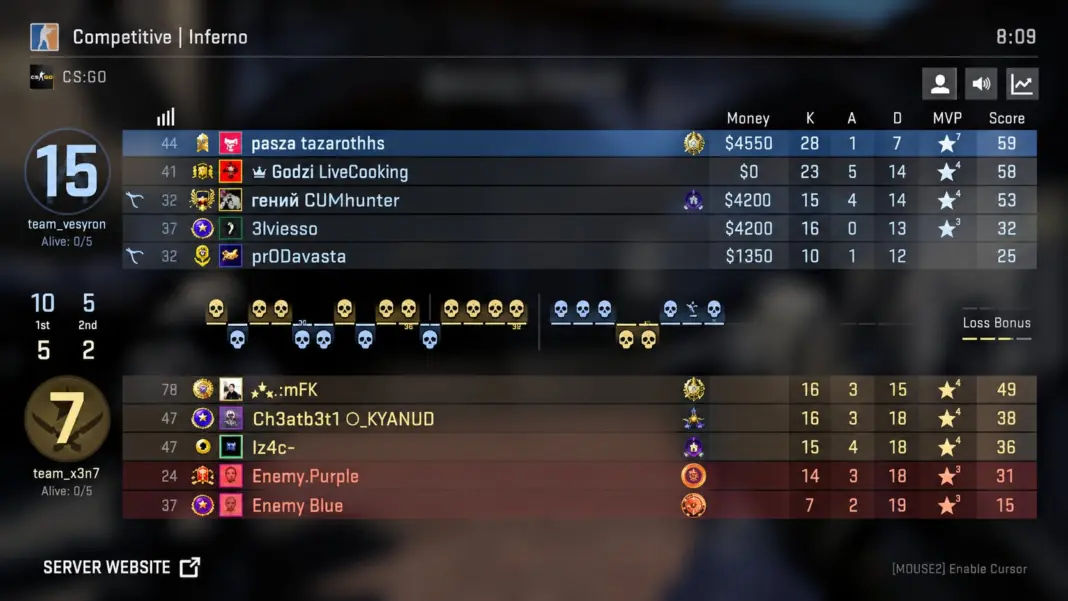
Everyone loves the adrenaline spike when a team snatches victory out of nowhere, but if you look deeper into why those upsets (or expected wins) happen, it often comes down to what’s on paper: the stats. In Counter-Strike: Global Offensive, every shot fired and every second on the clock feeds raw data back to analysts, coaches, and players. But instead of treating stats as mere trivia, elite teams use them as a blueprint for precise victory.
Despite all the impressive moments in highlight reels, it’s the meticulous dissection of numbers that separates contenders from champions. Teams that examine round-win percentages, weapon efficiency, and player entry success rates often discover which holes to patch before anyone else. Even outside pro arenas, many players notice how stats influence community trading markets for CSGO skins, as the value and desirability of in-game items can reflect perceived skill or performance trends.
What Today’s Players Learn From Analyzing Stats
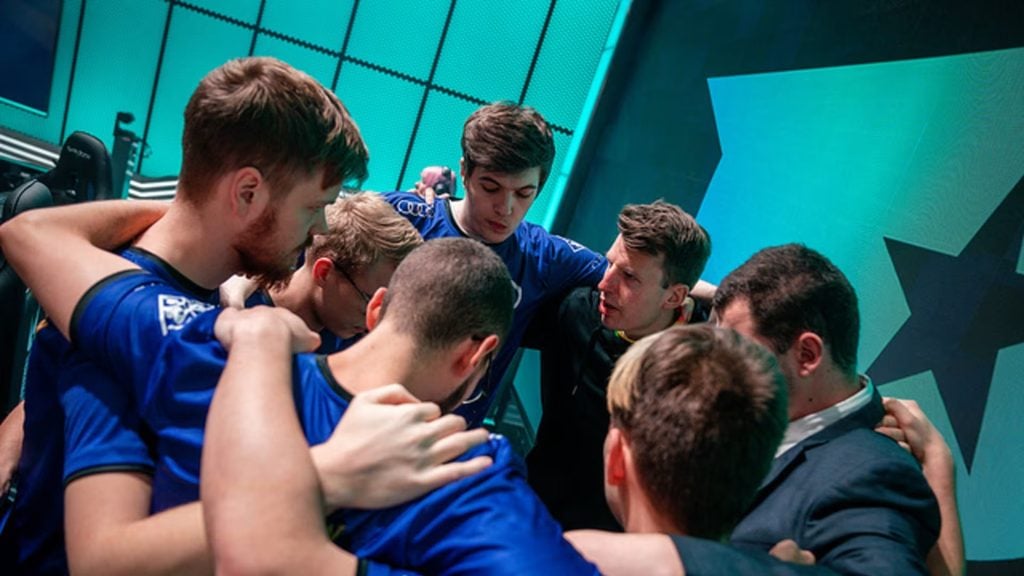
Smart teams don’t just stare at leaderboards. They look at specifics: map-specific play, first-kill ratios, clutch win rates, and eco round outcomes. These numbers guide everything from which map to veto to which player should shoulder the sniper. When a squad realizes their B-site retake is statistically weak, they drill that scenario until the improvement shows up in real matches. This level of detail goes beyond gut feeling or simple practice; it’s strategic engineering.
If you want to stay one step ahead of the competition and make smarter choices with your own team, start breaking down matches the way pros do. Even casual players can easily find match statistics on tournament websites and use them to steer strategy, gear choices, and even inventory investments.
The Mental Game Behind the Numbers
There’s another side to obsessing over stats: confidence and momentum. Players who see improvements in their own metrics, such as a lower time-to-kill or better entry frag rates, report feeling more prepared for tournaments. It’s not just about knowing you’re improving; it’s having proof. For teams, revealing those numbers in reviews boosts trust and accountability. When individuals know where they stand, ego arguments take a back seat to actual performance goals.
On a wider scale, communities react to those numbers too. A player’s sharp rise in headshot accuracy or average damage per round (ADR) can turn them into an overnight fan favorite. This feedback loop pushes not only individuals but also entire tournaments to new tactical heights.
Where Competitive Players Gear Up and Expand Their Resources
Anyone trying to buy digital games or in-game items quickly discovers that the traditional publishers’ stores aren’t the only places to look. Eneba stands out by giving players more for their money compared to exclusive platform shops. There, you can pick up official game keys: buy the code, redeem it (for example, on PlayStation by entering the code in your account), and start playing right away. Eneba’s broad catalog covers countless genres, and competitive pricing and instant code delivery set it apart. Players appreciate being able to see global versus region-locked options directly on product pages, so there are no surprises. Plus, the marketplace operates under strict verification for all sellers, high compliance requirements, and consistent monitoring. If you’d rather avoid buying individual keys, Eneba also offers a range of gift cards for platforms like Xbox, PSN, and Steam, letting you add funds directly instead of hunting for a specific title for your region.
Can Team Stats Really Tip the Balance?
Across every top-tier tournament, the smallest detail in a match report can reveal the deciding factor. Was a losing streak due to weak post-plant positioning? Did the winning team leverage eco rounds better? Teams that monitor kill-assist ratio dips or map control heatmaps can react in real time, turning disappointing scrims into show-stopping upsets.
Every serious player or up-and-coming squad has access to this level of insight. Whether obsessing over changes in the meta or constructing the optimal playbook, using data isn’t just for coaches. It’s opening new ways to prepare, train, and even decide which CSGO skins might signal a future star, since the shape of player inventories can sometimes mirror confidence and accomplishment.
In today’s esports, knowing where to buy, practice, and track performance is half the fight. Digital marketplaces like Eneba offering deals on all things digital give every gamer, from casual strategist to future tournament hero, the resources to go beyond guesswork and let their performance speak for itself.