Jensen Huang has until Wednesday, 11 November, to tell three senior US lawmakers whether he will face them behind closed doors over his ties to a woman US intelligence has linked to Chinese espionage. The House committee chairs want the Nvidia chief executive in Washington on 18 November, one day after the company reports its quarterly results. Beijing, meanwhile, has dismissed the spy claims as a smear, and China’s state media has accused American outlets of building a thriller out of photographs and speculation. The two sides are now telling very different stories about the same affair.
The request was made before Huang admitted to the relationship, which has raised the stakes considerably. On Sunday, 8 November, he told Nvidia staff that he had been “unfaithful” to his wife, and the company’s board opened an independent investigation. Our explainer on the Megaspeed paper trail sets out how the case reached this point, from a Chinese gaming company’s offshoot to a year of warnings in Washington.
What Congress wants from Jensen Huang on 18 November
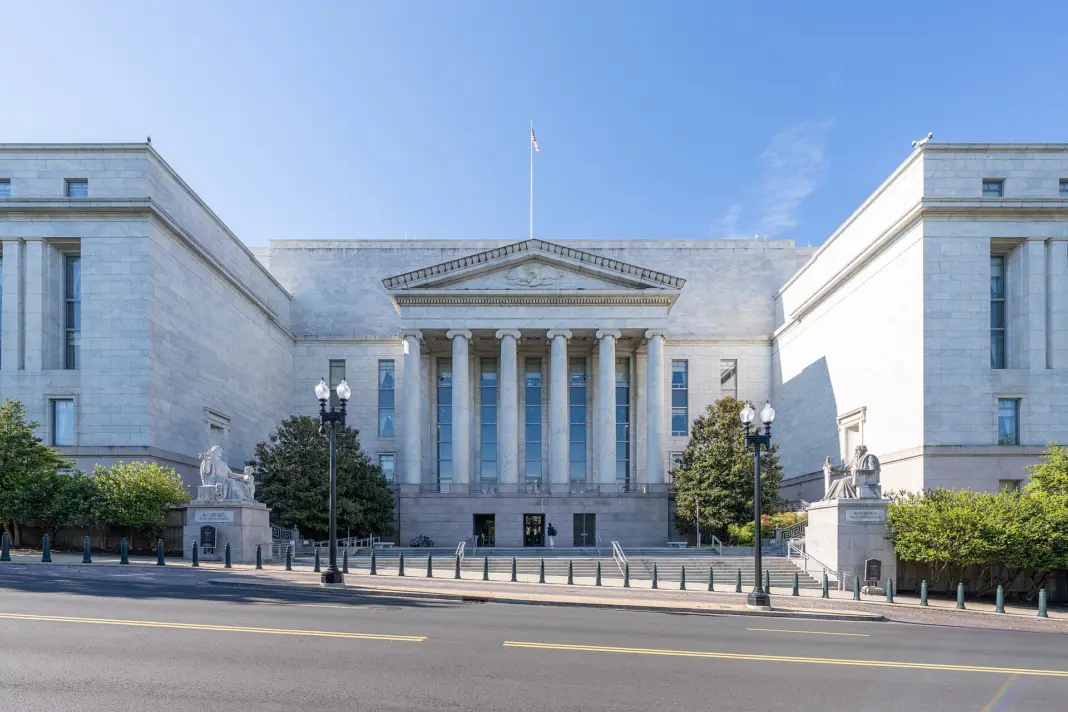
The letter, dated 4 November, is signed by Brian Mast of the House Foreign Affairs Committee, John Moolenaar of the Select Committee on the CCP and Rick Crawford of the House Intelligence Committee. All three are Republicans, and each chairs one of the committees involved. They ask Huang to appear for “a joint, closed-door briefing” in Room 2172 of the Rayburn House Office Building on 18 November. He must accept that date, or offer another session day, by 11 November.
The letter names two subjects for the session. The first is Nvidia’s security protocols against foreign espionage, and the second is Huang’s interactions with Megaspeed executive Alice Huang, whom the chairs describe as “a publicly reported People’s Republic of China (PRC) intelligence asset”. The two Huangs share a surname but are not related. “It is vital that Congress determines the extent to which U.S. national security has been placed at risk,” the chairs wrote, in a letter also published by the House China committee.
It is worth being clear about what this is. The letter is a request for a private briefing rather than a public hearing, so there will be no televised testimony if Huang attends. It is also not a subpoena, and it leaves room for him to suggest a different day within the current Congress, which ends in January. As of Nvidia’s last public comment on the request, the company had not said whether he would go.
The timing could hardly be more awkward for Nvidia. Huang is due to present the company’s third-quarter results on 17 November, just a day before the requested session. The chipmaker is also recovering from a sell-off in which it lost $450 billion in market value in a single day last week.
How Beijing is answering the Jensen Huang spy claims
China has rejected the allegations at every stage. Asked on Monday about reports that the woman linked to Huang works for Chinese intelligence, foreign ministry spokesperson Guo Jiakun said Beijing had “already responded to this”. He added that “the so-called claim of ‘Chinese spies’ is completely groundless and is nothing but a smear against China”. China had already called the first New York Times report on the case “groundless” when it appeared at the end of October.
China’s state media has gone further than the ministry. In a report published on Monday, the Global Times quoted Shen Yi of Fudan University. He argued that US outlets had turned “a private affair” into a story about a Chinese spy infiltrating an American chip company. In his view, the coverage relied on a few photographs, Nvidia’s earlier lobbying against trade restrictions, anonymous insiders and media speculation. He called it “a clear case of pre-judgment and presumption of guilt”. A separate Global Times commentary described the reports as a “political spy thriller” with “no hard evidence”.
Some of that criticism reflects a real gap in what is publicly known. The US intelligence assessment has been described to reporters but not published, and Huang’s letter to staff did not name the woman involved. George Chen of The Asia Group told the Associated Press that “those questions require evidence rather than speculation”. He said the key questions were whether Huang knew about any espionage, and whether confidential information had been compromised.
Why Washington is split over Jensen Huang
The reaction in the US capital has not divided neatly along party lines. President Donald Trump has defended Huang, calling him an “honorable guy” who “has done an amazing job for our country”. On Capitol Hill, the pressure is bipartisan, with Democratic senator Elizabeth Warren saying that Huang and Nvidia’s board “owe Congress answers”.
Nvidia is trying to show that its business will carry on regardless. Spokesman John Rizzo told The New York Times that “today’s news will not slow Nvidia”, and that Huang is “committed to continuing to lead Nvidia as CEO without interruption”. Before the admission, the company had told reporters that regional cloud customers receive only ordinary business information, and “zero information relevant to national security”. Our report on the board’s investigation has the full details of Sunday’s announcement. Huang’s deadline to answer the three committee chairs is 11 November.