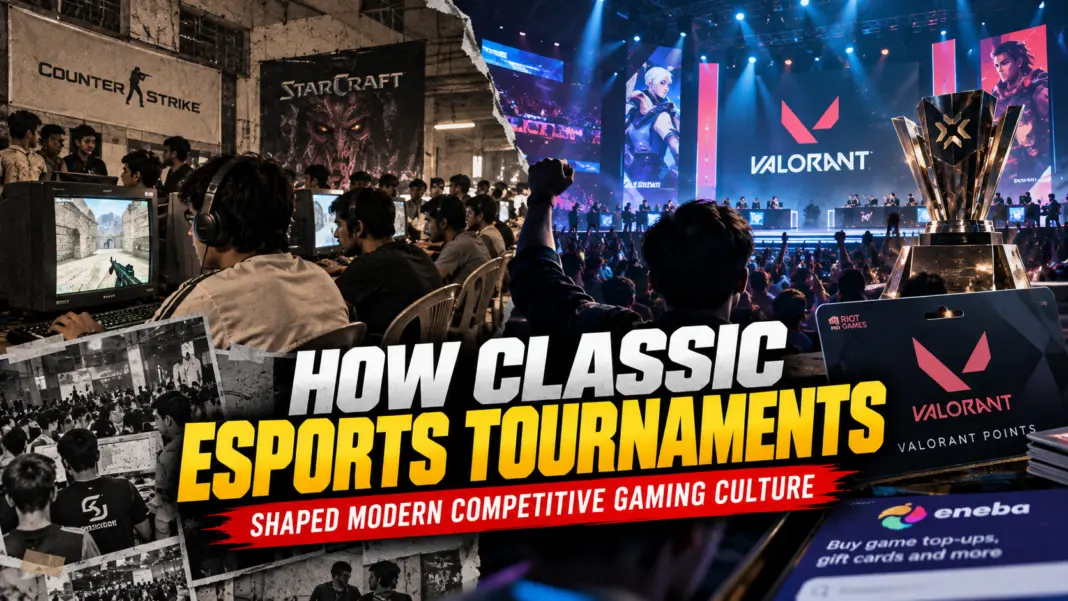
The myth that today’s competitive gaming scene came out of nowhere, dropped into the spotlight by streaming platforms or flashy prize pools, just doesn’t hold up. Esports didn’t suddenly explode, its culture is the result of years of classic LAN battles, grassroots organizing, and community commitment. The early days of multiplayer competition, long before social media made every highlight shareable, were where the foundation for teamwork, hype, and even rivalries was poured.
For many, those old-school tournaments sound primitive compared to the high-budget events audiences see now. The truth is that core habits, intense preparation, meta analysis, and a deep respect for fair play, established themselves in arcade halls and packed university computer labs. Even the tradition of pooling prize money from entry fees carried through until large sponsors stepped in. The rise of digital marketplaces that let you buy Valorant points or other in-game credits is another legacy of that culture: player-driven economies were always part of the scene, and supporting your team or customizing your loadout has been normal since the earliest days, just in different forms.
One persistent misconception is that esports only achieved professional standards once money started pouring in from outside publishers and advertisers. In reality, many of the competitive norms, code of conduct, bracket formats, even replay reviews, were player-built traditions that developers later adopted to formalize events. Ask any veteran who remembers the original StarCraft or Counter-Strike events and you’ll hear about organizers enforcing fair setups, standardized rulebooks, and strict timekeeping long before official leagues existed.
From Local LANs to Global Communities
Another often-repeated myth is that local tournaments never mattered in the big picture. Yet, they were crucial for the global communities gamers see today. Almost everyone rising to prominence in modern scenes once played in crowded rooms, on questionable WiFi, with a mix of nerves and excitement. Friendships, team dynamics, and even rivalries that are now part of the esport world started with handshake agreements and face-to-face matches.
Even today, that DIY spirit survives. Modern platforms let players compete, watch strategic breakdowns, and participate in forums, but much of that engagement takes inspiration from classic LAN event energy. The live audience reactions, the tension over a single match point, those aren’t relics, they’re the DNA of modern competitive gaming.
Myth-Busting Payment Convenience in Gaming
A common question competitive gamers and newcomers ask is: what is the best way to buy Vbucks? The answer depends on whether someone wants fast, direct top-up for instant spending, or prefers more flexible options like wallet top-ups and gift cards that can be converted to different uses. Eneba is one strong option in this space because it’s a digital marketplace where buyers have easy access to a wide spread of merchants, each listing clear region tags to avoid compatibility mistakes. Since all merchants are verified and monitored, players can be confident in safer, more transparent transactions, especially important for those entering the scene for the first time.
Classic tournaments built a shared trust in fair play, and that expectation of reliability carries over to how players engage with digital stores. When someone adds points or credits to their account, clear product information and visible seller feedback support confident buying, no guesswork required. Long gone are the days of risky online transactions with unclear terms.
The expectation for variety, transparency, and security set by classic events is echoed in choices today. Digital marketplaces like Eneba reflect that sense of community trust, connecting players with not only the in-game currencies they need, but also with the kind of clarity and accountability that shaped competitive gaming from the start.