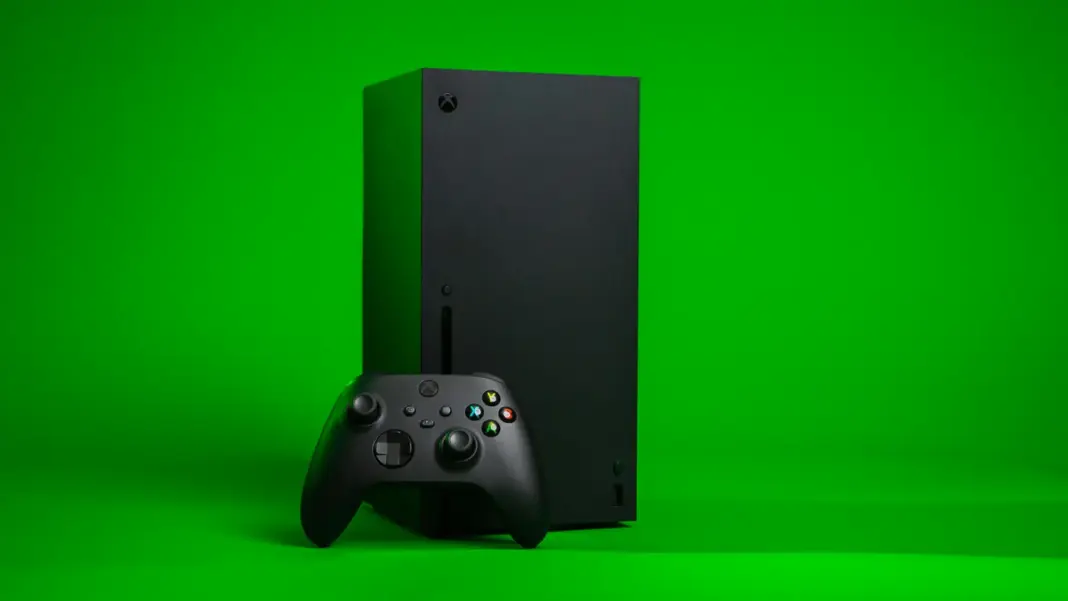
Microsoft’s outage across Outlook, Teams and the wider Microsoft 365 suite has now run for more than 16 hours, and the company’s own status page still shows service capacity below normal. Problems began with Teams in North America on 12 November, before Exchange Online mailboxes started failing from 17:54 UTC (11:24 pm IST). Minutes later, Microsoft confirmed that the issue could affect Microsoft 365 connectivity “for users in any region”. For gamers, the main question is whether Xbox has gone down with it, and so far the answer is mostly no.
Xbox’s own status page shows no outage
As of Friday morning UTC, the official Xbox status page listed all services as “up and running”, including sign-in, multiplayer, the store and cloud gaming. Microsoft’s service health page names Outlook.com, OneDrive, OneNote, Microsoft To Do, Teams and Microsoft 365 for the web among the affected consumer products, and Xbox is not on that list. The disruption sits mainly in Exchange Online, the email system behind Outlook, and in the services that depend on it.
Some players have still reported trouble since the outage began. Users on social media and outage trackers have described failed sign-ins, digital games that would not launch, cloud saves that did not sync and problems reaching Xbox Cloud Gaming. Windows Central, which collected those reports, said its own staff could connect normally. Microsoft has not confirmed those reports, and TalkEsport found no post from Xbox Support about the outage. Players who see errors should check the status page first, since a local network fault can produce the same errors.
The timing is awkward for Xbox, which has only just widened access to cloud play. Microsoft launched a free, ad-supported tier of Xbox Cloud Gaming on 12 November, the same day the outage began, and cloud gaming depends on Microsoft’s servers more than any other part of the platform. Xbox was not so lucky in October 2025, when a faulty configuration change to Azure Front Door took down Xbox sign-ins and Minecraft for hours along with Microsoft 365. Cloud failures have hit games elsewhere too, including Google Cloud’s outage in Europe last month.
Microsoft says an overwhelmed server process is behind the failure
Microsoft has given a detailed running account of the incident, though not a root cause. At 22:09 UTC on 12 November, it said a core process on affected servers was “becoming overwhelmed, causing capacity loss”, and that its actions so far “have not provided the anticipated relief”. Two hours later, it said servers it had returned to service could become unresponsive again “once they receive traffic”. It then began limiting which types of traffic could reach the affected infrastructure.
There has been some movement on the cause since then. Microsoft first said it had not identified any recent change linked to the start of the problem. By 21:40 UTC, however, it was assessing whether reverting “a small number of recent configuration updates” could speed up recovery. On Friday morning, it reported “positive results for service stability and increased capacity” from traffic optimisation, and said it was extending those actions across affected regions. Its latest update said service health “remains variable”, and that it has no evidence of malicious activity.
For businesses, delayed email remains the biggest worry in this outage. Microsoft has extended its email timeout window to 48 hours so that delayed messages are preserved, and says it is prioritising queue and backlog processing. Copilot, the AI assistant Microsoft has placed at the centre of its products, is also on the affected list, because it cannot reach the email, calendar and files it depends on. The company has promised a full post-incident report with the root cause once the issue is fixed.
The outage follows two years of deep job cuts at Microsoft
The outage also comes after two years of heavy job cuts across the company. Microsoft cut about 6,000 jobs in May 2025 and about 9,000 more in July 2025. More than 40% of the roughly 2,000 roles cut in Washington state that May were software engineering jobs, according to Bloomberg. In July 2026, it cut about 4,800 more roles, or around 2.1% of its workforce, mostly in its commercial business and Xbox, according to TheStreet. Further cuts followed in September, including 268 jobs across Xbox studios, alongside a voluntary retirement programme for senior staff.
There is no evidence that those cuts caused this outage, and Microsoft has not linked the two. Its chief people officer, Amy Coleman, has said the roles being eliminated were not being replaced by AI, while adding that “AI is changing how work gets done”. Chief executive Satya Nadella said in April 2025 that AI was writing 20% to 30% of the code in some of the company’s repositories. Yet more than 16 hours in, recovery still depends on restarting servers, rerouting traffic and blocking some types of requests, alongside the automated systems Microsoft says it is using. Microsoft’s status page puts its next update for business customers at 11:00 UTC (4:30 pm IST) on 13 November, and for consumer services at 12:30 UTC (6 pm IST).