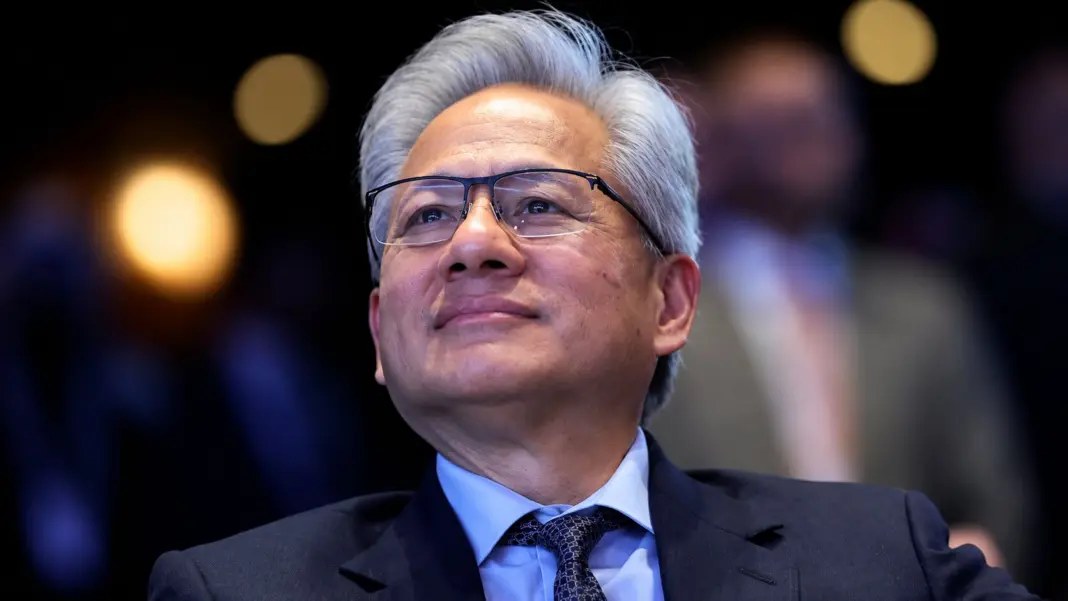
Jensen Huang is considering a return as Nvidia’s chief executive, only days after he resigned, the Financial Times reported on Sunday. Citing people familiar with the matter, the newspaper said Huang has discussed the possibility of coming back with confidants. One of his allies is reportedly assembling a group of Silicon Valley executives, described as a “war room”, to lobby Nvidia’s board for his reinstatement and to seek support from the White House. TalkEsport has not seen a public response to the report from Huang or Nvidia, and the FT’s sources were not named.
The FT report lands at an awkward moment for the company. Huang stepped down on 12 November after reports about his relationship with Alice Huang, the former Megaspeed executive at the centre of a chip export scandal. Chief financial officer Colette Kress has been running Nvidia on an interim basis since then, according to the company’s announcement. The board has said it is choosing a search firm and has not formally approached any candidates for the permanent job. The FT’s own summary says tech supporters are now lobbying the chipmaker’s board to reinstate its former chief executive.
Allies want the board and the White House on side
The campaign for Huang’s return was already loud before Sunday’s report. Elon Musk said last week that he was signing a petition to reinstate him, and the Stand with Jensen petition has circulated widely since. Musk has also said that hiring Huang himself “would be an honour”, a sign of how much of his standing in the industry has survived the scandal. Ruby on Rails creator David Heinemeier Hansson added his voice on Sunday, writing that “we need @JensenHuang back at NVIDIA” because “the free world depends on it”.
Some of Nvidia’s investors have been pushing in the same direction. Altimeter Capital’s Brad Gerstner and Atreides Management’s Gavin Baker wrote to the board asking it to keep Huang’s return on the table and avoid a rushed replacement. Inside the company, 88% of Nvidia staff who answered a Blind survey before his resignation said he should stay.
What the FT describes goes further than public support. An organised group of executives lobbying the board, and asking the White House to back them, would turn a petition into a direct pressure campaign. Accounts of the FT story published so far do not name the ally behind the “war room” or the executives involved, or say whether the White House has responded.
Washington and the board’s own investigation stand in the way
The biggest obstacle to a comeback is already out in the open. US Treasury Secretary Scott Bessent said on Sunday that Nvidia needs “a dramatic shakeup” and should hire an outside chief executive. He also wants answers from the board within 10 days on whether the company pushed “seemingly illicit” chip sales to China, a window that runs to around 25 November.
The board also has unfinished business of its own to deal with. Its independent members have hired Wachtell Lipton and former federal prosecutor Joon Kim to investigate Huang’s conduct, according to the board’s statement. That review has not reported, and reinstating Huang before it does would expose the board to the charge that it ignored its own process.
Only the board can appoint a chief executive, whatever executives, investors or the White House say. Huang co-founded Nvidia and remains one of its largest individual shareholders, but he does not control the company. A comeback would depend on directors deciding that the scandal matters less than the risk of losing him, at the same moment the Treasury is telling them the opposite.
Tuesday’s results are the next test
The report could hardly have come at a more sensitive time for Nvidia. The company reports its third-quarter results on Tuesday, 17 November, with Kress now running the company as interim chief executive. The call will be the first chance for analysts to question the company since Huang left, and the leadership search, the board’s investigation and the chip sales Bessent raised are all live issues.
The questions about Huang’s conduct have also grown since he quit. Reuters reported that he told Nvidia’s general counsel his dealings with Alice Huang and Megaspeed were standard business. In Washington, lawmakers are advancing new chip export bills after reports that Megaspeed arranged nearly $12 billion of advanced chips for Chinese companies. Megaspeed denies diverting chips to China, and Nvidia has said it complies with US export law.