In a recent official statement, Riot Games has revealed that Nicolo Laurent, the CEO of the company, will be stepping down from his position. Dylan Jadeja, the current global president, has been appointed as Laurent’s successor. This strategic CEO transition comes after Laurent’s successful six-year tenure, with the change expected to be finalized by the end of 2023.
Nicolo Laurent has been an integral part of Riot Games since its early days as a “40-person startup” in 2009. After assuming the role of CEO in 2017, he has played a crucial role in shaping the company’s trajectory. However, Laurent’s leadership has also faced criticism, including allegations of fostering a sexist work environment. He was personally accused of sexual misconduct against his former executive assistant, but these allegations were later cleared.
Dylan Jadeja, who joined Riot Games as Chief Financial Officer in 2011 and has held the position of global president since 2017, has been chosen as the ideal candidate to succeed Laurent. The selection process for the new CEO took approximately three years and involved considering both internal and external candidates. This marks the first time in Riot’s 17-year history that the company has sought a CEO from outside its ranks.
Nicolo Laurent expressed his decision to step down in an open letter, acknowledging that while the news may seem sudden, it has been a well-considered choice. He stated that his departure does not signify an end but rather a new chapter in his journey, allowing him to focus more on his family. Laurent intends to remain involved with Riot Games as an advisor for the foreseeable future, ensuring a smooth transition. Further details regarding the handover process to Dylan Jadeja will be shared in the upcoming weeks.
After 14 years at Riot and 6 as CEO, later this year I’ll check off something that’s been on my quest log for a while: Stepping away from CEO to focus on family, plan a relocation back to France, and play flex queue with my four kids (wishful thinking on that last bit). <1/3>
Addressing Riot’s passionate community, Dylan Jadeja shared his thoughts in an open letter, acknowledging that his leadership may bring about changes but assuring fans that the ultimate goal remains unwavering. Jadeja emphasized Riot’s commitment to becoming the most trusted and authentic game company globally, built by players, for players.
Riot Games has faced significant scrutiny in the past due to allegations of sexual harassment and discrimination. In a 2018 investigation by Kotaku, former female employees shared accounts of harassment, grooming for promotions, and receiving unsolicited explicit images. Although Nicolo Laurent was not specifically named in the Kotaku report, a 2021 Wired article claimed that he protected certain problematic employees in leadership positions. As a result, Riot Games settled a discrimination and harassment lawsuit filed by eight former female employees, paying a substantial $100 million settlement.
The CEO transition at Riot Games signifies a pivotal moment for the company as Nicolo Laurent steps down and Dylan Jadeja assumes the role. This change comes amidst ongoing efforts to address past issues and create a more inclusive and respectful work environment. As Riot Games continues its mission to build trust and authenticity within the gaming industry, the company remains dedicated to its players and the community it serves.
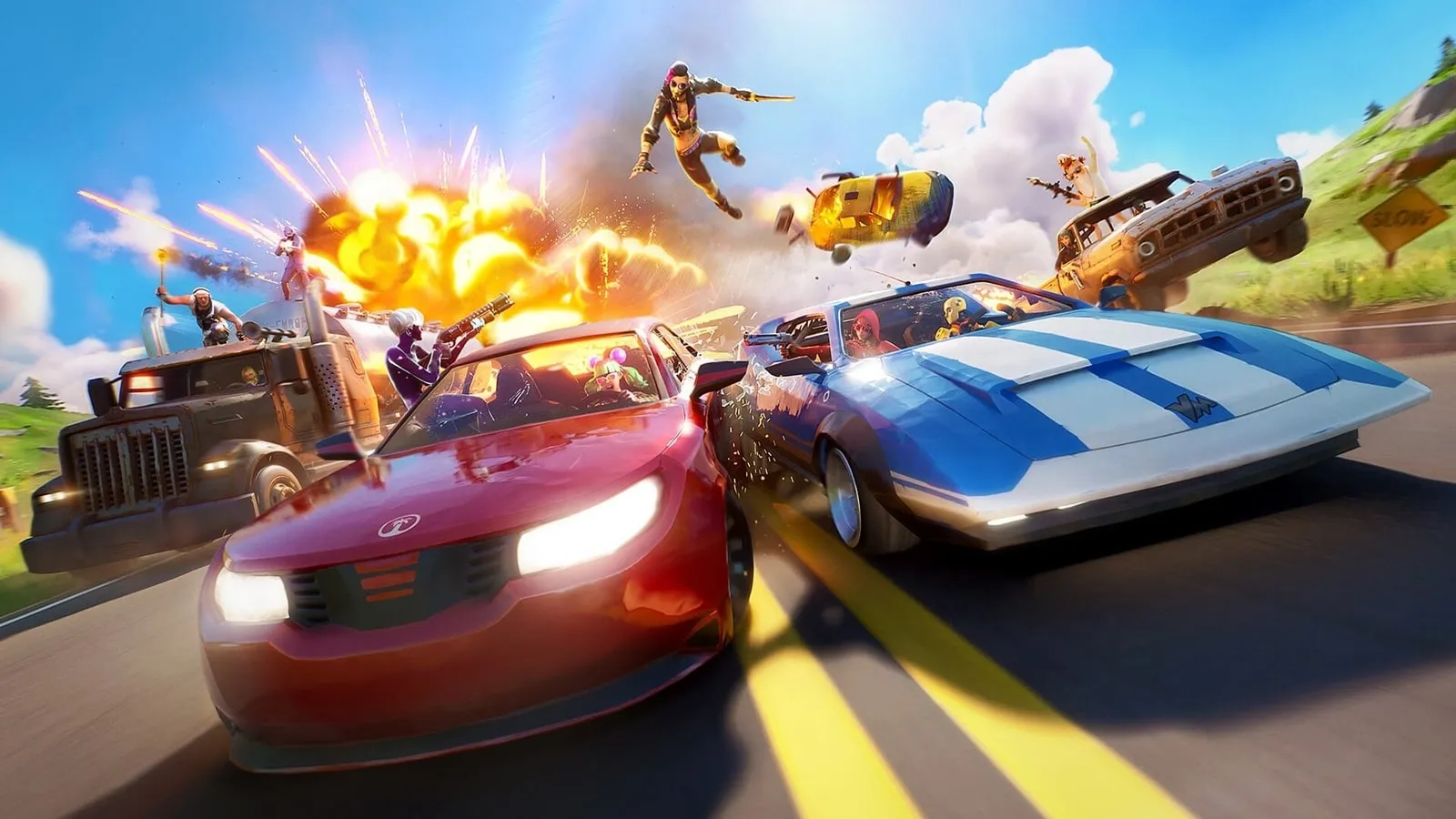
In the ever-evolving world of Fortnite, exciting changes are on the horizon. What started as a typical Battle Royale game has now blossomed into something extraordinary in 2023. With a dedicated player base in the millions, the popularity of Fortnite shows no signs of waning. And now, Epic Games is gearing up to introduce a highly anticipated new game mode that will take the excitement to new heights: racing.
According to reliable sources, Epic Games has been hard at work developing this exhilarating racing mode, set to be released in the near future. While Fortnite’s creative community has already showcased their talent through player-created racing games in the UEFN, this upcoming mode will be an official addition designed and curated by Epic Games themselves.
Notably, this racing mode will offer both casual and competitive options, allowing players to experience the thrill of high-speed races while also competing against others to climb the ranks. It’s important to note that this new mode will focus solely on racing and will be distinct from the combat-oriented Arena mode.
Insiders suggest that Epic Games plans to include 18 divisions within the competitive racing mode, offering a progressive ranking system similar to the popular Arena mode. Players will start in Division I and aim to work their way up to the highest division, showcasing their skills and determination in each race.
While an exact release date has not been confirmed, industry experts speculate that Epic Games might unveil this highly anticipated racing mode within the next few months, potentially coinciding with Chapter 4 Season 5. As of now, Epic Games has remained tight-lipped about the specifics, heightening the anticipation among Fortnite enthusiasts worldwide.
Given Fortnite’s remarkable capabilities, it’s only natural to expect a visually stunning and immersive racing experience. With the game already featuring numerous captivating user-generated racing maps, the official racing mode by Epic Games is anticipated to take things to a whole new level, offering breathtaking visuals and exhilarating gameplay.
Prepare yourself for the next chapter in Fortnite’s evolution, where racing becomes a centerpiece of the gaming experience. Get ready to rev your engines, master the tracks, and compete against friends and foes alike in heart-pounding races. Fortnite continues to push boundaries, and this new racing mode is set to be a thrilling addition that will leave an indelible mark on the gaming landscape.
Thank you for taking the time to read our article. To stay up-to-date with the best esports news website that caters to your individual preferences and comfort, we kindly recommend following TalkEsport on Google News & Twitter.
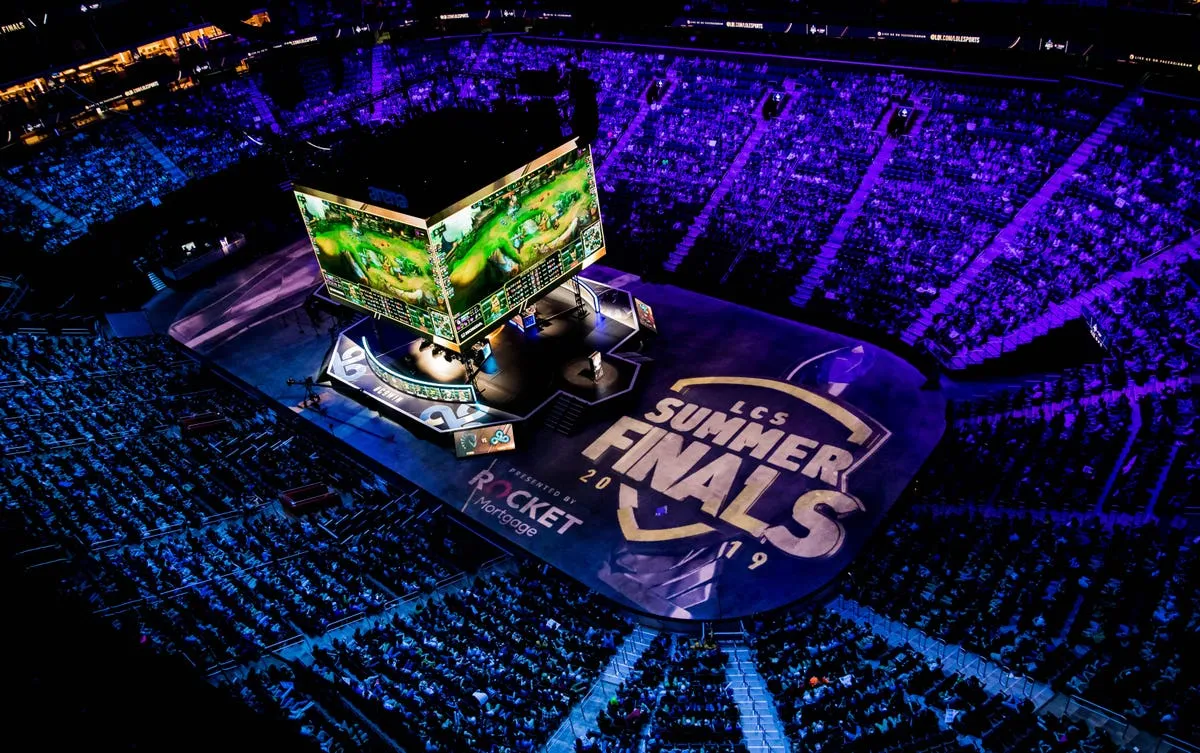
In response to rumors circulating about several organizations intending to withdraw from the North American Challengers League, the LCS has officially announced significant modifications to the developmental competition.
Evolution of the Challengers League Since its inception as the primary feeder league for the LCS, the Challengers League has undergone numerous transformations. In the pre-franchising era, teams competed in Challengers with the hope of earning a spot in the LCS through a promotion tournament.
Following the introduction of franchising, the league transitioned into a developmental platform, enabling LCS teams to scout and nurture emerging talent while offering competitive salaries. Eventually, Riot Games permitted non-franchised amateur teams and collegiate squads to participate alongside LCS Challengers teams in third-party competitions, fostering a truly amateur league experience.
LCS implements major changes in response to organizational withdrawal speculations
No Mandatory Challengers League Rosters for LCS Teams
According to a report on May 6, LCS organizations voted to remove the rule requiring teams to field NA Challengers League rosters. In response to this request from the teams, the LCS confirmed that the rule will be abolished starting in the Summer Split.
The motive behind this change is to provide LCS teams with greater operational and financial flexibility within the North American League of Legends competition.
While LCS organizations are departing from the second-tier league, Riot Games plans to implement promotion and relegation systems within the competition. Previously, teams had to participate in other tournaments to secure a spot in the NACL, where LCS Challengers teams awaited their arrival. With the upcoming changes, all teams will compete on an equal playing field.
Furthermore, Riot Games aims to enhance the league’s accessibility by utilizing game servers in Chicago, making it more geographically inclusive compared to the Los Angeles servers predominantly used by pro teams stationed in California. Financial support will also be provided to teams in the league through Twitch subscription opportunities and broadcast integrations.
A Glimpse of Cross-Region Competition for the Americas
Among the announcements, one particularly intriguing revelation pertains to the possibility of “cross-region competition for the Americas.” In contrast to the EMEA regional leagues, the North and South American second-tier systems have not previously interacted or participated in joint tournaments.
Although no specific details were disclosed, Riot expressed enthusiasm about exploring the potential for cross-regional competition within the Americas region.
Following Riot’s announcement, the LCS Players Association released a statement expressing the players’ dissatisfaction with the decision.
The association criticized Riot for backtracking on their claim of building the future of sports globally, stating that the abandonment of the North American future is evident. Additionally, they revealed that Riot assured players just one week ago that no changes would be made to the Challengers League.
The statement further challenged Riot’s justification of enhancing financial flexibility for organizations, arguing that the average annual salary cost for an NACL team accounts for less than 17% of an average LCS organization’s League of Legends-based salary expenses.
Furthermore, the association outlined its proposals for Riot in 2024, which include revising payment structures for NACL teams, granting affiliate organizations the ability to operate NACL rosters, introducing revenue sharing opportunities for LCS teams, and implementing promotion/relegation systems and revenue sharing for external organizations investing in the NACL.
Thank you for taking the time to read our article. To stay up-to-date with the best esports news website that caters to your individual preferences and comfort, we kindly recommend following TalkEsport on Google News & Twitter.
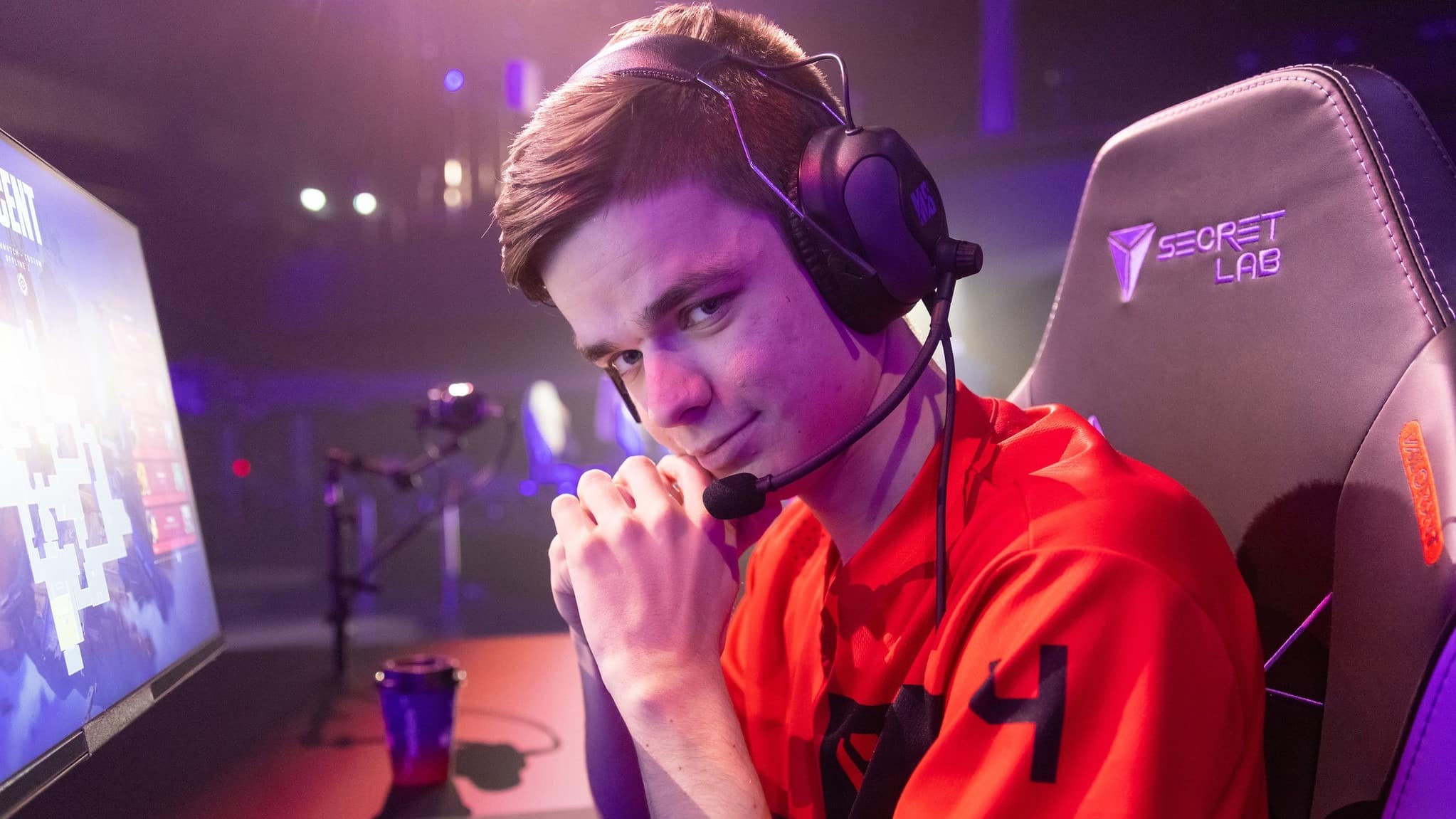
Hunter ‘SicK’ Mims, a prominent member of the Sentinels Valorant team, has recently been suspended from Twitch due to concerns surrounding his behavior. This development follows SicK’s return to streaming and his second arrest for criminal trespassing, leading to worries about his well-being among both his team and fans.
Sentinels Valorant Star SicK Suspended from Twitch: What Led to the Ban?
Support and Concern for SicK:
Sentinels initially expressed their support for SicK following his first arrest, with CEO Rob Moore emphasizing their dedication to assisting him during this challenging period. However, the organization has refrained from commenting further on SicK since his subsequent arrest, leaving uncertainty regarding his future with the team.
Hey guys, I have Sick blocked so I can make this tweet. He’s not himself right now, please try your best to ignore his tweets and erratic behavior for now. I promise this isn’t who he is. Thanks for being understanding.
SicK wasted no time resuming his streaming activities, but his behavior on Twitch has raised eyebrows. Viewers, as well as members of the Valorant community, have observed what they perceive as erratic actions during his live streams, leading to speculation about his mental state.
Additionally, his posts on social media, particularly Twitter, have garnered attention, as he shares details about recent purchases, bank account issues, and references to drug-related items. Concerned fans have expressed confusion and worry in response to his tweets.
Twitch Suspension and Speculation:
SicK’s suspension from Twitch has generated curiosity, as the specific reason for the suspension has not been disclosed. It is widely speculated that his recent behavior on stream and social media likely played a role in this decision. Influential figures within the Valorant community have urged fans to refrain from sharing clips of SicK’s controversial on-stream moments, as they argue that it does not accurately represent his true character.
Uncertainty Surrounding SicK’s Future:
Despite the suspension, SicK has continued to stream regularly, leaving his supporters uncertain about his current circumstances. The duration of the Twitch suspension remains unknown, as SicK has not addressed the matter as of the time of writing.
Thank you for taking the time to read our article. To stay up-to-date with the best esports news website that caters to your individual preferences and comfort, we kindly recommend following TalkEsport on Google News & Twitter.
Zelda: Tears of the Kingdom is an exquisite game that occasionally encounters framerate issues. If you’re looking to optimize the FPS (frames per second) in Zelda: Tears of the Kingdom, I’ve got you covered with effective techniques. Each approach has its own considerations, but the reward of smoother gameplay is well worth it.
Tips to Increase FPS in Zelda Tears of the Kingdom
Improving Framerate in Zelda: Tears of the Kingdom Luckily, there are three methods to enhance the framerate in Zelda: Tears of the Kingdom. I recommend trying them all to see the improvements in FPS.
Embrace Docked Mode for Enhanced Performance:
Leave your Nintendo Switch in the docking station and connect it to a monitor or TV.
Docked mode provides better performance and higher FPS compared to handheld mode.
The continuous power supply allows the system to allocate more memory to processing tasks.
Decrease Resolution While in Docked Mode:
Access System Settings, then TV Settings, and select TV Resolution.
Lowering the resolution can lead to higher FPS.
Experiment with running Zelda: Tears of the Kingdom at 720p for improved performance.
You can further reduce the quality to 480p for additional FPS improvement, but be cautious not to sacrifice image quality excessively.
Alternatively, set your TV Resolution to Automatic for the Switch to select the best resolution up to 1080p based on your TV or monitor capabilities. However, locking the quality at 720p will yield the greatest improvement in FPS.
Engage Airplane Mode for Seamless Gameplay:
Access System Settings and enable Airplane Mode.
Playing in Airplane Mode prevents the Switch from utilizing processing power for internet connectivity.
This results in a more stable FPS during gameplay.
Remember to try each method individually to assess the improvements to your FPS in Zelda: Tears of the Kingdom.
By implementing these strategies, you can optimize the FPS on your Nintendo Switch while playing Zelda: Tears of the Kingdom. Remember, even with improved FPS, the challenging Flux Construct 1 Boss may still require assistance.
Thank you for taking the time to read our article. To stay up-to-date with the best esports news website that caters to your individual preferences and comfort, we kindly recommend following TalkEsport on Google News & Twitter.
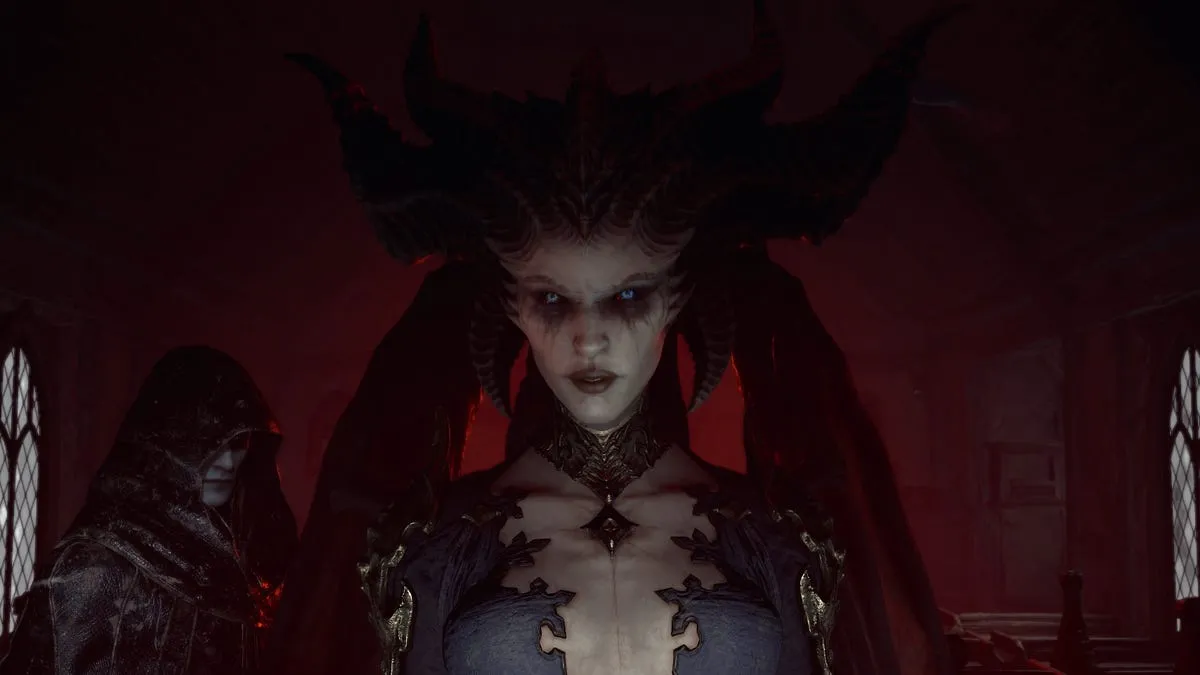
Are you ready for an epic adventure in the highly anticipated Diablo 4? The thrilling dungeon crawler is set to release on June 6, but why wait when you can get a sneak peek today? The final beta test of Diablo 4 is now live, offering players a chance to immerse themselves in the game before its official launch. Read on to learn how you can participate in the beta and discover the incredible features that await you.
When does the Diablo 4 Server Slam start?
The Diablo 4 Server Slam open beta is officially underway! Starting today at 12 p.m. PT (3 p.m. ET) and running until 12 p.m. PT on May 14, you have a limited time to dive into the early stages of the game. Get ready to explore the captivating Fractured Peaks zone and engage in thrilling battles that will leave you craving more.
How to Participate in the Diablo 4 Beta?
Participating in the Diablo 4 beta is a breeze. Simply visit the PSN Store, Microsoft Store, or Battle.net, depending on your preferred platform, and download the beta client. Whether you’re a PC gamer or console enthusiast, Diablo 4 has you covered. The beta is available on PC, PS4, PS5, Xbox One, and Xbox Series X and S, ensuring a wide range of players can join the action.
How do I get a Diablo 4 beta code?
Anyone can participate in the open beta. The beta will be available for download in the PSN Store, Microsoft Store or on Battle.net for PC users.
What are the PC requirements for the Diablo 4 beta?
If you’re planning to experience the beta on PC, make sure your system meets the following requirements to ensure a smooth and enjoyable gameplay experience:
Minimum specifications:
Operating system: 64-bit Windows 10
Processor: Intel Core i5-2500K or AMD FX-8100
Memory: 8GB RAM
Graphics: Nvidia GeForce GTX 660 or AMD Radeon R9 280
Storage: Solid-state drive with 45GB available space
Recommended specifications:
Operating system: 64-bit Windows 10
Processor: Intel Core i5-4670K or AMD R3-1300X
Memory: 16GB RAM
Graphics: Nvidia GeForce GTX 970 or AMD Radeon RX 470
Storage: SSD with 45GB available space
By meeting these specifications, you’ll ensure optimal performance and be fully prepared to embark on your Diablo 4 journey.
Choose Your Class and Unleash Your Power
Diablo 4 offers a diverse selection of classes for you to choose from, each with its unique playstyle and abilities. Whether you prefer the raw strength of the Barbarian, the agility of the Rogue, the arcane powers of the Sorcerer, the nature-based skills of the Druid, or the dark arts of the Necromancer, there’s a class that will suit your preferred style of gameplay. Take this opportunity to experiment with different classes and discover your favorite.
Thank you for taking the time to read our article. To stay up-to-date with the best esports news website that caters to your individual preferences and comfort, we kindly recommend following TalkEsport on Google News & Twitter.
Explore the exhilarating Diablo 4 Server Slam event, offering players a sneak peek into the captivating prologue and Act 1 of the game. While progress may not transfer to the full release, players have the opportunity to earn exclusive rewards for their future adventures.
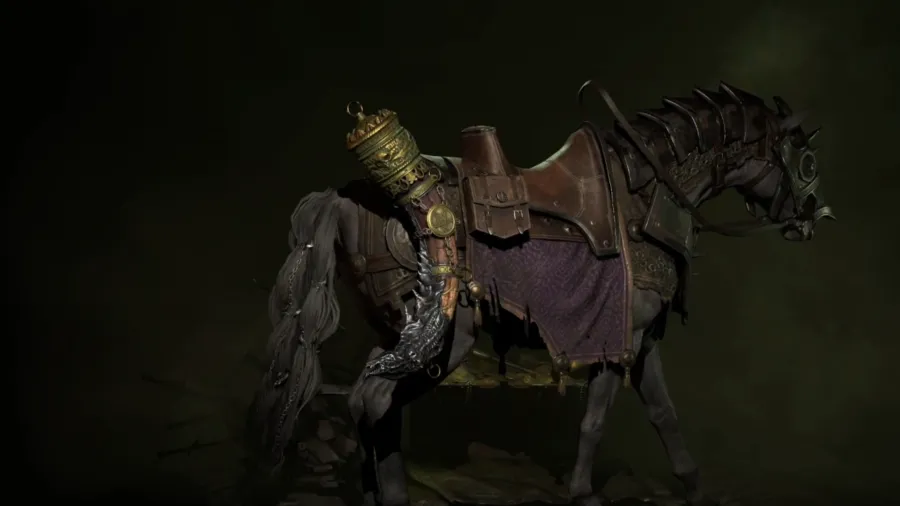
One highly sought-after item is the Cry of Ashava mount trophy, a prestigious addition to your mount collection. Uncover the secrets to obtaining this elusive trophy and prepare for an unforgettable journey in Diablo 4.
Obtaining the Cry of Ashava Mount Trophy in Diablo 4:
Acquiring the Cry of Ashava mount trophy requires dedication and perseverance. Begin by leveling one of your characters to level 20. Once accomplished, seek out and defeat the formidable Ashava world boss. While coordinating with friends can facilitate the process, skilled random players can also assist you in this endeavor.
Conquering the Ashava world boss signifies your triumph in Diablo 4, granting you the esteemed Cry of Ashava mount trophy. However, please note that the mount cannot be utilized during the Server Slam event. Currently, mount customization is inaccessible due to a level requirement that surpasses the maximum attainable beta level. Although this may seem inconvenient in the short term, the Cry of Ashava mount trophy eagerly awaits your future victories once mounts become available in the full release.
Thank you for taking the time to read our article. To stay up-to-date with the best esports news website that caters to your individual preferences and comfort, we kindly recommend following TalkEsport on Google News & Twitter.
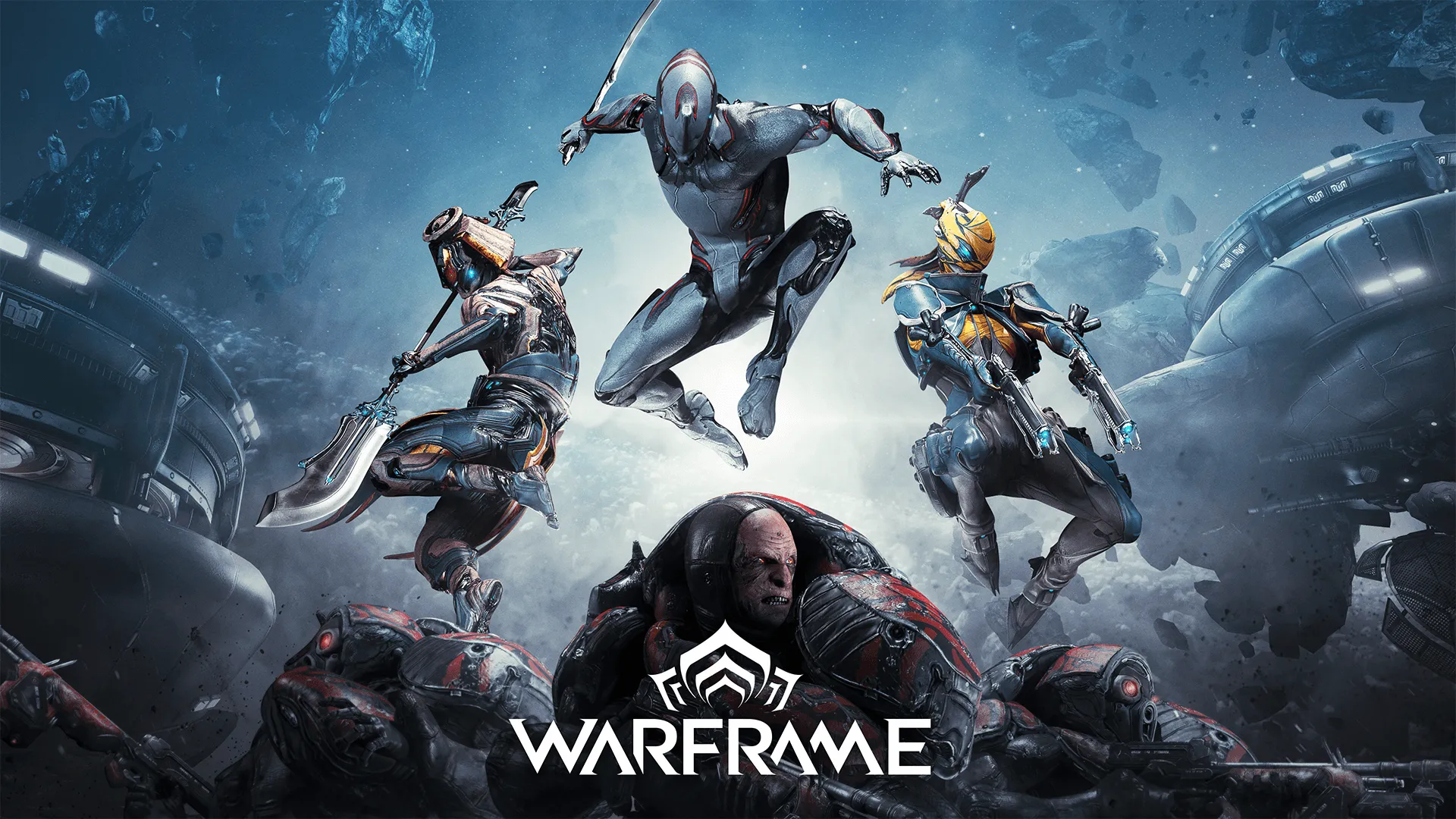
The recent introduction of the highly anticipated Duviri Paradox update in the expansive world of Warframe has bestowed new players with a critical decision right from the outset. This decision revolves around selecting one of two distinct starting points that eventually merge, providing players with the opportunity to explore both paths if desired.
However, this initial choice can be perplexing, leading many to ponder which path is the most suitable to embark upon. In this comprehensive guide, we will delve into the factors that should influence your decision of whether to opt for the Warframe path or the Paradox path in Warframe, equipping you with valuable insights to make an informed choice.
Making the Right Choice: Warframe or Paradox?
Determining the ideal path to traverse in Warframe hinges on a multitude of factors. The Warframe and Paradox paths offer unique gameplay experiences while sharing a common foundation. Ultimately, your decision should be based on the style of combat that resonates with you the most.
The Warframe path embraces a dynamic third-person shooter approach, making it the preferable option if you are more accustomed to and comfortable with this style of gameplay.
Conversely, the Paradox path immerses players in a realm of third-person melee combat, featuring distinctive maneuvers and a more deliberate combat flow. If you possess an affinity for this type of game, the Paradox path may align better with your preferences.
It is essential to note that the Paradox path incorporates a significant amount of story content that may not fully unveil its significance until you have invested substantial time exploring both sides of the game.
While the Warframe path also presents its fair share of intricacies, the Paradox path intertwines with the overarching Warframe narrative, revealing crucial elements at later stages. Therefore, if you have a profound appreciation for lore and storytelling, the Paradox path may leave you with unanswered questions and an insatiable curiosity.
Based on my extensive 1100-hour experience in Warframe, I personally recommend commencing your journey with the Warframe path. It provides a smoother learning curve, allowing you to grasp the game’s fundamentals more easily. Once you have become familiar with the initial stages, you can then venture into the captivating content offered by the Paradox path.
The decision between the Warframe and Paradox paths in Warframe ultimately depends on your combat preferences and storytelling inclinations. By thoughtfully considering these factors, you can embark on an engaging adventure tailored to your unique gaming style. So, equip yourself with your chosen path and immerse yourself in the mesmerizing universe of Warframe today!
Thank you for taking the time to read our article. To stay up-to-date with the best esports news website that caters to your individual preferences and comfort, we kindly recommend following TalkEsport on Google News & Twitter.
Counter-Strike, the timeless game that has captivated players for over two decades, owes much of its enduring appeal to its diverse and ever-evolving map pool. Unlike many other games that rely on frequent character updates or gameplay changes, Counter-Strike keeps things fresh by introducing new maps to its rotation.
Some maps have stood the test of time, while others have recently emerged to join the ranks. Together, they form the captivating world of Counter-Strike.
What Is Map Pool In CSGO?
Understanding the Map Pool
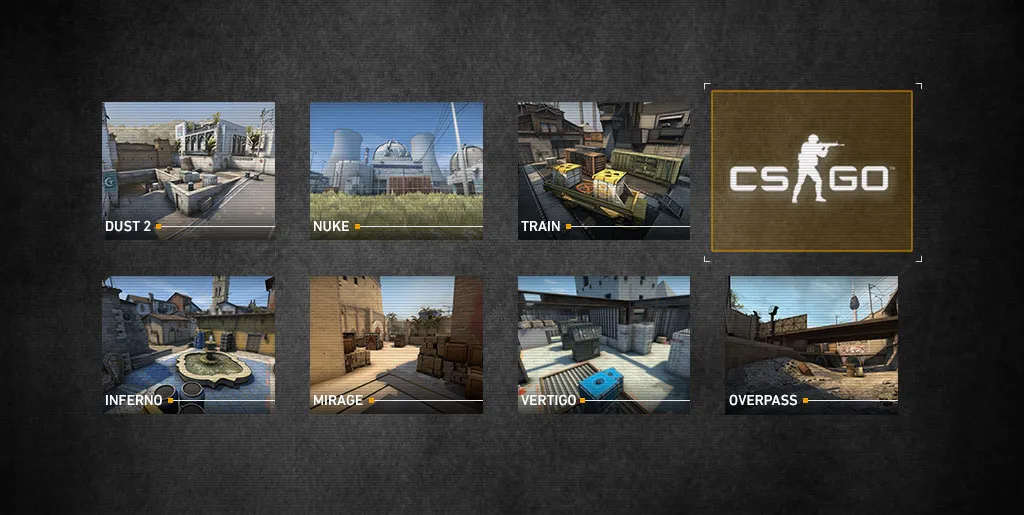
The map pool in Counter-Strike encompasses two categories: Active Duty and Reserve.
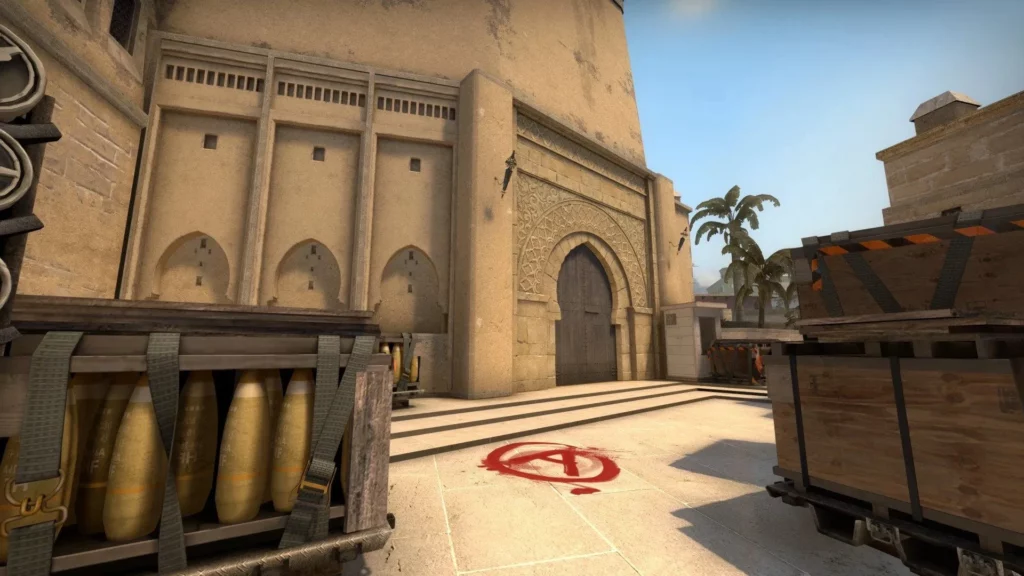
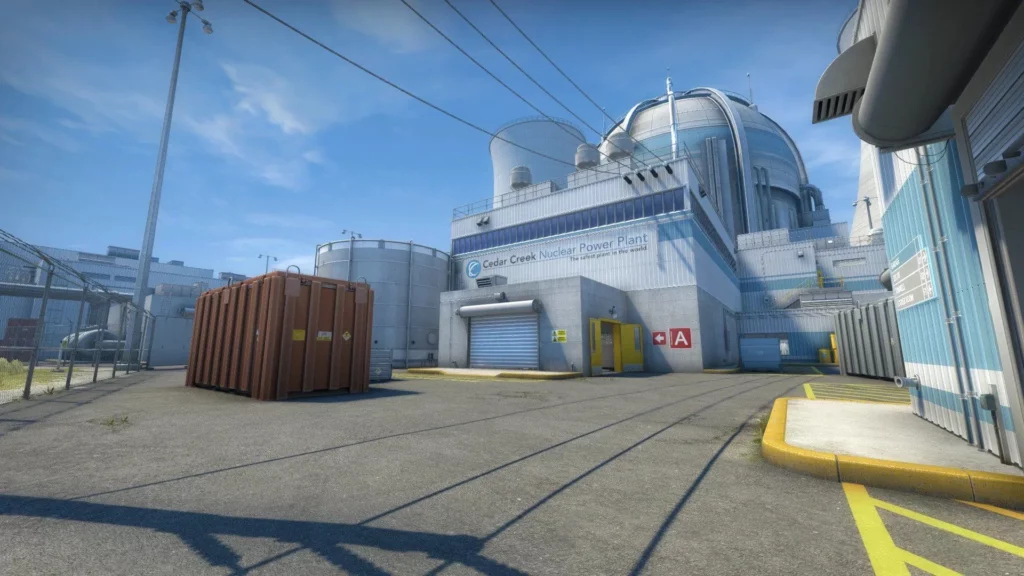
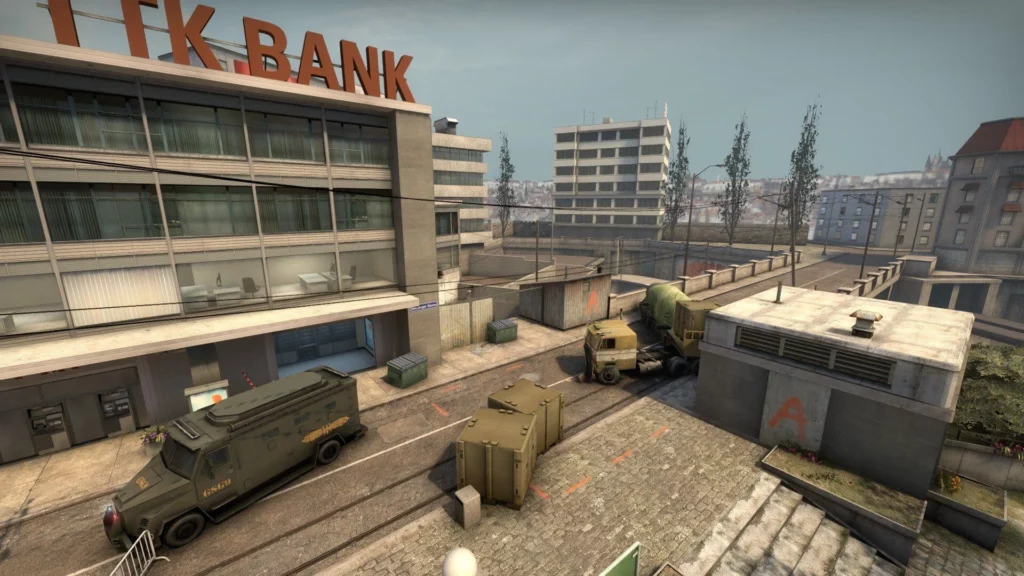
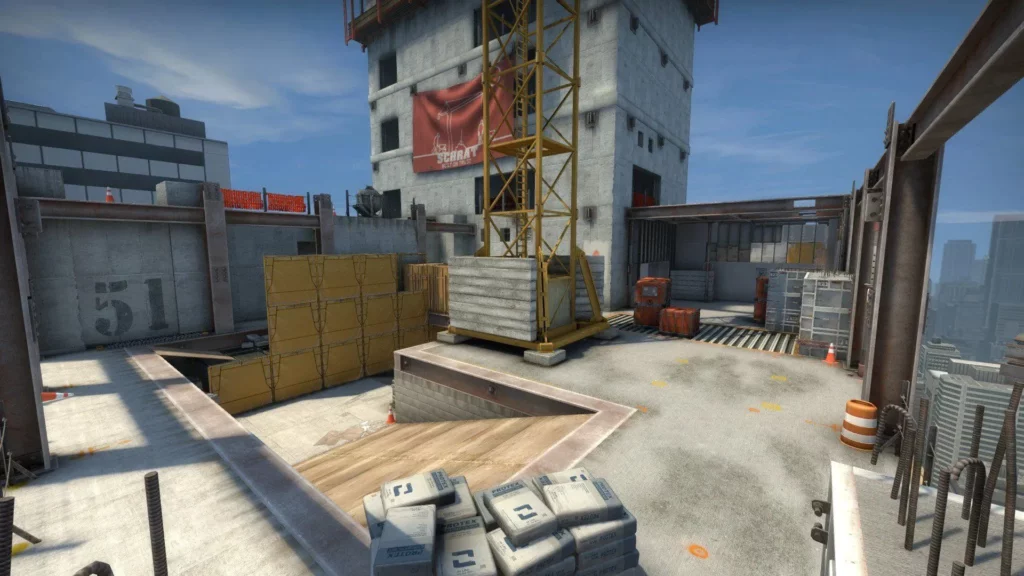
Active Duty maps are specifically chosen by Valve for professional CSGO tournaments. Over the years, the Active Duty pool has comprised a total of eleven maps, with only seven available at any given time. The recent change in late 2022 replaced Dust II with Anubis, resulting in the current Active Duty pool consisting of Ancient, Anubis, Inferno, Mirage, Nuke, Overpass, and Vertigo.
While the Active Duty map pool is primarily intended for professional play, it still influences the casual scene. Many high-level players intersect with professionals, and both groups prefer playing maps that are currently relevant in the esports scene. Consequently, changes in the Active Duty pool can signify significant shifts in the state of CSGO, as iconic maps like Cache and Cobblestone may lose popularity due to their removal from professional play.
Reserve maps are available for casual players in matchmaking but are not included in professional tournaments. These maps are typically former Active Duty maps that have been moved to the Reserve pool. Currently, the Reserve pool consists of Cache, Dust II, Train, and Tuscan.
To summarize, professional CSGO matches are exclusively played on Active Duty maps, while casual players have access to both Active Duty and Reserve maps. Now, let’s delve into the current Active Duty maps before briefly touching upon the reserves.
The Current Map Pool In CSGO:
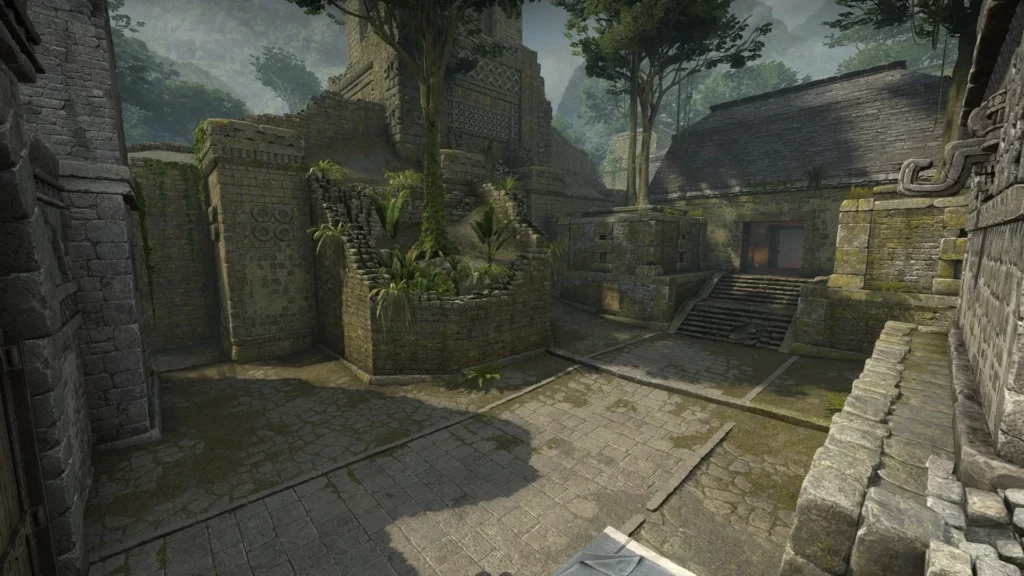
Ancient – The Latest Addition to Active Duty
Ancient, created by Valve and introduced during Operation Broken Fang in December 2020, is the second newest map to join the Active Duty pool. It replaced Train when the operation concluded in May 2021.
Following a recent update, Ancient now offers better balance compared to its previous version, which heavily favored the Counter-Terrorist side. The map’s dynamics now revolve around early control of Mid, as both sides arrive simultaneously due to adjusted timings. With small entry areas on the wings of the map for both bomb sites, Mid control becomes essential for successful splits and fast rotations.
Featuring a visually unique design, Ancient demands strong communication and teamwork from both sides to effectively secure territory and eliminate opponents.
Anubis – A Shifting Presence in Active Duty
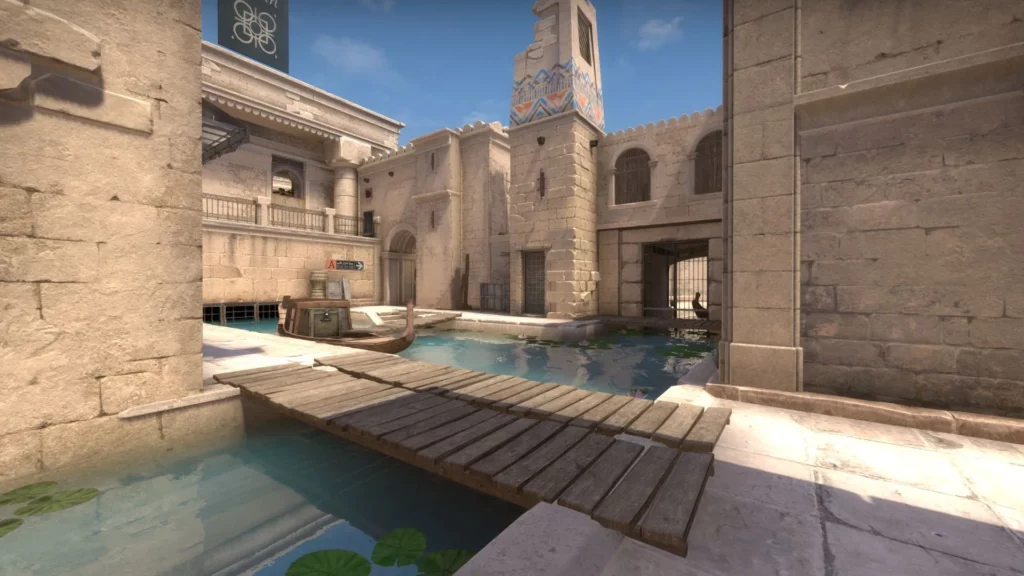
Anubis made its debut in March 2020 as part of Operation Shattered Web. Two years later, in August 2022, it joined the Reserve pool as a celebration of CSGO’s 10th anniversary. Shortly after, Anubis was added to the Active Duty pool, replacing Dust II.
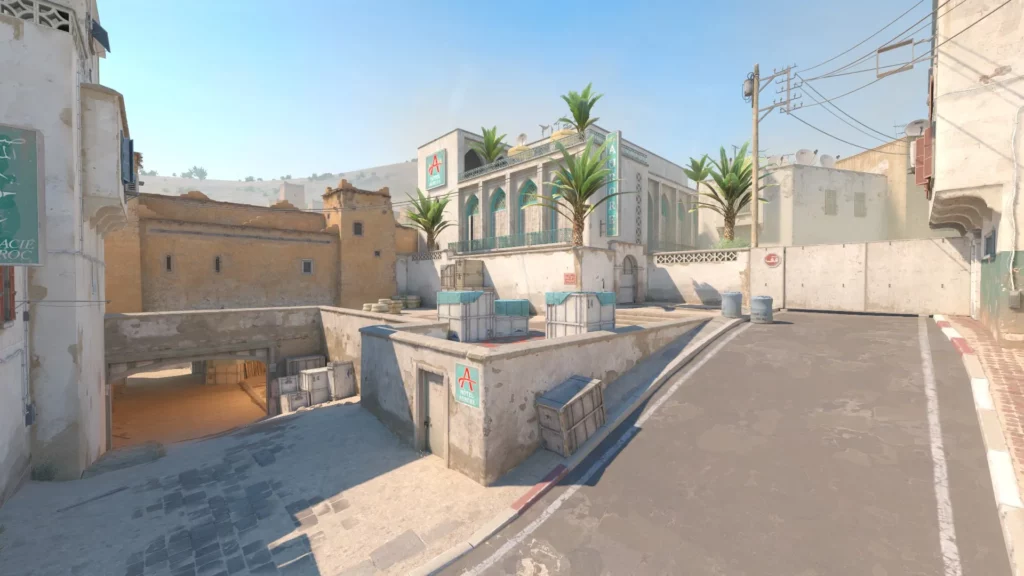
Unlike most maps, Anubis leans heavily towards the Terrorist side, limiting Counter-Terrorists to bomb sites early in the round. Terrorists gain control of most of the map, creating a challenging scenario for the defenders. Successful executes are vital, and while Counter-Terrorists can rotate through Mid, Terrorists can swiftly seize control and divide the map, making defense an arduous task.
Anubis boasts a distinct design with canals flowing throughout the map. Its T-sided nature sets it apart from the predominantly CT-sided maps seen in recent times.
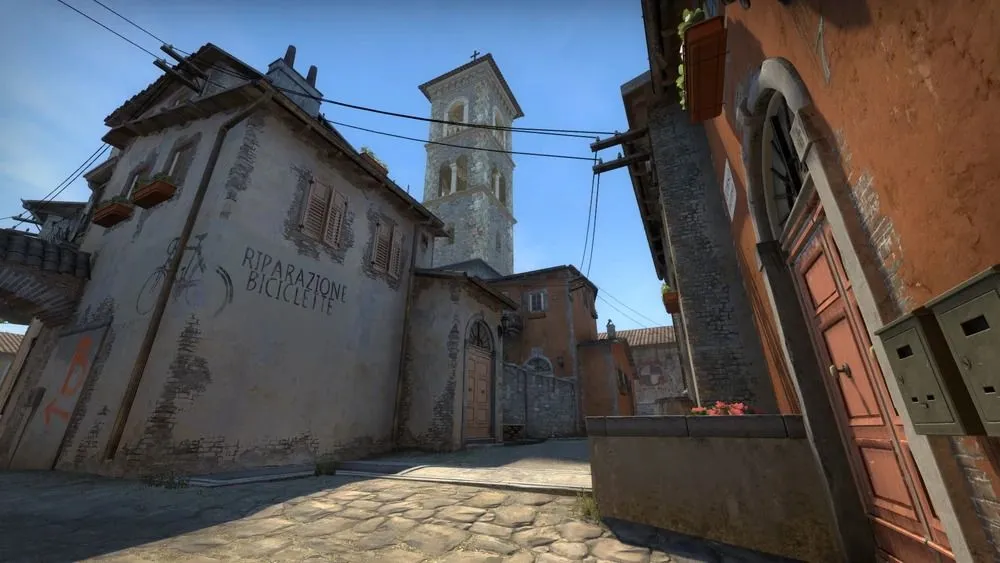
Inferno – A Beloved Classic
Inferno, carried over from CS 1.6 to CSGO, stands as one of the most beloved and iconic maps in Counter-Strike. While it was temporarily removed from the Active Duty pool in the past, it has never disappeared from the game entirely, consistently captivating players.
Inferno offers a well-balanced gameplay experience, with both Counter-Terrorists and Terrorists having ample opportunities for strategic maneuvers. The B entrance known as Banana plays a pivotal role in the early rounds, serving as the main access point to the B site apart from the CT-Spawn. The map encourages a blend of aggression and caution, but once a site is lost, retaking it becomes a formidable challenge, emphasizing the importance of economic awareness.
Renowned for its versatility and familiar design, Inferno remains a staple in both professional and casual scenes, attracting Counter-Strike enthusiasts with its timeless appeal.
Mirage – The Everlasting Favorite
Mirage holds the distinction of being the most popular map in Counter-Strike history. Since its inclusion in the Active Duty pool in June 2013, it has stood as an unwavering symbol of the game for over a decade.
While Mirage leans slightly towards the Counter-Terrorist side, it provides a flexible playing field for Terrorists as well. Every section of the map carries significance, and executing a well-planned default strategy is crucial for the success of the Terrorist team. Controlling different areas enables the team to gain an advantage, while Counter-Terrorists must remain vigilant, anticipating anything from swift assaults to methodical splits.
Mirage continues to be the go-to map for newcomers as well as seasoned veterans, captivating players with its unique gameplay and unchanging allure.
Nuke – A Legacy of Complexity
Debuting in Counter-Strike’s fourth beta version in 1999, Nuke claims the title of the franchise’s oldest defusal map. While it has undergone significant balance and visual improvements over the years, its core unconventional design has remained intact for over two decades.
Nuke stands as the most strategically intricate map in Counter-Strike. With its distinct dual-level structure, the bombsites sit above and below each other, offering a range of engagement distances, from long-range encounters outside to close-quarters battles deep within the B site. The map boasts swift rotations, where utility plays a crucial role. While heavily skewed towards the Counter-Terrorist side, Nuke provides more options for outmaneuvering opponents than any other map.
Having stood the test of time, Nuke’s rich history and strategic depth have molded it into the pinnacle of competition and strategy that it represents today. Despite its relatively small size, Nuke bursts with possibilities and challenges players to master its intricacies.
Overpass – A Valve Original
Introduced by Valve in the Winter Offensive update of December 2013, Overpass became the first new defusal map crafted specifically for CSGO. Over the years, it has received multiple layout updates, particularly on the A site, solidifying its status as a popular choice for casual play. Since its introduction almost a decade ago, Overpass has remained a constant presence in the Active Duty pool.
Overpass leans heavily towards the Counter-Terrorist side and stands as the largest map in Counter-Strike. While close-quarters engagements can occur, especially in the connector area, medium and long-range battles are common, requiring players to possess a strong understanding of common angles. Successful utility usage and well-coordinated teamwork are vital for both sides to achieve victory.
Although some players may find its CT-sided nature tiresome, the delicate balance between precise aim and strategic decision-making required to master Overpass has cemented its status as a favorite among casual and professional players alike.
Vertigo – From Forgotten to Divisive
Originally released alongside CS 1.1 in 2001, Vertigo faded into obscurity until it received a
major overhaul and was reintroduced to the Active Duty pool in March 2019, a staggering 18 years after its initial creation. It replaced Cache, sparking mixed reactions from the community. While subsequent changes have improved its reception, Vertigo remains a polarizing map among fans.
Regarded as one of the most balanced maps in the game, Vertigo features two levels that allow for audibly discerning fast rotations from the lower level, where Terrorists can swiftly transition between bomb sites. Gaining control of A Ramp becomes crucial, as it serves as the most hotly contested point on the map. Taking the B site consistently proves challenging, and coordinated use of smokes and molotovs often leads to chaotic confrontations. Information gathering plays a pivotal role in making rapid team decisions.
Although Vertigo may not enjoy the same level of adoration as other Counter-Strike maps, it offers a gratifying experience once players grasp its core principles of information management, strategic utility usage, and seamless rotations.
Cache, Dust II, Train, Tuscan – Hidden Gems in the Reserve Map Pool Of CSGO
The Reserve pool harbors a collection of classic and iconic Counter-Strike maps that, while not featured in professional play, still hold great appeal for casual players.
Cache stands as a prime example of a classic CSGO map. Initially introduced to the Active Duty pool in September 2013, it remained a fan-favorite for six years until its rework and subsequent removal to make way for Vertigo in 2019. Unfortunately, some players feel that the map lost its charm following the overhaul.
Dust II holds a legendary status in gaming history. With its revolutionary four-square design, it made waves upon its release in 2001. Despite minimal changes over the past 22 years, its extensive playtime has rendered it somewhat predictable and lacking novelty. Dust II was added to the Active Duty pool at the launch of CSGO, removed for a rework in 2017, and reintroduced in 2018. However, in November 2022, it was once again removed to make space for Anubis.
Train, another map originating from the original Counter-Strike, has hosted countless memorable matches over the years. Despite its CT-sided nature and emphasis on intricate executes, Train has stood the test of time. Initially included in the Active Duty pool at the launch of CSGO, it was temporarily removed and reworked in 2014 to accommodate the introduction of new maps. Train made a triumphant return to the Active Duty pool in 2015 but was ultimately replaced by Ancient in May 2021.
Tuscan has yet to make its proper transition to Global Offensive. However, with its introduction alongside Anubis to commemorate the game’s 10th anniversary, the potential for Tuscan to enter the Active Duty pool remains untapped. Players eagerly await the day when this revered map will receive the recognition it deserves.
Understanding the Significance of Maps in Counter-Strike
In Counter-Strike, the mechanics lay the foundation, but it is the maps that breathe life into the game. The ever-evolving map pool, with its carefully crafted environments and strategic nuances, keeps players engaged and enthralled. Each map undergoes years, sometimes decades, of refinement and development to become the immersive playgrounds they are today.
By familiarizing yourself with each map in the Active Duty and Reserve pools, you gain a deeper understanding of the game and equip yourself with the tools to excel. Counter-Strike is a game where knowledge reigns supreme, and the more you know about the intricacies of each map, the better positioned you are to succeed.
So, venture forth, gain the edge in your next game, and select a map to explore. Rest assured, there is no wrong choice. Immerse yourself in the captivating world of Counter-Strike, where every map tells a unique story and presents thrilling challenges for players of all skill levels.
Thank you for taking the time to read our article. To stay up-to-date with the best esports news website that caters to your individual preferences and comfort, we kindly recommend following TalkEsport on Google News & Twitter.
Immersing yourself in the intense world of Counter-Strike: Global Offensive requires not only skill but also an understanding of how to effectively utilize a wide range of CS:GO guns in various game situations. One aspect that goes beyond mere decoration and holds significance for dedicated players is the acquisition of skins.
CSGO Skins serve as a means to showcase your level of expertise and express your unique personality within the game. In this article, we will provide you with valuable information about the quality of CS:GO weapon skins.
Distinguishing Skins by Quality
To comprehend the concept of quality in CS:GO skins, let’s first delve into the terminology. CS:GO skins were introduced as cosmetic items in the Arms Deal Update for Counter-Strike: Global Offensive. These skins solely alter the visual appearance of in-game guns.
Since their introduction, both the community and Valve have produced an extensive collection of skins, catering to various tastes. As a result, the quality of skins is not solely determined by their visual appeal. Considering our diverse preferences, it becomes challenging to establish definitive criteria based on personal opinions alone.
Determining the Quality of CS:GO Skins Several factors contribute to the overall quality of CS:GO skins, including:
Rarity: The most coveted skins are incredibly difficult to obtain.
StatTrak Feature: Skins equipped with StatTrak technology track certain in-game statistics, adding a distinctive element.
Condition: Skins can be categorized as either worn out or new.
Souvenir Status: Some skins can only be acquired by watching official esports tournaments, making them highly sought after.
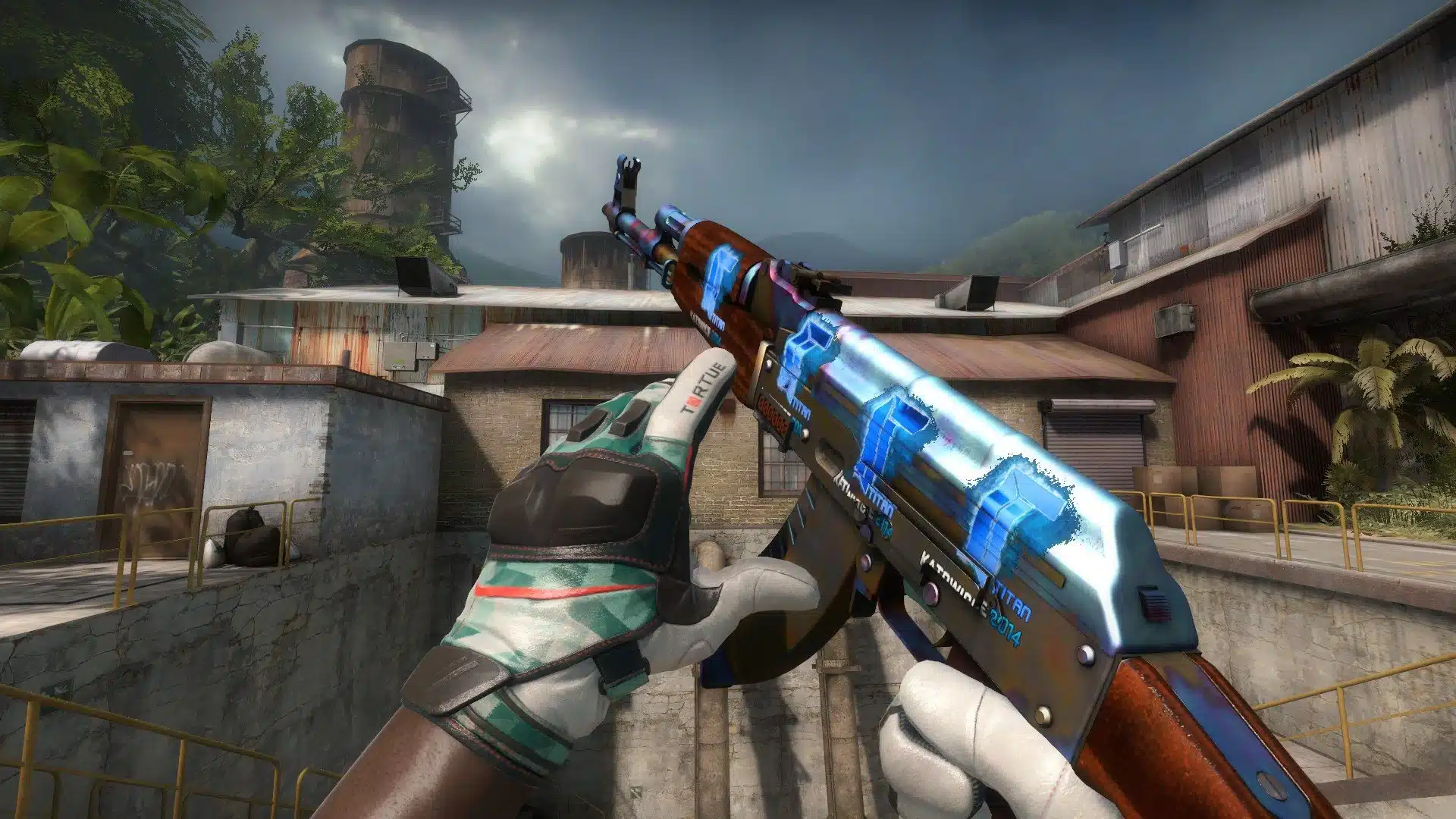
Stickers: Skins adorned with stickers hold unique value, and the type of stickers present influences their desirability.
Contraband: Certain skins fall under the contraband category due to their limited availability, often fetching a high price in the marketplace.
Prestigious skins with superior quality not only come with a higher price tag but also garner attention from both teammates and opponents.
Exploring Skin Quality in Detail
In this article, we will examine each aspect mentioned above in greater detail. However, let’s begin by addressing a fundamental question.
CS:GO Skin Quality Chart
The rarity of skins is the most apparent indicator of their quality. Valve’s release of a limited number of skins directly correlates with their rarity and value.
The rarest skins in CS:GO include knives and items like the AWP Dragon Lore, which are nearly impossible to obtain. However, the odds of acquiring other skins from CS:GO cases are relatively more promising.
To determine the rarity of a specific skin, observe the color marker associated with it. The following chart illustrates the gradation of rarity, ranging from common to the rarest:
Common: Consumer Grade, Base Grade
Uncommon: Industrial Grade
Rare: Mil-Spec, High Grade
Mythical: Restricted, Remarkable
Legendary: Classified, Exotic
Ancient: Covert, Extraordinary
Exceedingly Rare: Rare Special, Gloves, Knives
Immortal: Contraband
CS:GO Souvenirs
Certain skins can exclusively be obtained by watching major official esports tournaments. These items hold significant value as they cannot be acquired through cases or random drops.
Souvenir skins are accompanied by special stickers and are packaged individually, containing only one skin.
CS:GO Stickers:
Types and Acquisition CS:GO stickers are available in various types, each with its own characteristics:
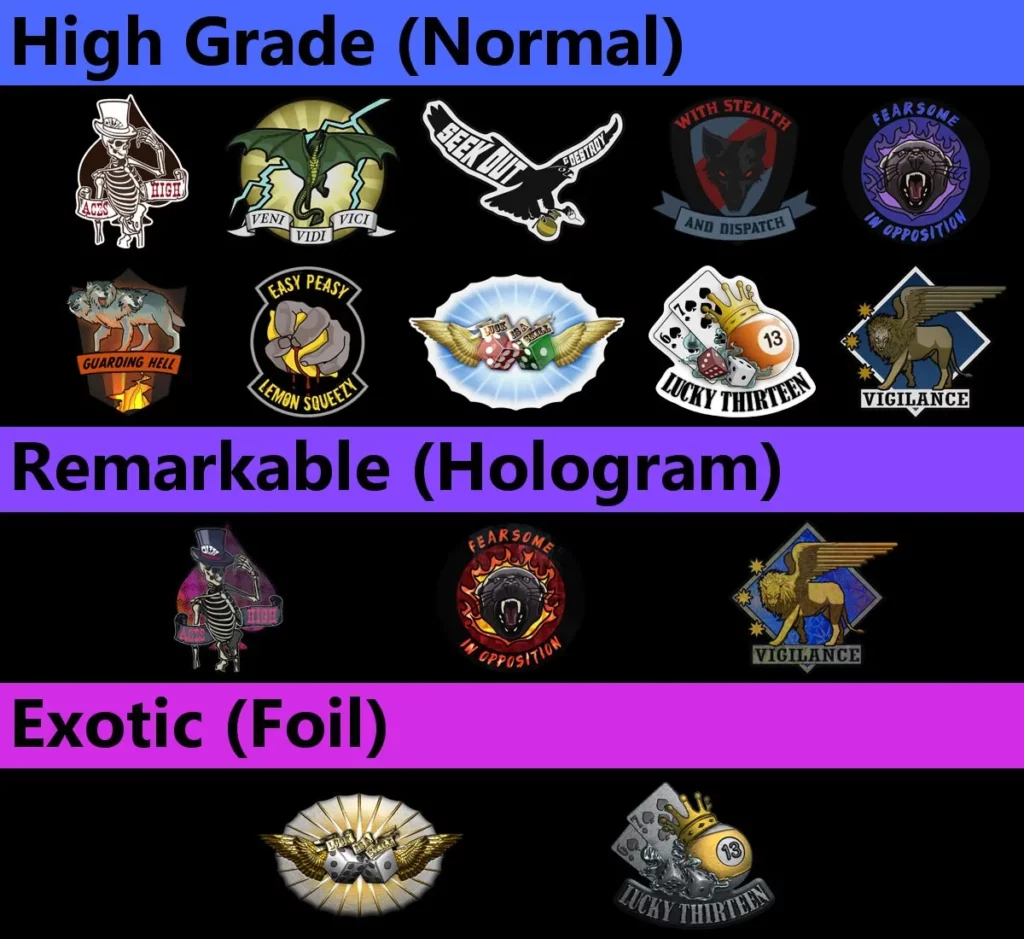
High-Grade (Normal): These are standard stickers that provide a basic visual enhancement to the weapon.
Remarkable (Hologram): Remarkable stickers incorporate holographic effects, adding an extra layer of sophistication.
Exotic (Foil): Foil stickers exude a shiny and reflective appearance, making them highly sought after by collectors.
Extraordinary (Foil, souvenirs): Extraordinary stickers, often found on souvenir skins, possess both the foil and souvenir characteristics, elevating their desirability.
Contraband: Contraband stickers are discontinued items that are exceptionally rare and valuable.
You can purchase individual stickers or obtain them from sticker capsules, similar to CS:GO weapon cases. It’s worth noting that stickers have wear levels, meaning they can be scraped off, but this process is irreversible.
Unveiling the Rarity of Contraband Items
Occasionally, CS:GO developers remove certain skins from cases and random drops, rendering them exclusively available on external marketplaces. These coveted items are known as Contraband items.
Contraband skins are exceptionally rare and hold significant value among collectors and enthusiasts.
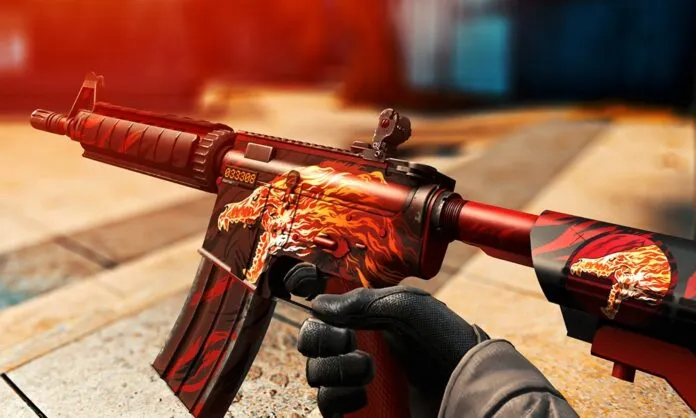
These situations arise when artwork that violates copyright or plagiarism concerns appears on a skin. Notable examples include the M4A4 | Howl skin and the Howling Dawn sticker, which were discontinued following a plagiarism accusation.
Some players strive to create collections of items featuring the same pattern, such as the Asiimov Skins available for AK-47, P90, AWP, M4A4, and P250. For some, obtaining another item in such a series holds greater importance than adhering to predefined quality standards.
Quality in CS:GO skins encompasses various aspects, but ultimately, personal preference plays a crucial role in determining what constitutes a high-quality skin.
Thank you for taking the time to read our article. To stay up-to-date with the best esports news website that caters to your individual preferences and comfort, we kindly recommend following TalkEsport on Google News & Twitter.