

Tuesday, February 3, 2026
Home Blog Page 27

After the RMG Ban, Esports Could Define India’s Gaming Future in 2026

0

In 2025 Indian gaming underwent one of the most disruptive regulatory shake-ups in its history. Lawmakers passed the Promotion and Regulation of Online Gaming Act, 2025 (PROGA), effectively outlawing real-money gaming (RMG) formats nationwide and triggering a massive industry reset. This drastic policy move dismantled a sector once projected to be worth billions of dollars, forcing companies, players and investors to ask a fundamental question, What comes next for Indian gaming?

Emerging at the other end of this upheaval is esports, increasingly viewed not just as a substitute for RMG’s economic activity but as a future growth driver with strong structural advantages. As India enters 2026, the esports ecosystem is poised to seize an opportunity that extends far beyond tournament crowds and celebrity streamers — it could underpin a vibrant segment of the digital economy if navigated with clarity and strategic investments.

The RMG Ban: A Watershed Moment

Real-money gaming in India had been a booming segment up until 2025. Platforms that paired skill games with monetary stakes commanded vast user bases, generated significant tax revenues, and attracted global venture capital. Analysts estimated the Indian RMG industry contributed a large share of the nation’s $3.2-$3.8 billion online gaming market by FY24, with some reports suggesting RMG comprised upwards of 80 % of that value pool.

Then, in mid-2025, Parliament passed PROGA that banned all online games played with any form of financial stakes or deposits, disallowed their payment flows and prohibited related advertisements out of concerns ranging from addiction risk to economic harm.

Industry reaction was swift and severe. Major players such as Dream11, MPL, WinZO, PokerBaazi and others either shuttered their RMG offerings or pivoted to free-to-play models, halting the revenue engines that had sustained heavy investment and workforce growth. Reuters reported that prominent platforms paused or pulled RMG services entirely after the law’s enactment.

Consequences extended deep into employment and finance. Layoffs, cost restructuring and writedowns of hundreds of millions of dollars weighed on an ecosystem that relied heavily on the RMG model. By some estimates, hundreds of thousands of jobs were affected as startups struggled to redraw their business models.

The ban also spurred legal pushback and uncertainty. As of late 2025, litigation challenging the constitutional validity of the law was pending before the Supreme Court, with hearings postponed to early 2026 — leaving firms in limbo and capital cautious about long-term commitments.

Regulatory Clarity Brings Opportunity for Esports

One paradoxical outcome of PROGA’s tight restrictions was the formal recognition of esports as a legitimate competitive sport under Indian law, thus offering a regulatory foothold that had previously been informal or fragmented.

Unlike RMG, competitive gaming does not involve monetary stakes for players’ direct earnings and is widely understood as a combination of skill, entertainment and performance sport. This distinction allows esports to operate under the same policy umbrella that prohibits gambling while still being sanctioned for official competition, professionalisation and even potential government support.

India’s young population — one of the world’s largest cohorts of digital natives — represents a demographic foundation that is uniquely suited for this shift. With approximately hundreds of millions of gamers engaging across platforms and genres, the audience base for esports and casual gaming far surpasses the size needed to support vibrant competitive ecosystems.

Esports’ Structural Strengths in the Post-RMG Era

Several intrinsic features position esports as a potential growth engine in India’s post-RMG landscape. Unlike RMG where users risked real money, esports is built around competition, skill and spectator engagement. This removes regulatory friction tied to financial stakes, making it easier for brands, sponsors and platforms to participate and invest.

Revenue for esports hinges on sponsorship, streaming, media rights, merchandise and events, all of which can be monetised without contravening gaming laws. Global esports markets have already validated these models, which Indian organisations can adapt with culturally relevant content.

Esports can offer structured careers for players, coaches, analysts and support personnel. As domestic tournaments gain legitimacy and audience share, ecosystems supporting youth development, collegiate leagues and grassroots competition are likely to expand. Recent sponsorships and partnerships underscore this momentum. For example, major global tech brands are partnering with collegiate esports initiatives in India, signalling corporate confidence.

India’s creator economy remains robust. Streamers and competitive stars generate substantial engagement across platforms like YouTube and Twitch. This content layer not only fuels viewership but also drives brand deals and community growth that operate independently of RMG-style revenue.

Challenges Ahead: Monetization and Investment

Despite the promise, esports in India must navigate several critical headwinds.

Monetisation Models Must Mature

The absence of direct financial competition payouts, previously embedded in RMG, means organisations must innovate alternative monetisation that resonates with Indian audiences. In-game purchases, franchised leagues, local brand sponsorship and international participation all offer revenue avenues, but require cohesive strategy and capital commitment.

Investor Confidence Hinges on Regulatory Predictability

The RMG ban has dented investor confidence in the sector. Regulatory unpredictability makes capital allocation cautious, and the delayed Supreme Court reviews amplify that uncertainty. A clearly articulated long-term policy framework for esports, digital talent and export ambitions is essential to attract not just domestic funding but global capital.

Balancing Growth with Grassroots Development

Scalability for esports requires balancing high-profile league growth with community-level investment. Training facilities, coaching ecosystems and structured pathways for up-and-coming talent will define India’s competitive footprint internationally.

Consumer Behaviour Must Shift

A key question is how many users will transition from RMG-focused play to purely competitive and spectator gaming. Early signs suggest that a significant segment remains engaged in gameplay, but converting passive gamers into esports fans, paying subscribers and event attendees requires thoughtful community building.

Strategic Imperatives for 2026

To realise esports’ potential as a gaming engine, stakeholders, from policymakers to brands, investors to talent, must align on several strategic fronts:

Incentivise Domestic Competition and Infrastructure

National and regional esports leagues should be supported with transparent guidelines, prize structures, and partnerships with educational institutions to foster participation.

Capitalize on Population Scale and Digital Engagement

India’s mobile-first gamer base is fertile ground for esports formats that integrate casual play with competitive elements. Robust mobile esports titles and localised content can catalyse rapid audience growth.

Leverage India’s Tech and Creative Talent

Beyond players, esports generates opportunities in broadcast production, event management, narrative storytelling and game development. Indian tech talent can help build tools and platforms that serve global markets.

Build International Bridges

Indian esports organisations should pursue international tournament play and partnerships to elevate brand visibility and market credibility.

Emerging New Chapter for Indian Gaming

The RMG ban was a defining moment that effectively decoupled a major revenue segment from India’s gaming industry. While the short-term economic pain was significant, it forced a reckoning about sustainable models of digital entertainment and consumer engagement.

Esports stands out as the leading candidate to absorb this shock and chart a new course for growth in 2026. With regulatory recognition, demographic tailwinds, emerging monetisation strategies and a maturing ecosystem, esports is well-positioned to become a cornerstone of India’s digital economy if stakeholders embrace long-term strategy over short-term fixes.

Whether India can transform regulatory disruption into competitive advantage remains to be seen, but the structural ingredients for a thriving esports ecosystem are now more visible than ever. If realised, this could redefine India’s standing in the global gaming landscape over the next decade.

PUBG Lite Download Latest Version 0.28.0 Available? Check Here

PUBG Mobile Lite remains one of the most popular battle royale games for players using low- to mid-end smartphones. Even after long gaps between updates, the game continues to attract a large audience because of its smooth performance and low storage requirements. Recently, many players have been actively searching for PUBG Lite download latest version 0.28.0 to know when the next major update will arrive. Below is a complete and updated guide covering the expected release date, update details, and download methods for the PUBG Mobile Lite 0.28.0 update.

PUBG Lite Download Latest Version 0.28.0: Expected Release Date

At the moment, there is no official announcement from the developers regarding the release date of the PUBG Lite 0.28.0 Update. The last major update for PUBG Mobile Lite was released on January 17, 2024, and since then, no new version has been pushed to players.

PUBG Mobile Lite updates usually take longer because the developers focus on heavy optimization for low-end devices. Since a long time has passed since the previous update, many players expect the PUBG Mobile Lite 0.28.0 update to be released in the second half of 2025 (H2 2025). However, this timeline is based on past update patterns and is not officially confirmed.

What to Expect From PUBG Lite 0.28.0 Update

While official patch notes are still unavailable, the new update is expected to bring several technical improvements rather than major new content. Possible changes include improved performance on low-RAM devices, bug fixes and stability enhancements, optimized server performance, security and anti-cheat updates, and minor gameplay balance adjustments. Large additions, such as new maps or modes, are unlikely, as PUBG Mobile Lite primarily focuses on smooth gameplay.

Read More: Valorant Mobile India Release: Publisher Change Could Be a Key Factor

PUBG Lite 0.28.0 Update Download: Official Methods

Once released, players looking for the PUBG Lite 0.28.0 Update Download will be able to update the game through official app stores or via trusted APK sources.

How to Download PUBG Mobile Lite on Android

  • Open the Google Play Store on your Android device.
  • Search for PUBG Mobile Lite.
  • Tap Install or Update if the new version is available.
  • Wait for the download to finish.
  • Launch the game and complete any in-game updates.

How to Download PUBG Mobile Lite on iOS

PUBG Mobile Lite has limited support on iOS and may not be available in all regions.

  • Open the App Store on your iPhone.
  • Search for PUBG Mobile Lite.
  • Tap Download if the game appears.
  • Install and launch the game.
  • Download via APK

Players searching for download latest version 0.28.0 can also use the APK method once the update is officially released.

APK Installation Steps:

  • Visit the official PUBG Mobile Lite website or a trusted APK platform.
  • Download the APK file.
  • Enable Install from Unknown Sources from your phone’s settings.
  • Open the downloaded APK file and install it.
  • Launch the game and allow additional updates to complete.

About PUBG Mobile Lite

PUBG Mobile Lite is a lightweight version of PUBG Mobile, designed specifically for smartphones with limited hardware. The game features smaller maps, fewer players per match, optimized graphics, and lower storage requirements while still offering the classic battle royale experience.

Interest in PUBG Lite download latest version 0.28.0 continues to rise, but players should remain patient until an official announcement is made. The new update is expected to focus on performance, stability, and security improvements. Until then, it is recommended to rely only on official sources for the download and avoid unofficial files that could risk account safety

Valorant Mobile India Release: Publisher Change Could Be a Key Factor

Valorant Mobile is one of the most anticipated mobile games globally, and after its progress in China, fans are now waiting for its global rollout. However, Indian players are concerned about whether the game will officially launch in India. The main reason behind this worry is the game’s Chinese connection through its current publishing setup. Despite these concerns, recent reports suggest that Riot Games is exploring multiple options to bring Valorant Mobile to India, possibly by making key changes similar to what has worked for other games in the past.

Why Indian Players Are Worried About Valorant Mobile

Valorant Mobile is being handled in China by LIGHTSPEED Studios, which is a subsidiary of Tencent. In the past, the Indian government banned several popular mobile games due to Chinese involvement, including PUBG Mobile, Free Fire, and Mobile Legends Bang Bang.

Because of this history, many Indian gamers believe Valorant Mobile could face the same problem during its India launch. Games with direct or indirect Chinese links often struggle to get approval in the country.

Unlike many publishers, Riot Games already has an official presence in India. The company runs Valorant PC esports in the country and operates with a dedicated Indian team. This gives Riot a strong advantage, as it is already a trusted name in the Indian esports ecosystem.

This existing relationship with Indian authorities could help Riot smoothen the approval process for Valorant Mobile, provided it meets all compliance requirements.

Read More: How to Uninstall Riot Client Completely: Check all Steps

Possible Publisher Change for Valorant Mobile India Release

According to reports, Riot Games is considering changing the publisher only for the Indian version of Valorant Mobile. This approach has worked in the past, where games were relaunched in India under a compliant structure without direct Chinese involvement.

If Riot follows this route, the highly anticipated game could be released in India with a separate app version, managed by a local or non-Chinese publishing partner.

Local Servers and Data Security Could Be Key

One of the most important factors for approval in India today is data localization. Player data must be stored on servers located within India, and the data flow must remain transparent.

For Valorant Mobile to launch successfully, Riot would likely need to set up Indian servers and clearly ensure that Indian user data is not shared outside the country. Data privacy and security are now major decision points for mobile game approvals.

Is Valorant Mobile Launching in India?

While Riot Games has not made any official announcement yet, current reports and industry trends suggest that Valorant Mobile’s India launch is possible, but only if Riot follows a compliant approach. By changing the publisher for India, setting up local servers, ensuring data localization, and keeping Chinese involvement out of the Indian version, Riot could clear the major hurdles that have blocked similar games in the past. For now, Indian fans will have to wait for an official confirmation from Riot Games.

LG Introduces UltraGear evo, Bringing AI Upscaling to Next-Gen Gaming Monitors

0

LG has officially announced a new lineup of high-end gaming monitors under the UltraGear evo brand, showcasing what the company describes as industry-leading display technology ahead of CES 2026. The range pushes not only resolution and refresh rates but also introduces dedicated AI upscaling and enhancement features directly embedded into the displays themselves.

The UltraGear evo series reflects how display manufacturers are integrating artificial intelligence into hardware to enhance visual performance — a trend expected to influence the next wave of gaming setups in the US, UK and Europe.

A New Generation of UltraGear: Three Flagship Models

LG’s UltraGear evo family initially consists of three flagship monitors, each designed to deliver high-resolution visuals and competitive performance:

39GX950B – 39-Inch 5K2K OLED (Tandem OLED):

This model is positioned as a premium ultrawide gaming display, featuring a 5K2K resolution (roughly equivalent to 5120×2160) on a 1500R curved OLED panel. It supports high refresh rates up to 165Hz at native 5K2K, with a dual-mode option that increases refresh to 330Hz at reduced resolution for fast-paced action. LG says its Tandem OLED panel offers strong brightness, precisely controlled contrast and deep blacks suitable for both cinematic and competitive gaming.

27GM950B – 27-Inch 5K MiniLED:

The 27-inch model aims to solve a common weakness of traditional high-resolution LCDs — blooming and halo effects. By incorporating 2,304 local dimming zones and Zero Optical Distance engineering, LG claims this MiniLED panel dramatically improves contrast and brightness control while maintaining sharp 5K clarity. Dual refresh modes and AI upscaling are also part of its feature set.

52G930B – 52-Inch Curved 5K2K Gaming Display:

Rounding out the lineup is a massive 52-inch 5K2K monitor with a panoramic 12:9 aspect ratio and a 240Hz refresh rate. Designed for both immersive gaming and large-format productivity, its size and curved design aim to envelop the user’s field of view, while HDR support and high refresh ensure responsiveness in fast games.

Prices and availability details have not yet been announced, but all three evo models are confirmed to make their public debut at CES 2026 in Las Vegas, Nevada in early January.

What Makes UltraGear evo Different: AI Upscaling and On-Device Enhancements

The standout feature of the UltraGear evo line is the introduction of on-device AI upscaling technology, which is a first for gaming monitors at native 5K resolution. Instead of relying on GPU-based or driver-level upscaling, LG’s approach uses dedicated processing within the display to analyze and enhance images in real time.

This has several potential benefits:

  • Sharper visuals without extra GPU load: Games or video content rendered at lower resolutions can be upscaled to near-5K clarity, reducing the performance hit typically associated with software upscalers.
  • AI-driven scene optimisation: Displays can adjust contrast, detail and colour dynamically based on what’s on screen, a useful capability for both competitive gaming and cinematic experiences.
  • Enhanced audio support: Some models also use AI sound features, which adapt audio output for cleaner voice clarity and environmental effects.

This built-in intelligence is significant because it turns the monitor into an active component of the display pipeline, rather than a passive output device. For gamers in the US and UK especially, where high-resolution competitive and immersive gaming are both strong trends, this could shift expectations for what premium monitors should offer.

Gaming and Competitive Impact

From a performance and esports perspective, the UltraGear evo family is tailored to both competitive play and content creation:

  • High refresh rates at varied resolutions mean players can prioritise responsiveness when needed, such as dropping to 330Hz at lower resolutions for FPS titles.
  • AI upscaling can make strategy games or RPGs appear more detailed without taxing GPUs on ultra-demanding settings.
  • Massive displays like the 52-inch evo model open up new possibilities for streamers and broadcasters, where screen real estate is as critical as motion clarity.

These features could have practical appeal for gaming setups that bridge both competitive play and content production, a growing market segment in North America and Europe.

How Competitors Are Responding

LG’s announcement arrives at a time when other display makers are also pushing the boundaries:

  • Samsung recently unveiled gaming displays with over 1,000Hz refresh rates and 3D viewing technologies at CES previews, showing that high-end monitors are rapidly diversifying.
  • OLED and MiniLED technologies continue to proliferate across premium segments, intensifying competition between panel makers.

LG’s evo series stakes a claim not just through resolution and refresh, but by embedding AI directly into the monitor experience. Whether this approach becomes a must-have feature in future generations of gaming hardware remains to be seen, but it sets a new benchmark for what premium monitors might achieve beyond traditional specification wars.

Looking Ahead

As CES 2026 approaches, LG’s UltraGear evo series will be among the most watched announcements for PC and console gamers alike. With AI upscaling built into the hardware itself, 5K resolution at competitive refresh rates, and a range spanning ultrawide, traditional, and large-format displays, LG appears ready to redefine expectations for gaming visuals in the year ahead.

CES demonstrations and hands-on reviews in January will clarify real-world performance and how these monitors handle the demands of modern gaming. For enthusiasts in the US and UK markets — where both competitive and immersive gaming experiences continue to grow — the UltraGear evo lineup may represent the next step in display evolution.

Copy Vitality’s Winning Meta: mezii, ZywOo and apEX CS2 Settings for Ranked Grinds in 2026

Team Vitality’s dominance at StarLadder Budapest has done more than secure back-to-back CS2 Major titles. It has reshaped how competitive players approach their setups. Across FACEIT, Premier, and high-ELO matchmaking in the US and UK, players are rebuilding their configs to mirror the precision, clarity, and consistency shown by Team Vitality.

While raw skill cannot be copied, optimal settings can reduce friction, improve visibility, and create a more predictable competitive environment. Here is a deep breakdown of how mezii, ZywOo, and apEX configure Counter-Strike 2, and why their setups work so well for serious ranked play heading into 2026.

mezii CS2 Settings: Precision Rifling Built for Control

As Vitality’s grand final MVP, mezii delivered one of the cleanest rifling performances seen in CS2 so far. His setup prioritises visual clarity and stable mouse control, especially in stretched resolutions that exaggerate enemy models.

Mouse & Sensitivity

  • DPI: 400
  • Sensitivity: 2.2
  • eDPI: 880

This range strikes a balance between micro-adjustments for rifle sprays and fast crosshair placement during close-range duels, making it ideal for aggressive CT anchoring and entry support roles.

Resolution & Display

  • Resolution: 1280×1024
  • Aspect Ratio: 5:4 Stretched
  • Display Mode: Fullscreen
  • Brightness: 100%

The 5:4 stretched format enlarges character models horizontally, improving target acquisition in fast peeks common in US and UK FACEIT servers.

Video & Graphics Settings

SettingValue
Boost Player ContrastEnabled
V-SyncDisabled
NVIDIA Reflex Low LatencyDisabled
MSAA
Global Shadow QualityHigh
Model / Texture DetailMedium
Texture FilteringAnisotropic 8×
Shader DetailLow
Particle DetailLow
Ambient OcclusionDisabled
Max FPSUnlimited

This configuration keeps shadows readable for information gathering while cutting visual noise elsewhere to maintain stable frame pacing.

Gear & PC Setup

  • GPU: RTX 4090-class
  • CPU: Intel i9 / Ryzen 9 tier
  • RAM: 32GB
  • Monitor: ZOWIE XL2546K (240Hz)
  • Mouse: Logitech G Pro X Superlight

ZywOo CS2 Settings: AWP Dominance Through Stability

ZywOo remains Counter-Strike’s gold standard for AWP consistency. His CS2 settings emphasise smooth tracking, minimal input latency, and maximum visual reliability during long-range engagements.

Mouse & Sensitivity

  • DPI: 400
  • Sensitivity: 2.0
  • eDPI: 800

This slightly lower sensitivity compared to riflers allows finer control on scoped flicks without sacrificing responsiveness.

Resolution & Display

  • Resolution: 1280×960
  • Aspect Ratio: 4:3 Stretched

This is a classic AWP resolution, offering an optimal balance between visibility and peripheral awareness.

Video & Graphics Settings

SettingValue
NVIDIA Reflex Low LatencyEnabled
MSAA
Global Shadow QualityHigh
Dynamic ShadowsAll
Texture FilteringAnisotropic 16×
Shader DetailLow
Ambient OcclusionDisabled
Max FPSUnlimited

Dynamic shadows are particularly important for AWPers, as they provide early positional cues when holding angles on maps like Mirage and Inferno.

Monitor & NVIDIA Tweaks

  • Monitor: ZOWIE XL2546K
    • Black eQ: 12
    • Color Vibrance: 20
  • NVIDIA Control Panel:
    • Power Management: Prefer Maximum Performance
    • Low Latency Mode: Ultra
    • Shader Cache: On

Hardware

  • GPU: RTX 40-series
  • RAM: 32GB
  • Storage: NVMe SSD
  • Mouse: Pulsar Xlite V3

apEX CS2 Settings: Clarity for Calling and Utility Control

As Vitality’s in-game leader, apEX prioritises readability over aesthetics. His settings are built to maximise information intake during executes, rotations, and late-round decision making.

Mouse & Sensitivity

  • DPI: 400
  • Sensitivity: 2.5
  • eDPI: 1000

A higher sensitivity supports rapid camera movement while juggling utility usage and positional awareness.

Resolution & Display

  • Resolution: 1024×768
  • Aspect Ratio: 4:3 Stretched

This low resolution improves frame consistency and enlarges HUD elements, helping with quick reads during chaotic rounds.

Video & Graphics Settings

SettingValue
Boost Player ContrastDisabled
NVIDIA Reflex Low LatencyEnabled
MSAA
Global Shadow QualityHigh
Model / Texture DetailLow
Texture FilteringAnisotropic 16×
Shader DetailLow
Particle DetailLow
Ambient OcclusionMedium

Monitor Configuration

  • Monitor: ZOWIE XL2546K
    • Brightness: 100
    • Black eQ: 15
    • Color Vibrance: 14
    • DyAc: Premium

PC Build

  • GPU: RTX 4090-class
  • CPU: High-clock Intel / AMD flagship
  • RAM: 32GB DDR5
  • Keyboard: Mechanical, low-latency switches

Why Vitality’s Settings Work for US and UK Ranked Play

Vitality’s setups share three common principles that translate well to competitive matchmaking:

  1. Stretched resolutions to improve enemy visibility in fast peeks.
  2. High FPS prioritization over visual fidelity to maintain consistent aim.
  3. Minimal visual clutter, ensuring utility, shadows, and movement cues stand out.

For US and UK players grinding Premier or FACEIT in 2026, these configurations reduce unpredictability and help replicate a LAN-like environment online.

Vitality’s success is not built on settings alone, but their approach to optimisation reflects a deeper competitive philosophy. Every visual and hardware choice serves a purpose, whether it is rifling precision, AWP stability, or information clarity for leadership.

If you are serious about climbing ranks in CS2, copying these settings will not make you ZywOo or mezii overnight. What they will do is remove unnecessary friction, letting mechanics and decision-making take centre stage, exactly where elite Counter-Strike is decided.

When Is Deadpool Coming to Marvel Rivals

Deadpool reigns in the hearts of Marvel fans, and his absence in Marvel Rivals was duly noted, prompting fans to wonder when the immortal swordsman would come to the game, and it looks like the wait is finally over. NetEase, the developers of Marvel Rivals, dropped the big news during the Game Awards 2025, and read on to find out what they had to say.

Deadpool is a character boasting some of the craziest abilities in the Marvel Universe, from being almost unkillable to being a skilled swordsman with two katanas. It is his eccentric character and morally questionable decision-making that have earned him a massive fanbase. With a plethora of abilities and weapons to bring along with him, it will be interesting to see how the developers integrate such a polarising character.

Deadpool’s Official Release Date

Marvel Rivals Season 6 is titled “Night at the Museum” and is scheduled to kick off on 16th January 2025. During the Game Awards 2025, the developer confirmed that Deadpool will be released in Marvel Rivals with the commencement of Season 6.

NetEase did not put its foot off the gas after the initial hype died down and has built on its early success by releasing new characters and content with a new season, making sure there is always something new for the players to look forward to when the seasonal updates come in.

Wade Wilson’s arrival in Marvel Rivals is only a matter of time, and while many see him as just another hero to master, fans of Marvel Comics or the Marvel Cinematic Universe know the importance of the character. With a little more than two weeks left, Marvel Rivals is likely to experience peak active-player count like the early days of the game, and all thanks to the “Merc with a Mouth.”

Vitality’s Back-to-Back CS2 Major Triumph at StarLadder Budapest Is Reshaping Counter-Strike’s Global Narrative

Team Vitality are no longer just winning Counter-Strike Majors. They are redefining how dominance looks in the Counter-Strike 2 era.

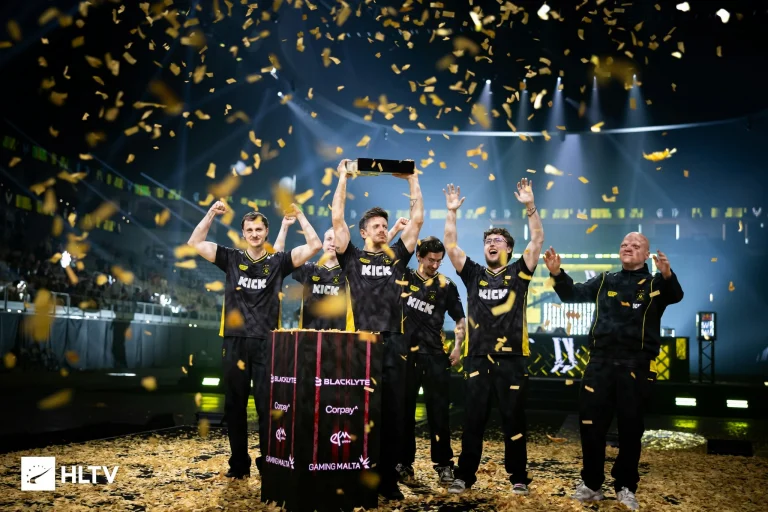
With a commanding victory at StarLadder Budapest, Team Vitality secured back-to-back CS2 Major titles, triggering massive search spikes across Google in the United States and the United Kingdom. Queries such as “Vitality CS2 Major results”, “Vitality CS2 roster 2026”, and “best CS team ever” surged within hours of the grand final, underlining how deeply this win resonated beyond Europe.

For Western audiences, this was not just another Major. It was a statement moment that may define the competitive direction of Counter-Strike heading into 2026.

StarLadder Budapest Grand Final: How Vitality Broke FaZe

The $1.25 million grand final ended in a decisive 3–1 victory over FaZe Clan, with Vitality dictating tempo across every critical map.

The defining performance came from mezii, who posted a staggering 1.45 rating on Inferno, finishing with 42 kills and earning series MVP honours. His ability to control mid-rounds and anchor eco-round holds proved decisive.

Key map moments included:

  • Inferno (16–12): ZywOo dominated with the AWP, while apEX delivered multiple late-round utility clutches that broke FaZe’s economy.
  • Nuke (13–9): mezii’s pistol-round heroics flipped momentum early, allowing Vitality to snowball their CT side.
  • Ancient (16–10): FaZe struggled to adapt to Vitality’s layered defaults, with FlameZ repeatedly shut down by coordinated utility usage.

Twitch analytics showed more than 800,000 US and UK viewers tuning in per map, highlighting the region’s growing appetite for high-stakes CS2 finals.

“Best CS Team Ever?” Mezii’s Quote That Lit Up the Internet

Immediately after lifting the trophy, mezii made a claim that sent Counter-Strike discourse into overdrive:

“We’re the best CS team ever.”

Within hours, the statement generated over 250,000 impressions on X, with reactions pouring in from former pros, analysts, and content creators. Retweets from figures associated with s1mple’s era, along with reactions from North American streamers like shroud, pushed the conversation into mainstream gaming feeds.

UK casters and analysts were more measured but no less intrigued. Several drew parallels to Astralis’ peak years, noting Vitality’s 85 percent win rate since roster lock and their consistency across LAN environments. The clip spread rapidly on TikTok Live, contributing to CS2’s reported 39 percent year-on-year growth in short-form video engagement.

For US and UK fans, this moment mattered. It reframed CS2 not as a transitional phase after CS:GO, but as a platform capable of producing new legends.

US, UK, and Europe Viewership: What the Numbers Reveal

StarLadder Budapest delivered one of the most balanced regional audiences seen in recent Counter-Strike history.

  • United States: Peak viewership crossed 450,000, driven primarily by Twitch NA East.
  • United Kingdom: Around 320,000 peak viewers tuned in, with YouTube Gaming emerging as the dominant platform.
  • Europe: More than one million concurrent viewers across Twitch and Kick EU Central.

These figures confirm that Vitality’s appeal is no longer Europe-centric. The US and UK spikes closely mirrored European trends, making this one of the most globally synchronised CS2 Majors to date.

What This Means for CS2 in 2026: Roster Stability vs Chaos

Looking ahead, Vitality are well-positioned to defend their crown at the upcoming PGL Major in Bucharest, following the circuit’s shift away from Belgrade. With an estimated $10 million in prize pools and partnered events lined up across 2026, stability could become the defining advantage.

While Vitality head into the new season with continuity and confidence, the North American scene faces turbulence. Organisational reshuffles, ownership changes, and roster instability continue to plague several NA teams, widening the competitive gap with Europe.

One immediate consequence is search behavior. Queries like “Vitality CS2 settings” and “ZywOo sensitivity” are already climbing, a familiar pattern when dominant teams inspire ranked players to emulate their playstyles.

Vitality as the Blueprint for the Next CS Era

UK and European CS2 viewership has grown by an estimated 19 percent year-on-year, and Vitality sit at the centre of that growth. Their roster blends European structure with adaptable aggression, offering a model that NA organisations are increasingly looking to replicate.

More importantly, Vitality’s back-to-back Major wins give CS2 something it urgently needed in Western markets: a clear narrative of excellence, continuity, and rivalry.

Whether they truly become the “best team ever” will be debated for years. What is already clear is that Vitality have defined the early CS2 era, and in doing so, reignited Counter-Strike’s relevance for US and UK audiences heading into 2026.

Rainbow Six Siege Hack Explained: What Happened, R6 Credits Rollback Details, Is the Game Safe Post-Breach?

Ubisoft was forced to take Rainbow Six Siege offline globally after a severe backend security breach allowed hackers to inject billions of R6 Credits into player accounts, unlocking rare and developer-exclusive cosmetics and triggering widespread system instability.

The incident, which unfolded between December 27 and December 29, 2025, prompted an emergency global shutdown of Siege servers and its in-game marketplace. Ubisoft has since restored service following a full rollback, but the scale of the breach has raised serious questions around backend security, especially for a title entering its second decade of live service operations.

How the Rainbow Six Siege Hack Happened: A Timeline

According to internal investigations and community-verified reports, attackers gained access to Ubisoft’s backend administrative tools around 6:00 AM ET on December 27. This was not a client-side exploit or cheat injection. Instead, hackers manipulated internal economy systems directly, bypassing normal safeguards.

Within hours, compromised accounts began receiving an estimated 2 billion R6 Credits, a sum valued at roughly $13 million USD based on in-game pricing. The breach enabled:

  • Instant unlocking of ultra-rare and developer-exclusive skins
  • Massive inflation of the Siege marketplace
  • Manipulation of internal moderation feeds, resulting in random bans across PC, PlayStation 5, and Xbox

Ubisoft detected unusual activity by 9:10 AM ET and initiated a staged response. Servers and the Siege X marketplace were taken offline globally within hours as engineers began isolating the affected systems.

Crucially, Ubisoft confirmed that the breach stemmed from compromised internal tools, not stolen player credentials. All major data centres across the US, UK, and Europe were affected simultaneously, highlighting the centralised nature of the attack.

Rollback and Recovery: What Happened to Player Accounts

To contain the damage, Ubisoft executed a full economic rollback to the pre-breach state, effectively resetting Siege’s backend to conditions before 6:00 AM ET on December 27.

As part of the recovery process:

  • All illicit R6 Credits were removed
  • Hacked cosmetics and marketplace trades were erased
  • Legitimate purchases made outside the breach window were preserved
  • The ban ticker and automated moderation systems were temporarily disabled

Ubisoft made a notable decision to remove all bans issued during the incident, even for players who unknowingly traded hacked items. The focus, the publisher said, was on restoration and system integrity rather than enforcement.

After more than 24 hours of internal testing and validation, Siege servers began returning online on December 29, with marketplace functionality restored in phases. Ubisoft has stated that live monitoring will continue as further audits are completed.

Is Rainbow Six Siege Safe to Play Now?

Ubisoft has assured players that Siege is currently operating under normal conditions, with backend vulnerabilities patched and additional safeguards deployed. The company has also confirmed there is no evidence of stolen account credentials or leaked personal information, differentiating this incident from earlier Ubisoft security lapses.

From a security standpoint, industry analysts have noted that Ubisoft’s rapid global shutdown likely prevented deeper data compromise. However, the breach still exposes ongoing risks tied to internal access control and tool management.

For now:

  • Ranked play, progression, and matchmaking are considered safe
  • Marketplace activity should be approached cautiously until Ubisoft completes a full audit
  • Further backend hardening updates are expected in January 2026

Compared to the 2020 Ubisoft data leak, which exposed user emails, this incident was economy-focused and avoided large-scale personal data exposure.

Impact on US, UK, and European Players

The timing of the outage proved particularly disruptive.

In North America, servers went down during a high-engagement holiday window, cutting into ranked grinds and competitive preparation. In the UK and wider Europe, where holiday play traditionally drives free-to-play progression and cosmetic sales, the outage wiped out peak seasonal sessions.

Esports teams and competitive players across NA and EU regions reported delayed scrims and practice schedules, with some viewers shifting temporarily to alternative titles on Twitch. Several organisations and pro players publicly criticised the disruption, highlighting Siege’s continued importance in the Western tactical shooter ecosystem.

What Players Should Do Next

Ubisoft has not issued mandatory action items, but players are advised to take basic precautions:

  • Review account login history through Ubisoft Connect
  • Enable or confirm two-factor authentication
  • Avoid high-value marketplace trades until Ubisoft issues a full security clearance
  • Monitor upcoming patch notes for permanent backend security updates

Previous Rainbow Six Siege Security Incidents at a Glance

IncidentDateTypePlayer ImpactResolution
Backend Economy HackDec 27–29, 2025Internal tools breachBillions of credits erased, false bansServers restored Dec 29
Ubisoft Data Leak2020Credential exposure100,000+ emails leakedPatched over weeks
Ban Wave Glitch2024Auto-moderation errorMass false bansSame-day rollback

A Wake-Up Call for a Decade-Old Live Service

Rainbow Six Siege has proven remarkably resilient for a ten-year-old competitive title, maintaining relevance across casual, ranked, and esports ecosystems. This incident, however, underscores the growing importance of proactive security audits as live-service games age and internal systems become increasingly complex.

Ubisoft’s swift response limited long-term damage, but trust now hinges on transparency and sustained investment in backend security. For Siege’s players and esports stakeholders, the expectation is clear: stability and integrity must match the game’s competitive legacy.

This Kettle Macro Exploit is Wreaking Havoc in Arc Raiders

One of the cheapest weapons in Arc Raiders, the Kettle, is dominating lobbies and outperforming even the highest-grade weapons in the game as a result of an exploit, and players are not happy.

Despite being a seemingly strong weapon compared to the other firearms in its tier, the Kettle is kept in check by its semi-automatic fire, requiring players to manually pull the trigger for every shot. However, players have found a way to circumvent this limitation by using macros to automate the firing process, effectively removing the weapon’s only real drawback and turning it into a beast in PvP combat.

The Kettle macro in Arc Raiders enables players to use it like any other automatic weapon in the game, but with more serious damage. As a result, players are finding themselves getting destroyed within milliseconds, leaving them no time to react to their attacker.

Arc Raiders Kettle Macro Exploit

Over the past few weeks, hundreds of posts have surfaced on social media forums showcasing how overpowered the Kettle can be when the player wielding it has auto-clicking macros enabled.

Recently, a post by Reddit user ‘ContextEFT’ has gained traction within the Arc Raiders community. The clip showcases the user getting downed in one second with the Kettle despite them having Medium Shields equipped with full hp.

Taking a look at the clip, it’s evident that the other player unloaded over 10 shots under a second, strongly indicating towards them using a macro or an auto-clicker.

While the use of macros is generally a bannable offense in most games, they can often be harder to detect than other cheats, as they closely mimic human input and can be hardware-bound, making them a tough violation for developers to reliably identify and enforce.

Other Reddit users in the comments have suggested countermeasures like nerfing the Kettle’s fire rate or aggressively banning macro users to prevent issues like these, but Embark has yet to officially address these incidents. However, considering the fact that Embark has punished exploiters in the past, the long-term risk of using such macros may outweigh the short-term advantage they give you in combat.

G2 Esports Lock In 2026 VCT Americas Roster After Dominant 2025

0

After an impressive run in the 2025 VALORANT Champions Tour, G2 Esports has officially completed its 2026 VCT Americas roster, doubling down on continuity and strategic consistency ahead of a crucial year for international ambitions.

G2’s decision comes after a stellar 2025 season, where the organisation claimed multiple VCT Americas titles, asserted itself as a regional powerhouse, and delivered one of the most consistent premiership domestic campaigns in Americas VALORANT. Despite lacking an international trophy, G2’s consistent performances — including deep runs at Masters events — have set expectations high for 2026.

Roster Continuity With a Strategic Twist

The core five-man roster that powered G2 through most of the 2025 campaign has been largely retained for VCT Americas 2026, signalling confidence in a group that has repeatedly delivered under pressure:

Confirmed 2026 VCT Americas roster:

  • Jacob “valyn” Batio – Captain & IGL
  • Trent “trent” Cairns – Initiator expert
  • Nathan “leaf” Orf – Duelist veteran
  • Alexander “jawgemo” Mor – Flex presence
  • Andrej “babybay” Francisty – Duelist & veteran addition

Coaching Staff:

  • Josh “JoshRT” Lee – Head Coach
  • Peter “shhhack” Belej – Assistant Coach

This continuity underscores a belief that G2’s existing framework — already well-proven domestically — can translate into international success in 2026.

babybay Promotion Ushers in Veteran Firepower

The most notable change to G2’s lineup is the promotion of Andrej “babybay” Francisty to the active roster. A veteran who previously competed with organisations like FAZE Clan and appeared as a substitute earlier in 2025, babybay’s transition from sixth man to full starter brings experienced duel potential and raw firepower to the squad.

Babybay’s chemistry with the existing core was first tested during 2025 when he filled in amidst lineup disruptions, and his results helped convince G2’s management that he belonged in the starting five — a decision confirmed in mid-November 2025.

JonahP Moves to Inactive Roster

Long-time flex player Jonah “JonahP” Pulice has been shifted to the inactive roster, effectively ending an era for a core member who had been with G2 since its climb through the competitive ladder. The move, though surprising to some fans given JonahP’s experience and tenure, reflects a calculated plan to streamline the starting unit around the organisation’s latest strategic blueprint.

Head coach Josh “JoshRT” Lee has publicly framed this change not as a crisis but as a forward-looking adjustment, emphasising that G2’s current construction gives the team the best shot at breaking through at international events in 2026.

Why This Matters: From Regional Dominance to International Expectations

G2’s 2025 performance established them as regular representatives from the Americas at high-profile VCT events, including Masters Bangkok and Masters Toronto, where they displayed elite-level gameplay but ultimately fell short of a global title.

With Riot Games’ 2026 VCT calendar already shaping up — including Masters Santiago and later international opportunities — maintaining roster stability is a clear strategic bet from G2’s leadership that continuity will yield the breakthrough performance fans and sponsors alike crave.

The Broader VALORANT Roster Landscape

Across VCT Americas, several teams have either finalised or refreshed their projects as the off-season continues. While some organisations pursue partial rebuilds, G2’s approach leans hard into steady evolution rather than wholesale overhaul, a philosophy increasingly common among top performing teams in the VALORANT ecosystem.

As the countdown to 2026 VCT Americas’ January kickoff begins, all eyes will be on G2 to see if this mix of high-performance continuity and veteran injection can finally propel them to global glory.