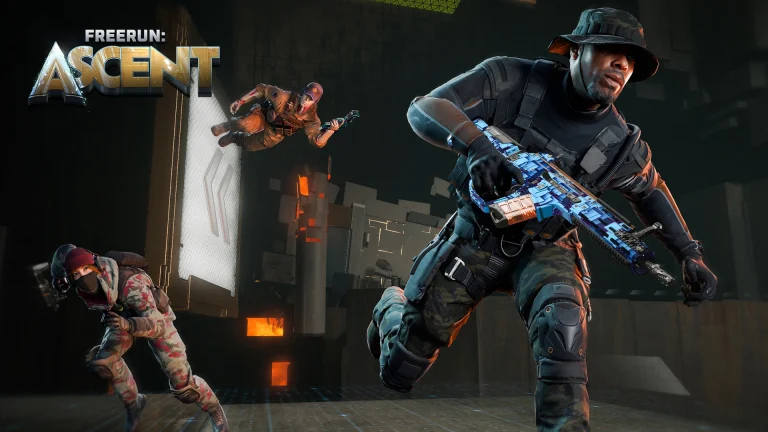
The new Freerun Ascent Challenge event in Call of Duty: Black Ops 7 is finally here, and players are granted a limited-time opportunity to grab skins and animated camos. In this article, we will discuss what this event brings and how you can make the most of it.
To get the rewards, players must complete six unique challenges across the Ascent map and complete all the challenges to unlock the rewards, making this event one of the most rewarding in CoD.
All BO7 Freerun Ascent Challenges and Rewards
Challenge
Reward
Reach 300 Checkpoints in Ascent Freerun
“Gain Foothold” loading screen
Finish in the top 5 in Ascent Freerun
“Cyberize” camo
Complete 3 Zones in a row without a Fault 3 times in Ascent Freerun
“Sprinter” weapon charm
Finish in the top 8 in an Ascent Freerun match with fewer than 15 Faults
“Keep Running” animated calling card
Finish in the top 3 in Ascent Freerun
“Dodge!” calling card
Finish in under 17 minutes in Ascent Freerun
“Run Wild” weapon blueprint for Kogot-7 SMG
Complete all 6 Freerun: Ascent Event Challenges
“Networked” animated camo (mastery reward)
The most valuable reward is arguably the “Run Wild” Kogot-7 SMG blueprint, which you can get by finishing the entire course in under 17 minutes. While this has been highlighted by the fans, one can argue that there are better ways to spend your time. Make sure to go through all the rewards to make the most out of the event.
It goes without saying that this event will be live for a limited time, so make sure to take advantage of it and run through the events to get these rewards without paying a dime.
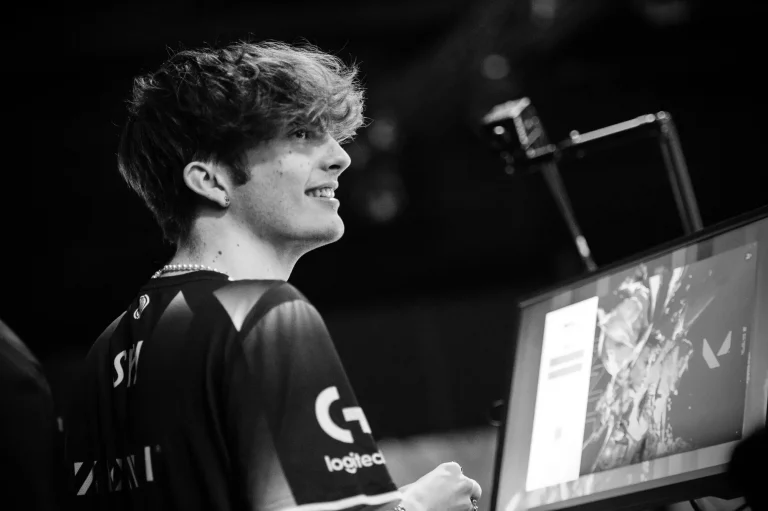
Tyler “sym” Porter, an esports player who represented team TSM in Valorant games, passed away on May 5 following a tragic accident that claimed the life of his close friend, Austen. Tyler’s age at the time of death was 21. He was celebrating his birthday when he met his untimely demise.
The news came from a close friend who posted on X. “With a broken heart I write this message to everyone that sadly my best friend @symstar and our good friend Austen sadly passed away late last night in a car accident,” the post read. “Tyler was celebrating his 21st birthday trip.”
He began participating in Valorant tournaments in 2020, being recognized as one of the promising North American tier two players.
From elevating our Academy program to helping us reach Ascension on the main roster, you left your mark on TSM VALORANT.
You had so much ahead of you, and we’ll miss you dearly, @symstar.
Sym showed his best results while playing with TSM. Before joining TSM as a professional, he used to play with their academy team. In 2024, Tyler joined TSM’s main roster, helping the team qualify for the VCT Ascension Americas tournament. Tyler won Group Stage Day 1 MVP for VCT Ascension Americas 2024.
Before joining TSM, sym represented Moist Moguls. This team was ranked first in Valorant Challengers 2023 North America Split 2. At one point, Sym left his career as a professional player but decided to return in 2026 as a temporary stand-in for Winthrop University. Tyler’s close friend and fellow player, Austen Reed, used his Valorant in-game nickname “yuno.”
Leo Faria, Global Head of Valorant Esports at Riot Games, also posted a message. “My condolences to Tyler’s family and friends,” he wrote. “This tragedy is a stark reminder of how fragile life is. Take care of yourselves, be good to each other, and hold your loved ones close today.”
Fans also shared memories on Reddit. One pointed to sym’s performance in a match where he recorded 32 first bloods across 61 rounds in a best-of-three against YFP. Another wrote: “He was such a promising up-and-comer in Tier 2, was rooting for him so much to succeed. Gutted to hear him pass away at such a young age.”
BMPS 2026 has started, and KRAFTON India Esports has officially announced the qualification system for Indian teams for the upcoming Esports World Cup 2026. This announcement clears all confusion and gives a clear path for teams aiming to represent India at the global level.
India has received two slots for the PUBG Mobile World Cup 2026, which will be held in Riyadh, Saudi Arabia. This is a major boost for Indian esports as teams will now get a chance to compete against top international teams.
Two Esports World Cup 2026 Slots for India Explained
KRAFTON has confirmed that India will send two teams to the global event. These slots will not be random but based on performance across the season.
This move also shows how important consistent performance and major tournament wins are in the current esports system.
Qualification Criteria for EWC 2026
The selection of teams will be based on the following:
BMPS 2026 is currently one of the biggest BGMI tournaments in India. It started on May 6 and will run till June 21. The event features 64 invited teams competing for a prize pool of over ₹2 Crore++.
The tournament is divided into multiple stages:
Qualifiers (May 6 – May 31): 64 teams compete, with top teams moving forward
Survival Stage (June 2 – June 5): 32 teams battle for semi-final spots
Semi Finals (June 9 – June 12): 24 teams compete, top 6 qualify
Last Chance (June 13 – June 14): Final opportunity to reach Grand Finals
Grand Finals (June 19 – June 21): 16 teams compete in a LAN event in Jaipur
Each stage is designed to test teams in different conditions and ensure only the best teams reach the finals.
The Esports World Cup 2026 will feature 32 teams from multiple regions including SEA, MENA, Europe, Americas, and more. The tournament will take place from August 6 to August 16 in Riyadh.
India’s representatives will face strong competition from global teams, making qualification even more important and challenging.
Why This System Matters
This new qualification system is important for Indian esports because:
It rewards consistent performance across tournaments
It ensures the best teams represent India
It creates a clear pathway from national to international level
It increases competition among teams
This also aligns with KRAFTON’s goal of building a strong esports ecosystem in India.
With the qualification rules now confirmed, Indian teams have a clear goal in front of them. They need to perform well in BMPS 2026 and maintain strong rankings on the KIE leaderboard.
Fans can expect intense matches in the coming weeks as teams compete not only for the trophy but also for a chance to represent India on the global stage at the Esports World Cup 2026.
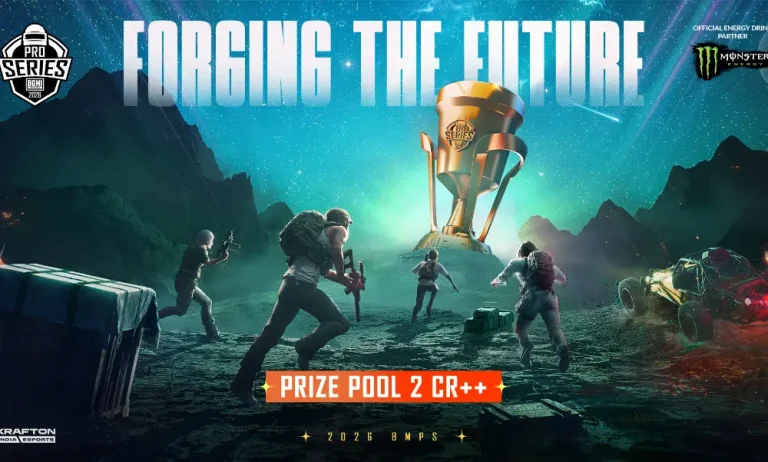
KRAFTON India has officially kicked off the BATTLEGROUNDS MOBILE INDIA PRO SERIES (BMPS) 2026today, 6 May 2026, bringing one of the biggest BGMI esports events of the year. The tournament will feature 64 top teams from across the country competing for a massive prize pool of over ₹2 Crore++ along with two slots for the prestigious Esports World Cup 2026.
New Promotion and Relegation Format Introduced
One of the biggest changes this year is the introduction of a Promotion and Relegation system in the qualifiers. This is the first time such a format is being used in BGMI esports in India.
After every six matches, teams will move up or down based on their performance. The top 4 teams from Groups B, C, and D will move up, while the bottom 4 teams from Groups A, B, and C will drop down. This system is made to make competition more intense and reward consistent performance.
Full Tournament Format Explained
The tournament will be played across five stages:
Qualifiers (May 6 – May 31): 64 teams compete, top 8 from Group A go to Grand Finals, bottom 8 from Group D get eliminated
Survival Stage (June 2 – June 5): 32 teams compete for 8 Semi-Finals spots
Semi Finals (June 9 – June 12): 24 teams battle, top 6 qualify
Last Chance (June 13 – June 14): Teams fight for final 2 Grand Finals spots
Grand Finals (June 19 – June 21): 16 teams compete in a LAN event for the title
The matches will be played across maps like Erangel, Miramar, and Rondo.
Commenting on the launch, Karan Pathak, Associate Director – Esports, KRAFTON India, said: “BMPS has always been the proving ground for India’s top professional BGMI teams, and BMPS 2026 takes that promise to a new level. With Promotion and Relegation now part of the Qualifiers, every match from day one carries weight. This format rewards consistency, sharpens competition, and ensures that the squad lifting the BMPS 2026 trophy will be the most resilient team in the country, ready to fly the flag for India in Riyadh.”
The 2026 field has been deliberately tightened from 96 teams in BMPS 2025 to 64 elite squads this year, drawn entirely from rankings across BGIS 2026, the UE India Rising Series, College Campus Tour & KIE Invited Teams – carefully vetted to eliminate any suspicious players and teams from the past tournaments. The line-up includes iQOO SOUL, Godlike Esports, iQOO Orangutan, iQOO Revenant XSpark, Gods Reign, True Rippers, iQOO 8BIT, NEBULA Esports, Phoenix Esports, Genesis Esports, Team AX and 53 other invited teams. Alongside the team with the highest ranking on the overall KRAFTON India Esports (KIE) leaderboard after BMPS, the BMPS 2026 Champion will also earn a direct qualification slot to the Esports World Cup in Riyadh, where 32 teams from across SEA, MENA, Europe and the Americas will compete from August 6 to 16.
BMPS 2026 will also decide India’s representation at the Esports World Cup 2026.
Important Note: Of the 2 slots allocated to India, the first will be awarded to the team ranked highest on the overall KRAFTON India Esports (KIE) leaderboard; the second will go to the BMPS 2026 Champion. If the same team gets both, then the BMPS 2026 runner-up will get the second slot.
Where to Watch
Fans can watch all matches live on KRAFTON India Esports’ official YouTube and Facebook channels. The event is expected to draw a huge viewership as India’s best BGMI teams fight for glory.
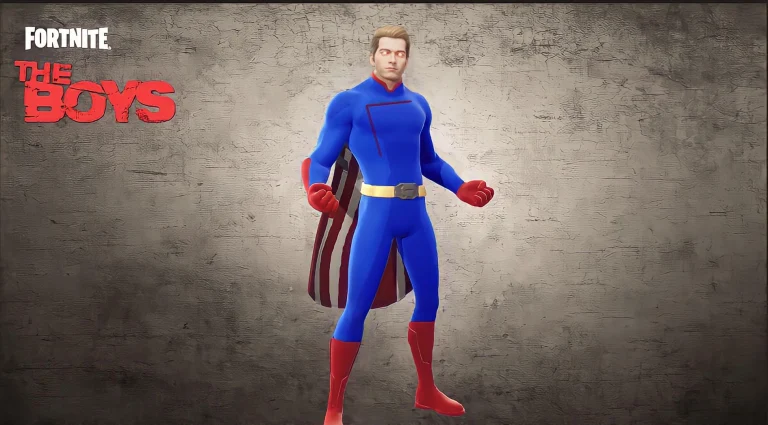
The most feared Supe in The Seven may soon be dropping onto Fortnite, as a series of recent leaks suggest that Homelander may soon be added to the Epic Games Battle Royale in an upcoming Fortnite x The Boys crossover.
According to an X post by prominent Fortnite leaker ‘SamLeaks,’ the heavily requested The Boys x Fortnite has been confirmed to be in the works.
Alongside confirming that The Boys x Fortnite is already underway, Sam also claimed that the crossover will “most likely” drop later this season, and it could also feature car cosmetics.
THE BOYS x FORTNITE IS CONFIRMED TO BE IN THE WORKS 🔥
Will most likely drop later this season, and should also feature car cosmetics pic.twitter.com/iLMa8huZ65
While the leaker hasn’t mentioned any sources, Sam is an extremely trusted name in the Fortnite community and has been correct about multiple leaks in the past, leading fans to believe that the arrival of Homelander in Fortnite is only a matter of time.
Fortnite x The Boys: Homelander Skin Release Date
While Epic Games hasn’t made any official statement about the release date of the Homelander skin in Fortnite as of yet, based on Fortnite’s known update schedule, the Fortnite x The Boys crossover is expected to arrive with or shortly after the May 14, 2026, update.
As a result, the Homelander Fortnite skin, along with other cosmetics based on The Boys, will likely hit the Item Shop between May 14 and May 20, 2026.
The crossover could also arrive at some point between late May and the season’s end on June 5, particularly if Epic times it to coincide with The Boys’ season finale.
Which Characters Are Expected?
Beyond Homelander, here are the characters rumored to be included in The Boys x Fortnite crossover:
Billy Butcher
Starlight
Black Noir
Hughie Campbell
A-Train
The Deep
Note that none of these characters have been confirmed to be a part of the upcoming collab, so take this with a grain of salt.
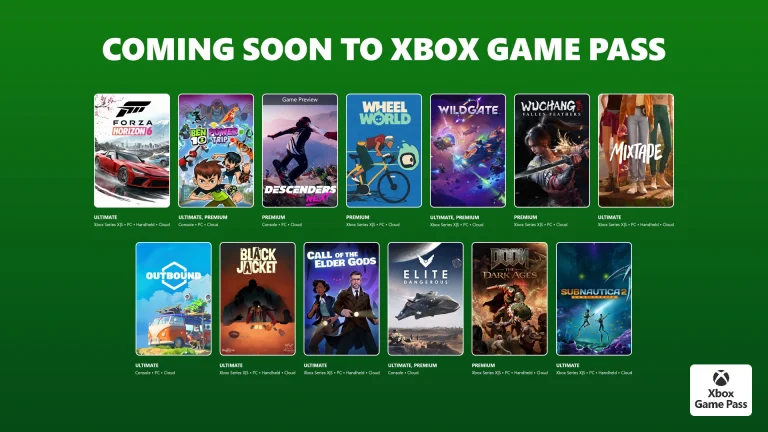
The Xbox Game Pass has officially unveiled its May 2026 Wave 1 lineup, and it is bringing a mixed batch of some AAA blockbusters along with indie regulars and other exciting titles. The list of titles is in line with their strategy to bring diverse gaming titles for a fraction of the price without any change in the gameplay experience.
It goes without saying that the highlight of the Pass will be the launch of Forza Horizon 6 on May 19, which will be a day-one release. Set in Japan, the game was one of the highly anticipated titles that found its place on the wishlist of many.
With a plethora of titles, the pass will be worth the price, but the highlight is clearly Forza Horizon 6, which is coming as a Day-One release. Goes without saying that May should be arguably the most successful month for the Game Pass, and if they continue to add such value in the coming months, nothing can stop it from increasing subscriptions rapidly.
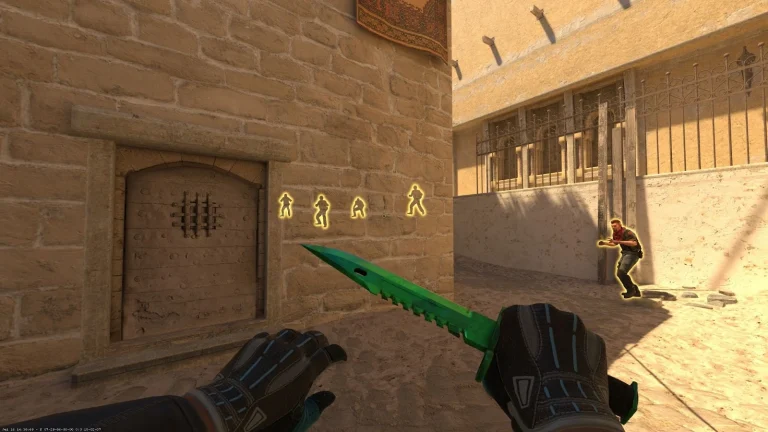
A newly discovered game-breaking bug in Counter-Strike 2 is granting players wallhacks by exploiting certain in-game mechanics, and it has reportedly made its way into Premier and FACEIT matches, raising concerns about the competitive integrity of the Valve shooter.
This new CS2 exploit enables players to use the grenade camera, typically restricted to practice games, during live matches, effectively giving them wallhacks and letting them see enemies through walls.
The bug in question can be easily replicated in most game modes, including Competitive, Premier, and potentially even FACEIT.
CS2 Players Discover New Wallhack Bug
The new CS2 wallhack works by leveraging a set of console commands that are normally locked to practice modes, activating them through Steam launch options.
By entering specific commands such as sv_cheats true and sv_grenade_trajectory_prac_pipreview true alongside several others, players can force the grenade practice camera to activate in competitive matches where it should be completely disabled otherwise.
The full list of commands needed to execute the exploit is already circulating publicly, meaning any bad actor can abuse it to gain unfair wallhacks in ranked matches.
According to several recent reports, the exploit works across all competitive game modes, including Premier and FACEIT. That being said, readers are strongly advised not to replicate this bug, as doing so could easily result in a permanent ban.
It’s still unclear why this exploit works in CS2, given that commands like sv_cheats are server-sided. Many fans believe the bug stems from the Animgraph 2 update, and the timing lines up perfectly as the first instances were reported shortly after the update went live.
While most bugs involving Animgraph 2 have been swiftly fixed by Valve, at the time of writing, this wallhack exploit in CS2 still remains unpatched.
The latest Counter Strike 2 May Valve Regional Standings or VRS update is finally here, and it will determine the teams that will be getting the invitation to the two highly anticipated Premier Counter-Strike 2 tournaments during the summer player break.
Key Tournaments Decided by May VRS Rankings
The updated standings will affect the teams getting an invitation to the DraculaN Season 7 set to take place between 23rd and 28th June. 14 slots would be assigned as per the latest rankings, and given the size of the prize pool, the qualification has suddenly become more attractive than before.
Following the conclusion of this event, XSE Pro League Season 26 is lined up with $1 million waiting to be taken between 29th June and 12th July, the participants of which will be by the latest VRS.
Rank
Team
Region
Points
1
Vitality
EU
2081
2
Natus Vincere
EU
1885
3
Falcons
EU
1823
4
FUT
EU
1808
5
Spirit
EU
1807
6
Astralis
EU
1800
7
The MongolZ
AS
1791
8
PARIVISION
EU
1747
9
Aurora
EU
1742
10
FURIA
AM
1730
11
MOUZ
EU
1729
12
G2
EU
1673
13
GamerLegion
EU
1566
14
Legacy
AM
1562
15
3DMAX
EU
1552
16
B8
EU
1547
17
paiN
AM
1532
18
Monte
EU
1529
19
9z
AM
1508
20
HEROIC
EU
1482
21
BetBoom
EU
1470
22
FaZe
EU
1460
23
BIG
EU
1445
24
M80
AM
1416
25
Alliance
EU
1413
26
Ninjas in Pyjamas
EU
1411
27
MIBR
AM
1402
28
Nemesis
EU
1394
29
EYEBALLERS
EU
1383
30
SINNERS
EU
1379
Why the May VRS Update Is Crucial
The May standings would be the final ones to be released before we walk into the Cologne Major. These standings will determine who gets to be at these events before the season concludes, and given the big prize pool these events are offering, one can assume that more teams will aim to qualify.
While many teams might choose to skip it, points earned in these events carry over to the next season, where they might play a crucial role in qualifying for other events, but most importantly, the Majors.
PGL returns to Kazakhstan for the second time with 16 CS2 teams set to compete at the BARYS Arena in Astana. The event runs from May 9 to 17, 2026, and carries a total prize pool of $1,600,000 split equally between player share and club share.
Six of the 16 teams carry a top-ten VRS ranking. Several others fill the field after qualifying through regional circuits.
Teams at PGL Astana 2026
Falcons and Spirit hold the highest VRS ranks among all participants. The full team list is:
Group 1 (seeded): FURIA, Aurora, Falcons, Spirit, PARIVISION, The MongolZ, MOUZ, G2
Group 2 (unseeded): 9z, Monte, HEROIC, Gentle Mates, magic, Fisher College, K27, The Huns
The event has a notable debut angle. Karrigan plays his first tournament under the Falcons banner. Over at MOUZ, jL and xelex both make their debut for the organization after joining from separate teams ahead of this event.
Two Mongolian teams, The MongolZ and The Huns, feature in the same bracket. The MongolZ sit at VRS rank 8, while The Huns come in at rank 111.
Format
PGL Astana 2026 follows the standard PGL structure used at previous events. The group stage runs as a five-round Swiss system with all 16 teams. The top eight advance to a single-elimination playoff bracket, starting from the quarter-finals.
Playoff matches are played in front of a live crowd at the BARYS Arena. The grand final is a best-of-five. Before the final, a third-place decider opens proceedings on the last day of the event.
Schedule and Opening Matches
The group stage begins on May 9, 2026. Here are the eight opening matchups:
Time (local)
Match
07:00
Aurora vs. HEROIC
07:00
G2 vs. Fisher College
10:00
MOUZ vs. Gentle Mates
10:00
The MongolZ vs. magic
13:00
Falcons vs. K27
13:00
Spirit vs. The Huns
16:00
FURIA vs. Monte
16:00
PARIVISION vs. 9z
IEM Atlanta 2026 runs at the same time as PGL Astana. This is why several top-ranked teams are absent from the Astana lineup. Teams like Vitality and Natus Vincere, who sit at VRS ranks 1 and 2, are not attending.
Krafton India has officially revealed all 64 invited teams for the Battlegrounds Mobile India Pro Series 2026, along with their complete five-player rosters. The tournament kicked off on May 6, 2026, and runs through to the Grand Finals in Jaipur from June 19 to June 21.
This is the first BMPS to cap the field at 64 teams. Previous editions went as high as 96. Every team in this roster earned their spot based on rankings from BMPS 2025, BGMS, BGIS, and the India Rising Series. No open qualifier path this year, so the list is a direct read of where the Indian BGMI scene stands right now.
Here is every team and every player, in full.
BMPS 2026: Key Tournament Details at a Glance
Detail
Info
Tournament
Battlegrounds Mobile India Pro Series 2026
Start Date
May 6, 2026
Grand Finals
June 19–21, 2026, Jaipur Convention Center
Teams
64 invited
Prize Pool
₹2 crore (subject to increase)
EWC Slots
2 slots at Esports World Cup 2026, Riyadh
Format
Qualifiers → Survival → Semis → Last Chance → Grand Finals
All 64 teams start in the Qualifiers stage, which runs from May 6 to May 31. They are split into four groups: A, B, C, and D — each with 16 teams. Seeding is based on prior tournament performance.
Each team plays 24 matches across four rounds. After every round of six matches, teams move up or drop based on a Promotion and Relegation system. The top four from Groups B, C, and D get promoted upward. The bottom four from Groups A, B, and C get relegated.
At the end of Qualifiers, the top 8 teams from Group A go straight to the Grand Finals. The bottom 8 of Group D are eliminated.
The Survival Stage runs from June 2 to June 5. Thirty-two teams compete in a round-robin. Only the top 8 progress to Semifinals.
Semifinals run from June 9 to June 12. Twenty-four teams clash in a double round-robin. The top 6 go directly to the Grand Finals. Teams ranked 7th to 22nd get one more shot.
The Last Chance Stage is June 13 to June 14. Sixteen teams play 12 matches. Only the top 2 advance to fill the final Grand Finals spots.
The Grand Finals is a 16-team event across three days, six matches per day. The team with the highest cumulative points wins the BMPS 2026 title and a direct Esports World Cup 2026 slot.
BMPS 2026: All 64 Teams and Full Rosters
Teams 1–16
#
Team
P1
P2
P3
P4
P5
1
iQOO SOUL
Nakul
Goblin
Joker
Legit
Thunder
2
Godlike Esports
Manya
Admino
Spower
Saumay
GodZ
3
iQOO RNTX
TraceGod
Ninja
Pain
Proton
Sukuna
4
iQOO 8BIT
Juicy
Sarang
Shubh
Skipz
Shorty
5
Team Apex Gaming
Jonathan
Jelly
Hydro
KioLmao
Harsh
6
Wyld Fangs
Sensei
Goten
Spraygod
Kanha
Sam999
7
iQOO RGE
Roman
Levi
Lovish
Pro
Sahil
8
iQOO TT
Manty
Justy
AimGod
Reaper
MrIGL
9
iQOO Orangutan
Aaru
AK
Wizzgod
Attanki
Prem
10
Victores Sumus
Owais
Venom
ScaryJod
Mafia
Paritosh
11
K9 Esports
Saumraj
Snowjod
Tauras
Smoker
Stranger
12
Divine Gaming
Omega
Slug
NinjaBoi
Knight
Amit
13
Madkings
ShadowOG
Clucthgod
Simp
Troye
Nobi
14
4TR Official
Anonymous
Viper
Arther
Rapido
Flex
15
NoNx Esports
Aman
Syrus
Stunner
Hexy
DGBot
16
AutoBotz Esports
Areeb
Lobster
Ralphie
Eggy
FanOP
Teams 17–32
#
Team
P1
P2
P3
P4
P5
17
Welt Esports
Gokul
Shyam
Poko
Dragon
Rico
18
Rising Esports
Beardbaba
Yuva
Fox
Foul
Ezol
19
Learn From Past
Honey
Yash
Maxx
JD Gaming
Ryu
20
Genesis Esports
Gravity
HunterZ
Viper
Fury
ZAP
21
Vasista Esports
Hector
Rony
Beast
Aimbot
Dionysus
22
Nebula Esports
Aadi
Phoenix
Knowme
Kratos
Arjun
23
Meta Ninza
Shadow
Fierce
Apollo
Auxin
Javin
24
Myth Official
Detrox
Daddy
Aryton
Harshil
Lucifer
25
Vanguard Esports
Dreams
Beast
Veyron
Anuj
Aryzen
26
LSD x GOC Esports
Shadow
Kalaan
Spy
Evil
Afu
27
Troy Tamilan Esports
Ayden
Hesperos
Lens
Maxioso
Jazzy
28
Jaguar Esports
Bhaalu
Shogun
Avnish
Avanza
Pixie
29
Quantam Spark
Scout
Yashu
Master
Archit
Daksh
30
True Rippers
Punk
Omega
Shayan
Termi
—
31
NAQSH Esports
Pmwi IGL
Owen
iNF God
Executor
SkillFul
32
Team H4K
Sujal
Nodi
Wizard
Ragegod
Mac
Teams 33–48
#
Team
P1
P2
P3
P4
P5
33
Higgboson Esports
Bunny
Hero
Whitetiger
Godx
Rushboy
34
Windgod Esports
Infinity
Ryzen
Kyzer
Probot
Rio
35
Team Ax
Aryan
Raiden
Devotee
Pro
Syrax
36
Rapid Chaos
Flash
Psycho
Fragger
Toxic
Dhruv
37
Bloody Sweet Esports
Wanted
Kalyug
Kris
Fraggernub
Dope
38
Gods Reign
Neyo
Justin
Delta
AquaNox
Destro
39
Godsent Esports
Junaid
Fraggy
Levii
Huntro
Revenge
40
Esport Social
Joyesh
Badop
GyroGod
MannyJod
Superman
41
Oops Official
Raix
Element
Reaper
Affu
Zentrix
42
T7xOrion Esports
Cabeza
Mudit
Fantom
Firoo
Reverse
43
7Gods Esports
Moksh
Vishu
Ninja
Rexboy
Ninju
44
Riotnationz
Sunoj
Punk
ADI
Eezy
Dollor
45
Santa Esports
Alpha
Adonis
Punisher
Coffin
Bandit
46
HAD X
Cypher
Ceazer
Rishi
Jaxx
Hope
47
7 Ace x TRB
7AceCoderTrb
7AceKraxxTrb
7AceAmmyjodTrb
7AceGonuTrb
7AceRolexTrb
48
ThunderGod
AbhiTDR
FraggerTDR
Clozy9TDR
IcyTDR
RamboTDR
Teams 49–64
#
Team
P1
P2
P3
P4
P5
49
Ares Esports
Error
Bijoy
Knuckle
Clutch
Deadplayer
50
Likhita Esports
Daniel
Inferno
Starboy
FusionX
Zemo
51
SomeOnes Dreams
Dizzy
Ghostface
Iscream
Karan
Goten
52
Team Doxy
Doxy
Unq
DeathGod
YepezZz
BeasTboyy
53
Phoenix Esports
Arnav
Frenzy
Vengeance
Eclipse
Faith
54
Mysterious 4
Goku
Naman
Noob
Henry
Krishna
55
Zero Ark
Morty
Pain is Live
Chandan
Sarwar
JatinOG
56
Blink Esports
Mayank
Professor
Hardik
Jayesh
Nexus
57
Jaapi Esports
Dreams
Catalyist
SKOP
Exploser
Ghost
58
Godsent Legions
ToxicOp
Harsh
Master
Emperor
Skepp
59
Team Flying
WhyBro1
Jatt
notKnowme
Hunter
Cobra
60
Dragon Claw
Tapgod
Chokeboy
ViperBolte
Arto
Harshu
61
Empire Original
Norm4n
Commando
WarBoy
ToNy
Shooter
62
GENxFM
Bunny14
Damuuu78
Dipop
Ghost
Mogali
63
Team Versatile
Smoker
Keshu
Rexx
Clix
Spartan
64
Redxross
Aman
ARMXN
Lucifer999
SuperB
Zeref
Teams to Watch at BMPS 2026
iQOO Soul enter as BGIS 2026 champions. Their roster of Nakul, Goblin, Joker, Legit, and Thunder has been the most consistent unit in Indian BGMI over the past year.
Team Apex Gaming are the most talked-about new entry. Jonathan departed Godlike Esports in April 2026 and built a fresh squad with Jelly, Hydro, KioLmao, and Harsh. BMPS 2026 is their debut official tournament together.
Godlike Esports arrive with a rebuilt roster following Jonathan’s exit. Manya, Admino, Spower, Saumay, and GodZ now carry the flag for one of the biggest org brands in Indian BGMI.
Genesis Esports, who were runners-up at BGIS 2026, bring Gravity, HunterZ, Viper, Fury, and ZAP. They have been among the most consistent finishers in the Indian circuit and enter BMPS 2026 with momentum.
iQOO Orangutan hold the top position on Krafton India’s Global Points table heading into this event. Their five-player unit of Aaru, AK, Wizzgod, Attanki, and Prem is one of the most experienced lineups in the field.
BMPS 2026 Stage-by-Stage Schedule
Stage
Dates
Teams
What Happens
Qualifiers
May 6 – May 31
64
Promotion & Relegation across 4 groups
Survival
June 2 – June 5
32
Round-robin, top 8 advance
Semifinals
June 9 – June 12
24
Double round-robin, top 6 advance
Last Chance
June 13 – June 14
16
12-match sprint, top 2 advance
Grand Finals
June 19 – June 21
16
LAN event, Jaipur
Prize Pool and EWC Stakes
The BMPS 2026 prize pool is set at ₹2 crore, with Krafton India confirming the amount is subject to increase as the tournament progresses. The champion secures the largest share of the cash prize along with a direct slot at the Esports World Cup 2026 in Riyadh, Saudi Arabia.
India holds two BGMI slots at EWC 2026. The BMPS 2026 winner claims one. How the second slot is allocated has not been officially confirmed by Krafton India, though current reporting suggests it is tied to the Global Points table across all official 2026 events.
FAQ: BMPS 2026 Teams and Roster
How many teams are playing BMPS 2026? 64 teams are participating in BMPS 2026. This is down from 96 teams in BMPS 2025. All teams are invited based on rankings from previous official Krafton India tournaments, including BMPS 2025, BGMS, BGIS, and the India Rising Series.
When does BMPS 2026 start? BMPS 2026 started on May 6, 2026. The Grand Finals run from June 19 to June 21, 2026, at the Jaipur Convention Center.
What is the BMPS 2026 prize pool? The confirmed prize pool is ₹2 crore. Krafton India has noted the amount is subject to increase.
What does the BMPS 2026 winner get? The BMPS 2026 champion wins the largest share of the ₹2 crore prize pool and a direct slot at the Esports World Cup 2026 in Riyadh, Saudi Arabia.
What is the format of BMPS 2026? BMPS 2026 uses a multi-stage format: Qualifiers (promotion-relegation system, 64 teams), Survival Stage, Semifinals, Last Chance, and a 16-team LAN Grand Finals in Jaipur.
Is Team Apex Gaming (Jonathan’s team) in BMPS 2026? Yes. Team Apex Gaming are confirmed participants in BMPS 2026. Jonathan leads the roster alongside Jelly, Hydro, KioLmao, and Harsh. This is the organisation’s debut appearance in BMPS.