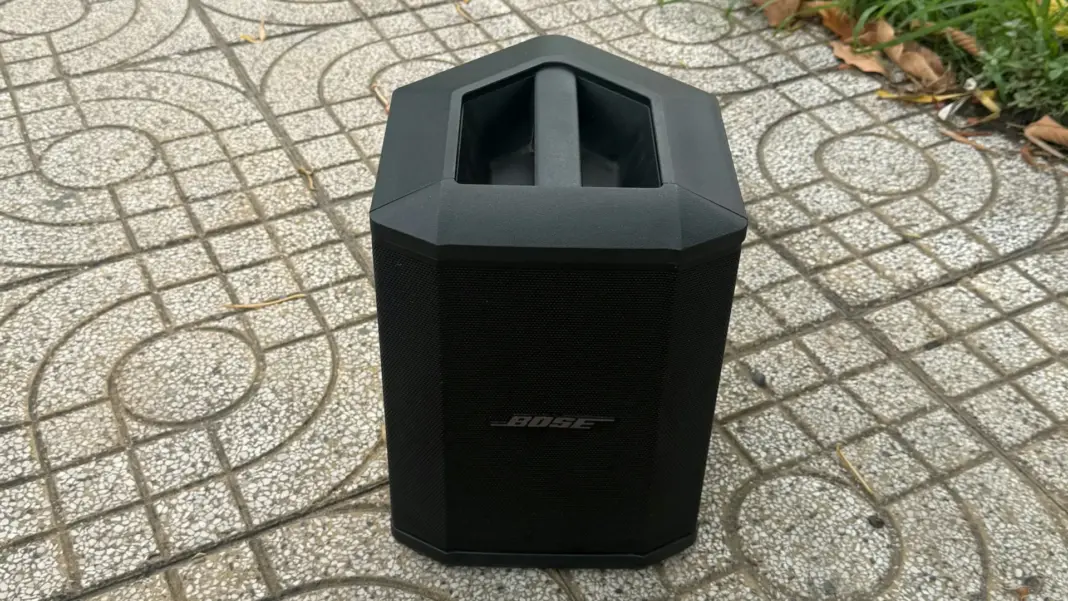
Bose is recalling about 670,000 battery packs for its S1 Pro and S1 Pro+ portable speakers in the United States and Canada, because they can overheat and catch fire. The US Consumer Product Safety Commission announced the recall on 5 November, covering about 634,759 packs sold in the US. Health Canada’s notice adds 35,399 more sold in Canada. Bose has received seven reports of packs melting, smoking or catching fire, six of which involved property damage, and no injuries have been reported.
Owners are being told to stop using the affected packs straight away and to claim a free replacement from Bose. The packs are the removable lithium-ion batteries that let the S1 Pro and S1 Pro+ run without a wall socket. They were sold both inside the speakers and on their own as accessories or replacement parts, so a speaker bought years ago can still hold a recalled pack.
Which Bose S1 Pro and S1 Pro+ battery packs are recalled
According to the CPSC, the recalled packs were sold from December 2017 to July 2026 at Bose, Best Buy and other shops, and online at Amazon, Bose.com, BestBuy.com and Walmart.com. They cost between $100 and $160 on their own, while a speaker system with a pack included sold for about $700. In Canada, Health Canada says S1 Pro packs were sold from April 2020 to May 2024 and S1 Pro+ packs from June 2025 to July 2026.
A pack is affected if the first six digits of its 17-digit serial number match one of seven prefixes. The serial number is printed on a label on the bottom of the battery pack, just below the barcode. Here are the prefixes listed by Bose and the CPSC.
| Recalled serial number prefixes (first six digits) |
|---|
| 078352 |
| 078591 |
| 078592 |
| 083723 |
| 084105 |
| 084106 |
| 086409 |
To check a pack that is fitted in a speaker, Bose’s recall page says to switch the speaker off and unplug it first. Then loosen the two screws on the bottom, take off the bottom plate and pull the battery out using its tabs. Bose also notes that some S1 Pro systems were sold without a battery, so owners who added one later should check that pack as well.
Why Bose says the packs can overheat and ignite
The CPSC notice says simply that the battery packs “can overheat and ignite”, which poses a risk of fire and burns. Health Canada gives a little more detail about the cause. It says that continued use as the packs age “exposes the lithium-ion cells to potentially damaging operating conditions”, creating “potential fire and burn hazards”.
None of the seven incidents happened in Canada, according to Health Canada, which counted them as of 5 October. The packs were made in China by TWS Technology (Guangzhou) Ltd, and Bose Corporation of Framingham, Massachusetts, imported them. The CPSC handled the case as a Fast Track recall, which is the regulator’s process for companies that move quickly to fix a product problem.
How to get a free replacement battery from Bose
Bose says owners should remove an affected pack from the speaker and stop using it immediately. The speaker itself is not part of the recall, and it can still be used without the battery while it is plugged into mains power. To claim a replacement, owners enter the pack’s serial number on Bose’s recall page, which works for packs that are fitted in a speaker as well as spare ones.
In the US, Bose takes calls on 800-278-1083 from 9am to 9pm ET on weekdays and from 9am to 7pm ET on Saturdays. Canadian owners can call 1-800-869-2114 during the same hours, and Health Canada asks people to report any incident involving the packs. US owners who have trouble getting a replacement can use the CPSC’s recall complaint form. Bose’s page also says online requests are not available in every region, so owners elsewhere, including India, should contact Bose support directly.
Getting rid of the old pack needs some care, because recalled lithium-ion batteries carry a higher fire risk. The CPSC says they should not go in household rubbish, kerbside recycling or the battery collection boxes found in shops. Instead, owners should call their local household hazardous waste centre first to check whether it accepts recalled lithium-ion batteries.
The same battery chemistry sits inside most of the gadgets gamers carry every day, from phones to controllers, and heat is bad for all of them. Our guides on what actually lowers a phone’s temperature and reducing battery drain while gaming cover the basics, and our hardware section will follow the recall. The CPSC lists it as recall number 27-065, and it covers battery packs sold from December 2017 to July 2026.