VALORANT Champions 2026 will be held in Shanghai, China, the first time Riot Games’ flagship esports tournament comes to the country and the city’s second turn hosting a major international VALORANT event after VCT Masters Shanghai in 2024. Riot officially announced the move in early August 2025, positioning it as part of a plan to bring Champions to each of VALORANT’s major global regions.
Shanghai’s selection reflects the city’s established esports infrastructure, its accessibility for international teams and audiences, and the vibrant atmosphere of Masters Shanghai 2024, which drew record crowds and viewership at the Mercedes-Benz Arena. That event set a high standard for community excitement, something Riot aims to recapture in 2026.
While the exact dates for Champions 2026 are not yet public, previous editions have typically taken place between September and October. Further details on venue, ticketing, and participating teams are expected in the coming months. Early community response points to enthusiasm for a return to Shanghai, highlighting the city’s reputation as a smooth destination for international visitors.
The announcement arrives as Chinese VALORANT teams, such as EDward Gaming and Wolves Esports, are making their presence felt on the global stage. The event also follows the surge in VALORANT Mobile’s popularity in China, where the mobile version quickly attracted over 40 million pre-registrations after its announcement.
Riot has confirmed that the following Champions—Champions 2027—will be hosted in the Americas, reinforcing a broader strategy to rotate the event among major regions. For now, the focus is on Champions 2025 in Paris. Once that concludes, attention will shift to Shanghai, with more news expected on venue, schedule, and how fans can participate. Shanghai is poised to become a cornerstone of the VALORANT Champions Tour in 2026.
The battle for dominance in Marvel Rivals is about to get even fiercer. NetEase Games has unveiled sweeping changes coming with Season 2: Hellfire Gala, launching April 11, 2025, completely reshaping the game’s competitive landscape. From brutal rank resets to revamped scoring systems, players will need to adapt quickly to stay ahead.
A Fresh Start – Forced Rank Demotions
In one of the most dramatic shifts, every player will face a nine-division drop when Season 2 begins. Former Diamond 1 competitors will find themselves back in Silver 1, while even the most dedicated grinders must prove their skills anew. This reset, based on hidden Season 1.5 MMR, aims to eliminate rank inflation and create a more balanced playing field. The message is clear: past glory means nothing here.
Krakoa Enters the Fray as Maps Rotate
The new Krakoa map introduces a living, breathing mutant island where strategic positioning is key. Dynamic flora hazards can turn the tide of battle, rewarding teams that master environmental control. Meanwhile, fan-favorite locations like Tokyo 2099 and Yggsgard have been temporarily pulled from competitive rotation, though they remain available in casual play.
Tighter Restrictions for Competitive Mode
Climbing the ranks just got tougher. The minimum level requirement for ranked play has increased from 10 to 15, ensuring only experienced contenders enter the fray. Perhaps most impactful, the pick/ban phase now unlocks at Gold III instead of Diamond, dramatically altering early-season strategy. At the highest tiers, One Above All and Eternity players face new restrictions, limited to duo queues to prevent full-stack dominance.
Performance Over Team Luck in New Ranking System
Gone are the days of being held back by unreliable teammates. The updated scoring system now weighs personal performance equally with match outcome. Exceptional damage dealers, objective specialists, and support players will climb faster, even in defeat. This change rewards individual skill while still emphasizing teamwork, creating a more nuanced path to the top.
Under-the-Hood Fixes Set the Stage
While not officially part of the season update, the recent March patch quietly addressed critical issues. Loki mains can finally use Deathly Illusions without camera glitches, Venom players no longer risk hanging mid-air after Aerial Assault, and Winter Soldier‘s Tainted Voltage now functions consistently. These fixes, while subtle, remove frustrating barriers to competitive play.
The New Era of Marvel Rivals
With these changes, NetEase demonstrates its commitment to evolving Marvel Rivals into a truly competitive experience. The rank reset ensures no one rests on their laurels, while Krakoa’s design pushes teams toward deeper coordination. The message is clear: adapt or be left behind.
For those aiming to dominate Season 2, the strategy is simple – reach Gold III quickly to exploit the new pick/ban system before the meta stabilizes. Beyond that, mastering Krakoa’s environmental advantages could separate the true contenders from the rest.
One question remains – will these changes create a more balanced competitive scene, or simply favor lone wolves over teamwork? The battle begins April 11.
Nintendo’s Switch 2 arrives on June 5, 2025, with a powerhouse lineup of exclusives, remasters, and third-party blockbusters. After combing through official announcements and industry leaks, here’s the definitive breakdown of every major game confirmed for launch.
Nintendo’s Big Guns: First-Party Exclusives
Mario Kart World – The franchise’s first open-world racer, featuring a fully explorable Mushroom Kingdom with dynamic weather, NPC interactions, and hidden kart upgrades.
Hyrule Warriors: Age of Imprisonment – A Tears of the Kingdom prequel with 4-player co-op and a new “Legion” battle system.
Kirby Air Riders – A high-speed aerial combat game where Kirby pilots customizable ships across floating islands.
Donkey Kong Bananza – A 3D platformer blending Banjo-Kazooie exploration with DK Country barrel-blasting.
Nintendo Switch 2 Welcome Tour – A tech demo/minigame suite showcasing the console’s HD rumble 2.0 and adaptive trigger features.
Upgraded Classics: Enhanced Switch Ports
The Legend of Zelda: Breath of the Wild – Native 4K/60FPS with ray-traced lighting.
Metroid Prime 4: Beyond – Now targeting 120Hz mode for OLED displays.
Super Mario Odyssey – Adds six new kingdoms and Luigi as a playable character.
GameCube Revival: F-Zero GX Remastered and Wind Waker HD will be free for Nintendo Switch Online Expansion Pack subscribers at launch.
Third-Party Megatons
Cyberpunk 2077 Ultimate Edition – Includes Phantom Liberty and Switch 2-exclusive vehicle customization.
Elden Ring: Tarnished Edition – Packing all DLC and a new dungeon generator.
Hades 2 – Launching simultaneously on Switch 2 and PC after its early access period.
Street Fighter 6 – Features exclusive Nintendo-themed costumes (Mario’s cap for Ryu, Samus’ armor for Chun-Li).
Surprise Adds:
Project 007 (IO Interactive’s James Bond game) confirmed as a timed exclusive.
Marvel Cosmic Invasion – A Guardians of the Galaxy-style RPG from Eidos Montréal.
Hardware & Backward Compatibility
Backward Compatibility: 95% of Switch 1 games will work, with Super Smash Bros. Ultimate receiving a free framerate unlock patch.
Storage: 512GB base model (expandable via NVMe SSD slot).
Rumors: A Call of Duty: Black Ops 6 cloud version is in testing, per Nintendo’s deal with Microsoft.
The Big Picture
With 22 first-party titles and 40+ third-party games at launch, the Switch 2 is Nintendo’s most aggressive hardware transition since the Wii. The $450 base model includes Mario Kart World as a pack-in, while the $500 “Deluxe” bundle adds Hyrule Warriors and a charging dock.
Pro Tip: Physical copies of Switch 2 games use 128GB cartridges—expect larger file sizes for cross-gen titles like Hogwarts Legacy.
For a generation characterised by the consumption of fast-paced content, creating viral trends, and infamous for having low attention spans, competitive gaming needed something that could keep up. Enter Valorant, a tactical FPS by Riot Games that managed to garner the attention of the entire gaming world even before its initial release in June 2020. Despite being slower-paced than many modern shooters, Valorant resonated deeply with Gen Z due to its engaging gameplay loop, vibrant aesthetic, and influencer-driven marketing.
To better understand why Valorant struck such a chord with Gen Z, we first have to look at the state of competitive shooters before its arrival.
Before the entry of Valorant in the competitive FPS genre, it was primarily dominated by titles like Counter-Strike and Overwatch. The former is a slow-paced tactical shooter similar to Valorant, while the latter features intense, adrenaline-fueled team fights driven by unique hero abilities and flashy visuals.
Yet, neither game fully captured what Gen Z was looking for. CS:GO offered competitive depth and a fun gameplay loop, but it was suffering from a lack of updates and failed to appeal to younger audiences and casual gamers, while many players found Overwatch to be rather overwhelming due to the constant visual noise and utility dump.
Valorant attempted to blend the precise gunplay mechanics and the core gameplay loop of Counter-Strike with the personality of hero shooters, and wrapped it in a style and social ecosystem fit for the streaming era.
The Competitive FPS Scene Before Valorant
Before the release of Valorant, CS:GO enjoyed a near-monopoly in the tactical FPS space. It was widely regarded as the gold standard for shooters as it combined a simple yet deeply engaging gameplay loop with the classic ‘easy to learn, hard to master’ appeal. Its precise gunplay mechanics and competitive depth drew millions of active players who logged in daily to grind their ranks. However, despite its dominance in the genre, the game was not without its flaws.
Compared to most other tactical shooters, CS:GO had a relatively unforgiving skill ceiling, which was one of its greatest strengths and its biggest drawback at the same time. The game demanded mastery of mechanical skills, map knowledge, alongside good communication and team coordination. While these factors made it an ideal pick for hardcore gamers, it also created an intimidating barrier for newcomers, especially those looking for a more accessible experience.
Eventually, that steep learning curve created a harsh environment for beginners. Mistakes were punished mercilessly, and the community gained a reputation for being notoriously toxic toward players who couldn’t keep up. For Gen Z gamers, many of whom hadn’t been playing the game since its release, this atmosphere made CS:GO feel like an uphill battle.
In the hero shooter space, Overwatch was easily the most dominant force. The Blizzard title breathed new life into the genre with its charming cast of characters and fast-paced, ability-focused gameplay. Its unique blend of personality and competitive depth made it feel like the next evolution of shooters, capturing the attention of casual and hardcore players alike and setting the stage for a new era of esports.
However, it didn’t take long for cracks to begin to show. The game’s balance issues became a constant headache, metas grew stale, and Blizzard’s slow response to community concerns took a toll on the game’s reputation. Eventually, the burnout among the game’s player base became apparent. Overwatch’s rigid hero roles and lack of meaningful updates made it feel less like an evolving experience and more like a closed ecosystem.
Riot’s Perfect Timing
This created the perfect moment for a new contender to enter the space, one that could blend the precision and tactical depth of CS:GO with the personality and character-driven combat of Overwatch, all while delivering a fresh, modern experience for a generation craving something new. Valorant delivered exactly that.
Riot Games’ flagship FPS title combined competitive integrity with accessibility, turning hero-like Agents with unique abilities into its identity. What further fueled Valorant’s rapid growth was the fact that it launched during a global pandemic, a time when gaming and video game streaming became social lifelines. By the time the beta dropped in April 2020, Valorant easily dominated the Twitch charts due to its clever marketing strategies, and it eventually paved the way for its final release in June.
There are several key factors that helped Valorant stand out from the crowd in a genre that had already started stagnating at the time. Beyond its polished gameplay and aesthetics, Riot built the game with competitive integrity as a priority from day one, something most shooters struggled to achieve at launch.
Valorant arrived esports-ready, complete with a ranked ladder, tournament infrastructure, and an established pro scene. Riot also implemented Vanguard, a robust anti-cheat system that relied on kernel-level access to catch cheaters and provide a level playing field for everyone. These factors, when combined with the frequent updates and balance patches that the game received, enabled Valorant to cement its position as one of the biggest competitive shooters of all time.
What Makes Valorant Gen Z’s Game
A number of factors, including visuals, accessibility, and a social-first design, make Valorant the ideal competitive shooter for Gen Z.
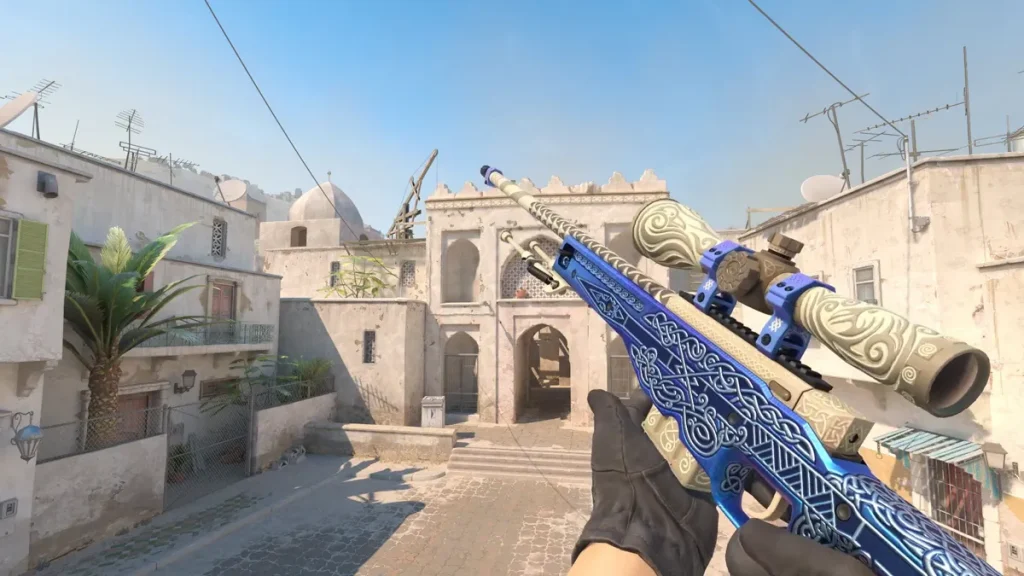
While Counter-Strike boasts a realistic, gritty visual theme, Valorant goes for the more colorful and vibrant approach. As a result, the former has found a greater audience in the older generations, whereas younger players are flocking to the latter. Aspects like character diversity and representation further strengthened Valorant’s appeal to Gen Z, offering a roster of agents that reflected different cultures, backgrounds, and identities, something that felt modern and inclusive compared to the traditional, militaristic tone of CS.
Accessibility has been another major differentiator. Contrary to CS, which requires a medium-end PC to run smoothly, Valorant was designed to run on a potato, which opened its doors to a massive audience in regions where high-spec rigs aren’t common and removing a barrier that often keeps competitive titles niche. With modest download sizes after the Unreal Engine 5 update and reliable performance even on integrated graphics, Riot ensured that anyone with a halfway decent connection could jump in and compete.
Valorant also leaned heavily into social connectivity and proved that gaming for Gen Z is as much about hanging out with friends as it is about competition. Features like an integrated voice chat, influencer-driven beta access, and constant community engagement through social media posts made the game feel more social compared to other shooters.
Challenges Ahead
Despite Valorant securing a strong early footing in the tactical FPS genre, several challenges still loom on the horizon. For one, its arrival pushed Valve to pick up the pace on the development of Counter-Strike 2, a move that has paid off massively. With a steady stream of updates, CS2 is now dominating the FPS charts, boasting an enormous player base. Beyond that, Valorant also faces stiff competition from other hero-shooter titles like Marvel Rivals, Overwatch, and Apex Legends. Of course, healthy competition ultimately benefits players, but it means Riot can’t afford to take its foot off the gas.
Then there’s the issue of competitive balance and utility overload. We’ve talked about these challenges in the past, but Riot now faces a delicate balancing act where they have to keep introducing new Agents and maps to keep the game fresh without overwhelming newcomers in the process.
Lastly, the increased toxicity and the current state of competitive play have also become a cause of concern for the players. While Riot has taken several measures to curb the rising toxicity in Valorant, the problem continues to persist. This not only impacts the overall player experience but also threatens the welcoming environment that initially set Valorant apart from the crowd.
Verdict
Valorant once again proved that Riot’s understanding of the cultural DNA of an entire generation is nothing short of impressive. Gen Z didn’t want another hyper-realistic military shooter to compete with CS; they wanted aesthetics, style, character personality, and something with an entirely new identity, all packaged in an extremely accessible title with a solid anti-cheat and a focus on competitive integrity from day one.
Valorant delivered all of that and more. It blended its esports aspirations with bright, colorful aesthetics and a design that was easy to pick up yet challenging to master. Now all that remains to be seen is whether it can continue to evolve as this generation grows up and the next wave of players enters the arena. If Riot can stay true to its winning formula, Valorant might just become the biggest shooter of the decade, even amid fierce competition.
League Week 3 Day 3 of the BGMI Masters Series Season 4 League Stage delivered another round of thrilling matches filled with unexpected clutches, underdog victories, and standout performances. Los Hermanos stole the spotlight with two match wins, while FS Esports and NoNx also secured important triumphs to shake up the leaderboard standings.
BGMS Season 4 League Week 3 Day 3 Match-wise Recap
Below is the match-wise recap of BGMS Season 4 League Week 3 Day 3:
Match 65 – Erangel
The first match witnessed a 4v3v2 showdown between K9 Esports, Genesis Esports, and Los Hermanos in the end zones. Genesis got eliminated early in a clash against K9, leaving Los Hermanos in a 2v4 disadvantage. Against all odds, Los Hermanos pulled off a remarkable clutch, defeating K9 to secure the chicken dinner.
Match 66 – Miramar
The second match boiled down to Los Hermanos, 4 Trouble Makerz (4TR), and FS Esports in a 4v3v2 fight. Los Hermanos knocked out 4TR, but in the final duel, FS Esports pulled off a stunning 3v2 victory despite being outnumbered, showing incredible composure in the desert terrain.
Match 67 – Sanhok
The Sanhok end zone clash featured Victores Sumus, Los Hermanos, and TWOB. Already weakened from earlier skirmishes, Victores Sumus fell quickly, turning the match into a 2v2 duel between Los Hermanos and TWOB. This time, Los Hermanos proved too strong and closed the game with their second chicken dinner of the day.
Match 68 – Erangel
The final game was a high-stakes battle featuring NoNx, SouL, and RevenantXSpark. NoNx eliminated Revenant early on, setting the stage for a dramatic 4v4 fight with SouL. In one of their most clinical performances of the league so far, NoNx dominated the final circle to take the win with 34 points, one of the highest scores of the day.
Overall Standings After BGMS Season 4 League Week 3 Day 3
At the end of Match 68, the leaderboard saw RevenantXSpark reclaim the top spot with 456 points, followed closely by Orangutan (451) and Gods Reign (440). SouL continued to climb, sitting at 437 points, while Genesis Esports rounded out the top five with 428 points.
Stay tuned to the TalkEsport app for detailed gaming and esports coverage, latest news, and much more!
Counter-Strike 2 skins are no longer recreational cosmetics, given their values have shot up in ways that rival cryptocurrencies and multi-bagger stocks. Players who have benefited from the value of CS2 skins compounding over time often tend to invest or keep their money in the form of skins. One can argue that CS2 skin returns beat the likes of stocks while offering a certain level of decentralization, similar to crypto, which makes it a good choice for investing and storing money. Still, in reality, there is more to it than meets the eye.
CS2 skins, on the surface, may look like digital assets that are decentralised, sharing multiple traits with blockchain, but in reality, it is far from being a digital token that protects your assets with the veil of anonymity. In this article, we will explore how the nature of CS2 assets has been misunderstood over time and how it may impact how we see them.
Understanding CS2 Skins: Traditional Digital Assets in a Centralised Ecosystem
Skins were introduced in the game when CS:GO was at a nascent stage. Goes without saying that it was introduced as a way to generate revenue out of the game’s massive player base. What was supposed to be just another revenue stream developed into the benchmark of virtual economy implementation in the world of video games.
With the freedom to send skins from one account to another, Valve essentially opened up the doors to creating a new market unlike anything the video game industry had seen before. Not only did this generate a revenue stream for Valve, but with time, we saw the rise of a whole economy surrounding skin trading.
The liquid nature of these digital assets promoted the rise of 3rd party websites where players can buy or sell skins, bypassing Valve’s commission system. This further opened up avenues of pledging and gambling, thus giving rise to a layer of morally challenging lines of business, and all of this grew as an offshoot of the three CS skins.
While these skins are allowed to be sent outside the Valve trading ecosystem, they must remain in Steam accounts, which makes it anything but anonymous. Once a skin is released, Valve maintains a record of every hand it has been traded to. While 3rd-party website transactions may not be traceable, their ownership and value are logged every step of the way.
The myth of decentralisation of CS2 skins ends here, as Valve carefully maintains a centralised database, which fundamentally differentiates the whole economy from that of cryptocurrency.
The Technical Architecture Behind CS2 Skin Ownership
Valve’s proprietary system tags each asset within the ecosystem with a Unique ID or UID. Blockchain uses distributed ledgers to verify ownership, but Valve maintains a centralised database tracking every single piece of information about a digital asset. CS2 skins rely entirely on Valve’s centralised authentication system, putting it entirely under the control of a single entity.
This technical distinction is how CS2 skins differ from decentralised currencies and possess usage rights within the Steam ecosystem alone, but are largely controlled by Valve. Blockchain assets, conversely, are not controlled by any single entity as long as the core network remains operational.
Ownership records for blockchain are kept with the millions of independent nodes across the world through which NFTs, crypto tokens, and other digital assets are stored. These assets are free of any service provider, making them accessible via multiple interfaces and outside of government control.
The Centralisation Paradox: Why Steam’s Control Matters
The entire network is controlled by Valve, and thus, a massive dependency exists on a single entity. The market will continue to work as long as the Valve network remains operational, and on the off chance that it faces downtime, the entire market will come to a halt.
The economic characteristics of CS2 skins versus blockchain assets expose the differences in market behaviour and their nature as an investable asset. The value of CS2 skins is driven by scarcity, and if the market gets flooded with a particular skin, then we are bound to see a massive drop in the price. The engagement with the game remains another crucial factor as CS2 is continuously challenged by other FPS, which impacts its player base, and a lack of daily active players would draw down the price of the game.
Blockchain assets are just as volatile, and their prices are vulnerable to a plethora of factors. Crypto prices are influenced by the broader cryptocurrency market, latest technology adoption, and speculative investment activity. While the risk is readily apparent, it is not controlled by the ecosystem of a single game.
Market Liquidity and Transaction Costs
The massive rise of the Counter-Strike skin industry can be attributed to a well-structured marketplace that brings proper liquidity along with pocket-friendly transaction fees. All of this helped in the development of a massive trading community entirely built around a video game.
Blockchain, on the other hand, offers a layer of fees that can often lead to a substantial amount. Ethereum is infamous for gas fees, and there are marketplace commissions added on to that, but with crypto, you get a global trading network, and storage and transactions can be taken care of by a plethora of players in the market.
Interoperability and Future-Proofing: Long-term Considerations
One of the key aspects where Blockchain can separate itself from CS skins is in its interoperability. Interoperability can be defined as the ability of an asset to function across multiple platforms, games, and applications, which is where its value becomes more compelling in direct competition with CS skins.
For CS2 skin to be valuable, players generally need to convert it to money using 3rd party platforms, as Valve does not allow the liquidation of its digital assets. Unless you choose to risk your skin on 3rd party websites, the money invested will remain trapped in the Valve ecosystem, where you can buy other assets on Steam, but it never leaves the Steam Digital Wallet.
Understanding the Distinction for Better Digital Asset Strategies
Both the fundamental and underlying differences in both assets are not just technical. Crypto and CS Skins are far from each other, considering ownership rights, value stability, platform independence, regulatory treatment, and long-term utility. While both depict their pros and cons, it boils down to individual preferences, risk tolerance, and understanding of the market.
CS2 can excel in its intended context as a cosmetic enhancement and an item that bears its value as a collectible, but its centralised nature carries the risk of one entity dictating what becomes of your asset in the future. Blockchain addresses this dependency by spreading its assets through a decentralised network, which remains out of the bounds of a single entity.
Blockchain relieves its owners of a platform dependency and thus promotes true digital asset ownership, but all of it comes with a risk profile of its own. Technical sophistication and understanding of the global crypto market is difficult, and not everyone possesses expertise in this space.
In a world where we have a plethora of investment instruments, the correct approach would be to divide your capital based on your goals and risk tolerance, which will make sure that if one instrument fails, others can keep you afloat. The idea is not to pick one or the other; the goal of an investor should be to achieve their targets, but to spread the risk based on their tolerance. A dynamic portfolio is often the one that statistically provides greater returns for the masses, and that holds even if you include CS2 skins and Crypto in the field.
Skyesports, the premier global IP and community builder, has successfully wrapped up the first-ever edition of Gaming Thiruvizha at the Chennai Trade Centre on August 30–31, bringing together more than 17,000 fans across two unforgettable days of gaming, anime, stand-up comedy, cosplay, music, and culture.
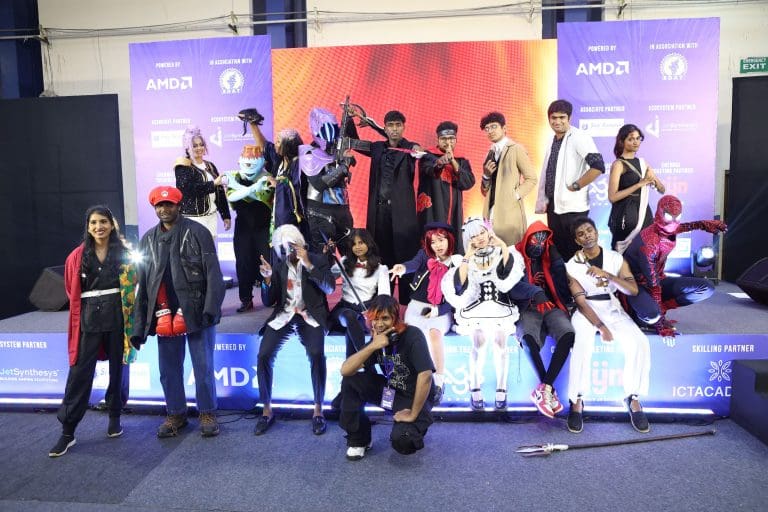
Gaming Thiruvizha turned out to be more than an event as it became a two-day carnival. From esports showdowns at LAN zones to cosplay walks, live stand-up, and Tamil cultural showcases, the Chennai crowd transformed the Trade Centre into a festival that truly belonged to them. Moreover, fans didn’t just attend; they stayed, celebrated, and created memories together.
The audience mix was as vibrant as the festival itself: college students, families, and kids all came together, proving that gaming and anime are no longer niche hobbies, but shared cultural movements.
Powered by AMD, with ticketing exclusively on KYN, Gaming Thiruvizha was hosted in association with the Sports Development Authority of Tamil Nadu (SDAT) and supported by AGS Cinemas as the Chennai Edition Theatre Partner.
Commenting on the conclusion of the Gaming Thiruvizha, Shiva Nandy, Founder and CEO, Skyesports, said: “We couldn’t have asked for a better first edition of the Gaming Mahotsav. The energy of the crowd and the diversity of the audience reminded us why we built this IP — to bridge the gap between casual gamers and esports, and to create a space where gaming, anime, and culture thrive together. Next up, we will be bringing the concept to Bangalore in late September.”
The festival also welcomed dignitaries including Meghantha Reddy (Sports Development Authority of Tamil Nadu), Darez A. (MD, Guidance Tamil Nadu), and Gayathri Thyagarajan (Founder & CEO, Kynhood Technologies), underlining the growing recognition of gaming and esports as part of Tamil Nadu’s cultural and creative economy.
Highlights of the Event
LAN tournaments across BGMI, Valorant, and other titles, with fans cheering players on in true stadium style.
A pan-India Cosplay competition bringing cosplayers from across the country with stunning costumes judged by top creators and anime experts.
Red Bull Armageddon, India’s first all-Armageddon format chess tournament, brought together over 350 players in Chennai with International Master Tania Sachdev and Grandmaster M. Shyam Sundar leading the action.
Merch alleys buzzing with anime and gaming collectibles alongside local Tamil art.
Stand-out experiential booths and meet-and-greets with Team Tamilas, Autobotz Esports, and Welt Esports.
PVR Cinemas set up local food experience stalls for attendees.
With India on track to reach 700 million gamers by 2027, and anime/cosplay engagement skyrocketing across social media, Gaming Thiruvizha demonstrated that hyperlocal, immersive festivals are the way forward.
Gaming Thiruvizha is the first chapter of Skyesports’ Gaming Mahotsav, a six-city touring pop culture festival with regional editions in Bengaluru, Hyderabad, Mumbai, Kochi, and Pune. Each stop blends gaming, anime, music, comics, and local culture into one cohesive community celebration.
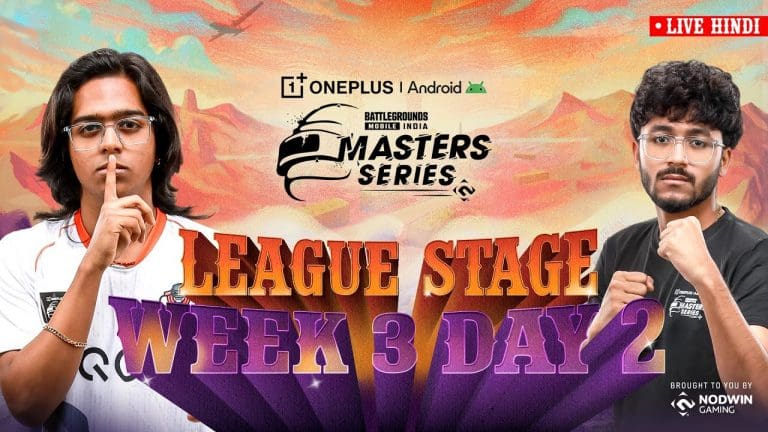
League Week 3 Day 2 of BGMI Masters Series Season 4 was filled with dominance, resilience, and high-octane fights as GodLike Esports, SouL, Gods Reign, and Genesis Esports clinched wins across four matches. With Orangutan, Revenant, and Gods Reign all battling near the top, the leaderboard grew even tighter heading into the crucial final phase of the League Stage.
BGMS Season 4 League Week 3 Day 2 Match-wise Recap
Below is the match-wise recap of BGMS Season 4 League Week 3 Day 2:
Match 61 – Erangel
The day kicked off with Team Aryan (AX), GodLike Esports (GODL), and Meta Ninza (NINZ) clashing in a 4v3v2 finale. AX held strong positions but were dismantled as GODL stormed through the zone with precision. In the final 4v2 brawl, GODL dominated, securing the chicken dinner with 11 finishes and 10 placement points, for a total of 21 points. Orangutan followed with 16 points, while Reckoning Esports managed 14 points.
Match 62 – Miramar
The desert battleground gave fans one of the biggest performances of the split. In a 4v3v2 fight between Orangutan (OG), NoNx, and SouL, it was iQOO SouL who came out on top with incredible firepower. SouL dropped 22 finishes and 10 placement points, claiming a monstrous 42-point chicken dinner — the highest single-game tally of the league so far. OG held on for 23 points, while Victores Sumus followed with 18 points.
Match 63 – Sanhok
Sanhok brought Gods Reign (GDR), Global Esports (GE), and Orangutan (OG) into a tight final circle. Despite OG’s strong finish points and GE’s late push, it was Gods Reign who executed their rotations flawlessly to secure the win with 12 finishes and 10 placement points, totaling 22 points. OG added 19 points to their tally, while NoNx chipped in with 18 points.
Match 64 – Erangel
The final match of the day saw Genesis Esports (GNS), MadKings (MAD), and Revenant x Spark (RNTX) clash in a tense 3v2v1 finale. Genesis, who had been hunting for consistency, finally got their moment to shine as they wiped both MAD and RNTX to secure their chicken dinner. GNS closed the game with 9 finishes and 10 placement points, ending on 19 points. MAD claimed second with 15 points, while NINZ followed with 11 points.
Overall Standings After BGMS Season 4 League Week 3 Day 2
After Day 2, iQOO Orangutan (OG) stormed to the top with 44 matches, 256 finishes, 70 bonus points, 118 placement points, totaling 444 points. Revenant x Spark (RNTX) trailed narrowly in second with 437 points from 196 finishes and 147 bonus points. OnePlus Gods Reign (GDR) kept their momentum in third with 436 points, boasting 227 finishes and 131 placement points. SouL’s explosive 42-point game catapulted them into the top four with 414 points, while Genesis held onto fifth with 404 points.
Stay tuned to the TalkEsport app for detailed gaming and esports coverage, latest news, and much more!
The opening day of League Week 3 in BGMI Masters Series (BGMS) Season 4 delivered pure chaos and thrilling finishes. With Marcos Gaming, K9 Esports, FS Esports, and Los Hermanos taking wins across four matches, the standings saw fresh twists as Revenant held onto the top spot but faced new challengers closing in.
BGMS Season 4 League Week 3 Day 1 Match-wise Recap
Below is the match-wise recap of BGMS Season 4 League Week 3 Day 1:
Match 57 – Erangel
The day began with a heated 4v3v2v2 showdown between Revenant x Spark, Marcos Gaming (MG), NoNx, and TWOB. Revenant, stuck in a tough position, were bombarded by utility and gunfire from multiple directions and were the first to exit. Finally, the fight boiled down to a 2v2v2, where Marcos Gaming, leveraging superior positioning, secured the chicken dinner with 13 finishes and 10 placement points, totaling 23 points. NoNx followed with 14 points, while Ninz and TWOB managed 11 points each.
Match 58 – Miramar
Miramar featured Global Esports (GE), Gods Reign (GDR), and K9 Esports in the final zone. GDR fell first, leaving a nail-biting 2v2 fight between K9 and GE. Despite GE’s relentless firepower, K9 Esports held firm to grab the win with 6 finishes and 10 placement points, ending on 16 points. GE, with their aggressive push, topped the chart with 24 points, while GDR earned 20 points.
Match 59 – Sanhok
One of the most thrilling endings of the day came in Sanhok, with Victores Sumus (VS), FS Esports, and True Rippers (TRX) in a 4v2v1 standoff. TRX bowed out early, setting up a 4v2 battle between VS and FS. While FS’s Levi and VS’s Thunder traded knocks, the fight came down to a 1v3 clutch attempt by FS’s Godx. In a jaw-dropping play, Godx wiped out the remaining VS players to hand FS Esports the chicken dinner with 13 finishes and 6 placement points, totaling 19 points. Godx’s clutch was the highlight moment of the day.
Match 60 – Erangel
The final game of Day 1 saw FS Esports, Los Hermanos (LHS), and Genesis Esports (GNS) face off in a 4v4v2 battle. Genesis fell first, leaving FS and LHS in a tense 4v4. In the deciding clash, Los Hermanos showcased strong teamwork and clean execution, closing out the day with the win. LHS finished with 16 finishes and 10 placement points, a massive 26-point game. FS followed with 13 points, while AX managed 11 points.
Overall Standings After BGMS Season 4 League Week 3 Day 1
After the first day of Week 3, Revenant x Spark stayed at the top with 40 matches, 2 WWCDs, 184 finishes, 142 bonus points, 87 placement points, and a total of 413 points. Hero Xtreme GodLike (GODL) surged into second with 40 matches, 205 finishes, 86 bonus points, 100 placement points, and 391 points. Meanwhile, OnePlus Gods Reign followed closely in third with 40 matches, 204 finishes, 72 bonus points, 111 placement points, totaling 387 points.
Vitality is through to the quarterfinals of the BLAST Open London, having outlasted FaZe Clan in a test of endurance. Vitality beat FaZe 2-1, but the latter did manage to pose a tough challenge.
FaZe took charge of the game with a fast-paced pistol rush to A site to open up Mirage and continued with the momentum to go 3-0 up. While Vitality did manage to win a few rounds in between, FaZe kept a grasp of their lead to close the first half with a 7-5 lead. Winning the pistol round, FaZe went 9-5 up before Vitality’s offence went on a tear to hit map point before FaZe could hit double digits. Winning the first full gun round, FaZe, by the skin of their teeth, managed to push the game to OT. An unbelievable 3-5 win kicked off OT for FaZe Clan, but that was all they managed on the defence, leading to Vitality closing the first half of OT with a narrow lead. Winning the first Vitality hit map point, but FaZe retaliated to push the game to another overtime.
The first half ended with ropz narrowly edging out a lead, but it was FaZe who hit map point with a stellar retake of the B site. A total shutdown in the following round saw them take the best team in the world apart to win Mirage. With 36 and 37 kills to their name, Broky and FrozeN delivered in aces and spades to take FaZe 1-0 up in the series.
Map 2: Nuke; Pick: Vitality; Winner: Vitality
Winning the pistol round, FaZe dropped the ball on their defense as Vitality’s slow and coordinated offense managed to dominate them the entirety of the half. Winning the final few rounds, Vitality closed the half with a narrow lead of 7-5. Winning the first pistol round, FaZe went on to level the scoreline and move on, taking the lead, which lasted as long as the next round. While Vitality did manage to snatch back the lead, it was FaZe who hit map point first, but Vitality pulled the game into OT for the second time in the series. It wasn’t until the 3rd overtime that the map gave us a winner, with Vitality pulling ahead with a 19-16 scoreline.
Map 3: Inferno; Pick: Decider; Winner: Vitality
Starting with a bang, Vitality pulled into a 4-0 lead before FaZe hit the scoreboard. Things looked bleak for the FaZe Clan roster as Vitality stacked rounds up rounds till FaZe fell 8-4 behind by the end of the first half. The hopes of a comeback were crushed by Vitality right from the start of the second half. FaZe did manage to win a round, but it was Vitality through and through to close the series with a 13-5 scoreline.
FaZe may not have come out on top, but there will still be a chance. They will be at the LAN Finals in London. As FaZe keep improving, only time will tell if Karrigan can make something out of the pieces at hand.