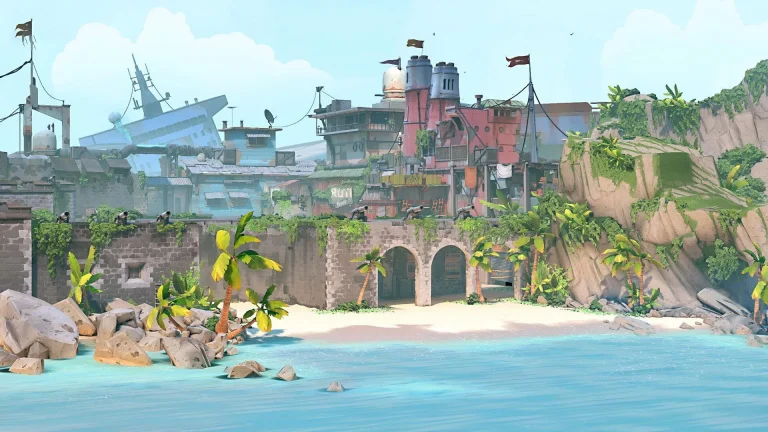
Riot Games has officially removed Breeze from the Valorant map pool across all queues after reports of a game-breaking bug involving one of the map’s wooden boxes began circulating on social media.
According to community reports, the wooden box at the entrance to the A-site had been causing various bugs with the map. Videos surfacing on forums show Agents like Kijjoy and Reyna being able to abuse the textures of the box to throw out seemingly unbreakable utility and catch enemies off-guard.
It didn’t take long for clips of the bug to spread across social media, with players quickly calling on Riot Games to address the issue. Just a few hours later, the developer responded by removing Breeze from all Valorant queues (except Custom Games) while it works on a fix.
Breeze has been disabled from all queues except Custom Games. // #VALORANT
— VALORANT Leaks & News (@VALORANTLeaksEN) June 3, 2026
When Will Breeze Return to Valorant?
Riot has confirmed that Breeze will make its return to the Valorant map pool alongside the release of Patch 12.11.
The highly anticipated Valorant 12.11 update is expected to hit the live servers on June 9-10, 2026, depending on your game’s region.
The removal of Breeze comes less than a day after the reintroduction of Cypher to Valorant’s Agent roster. For the unaware, Cypher also saw a temporary removal from the shooter as a result of a nasty bug that allowed his Spycam to equip pistols, enabling players to gun down enemies from the camera’s perspective.
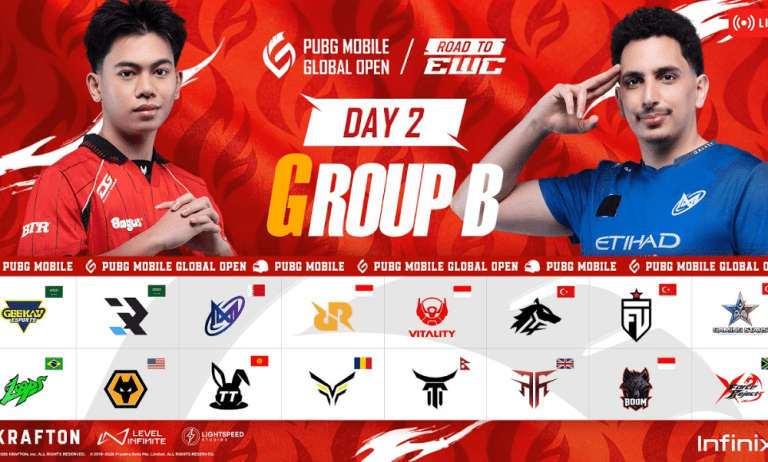
The PUBG Mobile Global Open (PMGO) 2026 Season 1 continues on June 3 with the second day of the Group Stage. After Group A completed its matches on the opening day, it is now time for Group B teams to enter the battleground and fight for a place in the next stage of the tournament.
Some of the biggest names in PUBG Mobile esports, including Bigetron by Vitality, Loops Esports, ULF Esports, RRQ RYU, and Nigma Galaxy, will compete across six matches today. With direct qualification to the Grand Finals on the line, every point will be crucial as teams look to secure a strong finish in the standings.
PMGO 2026 Season 1 Day 2 Match Schedule
Group B will play all six of its matches on June 3 across Rondo, Erangel, and Miramar.
Match
Map
Time (IST)
Match 1
Rondo
4:30 PM
Match 2
Erangel
5:15 PM
Match 3
Erangel
6:00 PM
Match 4
Erangel
6:45 PM
Match 5
Miramar
7:30 PM
Match 6
Miramar
8:15 PM
The opening battle will take place on Rondo before teams move to three consecutive matches on Erangel. The day will conclude with two Miramar games that could prove decisive in determining the final standings.
Group B Teams
The following 16 teams will compete during Day 2 of the PMGO 2026 Season 1 Group Stage:
Bigetron by Vitality
FUT Esports
Gaming Stars
Geekay Esports
Hatyara Crew
Loops Esports
Nigma Galaxy
PMIO #1
R8 Esports
RRQ RYU
THE VICIOUS
TT PROJECT
Trained to Kill
ULF Esports
Wolves Esports
XForce Rejects
With several regional champions and international contenders in the lobby, fans can expect intense competition throughout the day.
The tournament begins with 32 teams split into two groups of 16. Each team plays six matches during the Group Stage.
At the end of the stage:
Top 6 teams from each group qualify directly for the Grand Finals.
Teams placed 7th to 14th advance to the Survival Stage.
The bottom two teams from each group are eliminated from the competition.
Survival Stage (June 4)
The Survival Stage will feature 16 teams that failed to secure direct qualification from the Group Stage. These teams will play six matches, with only the top four teams earning a spot in the Grand Finals.
Grand Finals (June 6-7)
The PMGO 2026 Season 1 Grand Finals will feature 16 teams, including 12 teams from the Group Stage and four teams from the Survival Stage.
A total of 12 matches will be played across two days. The final day will use the Smash Rule format, adding extra pressure and excitement as teams battle for the championship title.
Where to Watch PMGO 2026 Season 1 Live
Fans can watch all PMGO 2026 Season 1 matches live through the official PUBG Mobile Esports YouTube channel. The tournament broadcast will be available in multiple languages, allowing viewers from around the world to follow the action live from Jakarta, Indonesia.
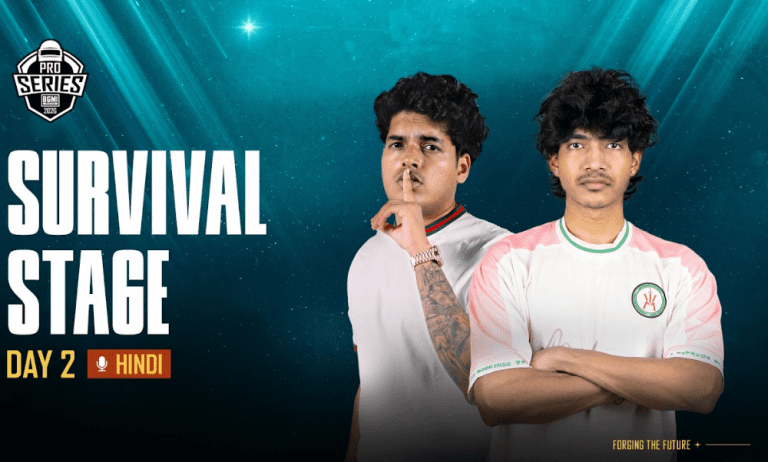
The BMPS 2026 Points Table for the Survival Stage Day 2 is now live. We are updating the BMPS 2026 Survival Stage points table after every match to provide the fastest and most accurate standings throughout the day. A total of six matches will be played today, with the action starting at 4:00 PM IST and concluding at 7:20 PM IST. Each group will play three matches as teams battle for crucial points in the race to qualify for the Semi Finals.
Stay tuned for live updates and check out the latest BMPS 2026 points table, overall standings, team rankings, and match-by-match results from the BMPS 2026 Survival Stage Day 2.
BMPS 2026 Points Table Live for Survival Stage Day 2
Team Apex Gaming – 81 Points
Team Versatile – 62 Points
True Rippers – 61 Points
K9 Esports – 57 Points
Team AX – 56 Points
Myth Official – 54 Points
Learn From Past – 50 Points
Madkings – 49 Points
Esport Social – 47 Points
Lastade Esports – 45 Points
Ares Esports – 42 Points
Quantum Sparks – 41 Points
T7 x Orion Esports – 39 Points
Troy Tamilan Esports – 38 Points
Rapid Chaos Esports – 38 Points
Godsent Esports – 37 Points
Team REDXROSS – 37 Points
Naqsh Esports – 34 Points
NONx Esports – 33 Points
Santa Esp – 29 Points
H4K Esports – 29 Points
Jaguar Esports – 27 Points
Aura X Esports – 26 Points
DCxSCR Esports – 25 Points
GENxFM Esports – 22 Points
Rising Esports – 21 Points
HADx Esports – 19 Points
Team DOXY – 19 Points
ThunderGods x Tortuga Gaming -17 Points
RiotNationZ – 12 Points
Likitha Esports – 11 Points
Phoenix Esports – 10 Points
MPS 2026 Survival Stage Day 2 Match Schedule
The day will begin with a Rondo match before shifting to Erangel and ending with two Miramar games.
The Survival Stage is being played from June 2 to June 5 and features 32 teams that advanced from the BMPS 2026 Round 1 competition.
The participating teams have been divided into four groups of eight teams each. Matches are being played in a round-robin format, ensuring every team gets 12 opportunities to earn points.
Once all matches are completed, teams will be ranked on a single overall leaderboard. Only the top eight teams will secure qualification to the BMPS 2026 Semi-Finals, while the remaining 24 teams will see their tournament journey come to an end.
Where to Watch BMPS 2026 Survival Stage Day 2
Fans can watch all BMPS 2026 matches live on the official Krafton India Esports YouTube channel. The tournament broadcast is available in both Hindi and English, allowing viewers to follow all the action live as teams battle for a place in the Semi-Finals.
The Battlegrounds Mobile India Pro Series (BMPS) 2026 Survival Stage returns for its second day on June 3, with teams looking to improve their position on the overall leaderboard. After an action-packed opening day, True Rippers sit at the top of the standings with 52 points, while Team AX and Learn From Past complete the top three.
With only eight Semi-Finals spots available, every match will play a crucial role in deciding which teams continue their BMPS 2026 journey. A total of six matches are scheduled for Day 2 across Rondo, Erangel, and Miramar.
BMPS 2026 Survival Stage Day 2 Match Schedule
The day will begin with a Rondo match before shifting to Erangel and ending with two Miramar games.
The Survival Stage is being played from June 2 to June 5 and features 32 teams that advanced from the BMPS 2026 Round 1 competition.
The participating teams have been divided into four groups of eight teams each. Matches are being played in a round-robin format, ensuring every team gets 12 opportunities to earn points.
Once all matches are completed, teams will be ranked on a single overall leaderboard. Only the top eight teams will secure qualification to the BMPS 2026 Semi-Finals, while the remaining 24 teams will see their tournament journey come to an end.
Where to Watch BMPS 2026 Survival Stage Day 2
Fans can watch all BMPS 2026 matches live on the official Krafton India Esports YouTube channel. The tournament broadcast is available in both Hindi and English, allowing viewers to follow all the action live as teams battle for a place in the Semi-Finals.
One of the biggest surprises of the PUBG Mobile Global Open (PMGO) 2026 Season 1 has come from Jakarta, Indonesia, where defending PUBG Mobile Global Championship (PMGC) winners Alpha7 Esports have been knocked out of the tournament during the Group Stage.
The Brazilian powerhouse entered the competition as one of the favorites to lift the trophy. However, the team struggled to find momentum throughout the opening stage and managed to score only 19 points across six matches. This performance placed Alpha7 Esports in 15th position in the Group A standings, resulting in an early exit from the event.
Alpha7 Esports’ Difficult Campaign
The Alpha7 Esports roster, featuring Revo, Carrilho, Guizao, Obscure, and Nouthz, failed to deliver the level of performance fans have come to expect. The squad was unable to secure enough placement and elimination points during the Group Stage, leaving them near the bottom of the leaderboard.
The result is particularly surprising considering Alpha7’s recent achievements on the global stage. The organization won the PUBG Mobile World Cup in 2024 and later became PMGC champions, establishing themselves as one of the strongest teams in competitive PUBG Mobile. Their elimination from PMGO 2026 Season 1 has therefore shocked fans and analysts across the esports community.
The early exit could also make Alpha7’s road to PMGC 2026 qualification more challenging, as every major international tournament now carries significant importance in the race for championship qualification points.
The top six teams from Group A have secured direct qualification to the PMGO 2026 Season 1 Grand Finals. These teams are Horaa Esports, eArena, Pandum, S2G Esports, Aurora Gaming, and FURIA Esports.
Meanwhile, teams placed between seventh and fourteenth have earned a second chance through the Survival Stage. Boars Gaming, IDA Esports, VOIN Esports, 4Thrives Esports, GOAT Team, AlUla Club, 721 Esports, and Team Flash will continue their journey in the tournament through this stage.
Unfortunately, Alpha7 Esports and ETSH Esports finished in the bottom two positions and have been officially eliminated from the competition.
PMGO 2026 Season 1 Format
The Group Stage of PMGO 2026 Season 1 is being played on June 2 and June 3 with a total of 32 teams competing. The teams are divided into two groups of 16, and each squad plays six matches.
After the completion of all matches, the top six teams from each group qualify directly for the Grand Finals. Teams finishing from seventh to fourteenth place move to the Survival Stage, while the bottom two teams from each group are eliminated from the tournament.
With Alpha7 Esports already out of contention, all eyes will now be on the remaining teams as they continue their fight for the PMGO 2026 Season 1 title.
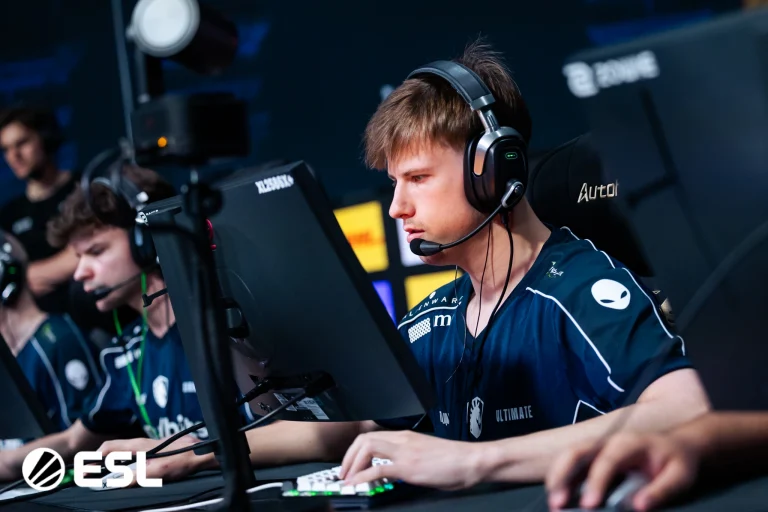
The Counter-Strike 2 IEM Cologne 2026 Major is officially underway, bringing some of the best teams in the world to Cologne, Germany, as they battle for one of the most prestigious titles in all of esports.
Stage 1 for the IEM Cologne Major kicked off earlier today, as sixteen elite teams began their journey through the Major in hopes of securing a place in Stage 2 and keeping their championship dreams alive.
The first round of the Stage saw some teams pulling off incredible upsets, with Sharks and THUNDER dOWNUNDER defeating Heroic and MIBR to start their campaigns at 1-0 and ruin plenty of Pick’Ems in the process. Meanwhile, favorites B8 and GamerLegion lived up to expectations, securing comfortable wins and an early advantage in the Swiss stage.
In this article, we’ll go through what went down in the subsequent IEM Cologne Major 2026 Stage 1 Round 2 matchups.
CS2 IEM Cologne Major 2026 Stage 1 Round 2 Results
Here are the results of all the IEM Cologne Major 2026 Stage 1 Round 2 games:
Team 1
Score
Team 2
HEROIC
11–13
Lynn Vision
MIBR
16–14
TYLOO
M80
13–6
Sharks
BIG
13-1
Gaimin Gladiators
B8
13–11
THUNDER dOWNUNDER
SINNERS
6–13
NRG
GamerLegion
13–11
FlyQuest
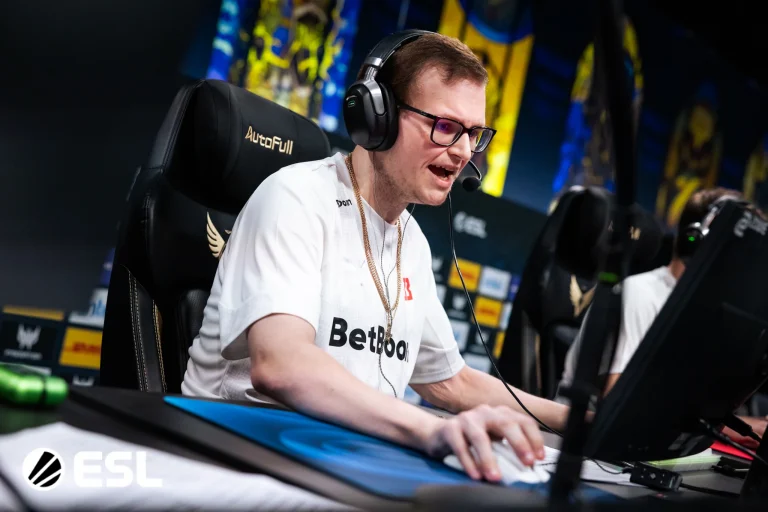
BetBoom
13–9
Liquid
While the Pick’Ems for many players have already been shaken up, the Major is only getting started. Round 3 begins tomorrow at 12:30 UTC, kicking off another crucial day of Stage 1 action.
Fans can catch all the action that unfolds during the CS2 IEM Cologne 2026 Major by tuning into the official livestreams of the event on Twitch or YouTube.
The highly anticipated ESL Cologne Major Stage 1 Round 1 is underway, and opening day has given us a few shockers, as we have come to expect from opening days. As the event unfolded, the first round gave us everything we expected, from close matches to surprising upsets. It has been a treat to witness the opening of a Counter-Strike Major.
M80 eased past Asian giants Lynn Vision to kick off the Major as FlyQuest closed a dragged-out match against SINNERS. THUNDER dOWNUNDER managed to pull off the first upset of the day as they secured a 13-6 win over MIBR, who were one of the better teams in this stage. B8 eased past TYLOO to kick off the game before Sharks pulled off the second upset of the day against HEROIC. GamerLegion pulled off a close win against NRG, where NRG managed to make a point for themselves. BetBoom breezed past Gaimin Gladiators as Liquid secured an impressive win against BIG to close out the round.
The Major is the biggest Counter-Strike event, and we are two stages away from the main event, with the opening day giving us some exciting matches to keep the excitement high for the remainder of the tournament. While opening results cannot speak to the competence of the teams, they sure set the tone for what is to come. The day is far from over, as the Round 2 matches are already underway as we speak, so tune in before you miss the action.
Valve has published the updated global CS2 rankings for June 2026. This snapshot decides which teams get direct invites to two of the biggest events left in the year: the Esports World Cup 2026 and Stake Ranked Episode 3.
Team Vitality leads the global standings, with Team Spirit, Team Falcons, Natus Vincere, MOUZ, and Legacy making up the rest of the top six. The top six matters most in the short term because those six teams earn direct spots in Stake Ranked Episode 3.
Legacy’s Rise Changes the Picture
The most notable shift in this update is Legacy breaking into the top six. Legacy gained 36 VRS points after winning the CS Asia Championships 2026 and climbed into sixth place, improving their position for future invites.
Legacy went into the CS Asia Championships grand final as underdogs, having already lost to Team Falcons in the group stage. They came back to win 3-1 in Shanghai, claiming back-to-back titles at the event.
Falcons, despite reaching the final, lost 21 VRS points and remained third in the standings after failing to secure the title.
21 Teams Confirmed for EWC 2026
The full list of 21 teams that earned direct tickets to the Esports World Cup 2026 through the VRS is:
Standing
Points
Team Name
Roster
1
2024
Vitality
apEX, flameZ, mezii, ropz, ZywOo
2
1990
Spirit
donk, magixx, sh1ro, tN1R, zont1x
3
1954
Falcons
karrigan, kyousuke, m0NESY, NiKo, TeSeS
4
1940
Natus Vincere
Aleksib, b1t, iM, makazze, w0nderful
5
1859
MOUZ
jL, Spinx, torzsi, xelex, xertioN
6
1856
Legacy
arT, dumau, latto, n1ssim, saadzin
7
1763
The MongolZ
910, bLitz, cobrazera, mzinho, Techno
8
1741
Aurora
MAJ3R, soulfly, Wicadia, woxic, XANTARES
9
1724
GamerLegion
hypex, PR, REZ, Snax, Tauson
10
1721
Astralis
HooXi, jabbi, phzy, ryu, Staehr
11
1716
FURIA
FalleN, KSCERATO, molodoy, YEKINDAR, yuurih
12
1694
FUT
cmtry, dem0n, dziugss, Krabeni, lauNX
13
1683
G2
HeavyGod, huNter-, MATYS, NertZ, SunPayus
14
1679
PARIVISION
BELCHONOKK, Jame, nota, xiELO, zweih
15
1633
9z
dgt, HUASOPEEK, luchov, max, meyern
16
1582
B8
alex666, esenthial, kensizor, npl, s1zzi
17
1562
BetBoom
Boombl4, FL4MUS, Magnojez, S1ren, zorte
18
1550
magic
AW, MaSvAl, mo0N, sFade8, tenzy
19
1549
paiN
biguzera, piriajr, saffee, snow, vsm
20
1535
MIBR
brnz4n, insani, kl1m, LNZ, venomzera
21
1517
Monte
afro, AZUWU, Bymas, Gizmy, Rainwaker
The Esports World Cup 2026 will have a $2,000,000 prize pool. The tournament features 32 teams split into four groups in a double-elimination format, with most teams qualifying based on their VRS ranking in June.
FaZe Clan Misses the Cut
The biggest miss in this update is FaZe Clan finishing 22nd, just outside the direct qualification zone for EWC. The team now has to fight through regional qualifiers to reach the event.
FaZe Clan recently competed at Stake Ranked Episode 2, finishing third after a 0-2 defeat to Ninjas in Pyjamas in the semifinals. That result and the points lost just before Valve’s deadline cost them the direct invite.
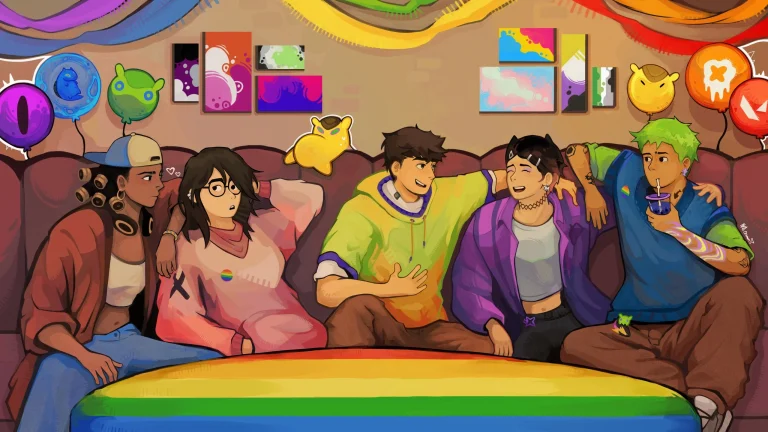
Riot Games has dropped three free reward codes for Valorant’s Pride Month 2026. The codes went live on June 1 and are active through the end of June. Once June ends, the codes expire, and the items become unobtainable.
This year’s rewards include a new title, a spray, and a set of player cards. Here is everything you need to know.
All Valorant Pride 2026 Codes
Riot Games published three codes on the official Valorant website. Players can redeem them to get the following items for free:
“Holding Space” Title:CC-VAL26-HOLDN-SPACE
Pride Wingman Spray:CC-VAL26-ALLUV-SPRAY
Player Cards:CC-VAL26-PLAYR-CARDS
The player cards code unlocks eight cards: Pride // Sherbet, Pride // Galactic, Pride // Sunset, Pride // Mint, Pride // Rainbow, Pride // Twilight, Pride // Primary, and Pride // Cotton Candy.
celebrate your PRIDE with these rewards – link in bio.
The Pride Wingman Spray features Gekko’s Wingman holding a heart symbol painted in multiple colors.
The codes are active until the end of June. After the month ends, the codes expire. Riot does not re-release expired seasonal codes, so redeem them before June 30.
How to Redeem Valorant Pride Codes
There are two ways to redeem codes: through the Riot Games website or directly in the game client.
Confirm on the summary screen by clicking Redeem Code again.
Via the in-game client:
Launch Valorant and log in. Click the Valorant icon near your VP balance in the upper right corner. Select Prepaid Cards & Codes, then enter the code and submit.
Each code needs to be entered separately. After a successful redemption, the item goes straight to your inventory.
Honor of Kings is the most-played MOBA on the planet, and for most of its decade-long life it barely acknowledged India existed.
That changed on March 11, 2026, when Tencent’s TiMi Studio and Level Infinite launched the game in the country. The launch came with a Rs 10 crore localisation commitment, two Esports World Cup 2026 slots reserved for Indian teams, and one promise that has hung over the entire rollout: a hero built specifically for India, arriving in June.
That hero now has a name and a release date. Devara, the only fully original character in the Honor of Kings Plus Version Update landing June 17, is a Clash Lane Fighter whose story is built around legacy, lightning, and a young successor inheriting a power passed down for two thousand years. He is the first hero in the game’s main roster drawn directly from Indian tradition, and he arrives alongside three other heroes and reworks to more than 90 existing characters.
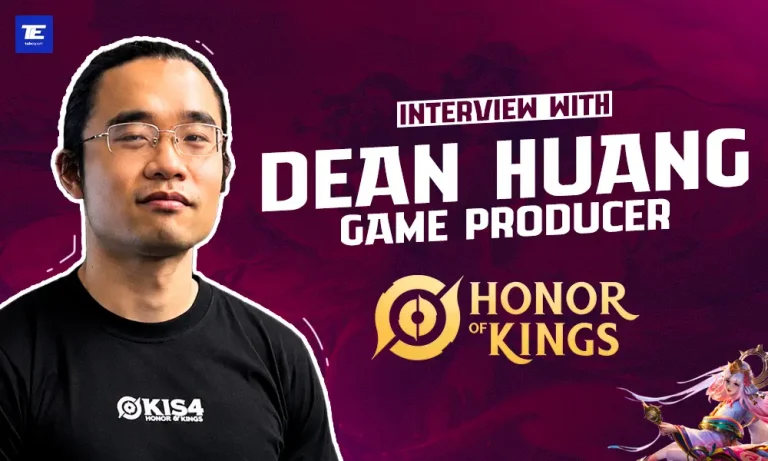
For a studio that has built its 120-plus hero roster overwhelmingly on Chinese epic tradition, Devara is the first real test of whether it can localise without flattening. We sat down with Dean Huang, Producer of Honor of Kings, to talk about how heroes get made, what Brazil’s Luara taught the team, the KPL moment that forced a mechanic rework, and the honest answer he gives Indian students who want into the industry.
Designers can predict systems, but players ultimately define how a game is played Dean Huang, Producer of Honor of Kings
When you’re designing a new hero, at what point do you know it’s actually going to work? Is there a specific playtest moment, a metric, or just a feeling?
Honestly, data can only verify whether a hero clears the baseline. It cannot tell you whether the hero has a soul. We validate a design by looking at two things alongside the numbers.
The first is the community, whether the design genuinely responds to what players have been hoping for. The second is the design team’s own instinct as players. When the team finishes a match and immediately wants to queue up another round, that kind of joy cannot be faked.
A hero starts to feel successful when players interact with it naturally, rather than needing to be taught how to have fun with it. Pick rates, engagement time, and match performance all matter, but there is also a qualitative layer. We watch playtests and see players experiment creatively with a hero’s mechanics. When players start discovering strategies on their own, that is often the strongest signal that the design has real potential. We had a case where players on the test server developed unintended combos for a hero while the win rate held steady in a healthy range. That was the moment we knew the direction was right.
Across 10 years and over 100 heroes, name one you fundamentally reworked or quietly removed, and what it taught you about your own assumptions.
Over a long live-service journey, there are always heroes that need significant redesigns as player behaviour evolves. Those experiences reinforce one lesson: designers can predict systems, but players ultimately define how a game is played. Staying adaptable and listening to the community is critical to long-term balance and sustainability.
Honor of Kings runs much shorter matches than PC MOBAs by design. What’s the discipline that keeps matches tight without making them feel rushed, and what gets cut from a kit when 15 minutes is the ceiling?
Designing for shorter match times requires extreme clarity in gameplay systems. Every mechanic, objective, and hero interaction has to create meaningful decisions without unnecessary complexity. The focus is keeping strategic depth while reducing friction.
Abilities or mechanics that slow pacing, create excessive downtime, or require overly long setup windows are usually simplified or streamlined to preserve momentum.
Comeback mechanics are some of the hardest things to balance. Where do you draw that line, and is there a patch you wish you’d called differently?
Comeback systems should reward smart decision-making and coordinated play without invalidating early-game skill expression. They also bring real excitement to a match, because every fight feels like it can still swing. The goal is to make sure players always feel they have agency, while still making early advantages meaningful.
In a live-service game, balance is an ongoing process, and every major patch teaches the team something new about player behaviour and competitive dynamics. The game has early-game and late-game heroes, skill counter relationships, and clear macro-strategy differences between compositions. Balance work has to honour both the time curve of each hero and the synergy logic of the lineup, so the distinct strengths that make each archetype meaningful are preserved.
Honor of Kings has worked with Hans Zimmer, Joe Hisaishi, and Howard Shore. How much does the score actually shape mechanical decisions versus being layered on top of finished gameplay?
Music and gameplay are developed very collaboratively. Gameplay systems are always the foundation, but the score plays a major role in shaping emotional pacing, tension, and impact during key moments. Things like ultimate abilities, objective fights, and cinematic transitions become more memorable when audio and gameplay are designed together rather than layered independently. It gives players a more immersive experience.
When a hero’s win rate sits in a normal range but the ban rate spikes, designers will play the hero themselves for several matches to feel why players don’t want to face it Dean Huang, Producer of Honor of Kings
How much of your design comes from telemetry, things like rage quits, surrender rates, ban patterns, versus a designer’s gut about what’s fun? When they disagree, who wins?
Both are equally important. Telemetry provides scale and objectivity. Surrender rates, hero bans, and engagement patterns help identify friction points quickly. But game design is also an emotional craft, and not everything that feels fun can be fully captured through data. The strongest decisions usually come from balancing analytical insight with player empathy and creative intuition.
For example, when a hero’s win rate sits in a normal range but the ban rate spikes abnormally high, the data tells us something is off, but the data alone cannot say what. In those cases, designers will play the hero themselves for several matches to feel firsthand why players don’t want to face it. That lived experience is usually what reveals the real direction for the fix.
You’ve confirmed an India-inspired hero for the June update. Who’s been consulting, and what’s been harder: respecting the source material, or making it work in a competitive five-lane game?
The team has put significant care into approaching the India-inspired hero thoughtfully and respectfully. The role of cultural research here is to help us understand the original context, symbolic meanings, and taboo boundaries of the cultural elements involved, so the design avoids stereotypes or unintentional offense, and the hero feels rooted rather than referential.
That work happens alongside close collaboration across creative disciplines, so the hero fits naturally into the broader Honor of Kings universe while still working competitively in a fast-paced MOBA. The biggest challenge has never been whether to adapt, but how to preserve the recognisability of the cultural core while letting it integrate naturally into the rhythm of a MOBA confrontation. Striking that balance, between thematic inspiration, gameplay clarity, and fairness, is where most of the design conversation lives.
Indian mythology has some of the richest archetypes in the world, Hanuman, Arjuna, Karna, Durga, Ravana. What’s the temptation you most have to resist: making them too “cool” and losing the cultural weight, or being too reverential and making them boring?
The challenge is finding the balance between respect and accessibility. Cultural inspiration should feel authentic and meaningful, but the character also needs to function as an engaging gameplay experience for a global audience. The objective is not to replicate mythology directly, but to create heroes inspired by those storytelling traditions while preserving their emotional and cultural resonance.
When you build a hero for a specific region, Luara for Brazil, Garuda Khageswara for Indonesia, now India, does the kit itself get localised, or only the visual and narrative wrapper? Should an Indian hero feel mechanically different from a Chinese one?
The foundation of hero design stays globally consistent, because Honor of Kings is ultimately a shared competitive ecosystem. What regional inspiration shapes is the layer that sits on top of that foundation: visual identity, narrative themes, personality, animation style, and emotional tone. The goal is to make heroes culturally resonant without fragmenting gameplay design principles across regions.
For the India-inspired hero, the team also co-created the Indian voiceover, so the way the hero speaks, reacts, and expresses emotion feels rooted rather than translated. The hope is that the cultural core comes through not just in how the hero looks and fights, but in how the hero sounds.
Brazil was the first region to get a fully localised hero on the global side. What did Luara teach the team that’s already changed how the India hero is being designed?
What Luara taught us is that, when it comes to regional representation, depth matters far more than surface-level localization. Players respond most strongly when they can feel genuine cultural understanding in a character’s identity, story, and imagery. When their own culture is being seen, taken seriously, and given room to stand on the world stage rather than simply referenced.
That insight continues to shape how we approach every regionally inspired hero, and it directly informs the India hero this time. The aim is the same: cultural resonance that goes beyond aesthetics, so players from the region recognise themselves in the character, and players from everywhere else encounter that culture as something authored with care.
There’s a constant tension between “fun to play” and “fun to watch.” When those pull against each other on a kit, who wins in your studio?
Ideally, great competitive gameplay should achieve both. But when trade-offs emerge, clarity and long-term gameplay health become extremely important, especially in esports. Comeback wins from behind or a backdoor victory in a desperate situation are great examples. A mechanic might feel exciting for individual players but become difficult to follow in professional broadcasts, or create unhealthy competitive patterns. In those cases, the team focuses on preserving the excitement while improving readability and strategic clarity.
Menglei’s tower steal in the KPL led to the crystal mechanism being modified Dean Huang, Producer of Honor of Kings
What’s a single moment from a KPL or KIC match that ended up changing something in the game afterwards, where you watched the broadcast and thought, “we have to fix that”?
Professional competition often reveals edge-case behaviours and strategic patterns that internal testing cannot fully predict. Watching top-tier play helps us identify situations where certain mechanics create unintended gameplay loops or reduce strategic diversity. The Menglei tower steal in the KPL is one, and the crystal mechanism was modified afterwards. Those learnings regularly feed into balance updates and system refinements.
The KPL is so far ahead of every other region in skill, production, and viewership that it risks demoralising emerging regions like India. From a design and competitive-structure standpoint, not a marketing one, what is the team doing to make sure regions like India don’t feel like a permanent feeder system?
Building a sustainable competitive ecosystem takes long-term investment in player development, grassroots competition, and accessible pathways into higher-level play. The focus is not on producing elite teams overnight, but on steadily building regional depth, through tournaments, creator ecosystems, community engagement, and structured progression that lets emerging regions grow over time.
In India, for example, we have already launched a campus tour alongside an online weekly tournament series, and we are planning to offer Indian teams direct qualification slots into Asia-region tournaments, rather than asking them to leap straight from grassroots play to beating established KPL teams. The intent is to give emerging regions a clear, climbable ladder, so competitive growth happens at a realistic pace and on terms that respect where each region is starting from.
What’s a design problem in Honor of Kings you’ve been trying to solve for years and still haven’t fully cracked, and what would solving it unlock?
One of the biggest ongoing challenges in any live-service competitive game is maintaining accessibility for new players while continuing to deepen mastery for experienced players. Solving that balance perfectly would unlock even broader long-term retention and make the ecosystem more welcoming without sacrificing competitive depth.
If a 22-year-old Indian game design student wrote to you tomorrow asking how to break into the industry, not the polished press answer, the real one, what would you tell them?
Start by making things. The industry values curiosity, iteration, and problem-solving far more than perfection. Study games deeply, understand why systems work the way they do, and build small playable experiences whenever possible. Most importantly, learn how to collaborate and accept feedback. Game development is ultimately a team discipline built around continuous learning.