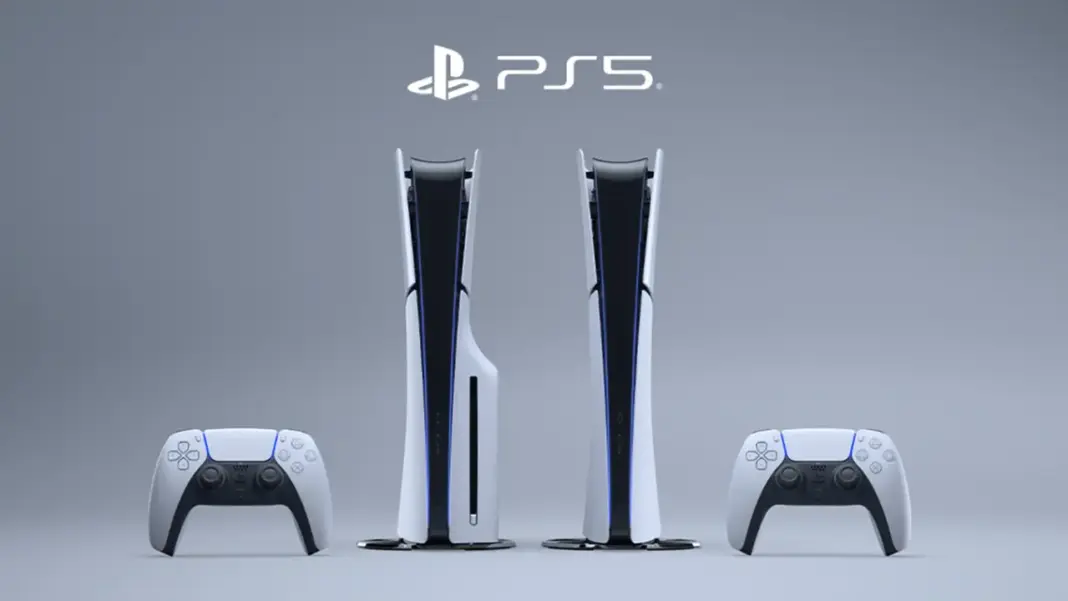
Shawn Layden, former chairman of Sony Interactive Entertainment Worldwide Studios, says a PlayStation future without physical game discs would be depressing. Speaking to the Game by Pad and Pixel, Layden said the situation is still solvable if Sony agrees to license its disc-pressing process to outside manufacturers. His comments come weeks after Sony confirmed it will stop producing physical discs for new PlayStation games starting in January 2028.
Here is what Layden said, and how it fits into Sony’s disc phase-out plan.
Why Shawn Layden Calls PlayStation’s Disc-Free Future Depressing
Layden, who now works as a game industry strategic advisor, described a disc-free PlayStation ecosystem as “depressing, but solvable,” then added, “I think.”
He explained that Sony owns the proprietary process used to press PlayStation discs. Third-party manufacturers cannot produce them unless Sony grants a license. He said there is no way to keep making the discs unless Sony finds a way to license the process to bespoke disc manufacturers.
Layden added that he understands the general concept of disc licensing but does not have direct insight into the specifics of how such a deal might work.
Sony’s 2028 Physical Disc Phase-Out
Sony announced on July 1, 2026, that it will end physical disc production for all new PlayStation games starting in January 2028. The change does not affect games already released on disc, or titles releasing on disc before that date.
There was also confusion around how big the production cut actually is. Sony DADC, Sony’s disc manufacturing subsidiary, later clarified that the Thalgau plant will see a 10 percent decline in overall product volume in 2028, not a drop to 10 percent of current output, as some early reports suggested.
How Microsoft’s Disc Licensing Model Differs
Layden pointed to Microsoft as an example of how disc production could continue under a licensing system. Microsoft certifies external manufacturers as Authorized Replicators through its publisher agreements, and publishers select a certified replicator when producing Xbox discs. Sony, by comparison, presses all PlayStation discs in-house through Sony DADC and does not currently license the process to outside companies.
Jon Gibson, co-owner of collector’s edition label iam8bit, said his company would welcome the chance to keep making physical PlayStation games if given the option.
Analysts have also pointed to the financial motive behind Sony’s move. Niko Partners analyst Daniel Ahmad noted that a $70 third-party game sold through the PlayStation Store nets Sony around $21, compared to roughly half that at retail. Digital-first distribution also removes the resale market for used games entirely.
Layden on Physical Media and Game Ownership
Layden compared the current shift away from PlayStation discs to earlier predictions about the decline of vinyl records, cassette tapes, and printed books, all of which have retained a dedicated audience despite digital alternatives.
He also raised a broader ownership question tied to digital game libraries. He asked whether people really own their digital purchases if they cannot resell them, pointing out that PlayStation download libraries, like iTunes libraries, cannot be resold.
For now, PlayStation’s plan remains unchanged. Physical disc production for new games ends in January 2028, while existing physical titles and pre-2028 releases are unaffected.