Saturday, June 27, 2026
Home Blog Page 92

Clash of Clans Dragon Duke: All We Know About the New Hero

0

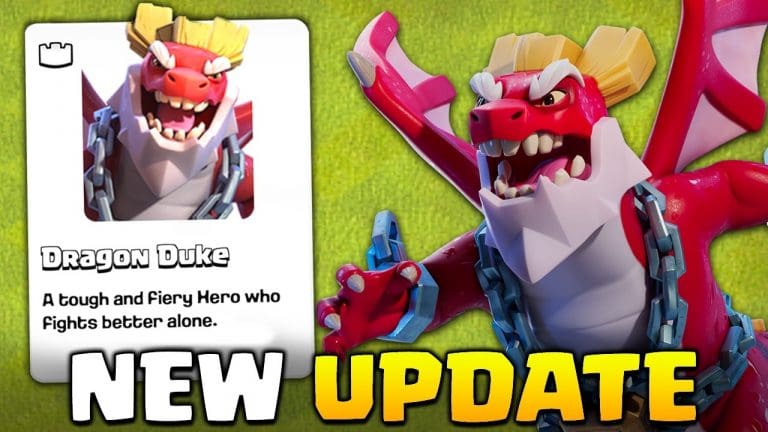
The Hero Hall in your Home Village is about to get a lot more… fiery. Supercell has officially teased the Clash of Clans Dragon Duke, the newest hero joining the game in the upcoming update.

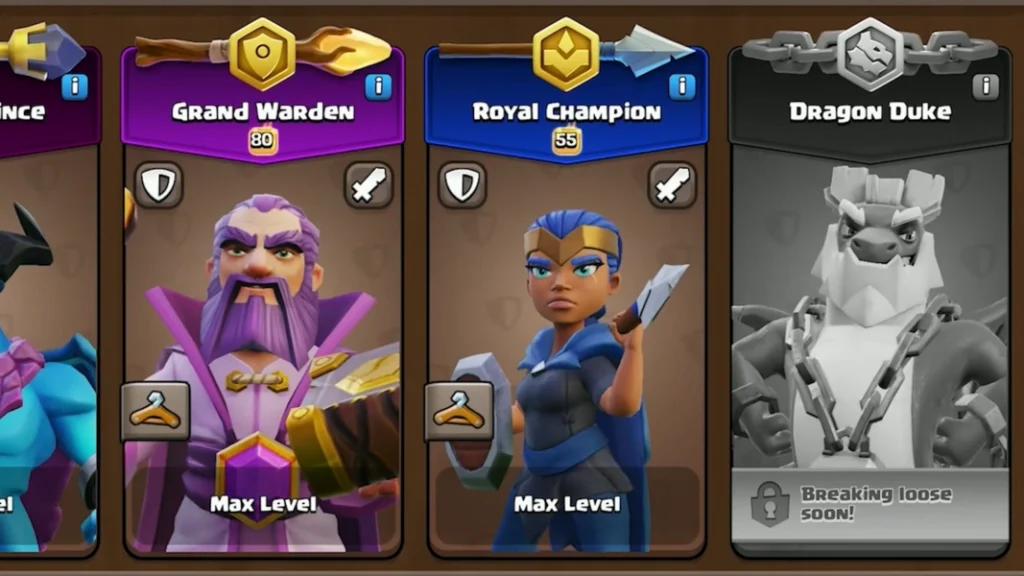
If you have noticed a mysterious “breaking loose soon” message in your Hero Hall, you are not alone. Let’s break down everything we know so far about this tough new flying hero, his equipment, and the upcoming community event required to unlock him.

Where to Find the Dragon Duke in Clash of Clans

Right now, the new hero is technically in the game, but he is securely locked away. If you navigate to your Hero Hall or the Blacksmith, you will see his portrait greyed out.

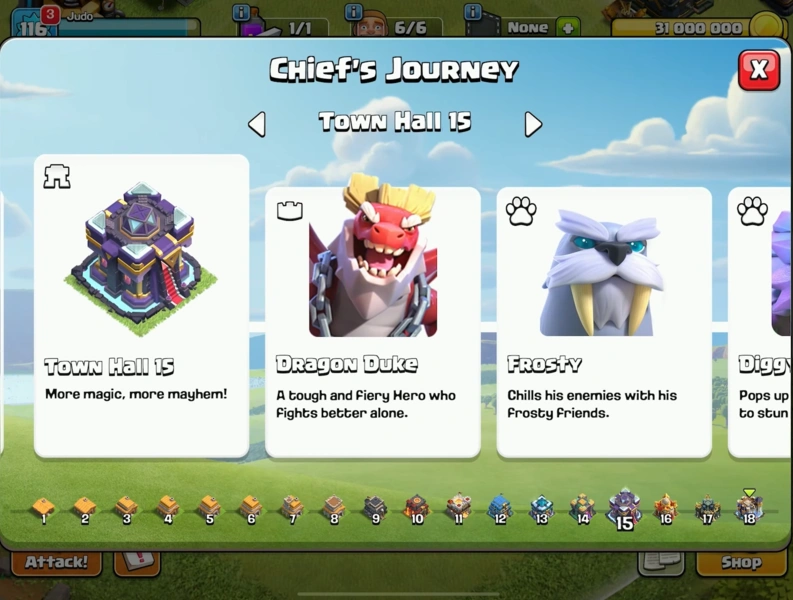
To eventually unlock the Clash of Clans Dragon Duke, you will need to upgrade your Hero Hall to Level 9. Consequently, this means the hero will be exclusively available to players who have reached at least Town Hall 15. If you check the Chief’s Journey tab at TH15 right now, you can already spot his official in-game profile.

A Unique Community Unlock Event

Unlike previous heroes that you simply purchase with Dark Elixir or unlock by upgrading a building, the Dragon Duke is getting a much more dramatic entrance.

According to the sneak peeks, the community will have to work together to “unleash” this hero. Specifically, a massive global event will take place just before the March season begins. Therefore, players worldwide will need to join forces to break his chains and officially welcome him to the battlefield.

This dramatic rescue was teased at the very end of the recent “Clash On” developer update. In the cinematic video, the dev team was shown exploring a dark dungeon, which ended on a massive cliffhanger as they approached an ominous noise behind a door. The screen then faded to black with the message “continue the journey on February 24th,” practically confirming that this dungeon is where the new hero is being held captive.

Dragon Duke Equipment and Abilities

So, what exactly does this new flying hero bring to the table? While his exact damage stats are still hidden, we already have some massive clues about his playstyle.

First, the game describes him as “A tough and fiery hero who fights better alone”. This strongly hints that he will share a mechanic similar to the Baby Dragon. Just like the troop, he will likely gain a massive power boost when deployed away from other air units. As a result, this makes him a prime candidate for setting up early funnels or executing solo hero dives.

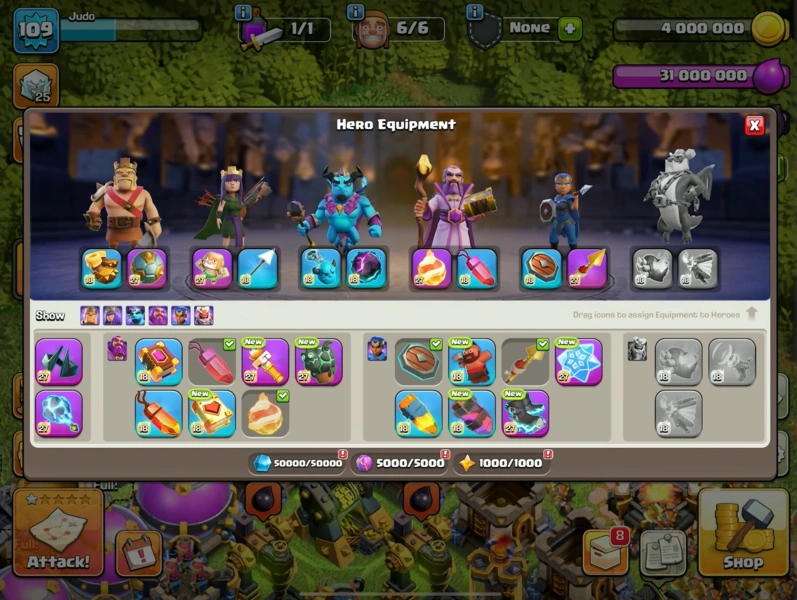
Furthermore, he will launch with three distinct pieces of common equipment right out of the gate. While their official names are hidden in the developer build, visually they appear to be:

  • A fiery foot or heart-shaped item
  • A ray gun or shockwave blaster
  • A blowtorch or flame thrower

Because he starts with three common equipment pieces at launch, players will have immediate loadout options the second he is unlocked.

Also read: Clash of Clans February 2026 Update: New EQ Spell Tower, Raven Pet, and More

The arrival of the Clash of Clans Dragon Duke is shaping up to be one of the most unique hero launches in the game’s history. With a community-driven unlock event and a playstyle that rewards solo tactical placement, Town Hall 15 and above players have a lot to look forward to.

Are you ready to help break him loose? Make sure to prepare your Hero Hall and stay tuned as the global community event kicks off!

ZywOo Makes History as Team Vitality Win PGL Cluj-Napoca 2026

0

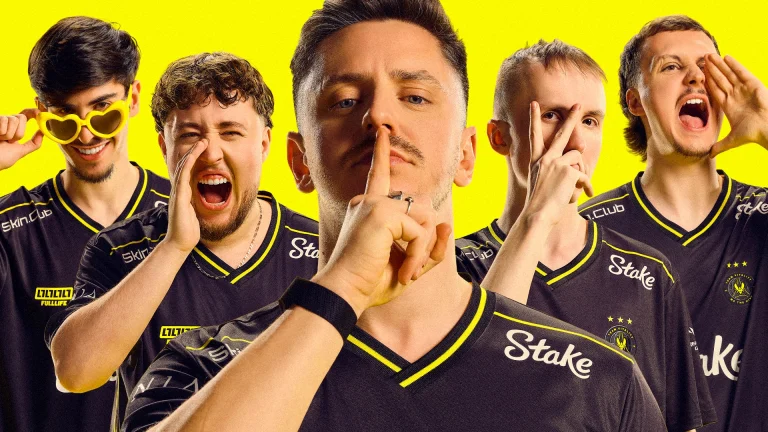
Team Vitality secured their second championship of the 2026 Counter-Strike season after defeating PARIVISION 3-0 in the Grand Final of PGL Cluj-Napoca. The victory reinforces Vitality’s position at the top of the global rankings and strengthens their case as the team to beat this year.

The tournament, held in Romania, featured nearly all of the top 16 teams in the world, making it one of the most competitive events of the early 2026 calendar. Despite the depth of the field, Vitality maintained consistent form throughout the event and delivered a commanding performance in the final.

Vitality began their campaign in the group stage with a 2-1 win over G2, followed by another 2-1 series victory against The MongolZ. They closed the group stage with a decisive 2-0 result over defending champions MOUZ, securing their place in the playoffs.

In the Grand Final, Vitality faced PARIVISION and demonstrated control across all three maps. The 3-0 sweep reflected both tactical discipline and individual firepower, with the team maintaining composure in key rounds and limiting opportunities for their opponents to gain momentum.

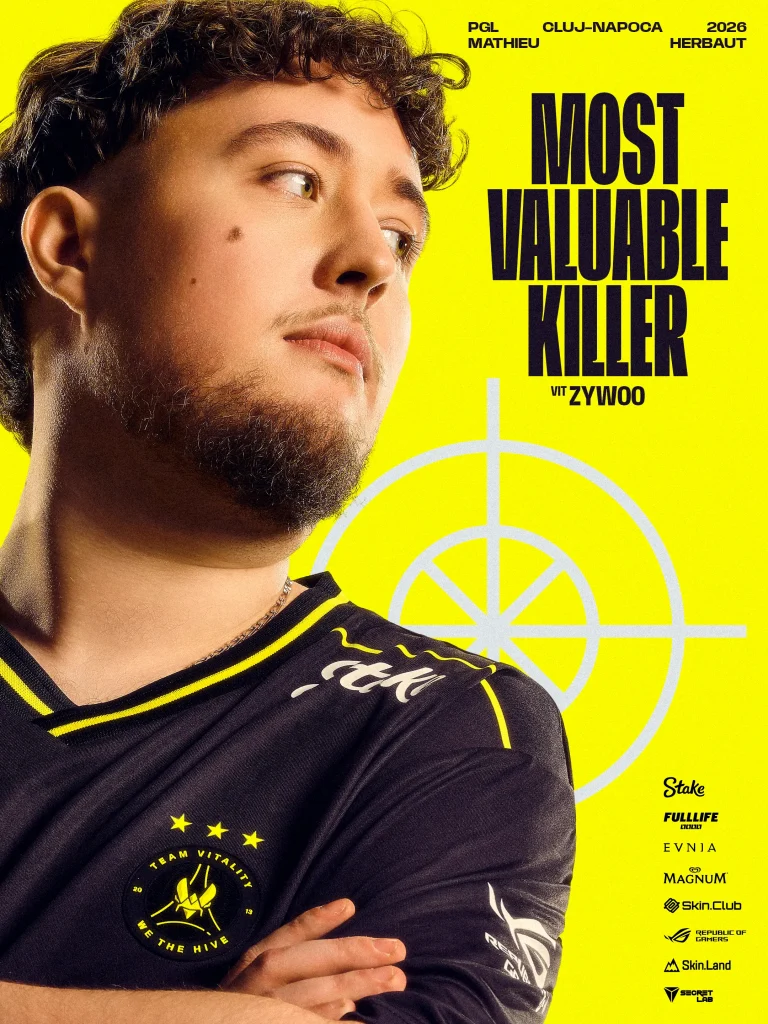
ZywOo Claims 30th MVP Award

Mathieu “ZywOo” Herbaut was named Most Valuable Player of the tournament following another standout performance. With this award, ZywOo becomes the first player in Counter-Strike history to reach 30 MVP titles, further solidifying his status among the elite players of the modern era.

Throughout the tournament, ZywOo delivered consistent impact in high-pressure situations, contributing across both opening engagements and late-round scenarios. His performance in the final was instrumental in closing out the series in straight maps.

A Roster Operating at Peak Efficiency

Vitality’s current lineup, Dan “apEX” Madesclaire, Mathieu “ZywOo” Herbaut, Robin “ropz” Kool, William “mezii” Merriman, and Shahar “flameZ” Shushan, continues to demonstrate cohesion and strategic clarity.

Under apEX’s leadership, the team has combined structured tactical play with individual excellence. The addition of ropz has strengthened their mid-round stability, while flameZ and mezii provide flexibility across roles. The result is a balanced roster capable of adapting across map pools and opponents.

With two titles already secured in 2026, Vitality have maintained momentum from their 2025 campaign and entered the new season with clear championship intent.

Grand Slam Within Reach

The PGL Cluj-Napoca victory builds on Vitality’s earlier success at IEM Kraków, placing them one ESL Grand Slam-eligible title away from securing the $1 million Intel Grand Slam prize.

Their next opportunity to complete the Grand Slam will come at IEM Rio in April. The team has opted to skip the upcoming ESL Pro League, focusing instead on preparation for Rio.

If Vitality continue their current trajectory, IEM Rio could represent a defining milestone in what is already shaping up to be a dominant season.

Free Fire MAX Booyah Awards 2026 Teaser Released by Garena

0

Garena has officially released the teaser for the Free Fire MAX Booyah Awards 2026, signaling the return of one of the mobile battle royale community’s most anticipated recognition events. The announcement comes after the successful inaugural edition that took place in Kolkata in 2025, setting expectations high for this year’s celebration.

Booyah Awards 2026 Confirms Expansion with Additional Categories

The newly released teaser confirms that the 2026 edition will feature an expanded format compared to the previous year. While Garena has not disclosed complete details yet, the developer has confirmed that the awards program will include more categories than the 2025 event.

Last year’s edition allowed fans to participate in voting across 13 major categories. These included recognizable awards such as Best Sniper, Streamer of the Year, and Best IGL. The community response was significant, highlighting the importance of player and creator recognition in the Free Fire MAX ecosystem.

Expected New Categories for the 2026 Edition

According to available information, the expanded category pool for 2026 may include several specialized awards. Rumors suggest the introduction of Best Clutch Artist and Rising Star of the Year as potential new categories. Additionally, there are indications that awards recognizing AI-assisted creators and Meta-Analysts could be part of the lineup, reflecting the evolving nature of content creation in the mobile gaming space.

The inclusion of these categories would represent a significant shift toward acknowledging niche roles and emerging content styles within the Free Fire MAX community. This expansion aims to ensure comprehensive coverage of different aspects of the game’s ecosystem.

Voting Process and Exclusive Rewards for Participants

Based on the 2025 timeline, the voting process typically begins in April. Players can expect to cast their votes directly through the Free Fire MAX application. Garena incentivizes community participation by offering exclusive prizes to voters, including vouchers and weapon loot boxes.

The reward structure for participating in the voting process has previously included valuable in-game items. Last year’s premium tickets provided recipients with up to 1,500 diamonds, demonstrating the developer’s commitment to rewarding community engagement. Fans can also anticipate receiving exclusive redeem codes with substantial in-game value.

What to Expect from the Live Event

The 2025 Booyah Awards took place at Biswa Bangla Mela Prangan in Kolkata, featuring a combination of awards presentations, live performances, and appearances by film and social media celebrities. This format created a festival-like atmosphere that extended beyond traditional esports events.

The 2026 edition is expected to maintain this entertainment-focused approach, potentially featuring a large-scale offline event with celebrity appearances and special performances. The exact venue and date have not been announced yet, but the community can anticipate an event that matches or exceeds the scale of the previous year.

How Free Fire MAX Players Can Stay Updated

Players interested in participating in the Booyah Awards 2026 should monitor the in-game event section for official announcements. This section will provide the complete list of award categories once they are finalized, along with the voting schedule and eligibility requirements.

The teaser release marks the beginning of what promises to be an extensive campaign to recognize the best players, creators, and contributors in the Free Fire MAX community. With the confirmed expansion of categories, the 2026 edition aims to provide more opportunities for community members to receive recognition for their contributions to the game.

As more details emerge about specific categories, voting timelines, and event logistics, the Free Fire MAX community can prepare to participate in selecting the winners who will represent the best of the mobile battle royale scene in 2026.

Indian Government Pegs Online Gaming Market at ₹23,200 Crore, Projects ₹31,600 Crore by 2027

0

The Indian government has officially pegged the country’s online gaming market at ₹23,200 crore for 2024, marking the first time New Delhi has released comprehensive revenue figures for the sector. The valuation was part of a broader creative industries assessment published by the Press Information Bureau on February 16, 2026.

Gaming Outpaces Films, Animation in Revenue Rankings

The government data positions online gaming as the fourth largest revenue generator within India’s media and entertainment ecosystem, surpassing the filmed entertainment industry valued at ₹18,700 crore and the animation and VFX sector at ₹10,300 crore.

Only digital media (₹80,200 crore), television (₹67,900 crore), and print (₹26,000 crore) recorded higher revenues than gaming in 2024, according to the official figures.

The government projects gaming revenues will climb to ₹26,000 crore in 2025, ₹28,800 crore in 2026, and reach ₹31,600 crore by 2027, representing a 36 percent increase over three years.

First Official Valuation Amid Regulatory Overhaul

The release of official gaming market figures comes as India undergoes a major regulatory transformation following the ban on money-based online gaming in 2025. The ₹23,200 crore valuation represents the sector’s size after the implementation of the Promotion and Regulation of Online Gaming Act (PROGA).

Industry observers have noted the government’s decision to publish gaming revenue data signals official recognition of the sector’s economic significance. Previously, India’s Parliament discussions on esports and gaming had acknowledged that no official government study on the gaming industry’s size had been conducted.

Media Sector Valued at ₹2.5 Lakh Crore

The PIB release valued India’s entire media and entertainment sector at ₹2.5 lakh crore (₹2,502 billion) in 2024, with projections showing growth to ₹3.07 lakh crore by 2027.

The government stated the sector supports over 10 million livelihoods directly and indirectly, with annual output standing at approximately ₹3 lakh crore. Digital media accounts for roughly one-third of total sector revenues, fundamentally reshaping production and distribution models.

AVGC Sector Identified as Technology Frontier

The government report grouped gaming with Animation, Visual Effects, Comics and Extended Reality under the AVGC-XR umbrella, describing these as “the most technology-driven frontier of the creative economy.”

Animation and VFX revenues stood at ₹10,300 crore in 2024, projected to reach ₹14,700 crore by 2027. Combined with gaming’s ₹23,200 crore, the AVGC gaming cluster represents approximately ₹33,500 crore in current revenues.

“Gaming has evolved into a mainstream digital medium woven into daily life,” the government document stated. “Across metros and small towns, millions log in each day to compete, collaborate, and build virtual worlds of their own.”

Infrastructure Investment Announced

The PIB release detailed plans to establish AVGC Content Creator Labs in 15,000 secondary schools and 500 colleges nationwide. The Indian Institute of Creative Technologies (IICT) has been designated as the National Centre of Excellence for AVGC-XR and gaming.

The government projects the AVGC sector will require nearly 2 million professionals by 2030, with the broader creative industries expected to generate approximately 20 lakh direct and indirect jobs over the next decade.

Established hubs in Bengaluru, Hyderabad, Mumbai, Pune, Chennai, and Thiruvananthapuram anchor the industry, while emerging cities are developing creative clusters to expand opportunities beyond metropolitan areas.

Live Events Sector Shows Fastest Growth Rate

While gaming shows steady expansion, the government data reveals live entertainment as the fastest growing segment by percentage. Live events, valued at ₹10,100 crore in 2024, are projected to reach ₹16,700 crore by 2027, representing a 65 percent increase.

Music revenues are expected to grow from ₹5,300 crore to ₹7,800 crore over the same period. Out-of-home media will rise from ₹5,900 crore to ₹7,900 crore, while radio expands modestly from ₹2,500 crore to ₹3,000 crore.

Traditional Media Shows Mixed Performance

Television, the second largest segment, faces marginal decline from ₹67,900 crore in 2024 to ₹66,700 crore by 2027. Print media shows slight growth from ₹26,000 crore to ₹26,700 crore. Filmed entertainment is projected to grow from ₹18,700 crore to ₹21,300 crore.

Digital media demonstrates the strongest absolute growth, rising from ₹80,200 crore to ₹1,10,400 crore by 2027, cementing its position as the dominant revenue driver in India’s media landscape.

Regulatory Framework Takes Shape

The gaming market projections arrive alongside evolving regulatory frameworks. Recent developments include esports being granted national status under the Sports Ministry and India’s official recognition of esports as a multisport event.

These policy shifts distinguish skill-based competitive gaming from gambling activities, creating separate regulatory pathways for esports and casual gaming.

Corporate Investment Follows Government Data

Major corporations have announced gaming investments aligned with the government’s market assessment. Reliance partnered with European esports giant BLAST to expand competitive gaming infrastructure, while Nvidia’s GeForce Now platform confirmed its India launch targeting the country’s expanding gamer base.

Orange Economy Framework

The government positioned gaming within its broader “Orange Economy” strategy, which treats culture and creativity as sources of economic value. The framework includes cultural industries, creative services, heritage-based activities, and experience-driven sectors where intellectual property generates income and employment.

The PIB document stated: “For India, the Orange Economy has a deeper meaning. It turns the country’s rich cultural heritage, diversity, and creative talent into economic opportunity and global visibility.”

WAVES Summit Highlights Industry Integration

The government highlighted the World Audio Visual and Entertainment Summit (WAVES) as a focal point for India’s creative ecosystem. Supporting platforms include WaveX for startup innovation and WAVES Bazaar operating as a marketplace for scripts, music, comics, and audio-visual rights.

The Create in India Challenge was identified as connecting emerging talent directly to global platforms, ensuring locally developed ideas can compete internationally.

Global Context

The government noted that creative industries contribute between 0.5 and over 7 percent of GDP across different countries globally. India’s creative economy is emerging as a major pillar of growth, employment, and value creation within this global transformation.

The document emphasized these are “technology-intensive, globally tradeable sectors embedded within modern services economies and international value chains,” rather than peripheral cultural pursuits.

What This Means for the Industry

The official ₹23,200 crore valuation provides the first government-backed market size for India’s gaming sector. Previous estimates relied on private consulting firms and industry associations, with figures varying significantly.

Industry analysts suggest the post-PROGA valuation indicates the government views skill-based gaming and esports as distinct from the banned real-money gaming segment. The projected growth to ₹31,600 crore by 2027 signals official confidence in the sector’s trajectory under the new regulatory framework.

The data release also positions gaming alongside traditional entertainment industries in government economic planning, potentially opening access to infrastructure support, skill development programs, and international trade promotion typically reserved for established sectors.


Clash of Clans February 2026 Update: New EQ Spell Tower, Raven Pet, and More

0

If you thought Town Hall 18 was done, buckle up. The Clash of Clans February 2026 update is dropping soon, and it’s bringing some wild meta changes. We’re talking a new pet that hates resource buildings, an Earthquake Spell Tower that will ruin ground attacks, and a totally revamped Gold Pass. Here is a breakdown of what’s actually coming to the game.

Clash of Clans February 2026 Update: All Major Changes

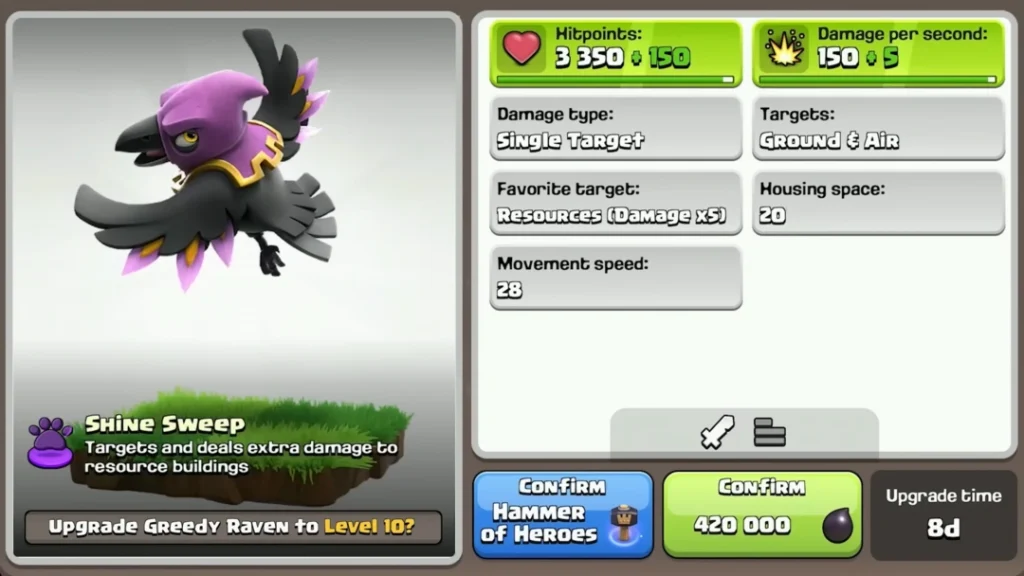
A New Pet: The Greedy Raven

Upgrading your Pet House to Level 12 at Town Hall 18 unlocks the game’s newest companion: the Greedy Raven.

Clash of Clans February 2026 Update Brings a New Pet The Greedy Raven

This masked, flying pet has one specific job: destroying Resource Buildings. It deals a crazy 5x damage to them and launches with 10 upgrade levels.

Why does this matter? Usually, base builders use high-HP storages as meat shields to stall your heroes. If you pair the Greedy Raven with a Warden Walk or Queen Charge, those storages melt instantly. As a result, you get a much cleaner funnel and avoid those annoying 99% time fails.

Level 4 Spell Tower and the Huge Earthquake Rework

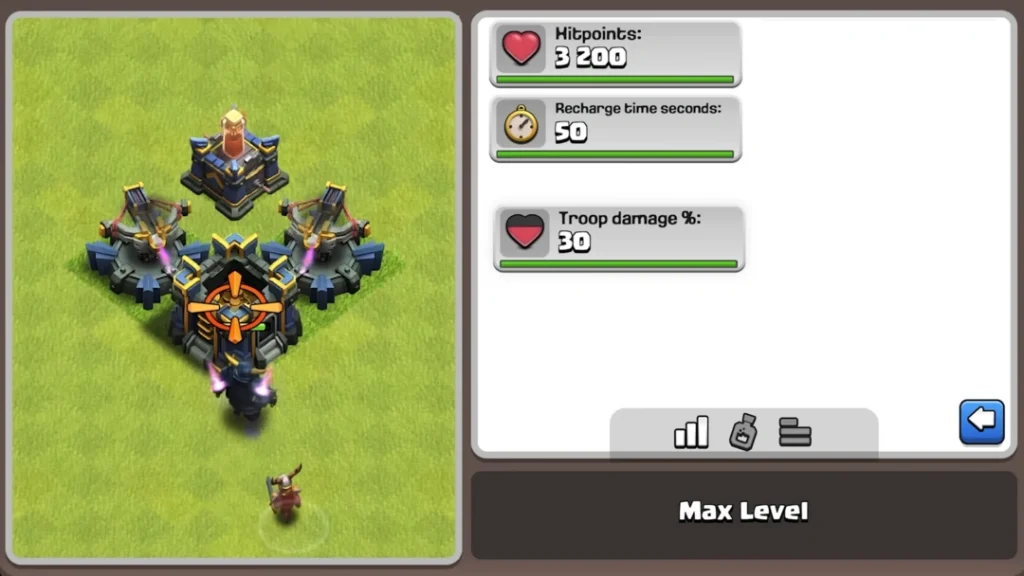
Defense lovers, this one is for you. Spell Tower Level 4 is finally here with the Clash of Clans February 2026 Update, unlocking the Earthquake Spell slot. But here is the kicker. This update actually reworks how the EQ spell functions across the entire game.

Clash of Clans February 2026 Update Brings Level 4 Spell Tower with Earthquake Spell

Earthquake spells will now damage ground units. Before, they only hit buildings and walls. Now, any ground troops caught in the radius will take a hit.

This isn’t just for the new Spell Tower. Because it’s a global mechanic change, your offensive Earthquake Spells and the Barbarian King’s Earthquake Boots will also damage enemy ground troops and Clan Castle defenders. Expect base builders to get very creative trying to trap ground armies with this.

Fresh TH18 Upgrades for Troops and Defenses

To keep up with the new mechanics, we’re getting a ton of new levels for Town Hall 18. It’s time to put those builders and laboratories back to work.

New Defenses & Traps:

  • Mortar (Level 18)
  • Inferno Tower (Level 12)
  • Hidden Tesla (Level 17)
  • Firespitter (Level 3)
  • Giga Bomb (Level 4)
  • Seeking Air Mine (Level 8)
  • Plus, you get 75 more wall pieces to upgrade.

New Offense Levels:

  • Archer (Level 14)
  • Baby Dragon (Level 12)
  • Electro Titan (Level 5)
  • Hog Rider (Level 15)
  • Witch (Level 8)
  • Lava Hound (Level 8)
  • Stone Slammer (Level 6)
  • Revive Spell (Level 5)

Quick tip: Remember that upgrading base troops like your Archers and Witches automatically buffs their Super Troop versions, so prioritize those if you use Super Troops.

Gold Pass 2.0 and Ranked Mode Changes in the Clash of Clans February 2026 update

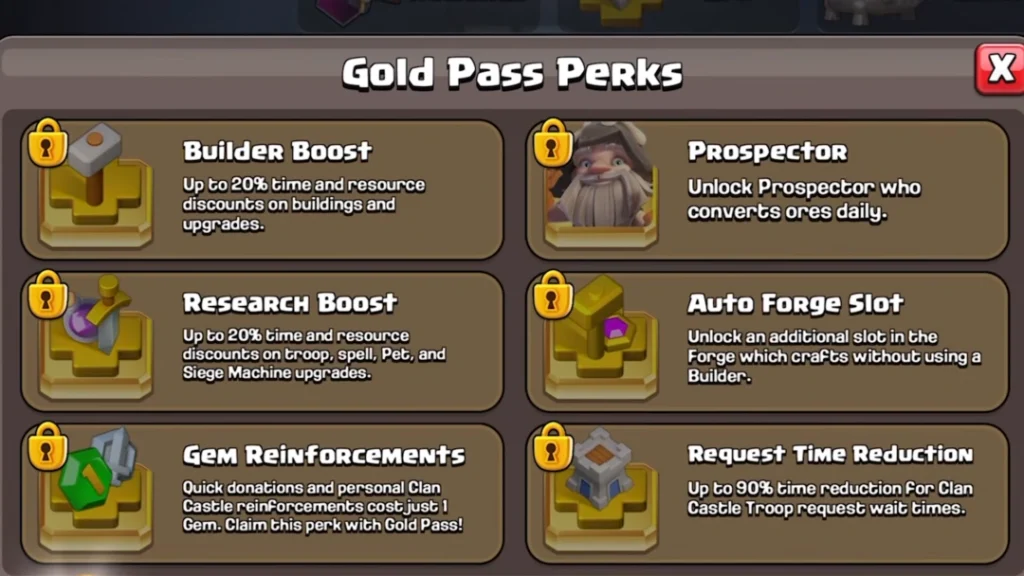
The update also introduces a heavily revamped Gold Pass system featuring a brand-new NPC called the Prospector. The Gold Pass price remains the same, but the value and progression system are getting a major facelift:

  • The Prospector Perk: This brand-new perk allows you to convert your regular ore into other types of ores once per day.
  • Daily Quests & Selectable Rewards: A new daily quest system has been introduced to help you breeze through the pass at your own pace. You also get the flexibility to choose between different rewards on the track.
  • 1-Gem Self-Donations: The incredibly popular 1-gem donation perk now works for filling your own Clan Castle!
  • Free Track Buffs: Even free-to-play players get a boost. The Silver track now includes unlockable chests and a Research Potion.
Clash of Clans Gold Pass 2.0

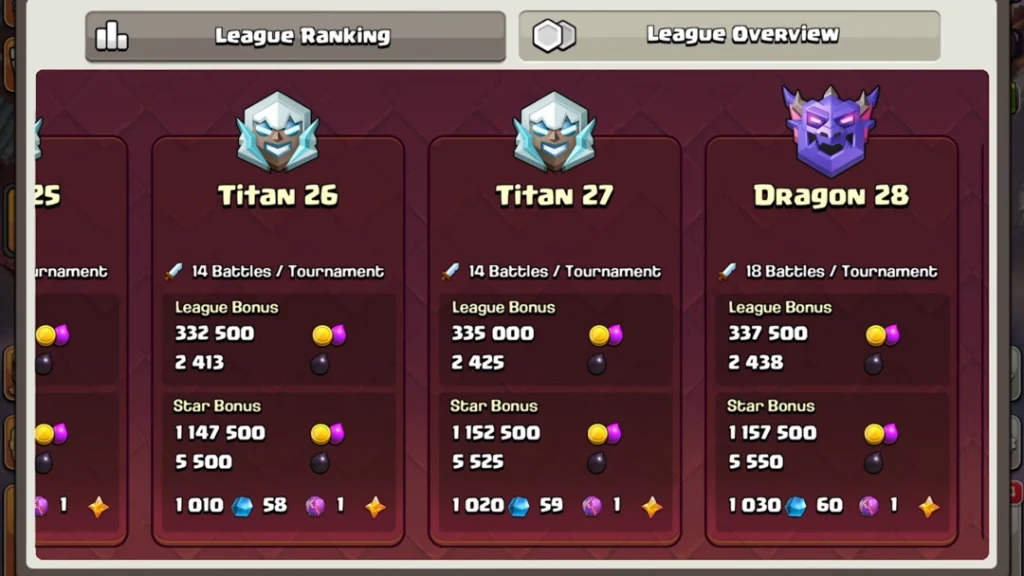
Ranked Mode is also getting some love. You can no longer queue up attacks endlessly. Anti-spam logic now requires you to wait for your current battle to finish before starting a new one. Additionally, the battle requirements are shifting, and battle modifiers are becoming less severe.

Clash of Clans Ranked Changes

Quality of Life (QoL) Improvements

On top of the big content drops, Supercell is smoothing out the gameplay experience with several highly requested quality of life tweaks:

  • Easier Achievements: The notoriously grindy “Unbreakable” achievement now only requires 500 successful defenses, down from a staggering 5,000.
  • 5v5 CWL: Clan War Leagues now officially support 5v5 formats. Bigger wars will yield better bonuses.
  • Balance Tweaks: Poison Spells will now affect Guardians. Furthermore, Hero Potions and Mighty Morsels will strictly apply to attacks, not defenses.
  • Exploit Fixes: The lingering ore bug has been completely patched. Any excess ore earned through the exploit has been rightfully revoked.

Also read: Best Hero Equipment for Every Town Hall in Clash of Clans

The Clash of Clans February 2026 update is shaping up to be one of the most impactful patches for Town Hall 18 yet. Whether you are excited to speed up your Warden Walks with the Greedy Raven, test out the lethal new Earthquake Spell Tower, or simply grind out the new Gold Pass perks, there is plenty of content to dive into.

India’s Gaming Economy by the Numbers: A TalkEsport Data Breakdown

0

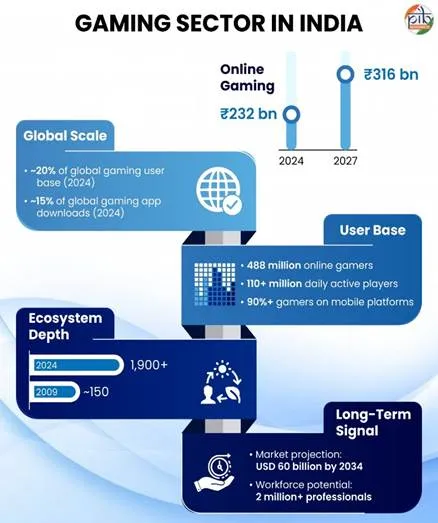
India’s gaming sector is experiencing remarkable growth, with government data revealing a trajectory that positions gaming among the fastest growing segments of the country’s media and entertainment landscape. According to official figures released by the Press Information Bureau, the online gaming industry is set to grow from ₹232 billion in 2024 to ₹316 billion by 2027, marking a 36% increase over three years.

The Numbers That Define India’s Gaming Revolution

The gaming industry’s expansion is part of a broader transformation in India’s creative economy. Fresh data from the Ministry of Information and Broadcasting shows gaming as the fourth largest segment within the media and entertainment sector, trailing only digital media, television, and print.

Online gaming recorded a valuation of ₹232 billion in 2024. The sector is projected to reach ₹260 billion in 2025, ₹288 billion in 2026, and ₹316 billion by 2027. This growth rate outpaces several traditional entertainment segments, including filmed entertainment and radio.

Gaming vs Other Entertainment Sectors

The government data provides a clear comparison across all major entertainment segments. Digital media leads the sector at ₹802 billion in 2024, growing to ₹1,104 billion by 2027. Television follows at ₹679 billion in 2024, though projections show a slight decline to ₹667 billion by 2027.

Gaming’s ₹232 billion valuation places it ahead of filmed entertainment at ₹187 billion, animation and VFX at ₹103 billion, and live events at ₹101 billion. The sector also surpasses music, which stands at ₹53 billion, and radio at ₹25 billion.

What makes gaming’s position particularly notable is its growth trajectory. While television shows marginal decline and print remains relatively stable at ₹260 billion to ₹267 billion, gaming demonstrates consistent year over year expansion. This comes at a critical time when esports could define India’s gaming future in 2026 following regulatory changes in the sector.

The Broader Media and Entertainment Landscape

India’s total media and entertainment sector was valued at approximately ₹2.5 trillion in 2024. Government projections estimate this figure will reach ₹3,067 billion by 2027, representing an annual growth rate of around 7 percent.

Digital media accounts for roughly one third of total sector revenues, fundamentally reshaping production and distribution models. The sector supports over 10 million livelihoods directly and indirectly, with annual output standing at approximately ₹3 lakh crore.

Animation, VFX and Gaming as Growth Drivers

Animation, Visual Effects, Gaming, Comics and Extended Reality, collectively termed AVGC XR, represent the technology driven frontier of India’s creative economy. The animation and VFX segment alone is valued at ₹103 billion in 2024, with projections reaching ₹147 billion by 2027.

Gaming has evolved beyond entertainment into a mainstream digital medium woven into daily life. Millions of users across metros and smaller towns engage with gaming platforms daily, transforming mobile devices into competitive arenas and social spaces.

The scale of participation has translated into structured market growth. India now ranks among the world’s largest gaming markets, supported by a vast and deeply engaged user base. Rising monetization, expanding domestic studios, and stronger integration with global platforms are transforming gaming from mass engagement into a scalable digital industry. Major technology companies have taken notice, with Nvidia’s cloud gaming platform GeForce Now coming to India to tap into this growing market.

Infrastructure and Talent Development

The government’s commitment to the AVGC XR ecosystem goes beyond market projections. Official policy documents outline plans to create pathways for designers, animators, coders, and storytellers to build global careers.

The Indian Institute of Creative Technologies has been established as a National Centre of Excellence for AVGC XR and gaming. This institution brings structured training, advanced infrastructure, and industry collaboration under one framework, bridging the gap between classroom learning and production demands.

Plans include establishing AVGC Content Creator Labs in 15,000 secondary schools and 500 colleges. The initiative aims to prepare a new generation of talent, with projections indicating the AVGC sector will require nearly 2 million professionals by 2030.

Regional Hubs and Employment Potential

Established centers including Bengaluru, Hyderabad, Mumbai, Pune, Chennai, and Thiruvananthapuram anchor the industry. Emerging cities are building their own creative clusters, expanding opportunities beyond metropolitan areas.

With projections of nearly 20 lakh direct and indirect jobs over the next decade, the AVGC gaming sector is being positioned as a significant employment engine for India’s digital generation. The formal recognition of competitive gaming gained momentum when India officially recognized esports as part of the multisport event category under the Ministry of Youth Affairs and Sports.

Live Events Show Parallel Growth

While gaming represents digital engagement, live entertainment shows similar expansion. The live events segment is valued at ₹101 billion in 2024, with projections reaching ₹167 billion by 2027. This 65% growth rate demonstrates how experiential entertainment complements digital gaming.

India now features regularly on global touring routes, with major cities hosting international performers and homegrown artists. Venue infrastructure has expanded from Narendra Modi Stadium to premium spaces supported by professional production networks operating at global standards.

Policy Frameworks and Global Integration

The World Audio Visual and Entertainment Summit serves as a focal point for India’s creative ecosystem. The platform brings together creators, startups, industry leaders, and policymakers, facilitating deal making and collaboration.

Supporting initiatives include WaveX for startup innovation through investor engagement, and WAVES Bazaar operating as a marketplace for scripts, music, comics, and audio visual rights. The Create in India Challenge identifies emerging talent and connects them directly to global platforms.

The regulatory framework has evolved significantly, with esports granted national status in India through draft rules that place competitive gaming under the Sports Ministry. This development marks a shift from earlier discussions when India’s Parliament first talked about esports and gaming policy frameworks.

Corporate Investment and Industry Partnerships

Major corporations are investing heavily in India’s gaming infrastructure. In a landmark development, Reliance partnered with BLAST for esports business in India, bringing international tournament expertise to the domestic market. This joint venture demonstrates how established Indian business houses view gaming and esports as strategic growth sectors.

What the Data Means for India’s Gaming Future

Government figures position gaming not as a peripheral cultural pursuit but as a technology intensive, globally tradeable sector embedded within modern services economies. The industry combines creative talent with real time rendering, immersive design, and digital production tools that power global platforms.

The transition from ₹232 billion to ₹316 billion represents more than numerical growth. It signals the consolidation of gaming as a strategic capability within India’s economy, linking growth with global influence in an increasingly platform driven world.

As digital media continues its dominance and traditional segments like television face headwinds, gaming emerges as a durable growth engine. The sector’s trajectory, backed by institutional support and talent development initiatives, suggests India’s position in the global gaming market will strengthen significantly by 2027.

The data tells a clear story. Gaming in India has moved from niche entertainment to economic infrastructure, creating jobs, attracting investment, and positioning the country as a major player in the global gaming economy.

Pokemon Pokopia: Everything You Need to Know About the New Life Simulation Game

0

Pokemon Pokopia brings a fresh approach to the beloved franchise with its life simulation gameplay. The game launches on March 5 and offers players a unique way to interact with Pokemon through habitat building, crafting, and cooperative play.

What is Pokemon Pokopia?

Pokemon Pokopia is a life simulation game developed by Koei Tecmo for the Nintendo Switch 2. The game draws inspiration from popular titles like Animal Crossing and the Xbox 360 classic Viva Pinata. Players take on the role of a Ditto with a special ability that sets the foundation for the entire experience.

Playing as a Transforming Ditto

In Pokemon Pokopia, players control a Ditto that possesses the ability to transform into a human. While Ditto can naturally take the form of any Pokemon, transforming into a human is not a common trait. This concept appeared previously in the Detective Pikachu movie and now serves as the core mechanic in Pokopia.

Building Habitats to Attract Pokemon

The main gameplay loop involves attracting different Pokemon to your island by constructing specific habitats. Each Pokemon species has unique environmental requirements that players must meet. Some Pokemon are rarer than others and may have additional conditions for appearing, such as requiring a specific time of day to show up.

Players interact with Pokemon to learn new abilities that help shape the environment. This creates a gameplay cycle where meeting one Pokemon’s needs unlocks tools to attract others.

Crafting and Collecting Systems

Pokemon Pokopia features robust item collecting and crafting mechanics similar to other life simulation games. Players gather materials from the world and use them to create items and structures. The game includes various collectibles scattered throughout the environment for players to discover.

Multiplayer and Online Features

Pokemon Pokopia offers comprehensive online functionality that supports up to four players simultaneously. The game includes both local cooperative play and online multiplayer through Nintendo Switch Online.

A standout feature is the Game Share function, which allows players to enjoy the game with someone who does not own Pokopia. This feature works even with players using the original Nintendo Switch console. Additionally, online cloud saves enable players to share an island without story progression. These shared islands can be accessed at any time without requiring the host to be online.

Learning Abilities from Pokemon

As players interact with Pokemon, they gain new transformation abilities. These transformations serve specific purposes in the game. For example, players can transform into Dragonite to fly or become Lapras to surf across water. These abilities open up new areas and gameplay possibilities as the game progresses.

Building and Customization Options

Pokemon Pokopia provides two types of building systems. Some structures follow set formats, while others allow free creation of buildings in specific sizes, similar to Minecraft. This flexibility gives players control over how they design their island.

Players can invite Pokemon to live inside their house and customize the interior decoration to their preferences. This personal touch adds depth to the relationship between players and their Pokemon companions.

Release Information

Pokemon Pokopia launches on March 5 for the Nintendo Switch 2. The game represents a new direction for the Pokemon franchise, combining life simulation elements with the series’ familiar monster collection and interaction mechanics.

US Supreme Court strikes down Trump Tariff; Impact on Gaming Industry

0

In a major ruling that could reshape global trade dynamics, the U.S. Supreme Court has struck down former President Donald Trump’s sweeping global tariffs, ruling that he exceeded his authority by imposing them under emergency powers.

While the decision is primarily legal and political, its ripple effects extend well beyond Washington, and into industries that rely heavily on global trade. Gaming and esports are among them. At first glance, a tariff dispute might seem disconnected from competitive gaming. But in reality, modern esports operates on an intricate global supply chain, one that depends on affordable hardware, stable international trade, and predictable economic conditions.

Hardware Prices, Supply Chains, and the Gamer Impact

Consoles, GPUs, CPUs, peripherals, production equipment, nearly every physical component that powers gaming is part of a cross-border supply chain. Tariffs increase import costs. Increased import costs eventually affect retail prices.

In recent years, gamers have already faced inflated GPU prices, console shortages, and rising peripheral costs. While not all of that was tariff-related, trade tensions and global economic uncertainty contributed to price instability. By striking down the emergency-based tariff regime, the Court removes one layer of unpredictability from tech imports. That doesn’t mean graphics cards suddenly become cheaper tomorrow. But it does reduce uncertainty in the electronics market, something hardware manufacturers, distributors, and retailers closely monitor.

Why Esports Is Sensitive to Global Trade

Esports isn’t just digital entertainment. It’s a global industry built on:

  • International tournament logistics
  • Cross-border sponsorship deals
  • Streaming infrastructure
  • Server networks and data routing
  • Production hardware and stage equipment

Large-scale events from Counter-Strike Majors to VALORANT Champions and multi-title festivals like the Esports World Cup require significant investment in technology and equipment. Increased trade costs can quietly inflate production budgets. Sponsors, particularly hardware brands, are also directly affected by tariff policies. When costs rise, marketing budgets tighten. And when marketing budgets tighten, esports often feels it.

This is why legal and economic rulings of this scale are watched carefully inside industry circles.

The Bigger Picture: Economic Stability Drives Esports Growth

Esports growth depends on consumer spending power and tech affordability. If tariffs push up prices on gaming hardware, fewer players upgrade systems. Slower hardware adoption can affect player bases, viewership, and ecosystem expansion.

Conversely, more predictable trade policy can encourage hardware manufacturers to invest more aggressively in global distribution, server infrastructure, and regional expansion.

For emerging esports markets including Southeast Asia, Latin America, and parts of the Middle East affordable hardware is directly tied to grassroots growth.

The Supreme Court’s ruling doesn’t solve every trade issue overnight. But it does signal limits on executive trade authority and injects a degree of clarity into global economic policy something markets generally respond to positively.

No Immediate Changes But Long-Term Implications

There are no announced changes to gaming prices, esports events, or tournament operations as a direct result of this ruling.

However, industry analysts expect that reduced trade uncertainty may stabilize hardware markets over time. The administration could pursue alternative legal avenues for tariffs, but the sweeping emergency-based framework has now been curtailed.

For gaming and esports, this is less about short-term shock and more about long-term structural stability.

Why This Matters Now

2026 is shaping up to be a defining year for international esports. Major global tournaments, expanding national team competitions, and foundation-backed multi-title events are increasing cross-border participation at scale. A globally connected industry thrives on predictable economic conditions. That’s why a Supreme Court decision on tariffs while rooted in constitutional law carries quiet relevance for gamers, publishers, tournament organizers, and hardware sponsors alike.

Esports may be played on screens, but it’s built on global trade. And when global trade shifts, the industry pays attention.

PARIVISION Eliminate Falcons From PGL Cluj-Napoca Counter-Strike 2 Tournament

PARIVISION have knocked out Falcons from the PGL Cluj-Napoca tournament with a 2-1 victory in the quarter-finals. The CIS team secured their spot in the semi-finals after winning the decisive map in dominant fashion, ending Falcons’ run at the event.

Both teams claimed their respective map picks before PARIVISION closed out the series on the decider map Ancient. The result sends Falcons home despite their previously flawless run leading up to the quarter-finals.

Map Veto Process

The veto phase unfolded with both teams strategically removing and selecting maps:

  1. PARIVISION removed Nuke
  2. Falcons removed Overpass
  3. PARIVISION picked Dust2
  4. Falcons picked Mirage
  5. Falcons removed Inferno
  6. PARIVISION removed Anubis
  7. Ancient was left over as the decider map

This veto process set up a three-map series with each team getting their preferred battleground before the neutral third map.

Map 1: Dust2 Goes to PARIVISION

PARIVISION took their map pick Dust2 in a close overtime battle. Falcons started strong by converting a clean pistol round against a quick A split. The Saudi Arabian team doubled their score by winning the following round to establish an early lead.

PARIVISION responded by winning their first full gun round and built momentum with five consecutive round wins to take the lead. Falcons equalized the scoreline by capitalizing on PARIVISION’s offensive mistakes and forcing them to give up rounds.

First Half Action

Falcons shifted to a more proactive and aggressive defensive approach in the following rounds. They successfully shut down back-to-back Mid to B split attempts from PARIVISION. This defensive performance gave Falcons a narrow 7-5 lead at halftime.

Second Half Comeback

Starting the second half, Falcons executed a fast B site rush after losing a player early. This quick attempt put them on winning ways and extended their lead. The team found themselves ahead 10-5 before PARIVISION secured their first round on the terrorist side.

PARIVISION built momentum by winning consecutive rounds off their first T-side success. They forced another mistake from the Falcons offense and reached map point in the process. However, kyxan delivered a crucial 1v2 clutch to force the match into overtime.

Overtime Drama

In overtime, Falcons used clever rotations to take a 2-0 lead. They fell victim to the clock on the final round of their side, giving up one round before swapping sides with a 2-1 advantage.

PARIVISION won back-to-back rounds to start their overtime offensive side. They took the lead and reached series point for the second time on the map. In the final round, zweih grabbed a 4K and converted a stellar 2v4 clutch to give PARIVISION the series lead.

Despite m0NESY’s impressive 26-16 performance, his efforts fell silent against the sharp PARIVISION team. Falcons now faced elimination, sitting one map away from exiting the tournament.

Map 2: Falcons Answer on Mirage

Falcons claimed their map pick Mirage to level the series. The team got on the scoreboard immediately with m0NESY delivering a 4K on a fast play up B short.

In the third round, PARIVISION ran down the clock to secure their first round on the board. Falcons remained dominant throughout the rest of the first half. Individual players from the Saudi team delivered crucial rounds when needed.

NiKo’s Lurk Impact

The map saw a different tactical approach from Falcons compared to Dust2. A slower offensive pace heavily depended on NiKo delivering impact from his lurk positions. His performances provided Falcons with the necessary openings to establish a dominant terrorist half.

zweih attempted to halt Falcons’ momentum in the final round of the half. He stopped three Falcons players coming from Palace with an MP-7. This play gave PARIVISION a small boost as they trailed 9-3 before switching sides.

Dominant Second Half

Falcons executed a successful retake of the A bombsite to start their Counter-Strike 2 defensive half. They kept all five players alive during the retake and built on this momentum. The team extended their lead to 11-3 before PARIVISION won their first round with a fast walk through smoke in the B apartments on an eco buy.

After securing their first T-side round, PARIVISION cut the deficit to 11-7. Falcons stopped a B site execute to reach map point on Mirage. They closed out the map cleanly in the following round, forcing a third and deciding map.

NiKo’s masterclass performance across both halves proved instrumental for Falcons. The supporting cast elevated their play to avoid elimination in the quarter-finals.

Map 3: PARIVISION Close Out on Ancient

The decider map Ancient saw PARIVISION deliver a dominant performance. Falcons won the opening pistol round but dropped the second round immediately. PARIVISION converted their force buy to get on the board and build momentum.

Strong PARIVISION Start

With the force buy conversion, PARIVISION surged to a 6-1 lead before Falcons could secure their next round win. After a disastrous start, Falcons recovered before halftime. They posted a respectable 7-5 scoreline with the superteam trailing heading into the second half.

Second Half Domination

Falcons won the second pistol round to level the scoreline at 7-7. PARIVISION immediately responded in the following round to regain the lead. After winning their first defensive round, the PARIVISION team executed a perfect streak to close out the map.

The rookie player nota topped the scoreboard in his first stage game, delivering a standout performance when it mattered most.

What This Result Means

Falcons’ flawless run leading up to the quarter-finals ended with this loss. The team exits PGL Cluj-Napoca with a disappointing showing in the knockout stage.

The result raises questions given the roster’s high level of talent. Despite having solved their pistol round issues, several problems remain within the team. With the CS2 Major approaching, time is critical for addressing these concerns.

PARIVISION advance to the semi-finals after their strong performance across the three-map series. The CIS team showed resilience in coming back from difficult positions, particularly on Dust2 and Ancient.

The victory demonstrates PARIVISION’s ability to compete against top-tier Counter-Strike teams on the biggest stages. Their progression in the tournament continues as they prepare for the semi-final matchup.

Understanding Odds in Competitive Gaming and Esports

0

Esports has rapidly evolved from a niche pastime into a billion-dollar industry, with fans around the world not only watching but actively engaging with competitive gaming. Central to this phenomenon is esports betting, where understanding odds plays a vital role in shaping successful wagers. Odds in esports, much like traditional sports betting, provide a numerical representation of the probability of a particular outcome and the potential payout. This guide delves into how odds are calculated in esports, the different formats used, and the factors that influence these odds, helping fans and bettors make more informed decisions.

What Are Esports Betting Odds?

Esports betting odds are numerical values that reflect the likelihood of an event occurring during a competitive gaming match. These odds allow bettors to estimate potential returns based on their stake and the associated level of risk. They are influenced by multiple factors, including a team’s current form, individual player performance, and external elements such as game patches or balance updates.

When a match between two top-tier teams approaches, odds often take into account recent results, map-specific strengths, and head-to-head records. This information helps fans understand not only the probability of a particular outcome, but also the potential financial return tied to each option. To better interpret these variables, many bettors rely on educational resources and analytical guidance. In this context, Betpack offers insights into how esports betting works, providing advice on evaluating odds and understanding market dynamics. By presenting up-to-date data and odds comparisons, Betpack helps fans navigate the complexities of esports betting and make more informed decisions.

Types of Odds in Esports Betting

When it comes to placing bets, understanding the format of the odds is crucial. There are three primary types of odds used in esports betting: moneyline, decimal, and fractional. Each has its own way of presenting the likelihood of an event and calculating the potential payout.

  1. Moneyline Odds
    Moneyline odds, commonly used in the United States, are the simplest form of odds to understand. In this format, positive numbers indicate an underdog, while negative numbers indicate a favourite. For example, if the odds for Team A are +200, a $100 bet would yield a $200 profit if Team A wins. Conversely, if the odds are -150 for Team B, a bettor would need to wager $150 to win $100.
  2. Decimal Odds
    Decimal odds are widely used in Europe, Canada, and Australia. In this format, the odds number represents the total payout for every $1 wagered. For instance, if the odds are 2.50, a $100 bet would return $250 (your initial $100 plus $150 in profit). This format is straightforward and favoured by many because it includes the stake in the total payout.
  3. Fractional Odds
    Commonly used in the United Kingdom, fractional odds are represented as a fraction, such as 5/1 or 2/1. The first number indicates the potential profit, while the second represents the stake. For example, a 5/1 bet means that for every $1 wagered, the potential profit is $5. If you bet $100 at 5/1 odds, your profit would be $500, with a total return of $600.

How Odds Are Calculated in Esports Betting

The process of calculating esports odds involves several key factors, including historical data, player skill, and game mechanics. For bookmakers, setting odds requires a deep understanding of the game and its players, along with statistical analysis to determine the likelihood of various outcomes.

  1. Historical Performance
    Bookmakers will look at a team’s past performance to estimate their chances in an upcoming match. A team with a strong track record in recent tournaments or on specific maps might be given shorter odds (indicating a higher probability of winning).
  2. Player Form
    Individual player performances also impact betting odds. A player in excellent form, with consistent high-level performance in recent games, will likely contribute to better odds for their team. Conversely, if a key player is injured or underperforming, it can raise the odds for the opposing team.
  3. Game Updates and Patches
    A significant difference between esports and traditional sports betting is the frequent changes in the competitive environment. Game updates, character adjustments, and new patches can drastically alter the balance between teams. Bookmakers must factor in how these changes might affect team strategies and player abilities. For instance, if a patch heavily buffs a character used by a favourite team, this could result in shorter odds for that team.
  4. Team Synergy and Roster Changes
    Team dynamics are critical in esports. A team that has been playing together for a longer period, demonstrating solid communication and coordination, is more likely to be successful. However, roster changes, such as the introduction of a new player, may affect a team’s performance and, consequently, their odds.

Why Fans Should Understand Odds in Esports

Understanding odds is crucial for both casual fans and serious bettors. For fans, odds provide insights into the likely outcome of a match and enhance the overall viewing experience. By analysing odds, fans can get a better sense of which teams are favoured to win and why, leading to a deeper understanding of the game.

For bettors, knowing how to interpret and calculate odds is essential to making informed wagers. Esports betting is not just about placing random bets but rather making educated decisions based on data and trends. Betting odds comparison websites can help bettors find the best odds available, maximising their potential return while minimising risk.

Factors Influencing Esports Odds

Several factors influence the odds in esports betting, and understanding them can significantly improve a fan’s ability to predict match outcomes. Some of the most important factors include:

  • Patch Changes: Game updates that tweak characters, abilities, or gameplay mechanics can shift the balance of power between teams, influencing betting odds.
  • Player Performance: Individual player performance, including recent form, injuries, or changes in mental focus, plays a crucial role in odds calculation.
  • Team Strategy and Synergy: How well a team works together can often outweigh individual talent, as coordination and teamwork are vital in esports.
  • Betting Market Trends: The betting market itself can influence odds, as large bets on one side can alter the odds to balance the wager distribution.

In competitive gaming and esports, understanding odds is vital for anyone looking to engage more deeply with the sport, whether for fun or as part of a betting strategy. Esports odds provide a way to measure the potential outcome of a match and offer insights into the skill, strategy, and performance of teams and players. By familiarising themselves with how odds work, fans can enjoy a more enriching experience and make more informed decisions, whether they’re watching or placing bets. Betting odds comparison websites help fans stay up to date with the latest betting opportunities, making it easier to navigate the complex world of esports betting.