South Korea’s culture ministry plans to support major game development, independent studios and training for an industry adapting to AI. Culture, Sports and Tourism Minister Choi Hwi-young outlined those priorities during an October 23 parliamentary audit, acknowledging slowing growth and pressure from Chinese competitors.
According to Inven Global, he said support had been reflected in next year’s budget plans. The ministry’s published proposals show where that support would go. Its 2027 budget outline includes 43.9 billion won for game planning and production programmes covering Global Frontier projects, indie titles and other initiatives.
The proposal also places games within a wider content-industry funding programme, linking support for individual productions with the government’s broader cultural-sector ambitions.
Ministry proposes more funding for game development
The ministry’s 2027 budget document shows a 10.5 billion won increase for the game planning and production category. Its overall proposed content-sector budget is 1.7719 trillion won. The 43.9 billion won figure covers the specified production-support category, rather than the government’s entire gaming budget. It remains a proposed allocation, with individual awards and delivery requiring separate implementation.
At an October 20 advisory meeting, Choi gave further details of the intended support. Yonhap reported that the new Global Frontier production-support programme had been allocated 6 billion won in the proposal. Planned indie creation funding would increase from 9.3 billion won to 13.8 billion won. The ministry’s announcement of that meeting also identified young talent as a priority alongside flagship projects and independent games.
During the parliamentary audit, Choi also described preparations for training and practical experience as AI changes game production. That places workforce development alongside financial support for studios.
Esports is another area where Choi has identified a role for government. At the October 20 meeting, he advocated wider inclusion of Korean-developed games in domestic and international sports competitions. He discussed beginning with youth and national sports events and coordinating policy and funding with Korean Sport & Olympic Committee president Yoo Seung-min. No specific title was confirmed for inclusion through those remarks.
The ministry’s 2024–2028 game-industry promotion plan already includes esports development, specialist training and employment support. It also calls for a stronger console-game ecosystem, assistance for creative indie developers and export strategies tailored to major markets. These priorities show the range of work the ministry has set itself, spanning production, international distribution and careers. The new spending proposals would support parts of that existing agenda.
Ministry faces pressure to turn commitments into support
Committee chair Lee Jae-jung pressed the ministry to address smaller studios’ vulnerability, overseas movement of Korean game technology and intellectual property, and AI’s impact on workers. She also urged it to assess policy from players’ perspectives.
Several industry requests remain unresolved. At the October 20 meeting, Choi said game-production tax credits had not been included in the following year’s plans and required further public discussion. He also described continuing talks with the labour ministry over more flexible working arrangements. Those discussions underline that additional production funding does not settle the industry’s wider policy demands.
Choi committed to attending G-STAR after missing the previous edition because of parliamentary scheduling. For developers, the substantive measures remain the proposed production funding, talent programmes and esports initiatives. The documents and remarks set out the ministry’s intended direction; funding awards, competition selections and outstanding policy decisions still require follow-through.
The Epic AI MegaJam 2026 is a four-day game jam from Epic Games that runs from November 12 to 15. Teams of up to 5 people can build a playable game in Unreal Engine or Unreal Editor for Fortnite (UEFN) with the help of unlimited AI agents. Winners share cash prizes, and standout entries can earn grants of up to $50,000. Epic announced the event on October 22, 2026.
Below, you will find the dates, prizes, categories, and registration details for the Epic AI MegaJam 2026.
Epic AI MegaJam 2026 Dates and Format
The Epic AI MegaJam 2026 starts on November 12 and runs through November 15. Each team can have up to 4 other humans and as many AI agents as it wants. The goal is to finish a playable game in Unreal Engine or UEFN.
Participants can use any AI tools in their workflow. That includes asset generation and coding agents. Epic says teams can use the jam to prototype a mechanic they never had time for or try a new art style.
The jam is open online from anywhere. Teams can also join with their local game dev community or attend in person in San Francisco.
A kickoff livestream takes place on November 11 at 11 AM PST (2 PM EST). It will stream on Twitch, YouTube, and X. Epic will reveal the theme, jam details, and special guests during the show.
During the jam, Epic will also host daily livestreams at 11 AM PST (2 PM EST). They will share tips, progress updates, and a look at what developers are building.
Epic AI MegaJam Prizes and Categories
Winners in every category receive cash from Epic Games. Each submission can win one main category and one modifier category. Prizes are subject to the Official Rules, and eligibility restrictions apply.
The three main categories share the same prize structure:
Main Category
1st Place
2nd Place
3rd Place
Best Overall, Unreal Engine
$7,500
$5,000
$2,500
Best Overall, UEFN
$7,500
$5,000
$2,500
Best Student Project (Unreal Engine or UEFN)
$7,500
$5,000
$2,500
There are also 6 modifier categories:
Best Team: best overall team, $5,000
Solo Driver: best game built by a solo developer, $2,500
Render Royalty: best overall visuals, photoreal or stylized, $2,500
Pocket Powerhouse: best mobile game, with one Unreal Engine winner and one UEFN winner, $2,500 each
Glass Box: best dev log showing how the game was built, $2,500
Walkie-Talkie: best narrative-driven UEFN game with LLM-powered NPCs and characters built with Fortnite’s conversations feature, $2,500
Some of Epic’s AI partners will also give jammers credits to use with their tools. Epic has not shared more details yet.
Development Continuation Grants
Standout Unreal Engine and UEFN entries can earn development continuation grants of up to $50,000. The grants let teams keep building their game after the jam ends.
In-Person Event at Digital Jungle
Epic will host a two-day in-person event on November 14 and 15 at Digital Jungle in San Francisco. Teams from Anthropic, Google, Meshy, OpenAI, SpaceXSI, and other companies will build alongside attendees.
In-person registration opens on November 1 at 7 AM PST (10 AM EST). Spots are limited.
How to Register for the Epic AI MegaJam
Participants can register on the 2026 Epic AI MegaJam page on itch.io. Epic lists the full rules there as well.
Teams can find partners or ask questions on the Unreal Engine Forum and the UEFN Discord.
Epic advises teams to gather members, set up agentic coding tools, and learn Model Context Protocol (MCP) before kickoff.
The Discord Nitro upload limit has doubled from 500MB to 1GB. Discord announced the change in its October 2026 update, which also adds a “Move To…” option for organizing servers and channels. Nitro subscribers also get 20% off YouTube Premium for 6 months. Discord has also rewritten its media engine in Rust and added formatted previews for Markdown files.
Below, you can read what changed with the Discord Nitro upload limit and how file caps now compare across plans.
Discord Nitro Upload Limit Increases to 1GB
Discord has raised the maximum file upload size for Nitro subscribers from 500MB to 1GB. The limit now applies to videos, photo collections, and other large files shared in servers and conversations.
Members can upload these files directly to Discord. They no longer need third-party services for files in the 500MB to 1GB range.
Discord shared the change in its latest monthly update on X. The update also brings quality-of-life improvements and a new perk for paying members.
In case you missed some of the new stuff we added to Discord this past month, check it out in this nicely formatted article ↓ https://t.co/dMPOauUAlS
The increase applies to the full Nitro plan. Nitro Basic stays at 50MB per file, and free accounts can upload up to 20MB.
Plan
File upload limit
Free
20MB
Nitro Basic
50MB
Nitro
1GB (up from 500MB)
The free limit rose from 10MB to 20MB in August 2026, according to Discord. Nitro Basic did not change in either update.
Discord Move To Feature for Servers and Channels
The October 2026 update adds a “Move To…” option. It is built to make organizing servers and channels easier.
Before this, users sorted servers into folders by dragging and dropping them. Now they can right-click a server and select “Move To…” to place it in a folder.
The same option works for channels. Users can move a channel between categories without dragging it. Entire server folders can also be reordered with the feature.
Markdown Files Now Get Formatted Previews
Discord has changed how uploaded Markdown files appear. Instead of raw Markdown syntax, .md files now show a formatted preview.
The preview supports tables, headings, and other formatting elements.
Discord Rewrites Its Media Engine in Rust
The update also changes how Discord handles image and video sharing. Discord revealed that its engineers rewrote the media engine and replaced the old C++ codebase with Rust.
Discord says the change gives more accurate image and video processing. It also reports better color preservation and improved reliability when sharing media.
Nitro Members Get 20% Off YouTube Premium
Nitro subscribers now receive 20% off YouTube Premium for 6 months. According to Discord, the offer is open to new and existing YouTube Premium subscribers. Terms and conditions apply.
Discord File Upload Limit History
Discord has changed its file caps several times. The free limit went from 8MB to 25MB in 2023. Discord cut it to 10MB in September 2024, citing storage costs.
On Aug. 13, 2026, Discord raised the free limit to 20MB. The October 2026 update now doubles the Nitro cap to 1GB.
If you have spent the last few months following BGMI esports in India, you probably have a good idea of what to expect from Team SouL, Gladiators Esports, Team 8Bit and the other Indian representatives at BMIC 2026.
The overseas teams are a different story.
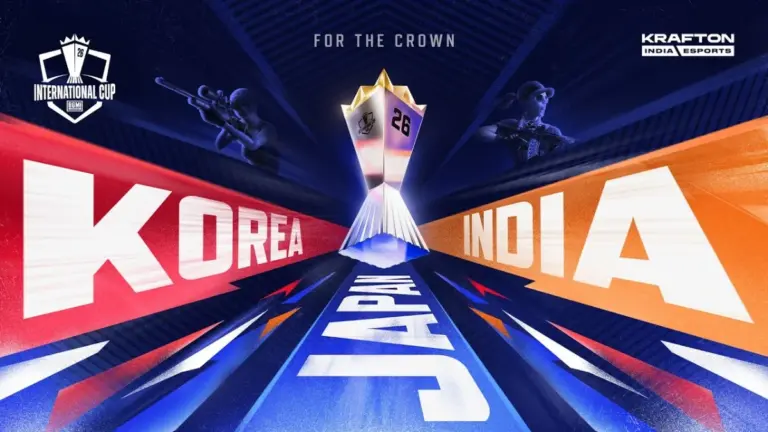
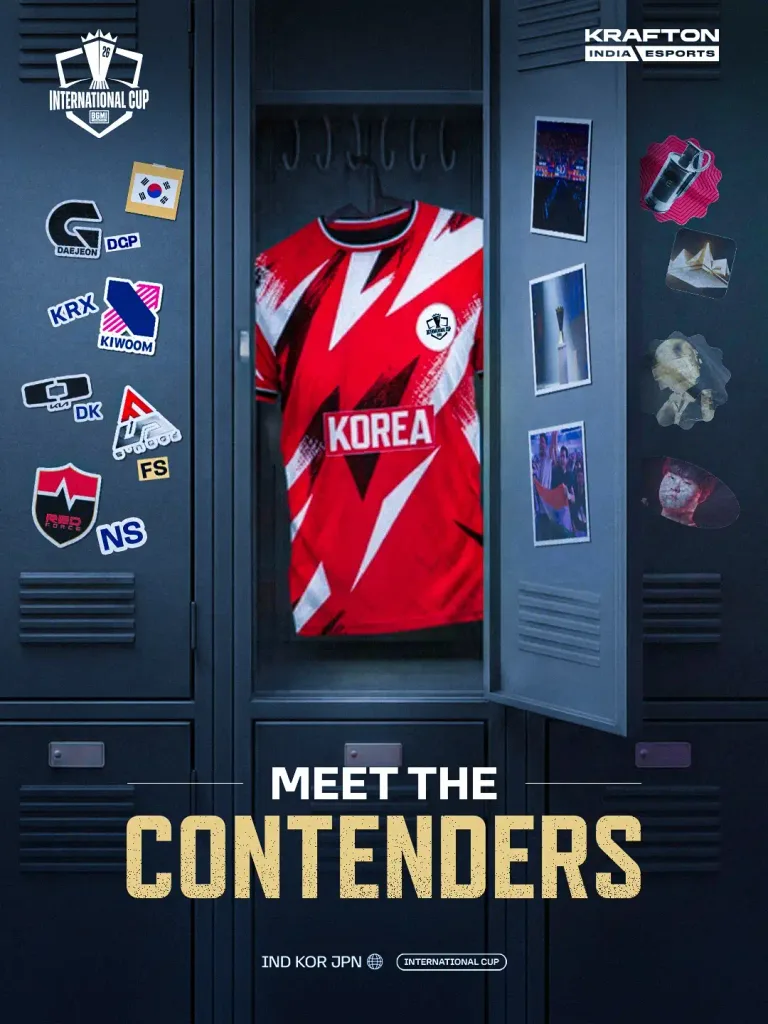
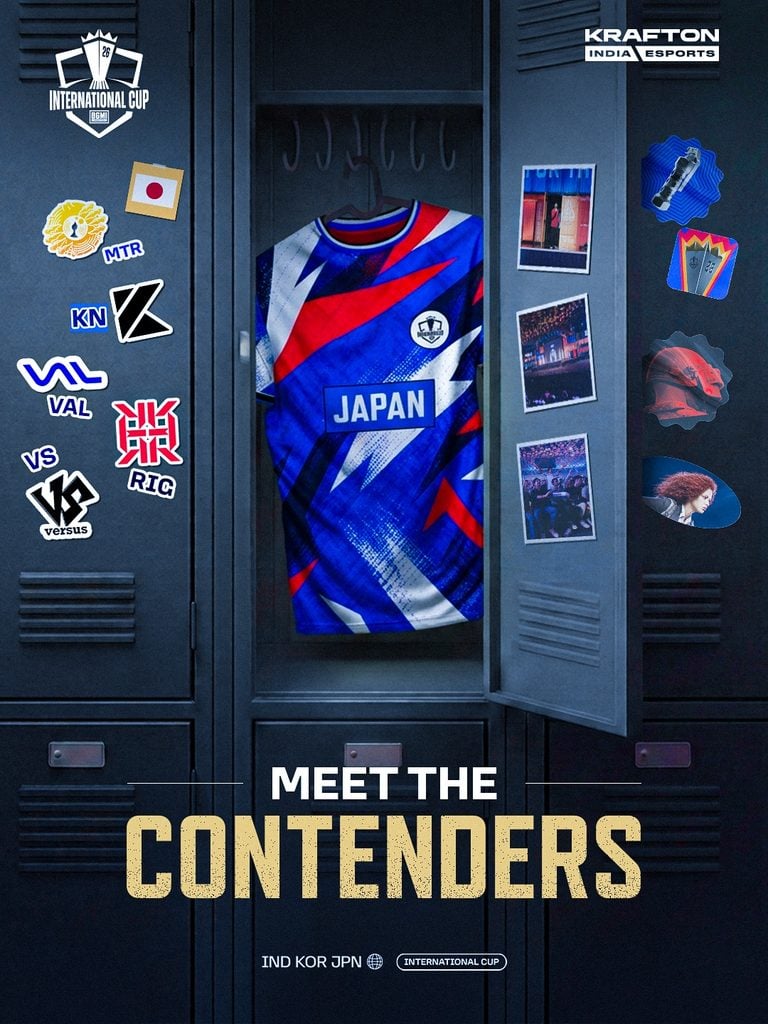
South Korea and Japan will send five teams each to Mumbai for the Battlegrounds Mobile India International Cup, which runs from 30th October to 1st November. These teams have earned their places through their own regional competitions. Some arrive with international experience, while others have a chance to introduce themselves to a much wider audience.
You do not need to know every player before the first match. But knowing a little about these teams will make the tournament more interesting to follow.
Why is Nongshim RedForce attracting attention? What makes Japan’s Valor an interesting team? How does DRX’s status as defending champion fit into this year’s competition? And which lesser-known squads could surprise everyone?
Let’s meet the 10 teams from South Korea and Japan.
First, how did these teams qualify?
BMIC 2026 features 16 teams, including six from India, five from South Korea and five from Japan.
The Korean teams qualified through two tournaments. Nongshim RedForce and Dplus earned their slots through the Korean Esports League (KEL) 2026. DRX, FOCUS and GAME PT qualified through PUBG Mobile Pro Series (PMPS) Season 2.
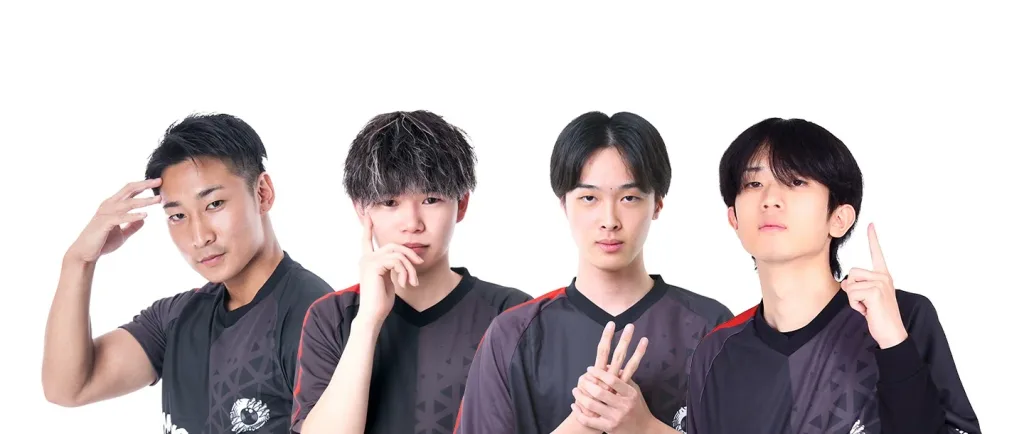
Japan’s five representatives came from PUBG Mobile Japan League (PMJL) Season 6 Phase 2. Valor finished first, followed by REIGNITE, Versus, MAKING THE ROAD and KINOTROPE gaming.
That distinction matters. Each team has earned its place through a regional competition, but the point totals from those leagues cannot be compared directly. Their formats, match counts and competitive environments differ.
The most useful starting point is each team’s recent performance, its history and the players who connect its story to the wider PUBG Mobile scene.
South Korea: Five teams to know
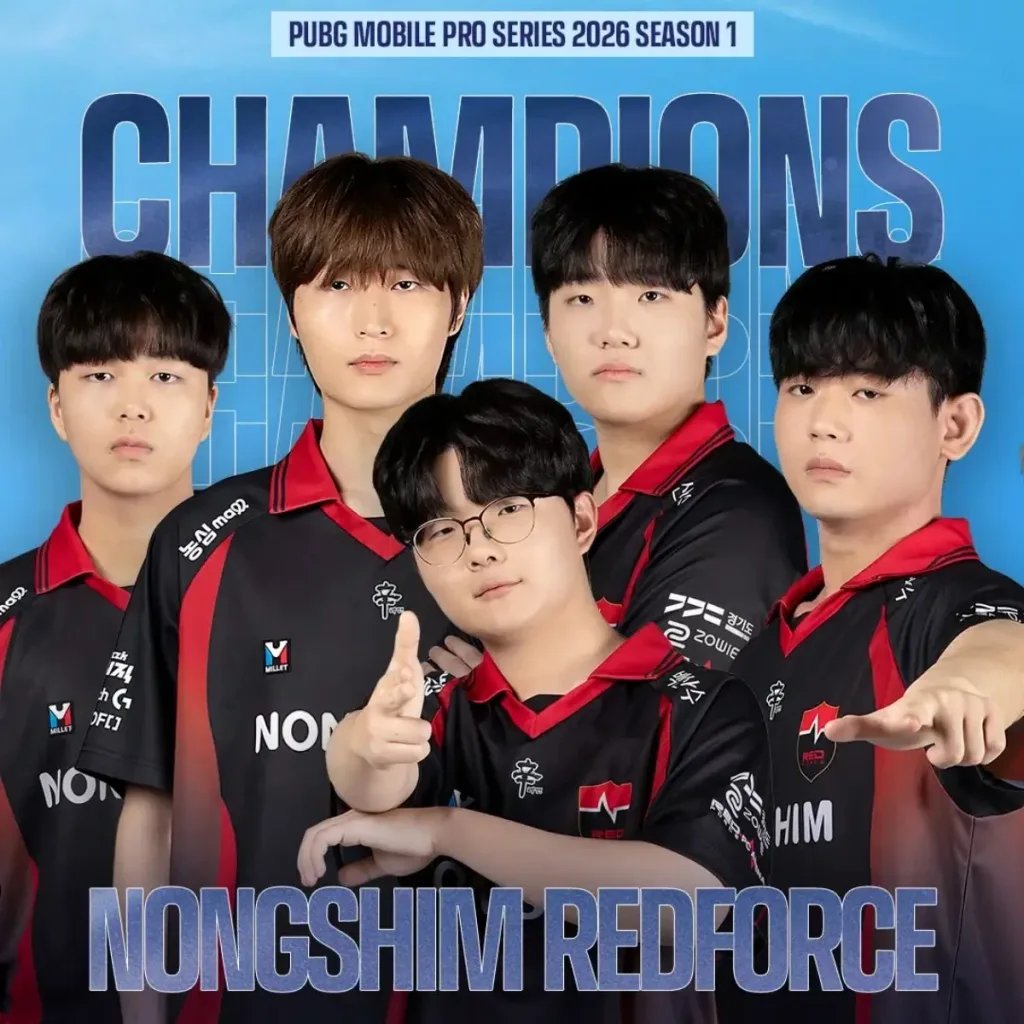
1. Nongshim RedForce: One of the strongest teams to watch
Qualification: KEL 2026 champion
Nongshim RedForce are a good place to start if you want to understand the Korean contingent.
The team won KEL 2026 with 213 points, finishing well ahead of runner-up Dplus. Nongshim also finished second at the PUBG Mobile World Cup 2026, giving it a recent result against international opposition.
Those achievements make Nongshim one of the teams to watch at BMIC. They do not guarantee a title, of course. A 16-team tournament can change quickly, particularly when teams face opponents they rarely meet in their domestic leagues.
Nongshim players you should remember
XZY is a useful name to learn first. He won the KEL 2026 Finals MVP award, making him one of the standout players from the Korean season.
HYUNBIN has a direct connection to BMIC’s history. He won the MVP award at BMIC 2025 while representing DRX. He now plays for Nongshim, which gives this year’s tournament a familiar face from the previous championship.
SOEZ is another player connected to DRX’s earlier championship era who is now associated with Nongshim.
TIZ1 is also part of the team’s current roster.
For a new viewer, the simplest takeaway is this: Nongshim arrive with a strong domestic result, recent international experience and a player, HYUNBIN, = who already knows what it feels like to win BMIC.
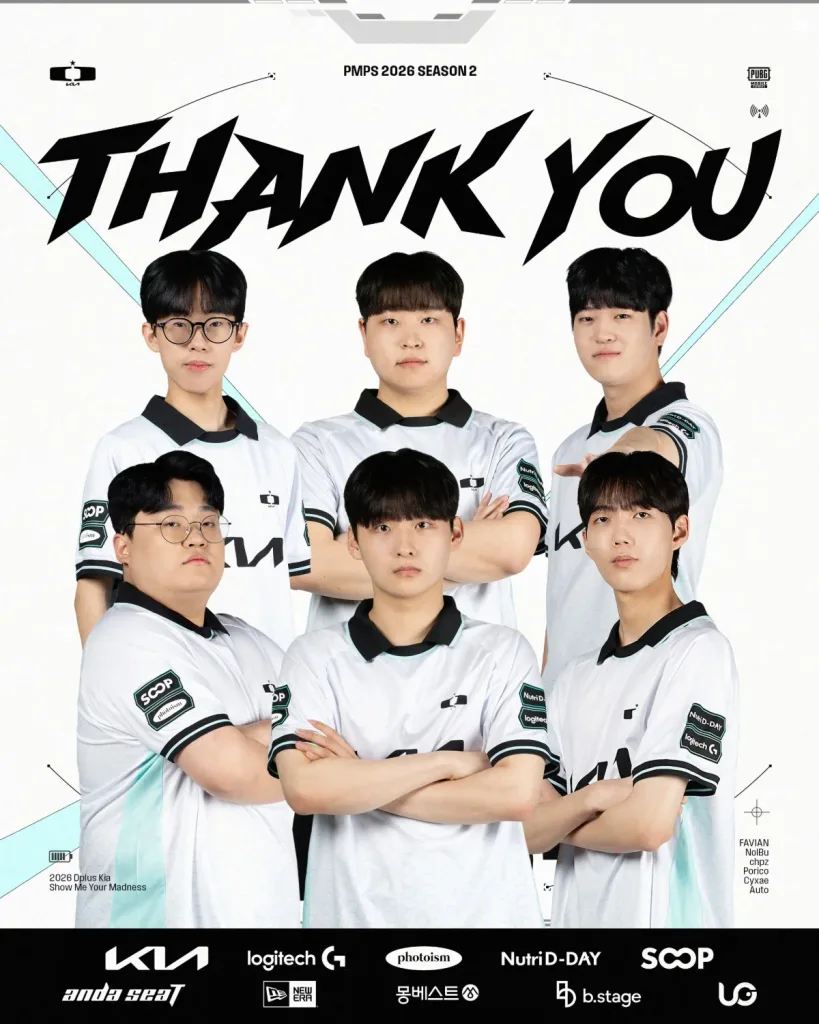
2. Dplus: Nongshim’s domestic rival
Qualification: KEL 2026 runner-up
Dplus finished second behind Nongshim at KEL 2026. They also placed sixth at BMIC 2025, so this is not a team arriving without experience of the event.
The organisation may already be familiar to people who follow international esports beyond mobile gaming. For BGMI fans, the relevant point is its recent PUBG Mobile form and the players on its roster.
The roster includes Nolbu, Cyxae, chpz, Porico, FAVIAN, and Auto.
Cyxae is particularly interesting because he links Dplus to the earlier DRX championship lineup. That connection helps explain why this year’s Korean teams have more shared history than their organisation names might suggest.
Dplus have a clear challenge ahead. They need to turn their domestic form into a strong international performance, with Nongshim providing a natural point of comparison.
3. DRX: The defending champions
Qualification: PMPS Season 2
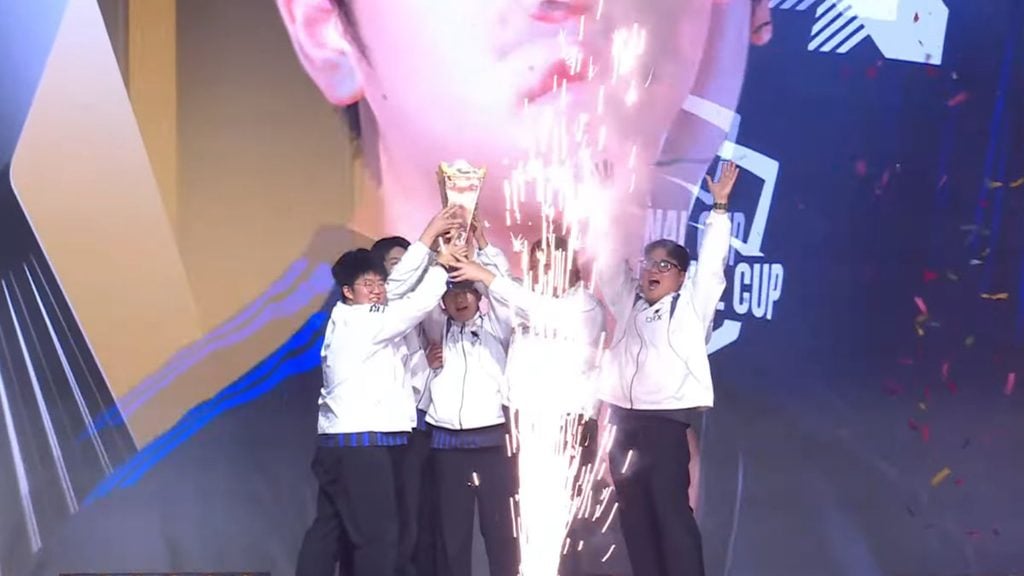
DRX won the inaugural BMIC in 2025 with 166 points. HYUNBIN took the MVP award and QX was named Best IGL.
The organisation returns to Mumbai as defending champion, but its current lineup is different from the team that won last year.
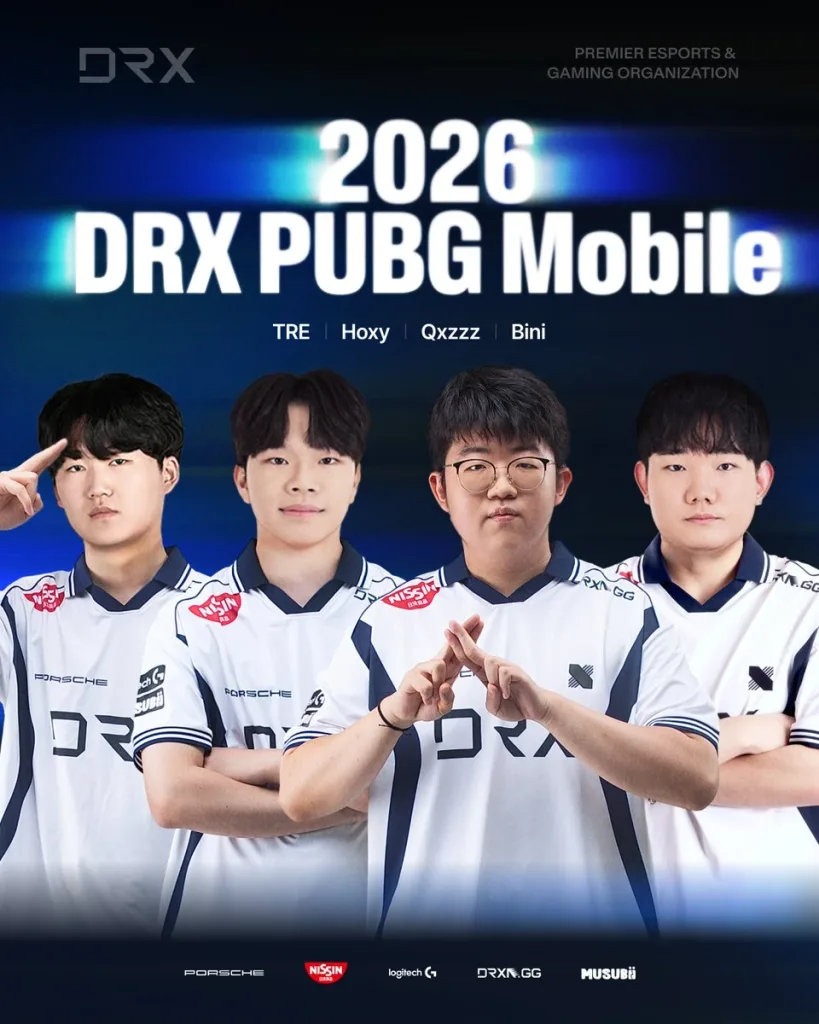
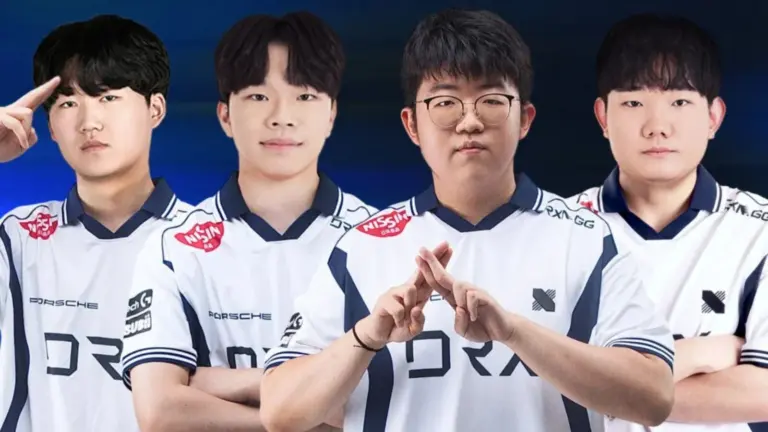
Qxzzz (also known as QX) is the central name in DRX’s story. He is joined in the current lineup by BINI, Hoxy and TRE.
That makes DRX one of the easiest teams to follow if you enjoy the human side of esports. A defending champion has expectations to manage, and a rebuilt lineup has to create its own identity rather than simply rely on a previous trophy.
There is a wider Korean connection, too. HYUNBIN and SOEZ are now associated with Nongshim, whereas Cyxae plays for Dplus. Players who once shared a championship campaign will now be competing against one another.
DRX qualified through PMPS Season 2, but that alone does not make them favourites. Nongshim’s more recent results put pressure on the defending champions to prove they can still compete at the top.
4. FOCUS: A team worth getting to know
Qualification: PMPS Season 2
FOCUS may not have the same international recognition as Nongshim, Dplus or DRX, but they earned their place at BMIC through the Korean competition.
FOCUS’ roster includes Hyde, Mahito, Mammoth, Newjeans and Rizzz.
For fans who are new to the Korean scene, FOCUS offer a chance to discover players outside the region’s best-known organisations.
Their BMIC campaign will be a test of how they handle unfamiliar opponents and the pressure of a three day international event. A strong opening could put them in contention early, whereas a slow start would leave them chasing points.
5. GAME PT: Another Korean side with something to prove
Qualification: PMPS Season 2
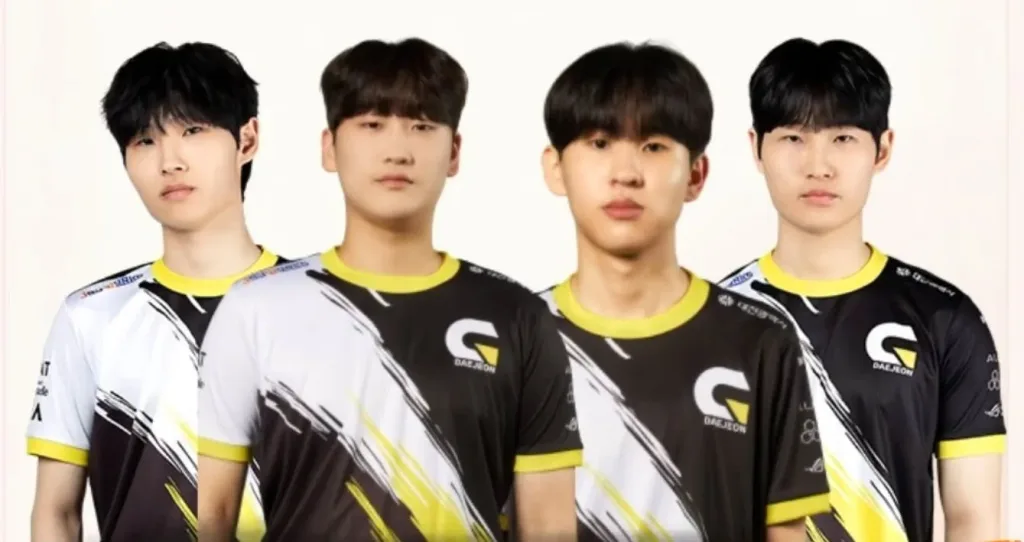
GAME PT (also referred to as Daejeon GAME PT) secured one of South Korea’s five BMIC places through PMPS Season 2.
The team’s roster includes AaRon, JAEMIN, JAESUK and Sentinel.
GAME PT do not arrive with the same recent international headline results as Nongshim. That does not make them irrelevant. Every team in a large-lobby tournament has a chance to affect the standings, and one good day can change the way people view an unfamiliar squad.
For Indian fans, GAME PT are worth watching as a discovery team. Learn their names, see how they approach the opening matches and judge their performance from what happens in the lobby rather than their reputation before the event.
Japan: Five teams from a close domestic race
Japan’s five representatives qualified through PMJL Season 6 Phase 2. The final standings were relatively close, with 45 points separating first place from fifth across the phase.
That does not mean the teams are identical in strength. It does mean there is a good reason to follow the whole Japanese contingent rather than assume that only the champion can challenge the field.
1. Valor: Japan’s champions
Qualification: PMJL Season 6 Phase 2 champion
Valor won PMJL Season 6 Phase 2 with 341 points, seven Chicken Dinners and 193 eliminations. They finished ahead of REIGNITE, who ended the phase on 328 points.
Those numbers give Valor a strong domestic record heading into BMIC. The team has shown that it can win matches and accumulate points across a long league phase.
But the most interesting part of Valor’s story may be its roster.
The roster includes 泰心, p1r, DokC, Missile and ちぽまる. Notably, DokC and Missile are South Korean players, whereas the other three are Japanese.
That makes Valor a mixed-nationality lineup. It is also a team with a connection to Nongshim. DokC previously played for the Korean organisation before moving to Valor.
DokC won PMJL’s Most Kills award, adding an individual achievement to Valor’s league title. His presence makes the team worth following for anyone interested in how players adapt when they move between regional competitions.
The official Valor profile describes its style as fluid movement built around individual player strengths. It also identifies Miramar as a preferred map. That is a useful detail to keep in mind during the matches, although one stated preference should not be treated as a guarantee of success on that map.
2. REIGNITE: Japan’s runner-up
Qualification: PMJL Season 6 Phase 2 runner-up
REIGNITE finished second in Japan with 328 points. They recorded seven Chicken Dinners and 196 eliminations, both strong figures across the phase.
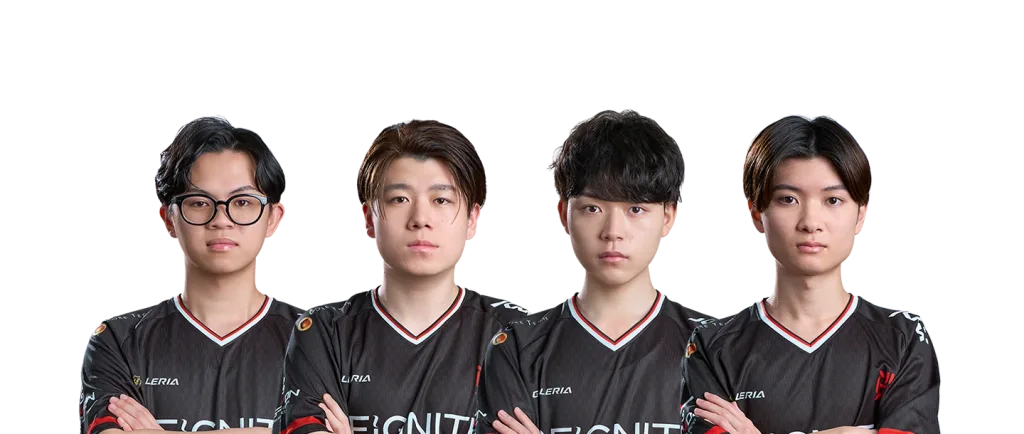
The roster includes Nagon, miz, YamaK and Taiki.
REIGNITE also appeared at BMIC 2025, where they finished 12th. Their second-place finish in Japan this year gives them another opportunity to perform on an international stage.
That is a useful story for fans to follow. Domestic form and international results are different tests, and REIGNITE now have a chance to see how much progress they have made since their previous BMIC appearance.
The gap between Valor and REIGNITE was only 13 points. That gives the Japanese teams a domestic rivalry to carry into Mumbai.
3. Versus: Close behind Japan’s top two
Qualification: Third place in PMJL Season 6 Phase 2
Versus finished third in Japan with 321 points, just seven behind REIGNITE.
The roster includes Ace, Breaker, BBZz, Reeey, KA2U and Nack.
Versus are close enough to Japan’s leading teams on recent results to merit attention. Their challenge at BMIC will be to reproduce that consistency against opponents from two other regions.
A tournament with 18 matches rewards more than one spectacular performance. Teams need to find a way to remain competitive across all three days.
4. MAKING THE ROAD: The team with the biggest elimination total
Qualification: Fourth place in PMJL Season 6 Phase 2
MAKING THE ROAD (MTR) finished fourth in Japan with 319 points.
Their most striking number was 221 eliminations, the highest total among the five Japanese teams that qualified. Yet MTR recorded only one Chicken Dinner during the phase.
That contrast makes them an interesting team to follow. High elimination totals suggest a squad that can find fights, but eliminations alone do not guarantee match wins. Positioning, survival and decisions in the final circles all affect the result.
The roster includes REX, PINE喰, Garnet and Aibo.
If MTR can turn its fighting output into more wins, it could climb the standings quickly. If not, its results may once again show the difference between winning fights and winning matches.
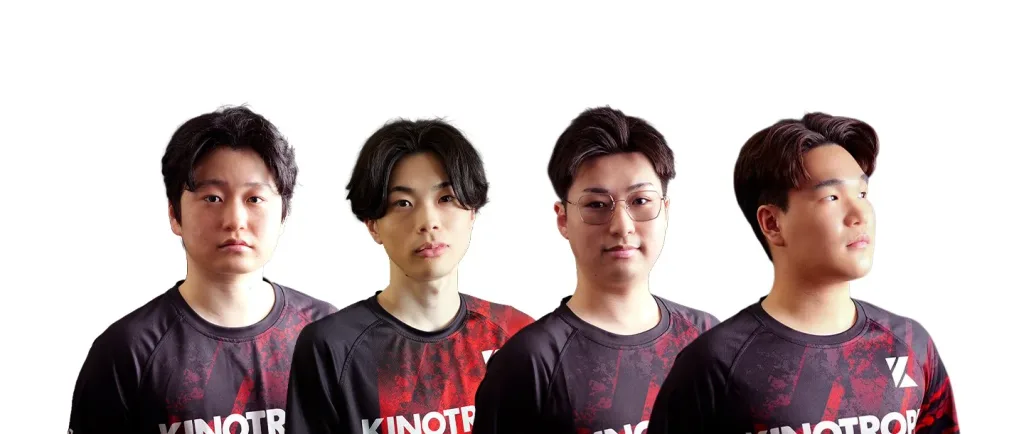
5. KINOTROPE gaming: A team that should not be overlooked
Qualification: Fifth place in PMJL Season 6 Phase 2
KINOTROPE gaming finished fifth among Japan’s qualifiers with 296 points. The team recorded five Chicken Dinners and 195 eliminations.
The five wins are worth remembering. Despite finishing behind the other four Japanese teams, KINOTROPE showed that it could close out matches during the league phase.
The roster includes Naoto, Sporta, OZISAN and TAMR4. Notably, Sporta and TAMR4 are South Korean players.
KINOTROPE also has experience at previous international events, though its earlier appearances involved a different lineup. That history provides context, but it should not be treated as proof that the current squad will achieve the same results.
For viewers who enjoy following an underdog, KINOTROPE is a good team to keep on the watchlist.
Five international players to remember
You do not need to memorise every roster to enjoy BMIC. Start with a handful of players whose recent achievements or team histories give them a clear story.
XZY (Nongshim RedForce): The KEL 2026 Finals MVP. His recent performance makes him one of the Korean players to watch.
HYUNBIN (Nongshim RedForce): The BMIC 2025 MVP, now playing for Nongshim. He connects this year’s tournament to the previous championship.
Qxzzz (DRX): A key returning player from the defending champions. He won the Best IGL award at BMIC 2025.
DokC (Valor): A former Nongshim player who won PMJL’s Most Kills award with Valor. His move links the Korean and Japanese teams.
Nagon (REIGNITE): A player to track on Japan’s runner-up team. REIGNITE’s recent results give the squad a strong starting point for BMIC.
What makes this year’s international field interesting?
The appeal of BMIC 2026 is not simply that Indian teams will face opponents from two other countries. It is that the tournament brings together teams with different histories and recent results.
Nongshim RedForce arrive after winning KEL and finishing second at PMWC. DRX return as defending champions with a changed lineup. Dplus have a chance to challenge their domestic rivals on another stage.
Japan’s teams bring their own competition into the event. Valor won PMJL, REIGNITE finished second, and Versus followed closely behind. MAKING THE ROAD’s high elimination count raises questions about its ability to close matches, while KINOTROPE’s five wins make it worth watching.
The results from each region give us a starting point. They cannot tell us exactly what will happen when the teams meet in Mumbai.
That is part of the fun. As the tournament unfolds, players who are unfamiliar today could become names Indian fans remember.
South Korean esports organisation DRX will enter the BGMI International Cup (BMIC) 2026 as the defending champions. The team won BMIC 2025 in Delhi with a dominant performance, but a lot has changed since then.
DRX no longer has the same roster that won the championship last year. Three of its four players have left, and the organisation has built a new lineup around its experienced In-Game Leader (IGL), Qx.
The new team has delivered some good results in 2026, but it has also struggled at major international tournaments. Now, DRX will travel to Mumbai to defend its title against some of the best teams from India, South Korea, and Japan.
DRX Dominated BMIC 2025 With Its Previous Roster
DRX won BMIC 2025 in Delhi with a roster featuring Hyunbin, Cyxae, Qx, and Soez.
The team dominated the competition, with Hyunbin delivering one of the best individual performances of the tournament. He secured 44 finishes in 18 matches and won the Most Valuable Player (MVP) award. Qx also played an important role in the championship victory. He secured 29 finishes and received the Best IGL award for his leadership.
Here is how the DRX players performed at BMIC 2025:
Player
Finishes
Hyunbin
44
Qx
29
Soez
22
Cyxae
16
All four players contributed to the team’s success, helping DRX lift the championship trophy in Delhi. However, the championship-winning roster did not stay together for long.
Following their BMIC victory, DRX finished sixth at the PUBG Mobile Global Championship (PMGC).
In January 2026, Hyunbin, Cyxae, and Soez left the organisation, leaving Qx as the only remaining player from the championship-winning lineup.
DRX then signed BINI from NS RedForce, along with Hoxy and TRE from FN Esports. The organisation also retains Bigfafa, one of the well-known coaches in PUBG Mobile esports.
Here is the DRX roster for BMIC 2026:
Name
Role
Qx
In-Game Leader
BINI
Assaulter
Hoxy
Assaulter
TRE
Assaulter
Bigfafa
Coach
With three new players, DRX had to rebuild its teamwork and develop a new playing style.
However, keeping Qx was an important decision. His experience and leadership helped the team maintain some stability during the roster changes.
DRX’s Performance in 2026: Strong Results but International Struggles
DRX started its journey with the new roster by winning the Esports Championship Asia 2026, a B-tier tournament. The team then finished fourth at PUBG Mobile Pro Series (PMPS) 2026 Season 1 and fifth at the PUBG Mobile Macao Invitational 2026, an S-tier international tournament. DRX also won the PUBG Mobile Rivals Cup 2026 and secured fourth place in the Korean Esports League 2026.
These results showed that the new roster had the potential to compete against strong opponents. However, the team’s biggest disappointment came at the PUBG Mobile World Cup 2026.
DRX finished 25th at PMWC 2026, a disappointing result for a team that had won BMIC just a year earlier.
The team struggled to deliver the same level of performance against international opponents. More recently, DRX showed signs of improvement by finishing second at PMPS 2026 Season 2, where NS RedForce won the championship.
DRX’s Major Results in 2026
Tournament
Result
Esports Championship Asia 2026
Champions
PMPS 2026 Season 1
4th
PUBG Mobile Macao Invitational 2026
5th
PUBG Mobile Rivals Cup 2026
Champions
Korean Esports League 2026
4th
PUBG Mobile World Cup 2026
25th
PMPS 2026 Season 2
2nd
DRX has won two tournaments with its new roster, but its 25th-place finish at the World Cup remains a major concern heading into BMIC 2026.
Can DRX Win BMIC 2026 With Its New Roster?
BMIC 2026 will take place from October 30 to November 1 at the Sardar Vallabhbhai Patel Indoor Stadium in Mumbai.
DRX will face five Indian teams alongside the other South Korean and Japanese representatives, with six Indian teams competing in total.
Among the biggest opponents will be NS RedForce, Dplus, iQOO Soul, Gladiators Esports, and iQOO 8Bit.
NS RedForce will be a particularly interesting opponent after defeating DRX to win PMPS 2026 Season 2.
However, DRX still has several strengths. Qx has already proved his leadership by winning the Best IGL award at BMIC 2025. BINI, Hoxy, and TRE bring individual firepower, while Bigfafa provides coaching experience.
The team’s recent second-place finish at PMPS also shows that it can compete against strong Korean opponents.
The biggest question is whether DRX can deliver the same performance on the international stage. Winning BMIC 2025 with Hyunbin, Cyxae, and Soez was one achievement. Defending that title with three new players would be an even bigger statement.
DRX may not be the same team that dominated BMIC 2025, but they still have the talent, leadership, and experience to fight for another championship in Mumbai.
Orangutan aren’t breaking up their BGMI lineup. Founder Yash Bhanushali shut down the rumours on October 23, saying there will be “NO changes” and that every player is signed on a long-term contract ending in 2029.
The update comes 10 days after the defending champions crashed out of BMSD 2026 before the Grand Finals. That exit also cost them a shot at BMIC 2026 and PMGC 2026.
What Yash Bhanushali Said
Yash said he had received a lot of DMs from fans asking about the roster. His reply was blunt.
Simple answer- NO changes, all of my boys are signed on long term contracts ending 2029. We will evaluate if we want to further strengthen the team with additional coaching/support staff but nothing in terms of roster changes.
He added that “the boys have given us such moments of joy” and that the org “will always back them in their lows.” He signed off the BGMI part with “See you in 2027.”
The only change on the table is off the server. Orangutan may bring in extra coaching or support staff. Any fix for 2027 will come from the backroom.
How Orangutan Got Knocked Out of BMSD 2026
Orangutan finished 9th in the BMSD 2026 Last Chance stage, which wrapped up on October 13. They scored 79 points across 12 matches with one chicken dinner, 26 finishes and 53 placement points.
Only the top four moved on. Wyld Fangs, Elite Nova Esports and Team Tamilas sat on 90 points each, leaving Orangutan 11 points short of the cutoff, as we covered in our report on Orangutan’s BMSD 2026 elimination.
Akop led the team with more than 85 finishes across the event, and WizzGod added over 75. It wasn’t enough.
Why This Exit Hurts So Much
Orangutan won BMSD 2025 with 147 points and took home ₹30 lakh. A year later, they couldn’t even reach the 16-team Grand Finals in Hyderabad.
BMSD 2026 was the last route to the year’s biggest events. Team SouL won the title and India’s PMGC 2026 slot on October 18, while the top six teams booked spots at BMIC 2026, which runs October 30 to November 1 in Mumbai.
That means Orangutan’s 2026 season is effectively over. No BMIC and no trip to Türkiye for PMGC.
The year still had its highs. The team finished 3rd at BGIS 2026 and represented India at the PUBG Mobile World Cup 2026, which is the “moments of joy” Yash pointed to.
Orangutan’s Current BGMI Roster
Here’s the lineup that stays together until 2029, per our Orangutan team page.
Player
Real Name
Role
Aaru
Arman
IGL
WizzGod
Faraz Khan
Assaulter/Support
Attanki
Randeep Singh Bhullar
Assaulter
Akop
Ankit Shukla
Assaulter
Prem
Prem Gajra
Player / Manager
What’s Next for Orangutan
Yash teased more than BGMI news in the same story. He wrote that “new lineup announcements” are dropping next month and that the org is moving to a new office soon, calling it “a long standing dream.”
He didn’t say which games the new lineups are for. Since the BGMI roster is locked in, the announcements likely point to other titles or new divisions.
The next real test for this squad comes when the 2027 BGMI circuit starts. A roster that won BMSD 2025 has a full off-season to fix what went wrong in 2026.
FC 27 Season 2 is live, and it’s called FC Heritage. EA flipped the switch on October 22, 2026, and the theme leans hard on old-school FUT nostalgia, with cards for active players who could one day end up in the Hall of FUT.
The Season Pass runs 30 levels on both ladders. Below you’ll find every reward, which levels actually matter, and whether the Premium upgrade earns its price this time.
Season 2 ends on December 3, 2026 at 07:59 UTC (1:29 PM IST), according to FUT.GG’s season tracker. That gives you 42 days from launch.
EA usually starts the next season the moment the old one closes. So expect Season 3 to drop the same morning, though EA hasn’t confirmed it yet.
How Many Season Points Do You Need?
FUT.GG lists 30,000 Season Points (SP) to clear all 30 levels. Spread over 42 days, that works out to roughly 715 SP a day.
SP comes from daily, weekly and campaign objectives. Premium owners also get two 2,500 SP boosts at Levels 11 and 25, which is a quiet but real head start on the grind.
All 16 FC Heritage Players at a Glance
EA’s official Season 2 announcement confirms “up to 16” Heritage player items across the two ladders. Here’s where each one sits.
Level
Free Ladder
Premium Ladder
3
–
Danny da Costa
5
Allan, Alphonse Areola
–
7
–
Lorenzo Insigne
15
Kenny Lala, Jule Brand
David de Gea, Athenea
20
Timo Werner, Silas
Nabil Fekir
24
–
Ferland Mendy
25
Fridolina Rolfö
–
29
–
Mallory Swanson
30
Allan Saint-Maximin
Marcus Rashford
The split is fairer than it first looks. Free players pick up eight Heritage cards, the same count as Premium, so you aren’t locked out of the theme by skipping the upgrade.
FC Heritage Free Ladder Rewards (Levels 1-30)
The free track mixes packs, picks and Evolutions, with Heritage players landing at Levels 5, 15, 20, 25 and 30. Halloween cosmetics also show up early because the season overlaps with the spooky window.
Levels 24 to 30 are where the free ladder pays out. Between them you get 30 packs rated 83+ or higher, plus Rolfö and Saint-Maximin, which is plenty of fodder for upgrade SBCs.
FC Heritage Premium Pass Rewards (Levels 1-30)
The Premium side carries the bigger names: Insigne, De Gea, Fekir, Swanson and Rashford. Its packs are tradeable, so the fodder has actual market value.
Marcus Rashford, 3x 85+ Gold Players Pack, 86+ Gold Player Pack
Level 26 is the sleeper pick. Four Evolutions in one tier, three of them tied to the Retro Ultimate Scream theme, means you can turn older cards into something usable for the Halloween promo.
Is the FC Heritage Premium Pass Worth It?
The Premium Pass costs 500,000 Coins or 1,000 FC Points. If you bought the Ultimate Plus Edition, it’s already unlocked, and our guide on redeeming FC 27 pre-order and edition bonuses shows where to find it.
For coin buyers, it’s a tough sell. The tradeable packs, including the 31 packs at Level 27 alone, will claw back part of the 500K, and you pick up 30,000 Coins at Level 13 too.
Early impressions aren’t glowing either. RealSport101 noted that many Heritage cards gain only one or two attribute points over their base versions. If you only want playable cards, the free ladder plus a few smart Evolutions gets you most of the way.
Other Ways to Earn FC Heritage Cards
The pass isn’t the only source this season. EA has stacked Heritage players into live events that run alongside the ladders.
Daily Knockout Tournament: this weekly PvP competition rewards Olga Carmona as a group reward. Completing the Weekly Play objectives also gets you Axel Witsel.
FC Heritage Circuit: a five-stage offline run with Ultimate Scream, Hall of FUT: Unleashed and Thunderstruck stages, capped by a Legendary final. Clearing its objectives unlocks Alexis Sanchez, and the Completionist set adds Jeremiah St. Juste.
FUT Gallery expansion: over 60 new Sets arrive, including League and Club Sets for MLS, the NWSL and the Roshn Saudi League. Turning in Sets raises your Gallery Level for extra rewards.
Knock out daily objectives every day you log in, since skipping two or three costs you a full level by week six. Weekly and campaign objectives carry the heavier SP payouts, so clear those before the Sunday reset.
If you’re playing the Heritage Circuit anyway, check which objectives its matches can tick off. Two reward tracks for one session is the easiest SP you’ll get.
Save your Evolutions until you’ve seen the late ladder. The final few, like Glue or Genius at Level 28, come with looser requirements and suit more of your club.
Today’s Quordle answers for October 23, 2026 are spoiler-protected below, so you can take a hint first and decide how much help you want. Game #1733 has no repeated letters and no rare letters, which makes it one of the friendlier Friday grids.
We split this guide into general hints, one clue per word, the full answers, and the Daily Sequence solution. Scroll at your own pace.
Quordle #1733 Hints for Today (October 23, 2026)
Start with the broad hints if you only want a small push. They narrow the field without giving away a full word.
Hint
Today’s Puzzle
Starting letters
B, H, F, L
Different vowels used
4 (E, I, O, U)
Words with a repeated letter
0
Rare letters (Q, Z, X, J)
None
Ending letters
P, T, D, D
Words starting with the same letter
0
One pattern stands out today. The letter I shows up in all four answers, so an opener like SLICE or RAINS can light up every board at once.
A Clue for Each Word
Still stuck after the table? These clues point to each word without spelling it out.
Word 1 (starts with B): A large airship held up by gas, often seen floating above sports stadiums.
Word 2 (starts with H): To lift something heavy, usually with a rope or a pulley.
Word 3 (starts with F): How most people like their chicken or their eggs, cooked in hot oil.
Word 4 (starts with L): Shockingly vivid or sensational, the kind of word tabloids love.
Quordle Answers Today: Game #1733
Spoiler warning: the four solutions are right below. Stop here if you want to keep trying.
Board
Answer
Top left
BLIMP
Top right
HOIST
Bottom left
FRIED
Bottom right
LURID
LURID is likely the word that trips most players today. It is common in writing but rare in casual speech, and Merriam-Webster defines lurid as causing shock or horror, as well as glowing with an unnatural, fiery color.
FRIED and LURID both end in D, which is a handy shortcut once you crack one of them. BLIMP is the only word with a P, so a guess like CRIMP or PRISM can lock it in fast.
Quordle Daily Sequence Answers for October 23
In Daily Sequence mode, the four boards unlock one after another, so order matters. Here are today’s solutions in sequence, as reported by TechRadar’s Quordle #1733 roundup.
Order
Answer
1
TRADE
2
OFFAL
3
QUAIL
4
LOAMY
Unlike the main grid, the Sequence uses a rare letter today. The Q in QUAIL and the double F in OFFAL are the two traps to watch.
Yesterday’s Quordle Answers (#1732, October 22)
Missed yesterday’s grid or want to check your streak? Game #1732 on Thursday, October 22 used these four words.
Quordle asks you to solve four five-letter words at the same time in nine guesses. Every guess you type goes into all four boards, so one smart word can help on several grids at once.
Green means the letter is in the right spot, and yellow means it is in the word but in the wrong place. Grey letters do not appear in that board’s answer at all. The game is now hosted on Merriam-Webster’s official Quordle page, which also offers Chill, Extreme, and Daily Sequence modes.
Quick Tips for Better Scores
Open with two words that cover five different vowels and common consonants, such as AUDIO and THREE.
Finish the easiest board early so you free up guesses for the hardest one.
Watch for shared endings like today’s double D, because they cut your options quickly.
You can play Modern Warfare 4 multiplayer early on console by switching your region to New Zealand. Console multiplayer unlocks at midnight local time on October 23, and New Zealand reaches midnight before anyone else, at 11:00 UTC on October 22. On the US East Coast, that works out to a 17-hour head start.
The trick works best on Xbox and through the Xbox app on PC. Steam and Battle.net players are out of luck because PC unlocks at one moment worldwide. PlayStation is possible, but it costs you a second account.
When Does Modern Warfare 4 Multiplayer Unlock in Your Region?
Console players get multiplayer at 12:00 AM local time on October 23. New Zealand has been on daylight saving time (NZDT, UTC+13) since late September, which is why its midnight lands at 11:00 UTC on October 22.
Some guides list the New Zealand unlock as 6:00 AM on October 21. That is wrong. The table below shows what time New Zealand’s unlock hits in your zone, and how many hours you gain over waiting for your own midnight.
Your region
NZ unlock in your local time
Head start vs. your midnight
US Pacific (PT)
4:00 AM, Oct 22
20 hours
US Central (CT)
6:00 AM, Oct 22
18 hours
US Eastern (ET)
7:00 AM, Oct 22
17 hours
Brazil (BRT)
8:00 AM, Oct 22
16 hours
UK (BST)
12:00 PM, Oct 22
12 hours
Central Europe (CEST)
1:00 PM, Oct 22
11 hours
India (IST)
4:30 PM, Oct 22
7.5 hours
China (CST)
7:00 PM, Oct 22
5 hours
Japan and Korea (JST/KST)
8:00 PM, Oct 22
4 hours
Australia East (AEDT)
10:00 PM, Oct 22
2 hours
The math favours the Americas. A player in Los Angeles can be ten matches deep before most of the US has even woken up.
Which Platforms Support the New Zealand Trick?
Xbox is the safest bet. The other platforms range from “works with extra steps” to “doesn’t work at all”, based on reports from Dot Esports’ platform-by-platform breakdown and other early-access guides.
Platform
Does it work?
What you need
Xbox Series X|S
Yes, most reliable
Console location and Activision address set to New Zealand
PC (Xbox app / Microsoft Store)
Yes
Windows region and Activision address set to New Zealand
PlayStation 5
Only with a New Zealand PSN account
A copy of MW4 bought on that account
PC (Steam / Battle.net)
No
These stores launch at the same time worldwide
Nintendo Switch 2
Unconfirmed
No reliable reports yet
How to Play MW4 Multiplayer Early on Xbox
The Xbox method takes about five minutes and needs no new account. You change two things, the console’s location and the address on your Activision profile.
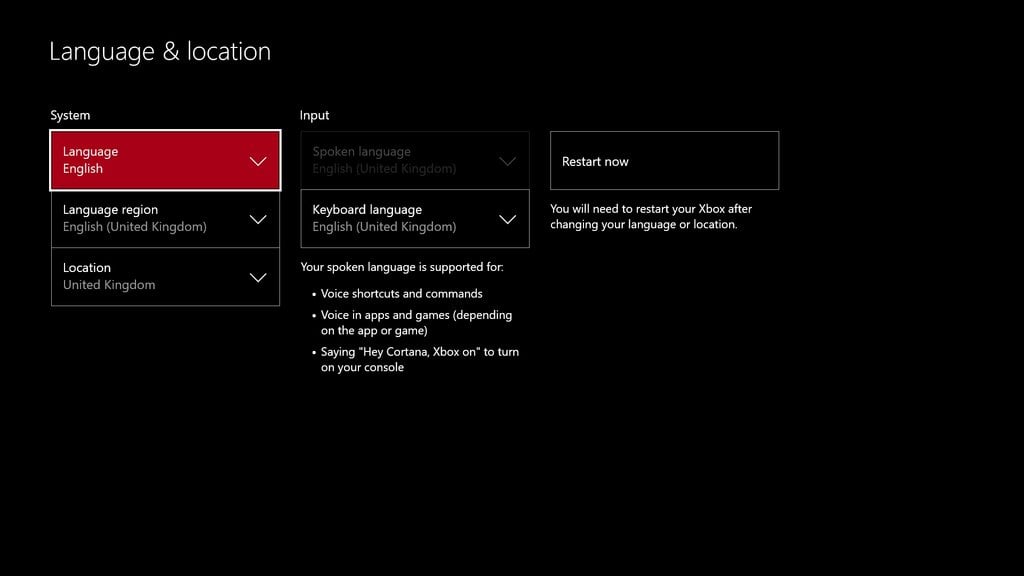
On your Xbox, open Settings > System > Language & location and set Location to New Zealand.
Pick Restart now when prompted so the new location applies.
Sign in to your Activision account on the official Call of Duty site with the same account linked to your Xbox.
Open your profile’s basic info, enter a valid New Zealand address, and save.
Launch Modern Warfare 4 and head into multiplayer.
Switch everything back once your own region hits midnight. Your Microsoft Store will show New Zealand prices in NZD until you do.
How to Play MW4 Early on PC Through the Xbox App
This only works if you own MW4 through the Xbox app, Microsoft Store or PC Game Pass. Those versions follow the same rolling regional unlock as consoles.
Open Windows Settings > Time & language > Language & region.
Set Country or region to New Zealand.
Restart your PC.
Update your Activision account address to New Zealand.
Launch the game through the Xbox app.
PC players also need TPM 2.0 and Secure Boot switched on for RICOCHET Anti-Cheat, the same rule that applied during testing. Our Modern Warfare 4 beta PC requirements guide covers how to check both settings.
That converts to 04:00 UTC. It’s 9:00 PM PT on October 22, then 12:00 AM ET, 5:00 AM BST and 9:30 AM IST on October 23.
Indian PC players on Steam get a rough deal here. Console players in India unlock at midnight, nine and a half hours before them.
Can PS5 Players Use the New Zealand Trick?
Yes, though it’s expensive. PlayStation ties game licences to the region of your PSN account, so changing your Activision address alone usually won’t unlock anything.
The working route is a brand-new New Zealand PSN account with MW4 bought on it from the New Zealand PlayStation Store. If you already own the game on your main account, that means paying twice. Most PS5 players are better off waiting for midnight.
What Are the Risks of Switching Region?
Ping is the big one. Insider Gaming warns that latency will be noticeably higher on New Zealand servers, and a rush of region-swapped players can strain them at launch.
Payments can also misbehave. Your store switches to NZD, and a region change can trip up saved cards and purchases.
Activision hasn’t commented publicly on the region switch. It’s a settings change, and players have used it on past Call of Duty launches, but you’re doing it at your own risk.
What Did Pre-Order Players Already Get?
Digital pre-orders of the Standard or Vault Edition unlocked the campaign on October 16 and DMZ on October 20, according to the official Call of Duty blog. Multiplayer was never part of that early access.
The campaign has 16 missions across the Korean Peninsula, Paris, New York and Mumbai. Finishing them unlocks 16 rewards, including operators and XP tokens, which carry over to multiplayer and DMZ at launch.
If you haven’t bought it yet, our Modern Warfare 4 release date and price breakdown covers the $70 Standard Edition and platforms. PC preloads opened on October 15 and need roughly 115GB of free space.
Is Playing Early Worth It?
For US and Brazilian players, almost certainly. Seventeen to twenty extra hours means a head start on weapon levels, camos and the early meta before the lobbies fill up.
For players in Asia and Australia, the gain is two to seven hours, and you pay for it in ping. Grinding in your own region at midnight is probably the smarter play.
Valve released a Counter-Strike 2 update on October 22, 2026, and every line of it is for mapmakers. Map scripts can now track hostages, control warmup, scores and round endings through a new GameRules export, run console commands and preload assets. Competitive matchmaking, weapons and maps are unchanged.
The other big addition is a top-level Console export that can set convars without sv_cheats turned on. Radar elements placed by scripts also work in every game mode now. Before this patch they only showed up in Rush.
What Changed in the CS2 October 22 Update?
Valve’s official October 22 patch notes on Steam are split almost entirely under a map scripting header. Six areas moved. Hostages, precaching, the console, game rules, the custom HUD and the radar each picked up new functions, and a short list of fixes closed it out.
For anyone keeping track, this is the second patch in eight days. The previous one, on October 14, was a quality-of-life pass on demos, and we covered it in our breakdown of the CS2 demo viewer and round backup changes.
CS2 October 22 Patch Notes (Full List)
These are Valve’s official release notes for the October 22, 2026 Counter-Strike 2 update.
[ MAP SCRIPTING ]
Added custom_hud_layout entity:
custom_hud_layouts are the entry point for scripted maps to provide custom UI.
Panel, Label, Image, and Button panel types are supported.
Styling with css is supported.
Events and client side scripting are not supported.
Maintains state during tools mode reloads.
Added cs_player_camera entity:
Gives control of a player’s view without moving their pawn.
Can be configured to let the player look around from the scripted position.
Corrected types for some events where parameters were maybe undefined.
Errors encountered during initial script run are now logged to the console.
Unhandled promise rejections are now logged to the console.
Added the column number to errors caught during the CompileModule step of script loading.
Deprecated planter from Instance.OnBombPlant event
Deprecated defuser from Instance.OnBombDefuse event
Hostage Scripting Finally Arrives
Hostage Rescue has been part of Counter-Strike since the late 1990s, yet scripts in CS2 couldn’t see it until now. The new CSHostage class exposes whether a hostage is being picked up, being carried, or already rescued. It can also return the player who rescued it, plus the exact start and finish times of a pickup.
Six new event hooks fire at each step. They are OnHostagePickUpStart, OnHostagePickUpAbort, OnHostagePickUp, OnHostageDrop, OnHostageRescue and OnHostageKill, and a matching CSPlayerPawn.GetHostage tells a script which hostage a player is holding.
What does that unlock? A creator could build a timed escort mode, award money for a clean rescue, or punish a team that loses a hostage halfway to the zone. None of that was possible from script before this week.
Precaching Lets Maps Load Assets Mid-Match
The new Instance.Precache call returns a CSPrecache object. Mapmakers can check whether an asset is loading or loaded on the server, on each client, or for every connected player. A Release method frees it when the map no longer needs it.
In practice, a map can now wait until every player has a model or sound ready before it spawns anything that uses it. That should cut down on pop-in and missing assets in heavier community maps.
New GameRules and Console Exports
Valve also reorganised a large chunk of the API. Round and match controls now live under a top-level GameRules export, which includes StartWarmup, EndWarmup, GetTeamScore, AddTeamScore, TerminateRound and AddTeamMoney.
Several functions that used to sit on Instance have moved there too, such as IsWarmupPeriod, GetRoundsPlayed and SetRoundRemainingTime. The old versions are flagged as deprecated. They still run, so existing maps won’t break overnight.
The new Console export collects convar getters for booleans, numbers, strings, vectors, angles and colours, along with ClientCommand, ServerCommand and RegisterCheatCommand. The notable one is Console.SetConvar, which Valve says is not restricted by sv_cheats. Instance.Msg has been renamed Console.Log, a name anyone who has written browser JavaScript will recognise immediately.
HUD, Radar and Bug Fixes
Two new layout classes, HUD_TEAMMENU_VISIBLE and HUD_CHAT_VISIBLE, let a custom HUD react when the team menu or chat is open. They build on the custom_hud_layout entity Valve introduced in its late-August map scripting update, which also added the scripted player camera.
On the radar side, radar_element now draws in all game modes. Until this patch, that entity only worked in Rush, the 3v3 mode Valve launched with the Rush Hour update in September.
The fix list is short but useful:
A crash in GameRules.AddTeamMoney is gone.
Enum values now match the point_script.d.ts type file.
CSRadarPoint.IsVisibleToTeam and CSObservablePoint.IsObservableForTeam return booleans instead of numbers.
Script warnings include call stacks and argument details.
map_workshop autocomplete works better in the console.
Why Valve Keeps Investing in CS2 Map Scripting
CS2 scripting runs on cs_script, a JavaScript system that replaced the Lua-based VScript used in earlier Source 2 games like Half-Life: Alyx and Dota 2. Maps attach code through the point_script entity, according to Valve’s developer wiki page on CS2 scripting.
Valve has been filling out that API patch by patch. A year ago, the September 25, 2025 scripting update added round, bomb and gunfire event hooks and a de_train example map. August 2026 brought custom HUDs and cameras, and now hostages and game rules are in.
Each step gets community creators closer to the custom game modes CS:GO servers used to run through third-party plugins. With a GameRules export and console access built in, more of that logic can ship inside the map itself.
What Comes Next
Expect Workshop creators to start testing hostage-based modes first, since that was the most obvious gap. Server owners using deprecated Instance calls should plan to move them to GameRules and Console before Valve eventually removes the old names.
For regular players, the next patch that touches matchmaking is the one to watch. You can follow every release on our Counter-Strike 2 news hub.