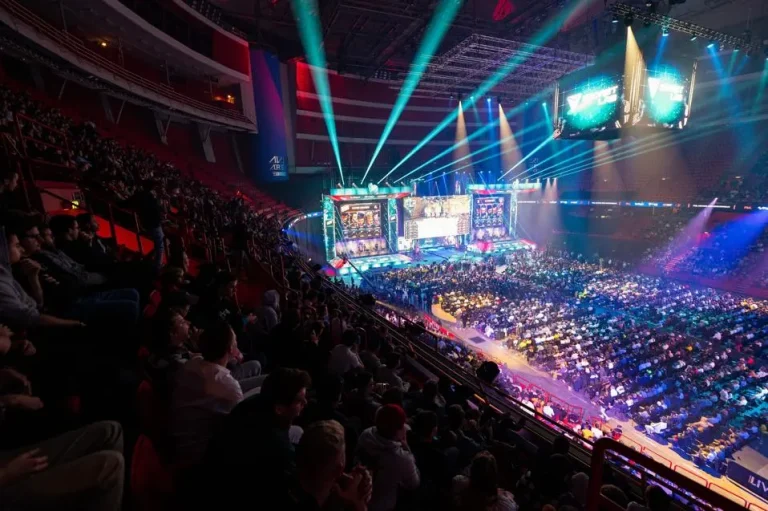
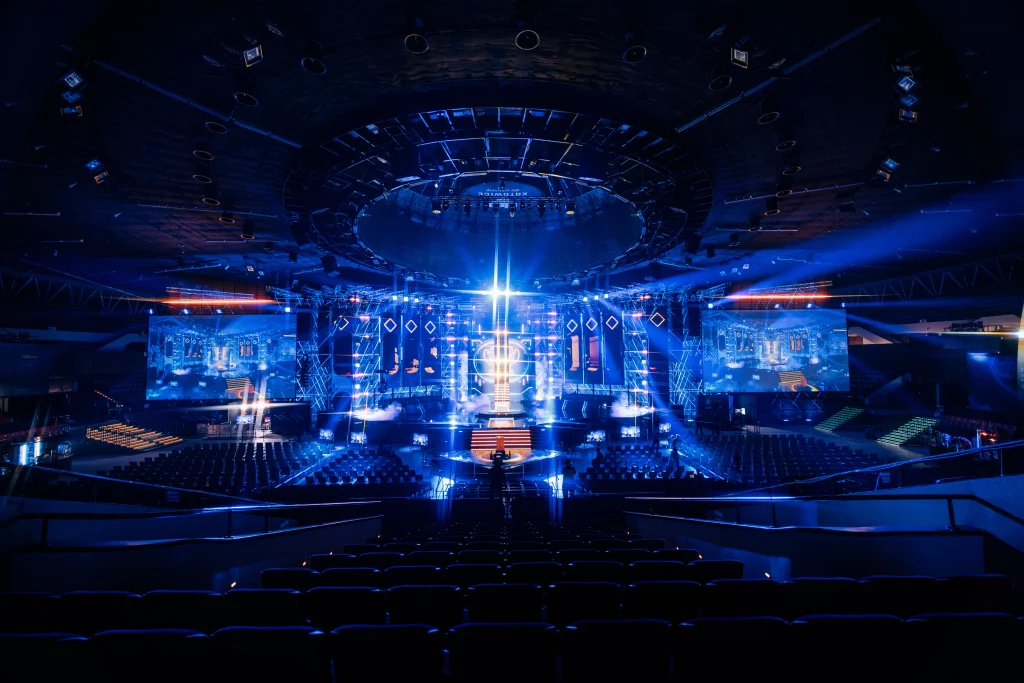
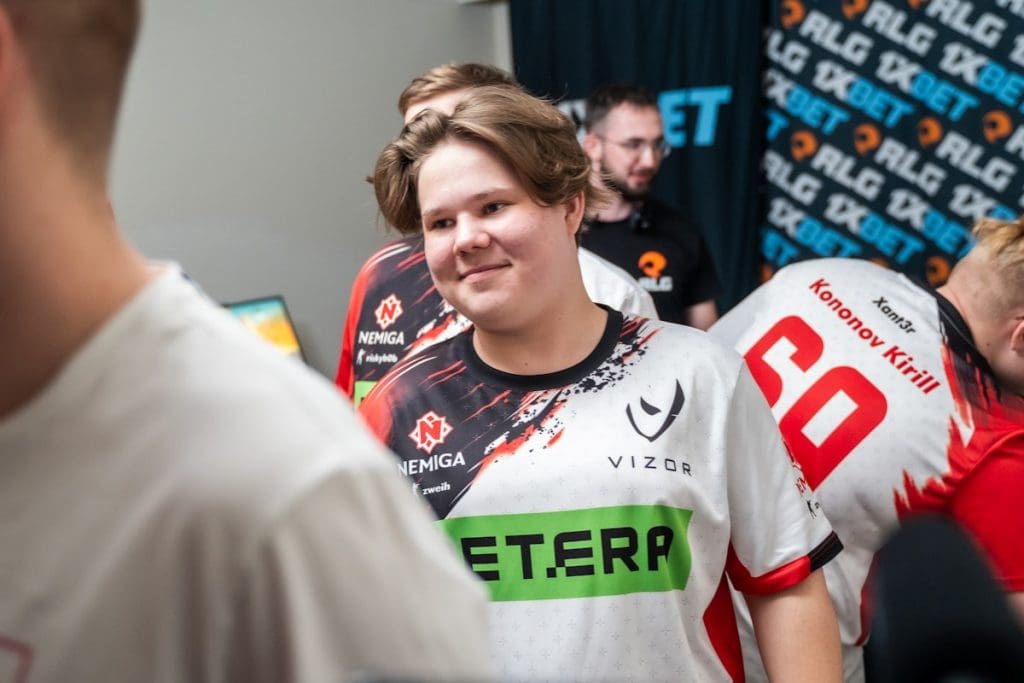
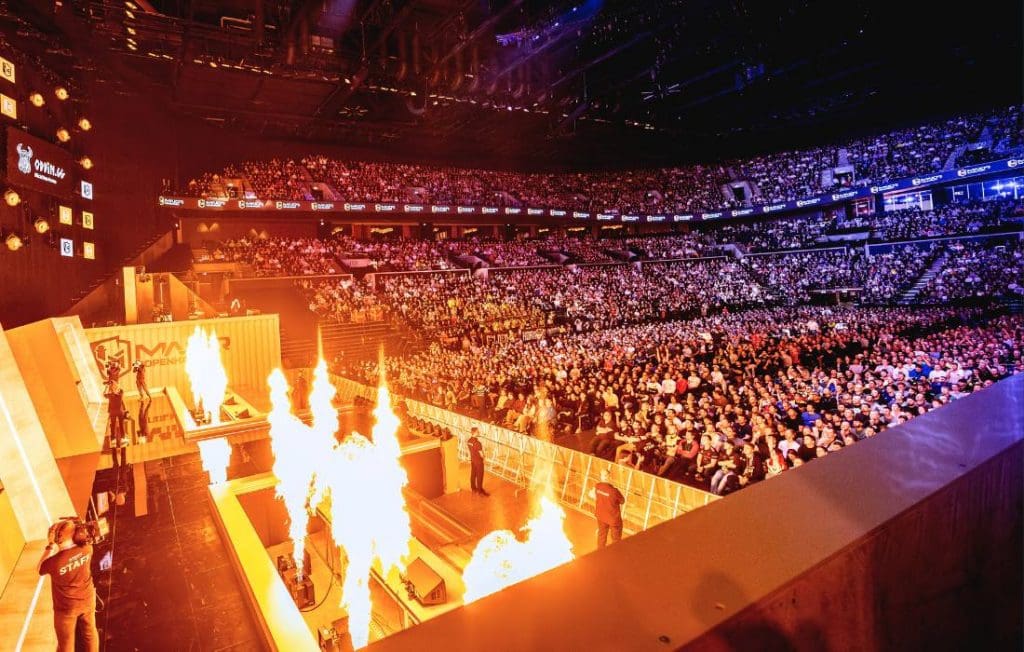
FIFA announced the extension of its marquee esports competition, officially confirming FIFAe Finals for 2025 and 2026. The competitions include three unique tournaments across Rocket League and eFootball titles, with FIFA at the forefront of sports esports development.
The FIFAe Finals 2025 will be held December 10-19 in Riyadh, Saudi Arabia, continuing the successful partnership with the Saudi Esports Federation through 2026. The partnership fits into Saudi Arabia’s Vision 2030, which seeks to create 39,000 gaming jobs and add $13.3 billion to the GDP of the Kingdom by the year 2030.
The fan feedback after last year’s event was incredible and confirmed our vision to provide a home for football esports to a range of different communities. Onboarding free-to-play titles and confirming the event for two seasons are significant steps on our journey to facilitate accessibility for nations and players from around the world.
Christian Volk, Director of eFootball & Gaming at FIFA
One of the key innovations in 2025 introduces regional qualification in place of the former invitation-only structure. The open qualification period will last for a number of months, allowing FIFA Member Associations to construct national squads via domestic trials, bootcamps, or nominations.
The competition will involve 40 national teams in three categories: FIFAe World Cup in partnership with Rocket League (16 teams), eFootball Console (12 teams), and eFootball Mobile (12 teams).
The 2024 FIFAe Finals were a huge success, being the most watched sporting simulation in terms of peak viewership and taking the Best Gaming/Esports Experience award at the 2025 Hashtag Sports Awards. Saudi Arabia, Indonesia, and Malaysia won the respective titles in the three tournaments.
FIFA’s deal with Konami goes up to 2026, while the addition of free-to-play games signifies the organization’s intentions towards making esports more accessible. Saudi Arabia’s gaming audience has grown to 23.5 million (67% of the country’s total), making the Kingdom a perfect base for the rise of esports.
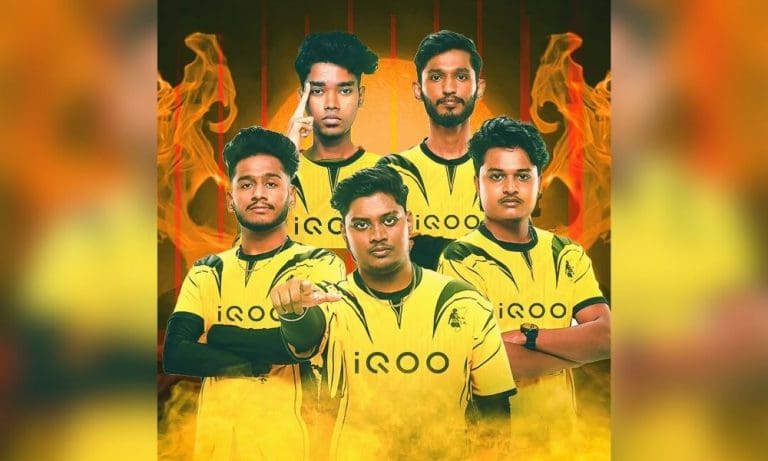
In a shocking turn of events, Smiley, a BGMI player for iQOO Team Tamilas, was banned live on stream today for alleged cheating violations. The timing couldn’t be more problematic for the organization, which operates under the prestigious iQOO sponsorship banner as part of a major partnership initiative.
iQOO Team Tamilas Player Smiley Banned on Live Stream
The dramatic ban occurred during a live streaming session, with the official ban message reading: “The player **** has been banned in real-time for violating the User Agreement,” as first reported by an X user that goes by the name LetsGrowEsports.
While the ban message specifically cites a violation of the “User Agreement,” LetsGrowEsports alleges that this ban was due to cheating, though certainty remains elusive as various infractions can fall under the broad umbrella of user agreement violations. These can range from cheating and hacking to inappropriate conduct or account sharing.
What makes this situation particularly controversial is that Smiley had allegedly been facing hacking accusations for three months prior to his official signing with Team Tamilas. Despite these circulating allegations, the team proceeded to welcome him as their “4th face,” with Team Tamilas expressing confidence that “the performance will be way beyond what you ever imagined.”
This decision now appears to have backfired spectacularly, raising questions about the team’s due diligence process when recruiting new talent.
The timing is particularly awkward for smartphone brand iQOO. It recently announced a partnership with six Indian e-sports teams, including Team Tamilas. Under this arrangement, teams are branded as “iQOOxTeam_Name” across all tournaments, with iQOO’s logo prominently featured on team jerseys.
iQOO CEO Nipun Marya had emphasized the partnership’s focus on “co-creating with the community” and maintaining the highest standards of competitive gaming. The Smiley incident now threatens to undermine these values and could potentially damage the brand’s reputation.
Stay tuned to the TalkEsport app for detailed gaming and esports coverage, latest news, and much more!
Big news just hit the Indian esports scene: Tanmay “Scout” Singh is now playing BGMI for Medal Esports. This isn’t just another roster shuffle – it’s one of India’s biggest gaming names landing on a squad hungry to prove itself. Let’s break down why this matters.
Who Is Scout? A Legend in Indian Esports
First, know Scout. He’s been a force in competitive mobile gaming for nearly a decade. Started in Counter-Strike, became a legend in PUBG Mobile, and now dominates BGMI. The guy wins: runner-up at a world league, third in a major Indian series, and he racks up tournament cash – over $60k earned. Off the battleground, he’s huge: 5 million YouTube subscribers, major brand deals, net worth in the tens of crores. He brings serious firepower and serious eyeballs.
A legacy that shaped Indian esports. A hunger that refuses to slow down. Let’s make history again. Welcome to Medal Esports @scouttanmay pic.twitter.com/Ya0vExv99D
Now, Medal Esports. They’re a solid team, founded in 2021, making steady climbs. They grabbed 8th in the last big BGMI series and snagged 2nd at the Caribbean Clash earlier this year. But here’s the thing: they’ve had moments where they just couldn’t close it out, like a rough 31st-place finish last year.
Medal Esports Now Have:
Altu (Altaf Attar) & Scout (Tanmay Singh) – Support
VeNoM (Shoeb) – IGL
A1mbot (Vikramaditya Dev) & Termi (Aakash Hirawat) – Fraggers
Raw skill? Plenty. Veteran leadership and clutch experience? That’s where Scout walks in.
So what does this move actually do?
Medal gets a brain and a trigger finger. Scout isn’t just a great player; he’s a proven In-Game Leader (IGL). Medal needed that consistent, late-game decision-making under pressure. Scout provides it. He’s the glue guy who can flank, assault, and lead all at once.
Instant credibility and attention. Let’s be real: Scout moves the needle. His massive fanbase follows him. Sponsors notice. This instantly puts Medal in more conversations, right alongside the GodLikes and Team SouLs. It signals they’re playing for the top spot.
Scout is all-in on competing. He co-owned Revenant XSpark, but he left that role to play. Joining Medal shows he’s focused on grinding, winning tournaments, and lifting this specific squad. That hunger matters.
What happens next? All eyes are on the iQOO Battlegrounds Series kicking off soon. That’s the real test. Can Scout mesh quickly with Termi and the young guns? Can they turn potential into consistent podium finishes? That’s the challenge.
The bottom line? Medal Esports just made a power play. They landed a legend who fills their biggest need. Scout gets a fresh start with a motivated team. It’s a win-win with serious potential to shake up the entire Indian BGMI hierarchy. The battlegrounds just got a lot more interesting.
During their ranked climb, most Valorant players spend hundreds of hours trying to refine their aim, crosshair placement, and spray control. While all of these are undoubtedly key elements of improving your overall mechanical skill in FPS games, they can quickly lose their impact if not complemented by another core aspect – movement.
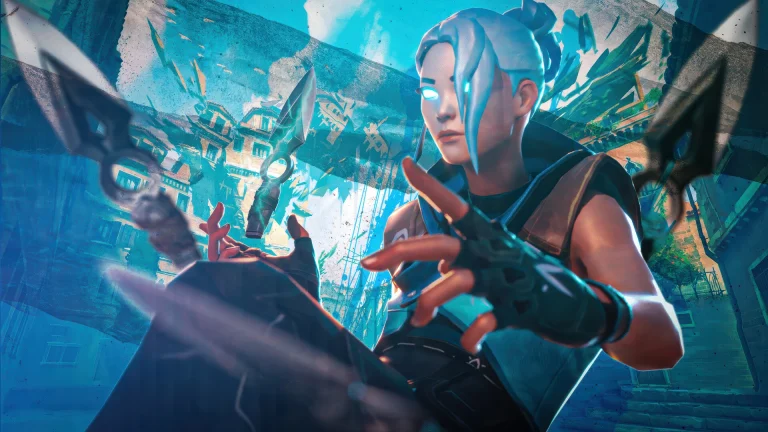
While aim, crosshair placement, and utility usage generally top the list of priorities for any Valorant player looking to improve their rank, the importance of movement often gets overlooked in the process. Movement is undoubtedly one of the most underrated yet highly impactful aspects of high-level Valorant gameplay. Good movement can not only help you in getting out of sticky situations, but it also works alongside your aim to help you land more consistent headshots.
If you’re one of the Valorant players who find themselves hitting a plateau despite putting hundreds of hours in aim trainers, then the first thing you should focus on is improving your movement. Once you’ve mastered this fundamental mechanic, you’ll find yourself gliding through the ranking spectrum of Valorantin no time.
The Role of Movement in Valorant
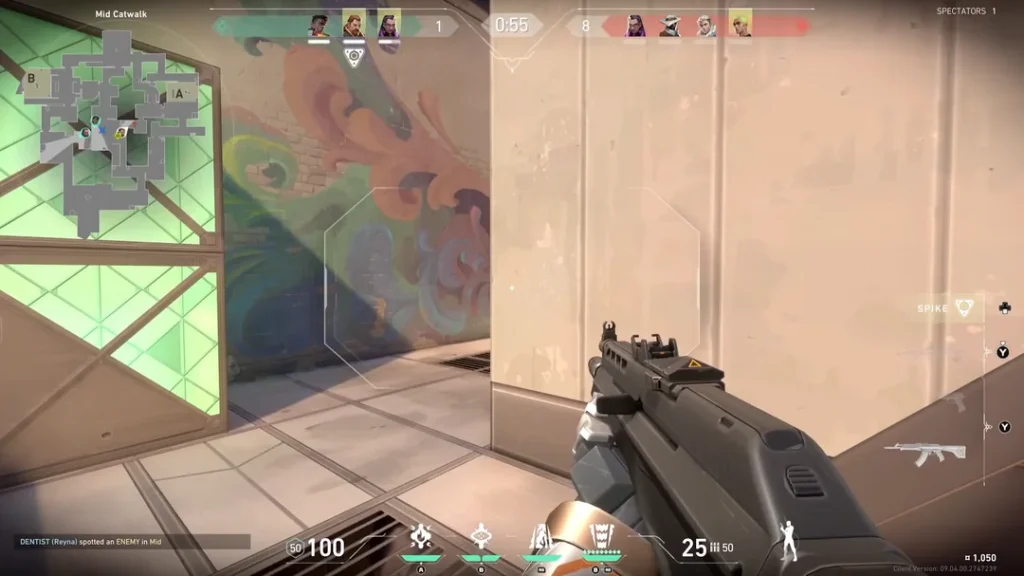
The fact that shooting accuracy in Valorant is tied to movement isn’t exactly a secret. Much like in Counter-Strike, Valorant rewards a “stop and shoot” playstyle far more than “run and gun.” Crouching can help you further improve your accuracy and make sprays easier to land, while even walking slowly in any direction will make your bullets inaccurate.
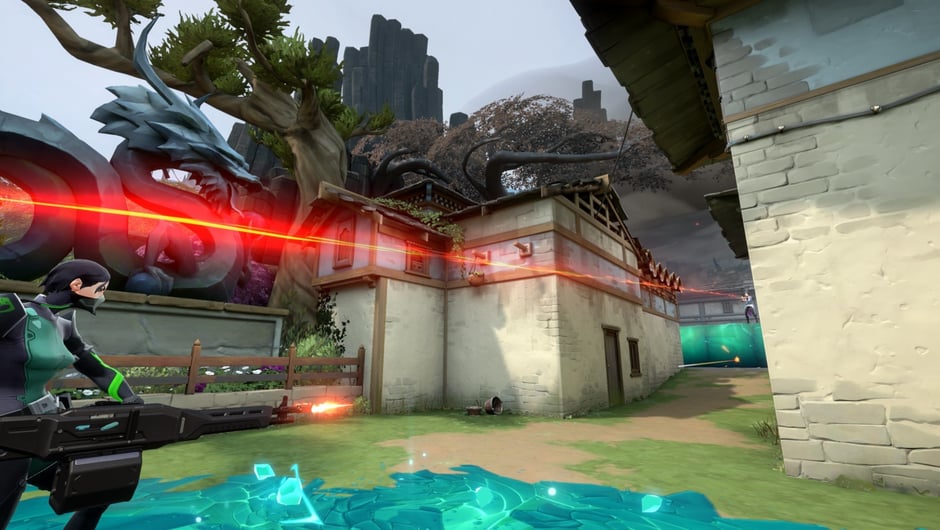
And then there’s peeking, which is another vital part of movement in Valorant. Techniques like jump peeking, jiggle peeking, and shoulder peeking are essential for gathering information without getting a headshot in the process.
Mastering movement is essential for not only winning duels with well-timed counter-strafes, but it’s also the key to safely gathering intel, detecting enemy rushes, and baiting out shots from the enemy AWPer before entering a bombsite.
There are also technical factors, such as server latency and tick rate, that favor good movement over raw aim, often giving an edge to players who know how to position themselves strategically and time their peeks effectively.
Why Most Players Undervalue Movement
If having good movement in Valorant is so important, why is it often undervalued among its player base?
The answer to this is simple – good movement isn’t nearly as flashy as crisp 1-taps, multi-kill spraydowns, or an AWP flick from across the screen.
Whether you’re watching a highlight of your favorite Valorant pro from the last Masters event or checking out a clip of a streamer pulling off a 1v4 post-plant clutch, it’s easy to become so tunnel-visioned on the aim that you ignore the finer details like the movement that made those plays possible.
Most streamers, YouTubers, and even some coaches tend to spotlight aim gods over players who rely on their movement to get consistent frags. Add to that the growing obsession with aim trainers like Aim Lab and Kovaaks, and it’s easy to see how practising movement can take the backseat.
Lastly, unless you’re already playing in moderate-high ELOs (above Diamond), you’ll hardly get punished for having bad movement. But once you climb the ranks, that bad habit swiftly catches up with you, and you become a sitting duck for opponents who are in the higher ranks of the competitive spectrum.
Using Movement To Win Games
Now that you’re aware of the importance of having good movement in Valorant, it might be a good time to see how you can utilize it to win your ranked games.
To do so, you’d first have to learn the difference between micro-movements and macro-movements. The former consists of aspects that generally help you win duels like strafing unpredictably, counter-strafing before shooting, crouching, and jump-spotting, while the latter includes effectively rotating, positioning, and flanking.
Counter-strafes can help you land your bullets more frequently while making yourself a difficult target to hit, while crouching at the right moment can help you throw off enemy crosshair placement and avoid a headshot yourself. Jump spotting is used to gather early info on enemy rushes, and bait out shots from someone holding an important choke point.
Apart from the aforementioned examples, smart movement can also be used to bait out important utilities like a Breach stun or a Sova dart, disrupt enemy crosshair placements so your teammates can get a free entry frag on a bombsite, and it can also boost your overall survivability in combat.
Macro-movements generally come with game sense, and the more you play, the faster you’ll learn them. However, micro-movements require consistent practice to master, and learning to utilize them will give you a huge boost in your effectiveness in combat.
In this article, we’ll primarily focus on micro-movement and how you can use it to give yourself the edge on the battlefield.
How To Actively Train Movement
If you’re ready to start improving your movement in Valorant, there are a number of tools readily available for you to use.
The first thing I’d recommend doing is hitting the in-game range and finishing the movement course. Remember, you’ll have to finish it, and not just jump in there for a few minutes. While the course starts off quite easily, it can prove to be quite difficult for even experienced players in the later stages. Once you’re able to complete it, you should be well prepared to handle the finer aspects of movement in Valorant.
Now, you can start working on your counter-strafes. To improve your counter-strafing in Valorant, you can either boot up the range once again or hop right into a Deathmatch. In the range, set the bot difficulty to medium (or start off with easy and switch to medium later) and actively focus on landing headshots while constantly staying in motion. You have to practice stopping your movement by pressing the opposite direction key just before you shoot, reinforcing the timing of proper counter-strafing and turning it into muscle memory.
Once you’re done with the range drills, hop on a Deathmatch and work on counter-strafing against real players. Don’t fixate on getting kills – Deathmatch is all about improving your skills, not winning.
Lastly, if you’re a Duelist main, hop into a custom game and practice planning and executing your site entries using Raze satchels, Neon sprint, or Jett dash. Focus on how you break enemy sightlines, create space for your team, and drag enemy crosshairs.
Also, before queuing for a competitive game, make it a habit to do some warm-up routines to practice your movement alongside your aim.
By following these steps, you should be able to see notable progress on your movement skills and win a lot more duels during your ranked games.
Verdict
Just because movement doesn’t show up in the post-game scoreboard doesn’t mean that you can get away with ignoring it. Smart movement can help you secure more kills, make yourself a trickier target to hit, and even help your team secure important choke points.
Most duels in Valorant are decided before a single bullet is fired from either gun. It’s easy for players who are extremely good at strafing to get away with subpar aim, simply because their movement throws off their opponent’s crosshair placement and timing, giving them the upper hand before the fight even begins.
So the next time you lose a 1v1, take a moment to ask yourself: was it really your aim that let you down, or were you just standing still and making yourself a sitting duck? Make sure to record replays from your own ranked games and observe them to identify bad movement habits. Don’t fixate on your aiming mistakes, but try to take note of how you could’ve utilized your keyboard to avoid certain deaths or land better shots.
As you develop better movement habits, you’ll find your aim improving naturally, and your duels becoming easier to win. Stick with it, and you might just reach that dream rank sooner than you think.
Steam’s recent launch of Unified Payments Interface (UPI) support is a game-saver for Indian PC gamers. This guide takes you through each step of paying using UPI on Steam, addresses troubleshooting, discusses refunds, and addresses the most common questions, so you can spend less time messing around with payment gateways and more time gaming.
Why UPI Matters on Steam
UPI is India’s leading instant-payments rail, handling 18.67 billion transactions valued at ₹25.14 trillion in May 2025 alone. Indian Steam users to date have had to use untrustworthy gateways or gift-card hacks that introduced friction and costs.
Before July 2025, Indian users had to use unstable gateways or clunky gift-card loopholes that frequently featured failed transactions and buried charges. And now, with Steam’s inclusion through Komoju, players can pay directly from any UPI-enabled application such as Google Pay, PhonePe, Paytm, BHIM, or bank-specific UPI apps without a foreign credit or debit card.
By leveraging UPI’s zero-MDR (merchant discount rate) structure and India’s 500 million-plus active users, Steam not only simplifies payment but also expands its reach to millions who previously lacked access to conventional card-based methods, paving the way for higher purchase frequency and stronger market growth in one of the world’s fastest-growing gaming communities.
How to Use UPI on Steam (Desktop Version)?
Follow the steps mentioned below to use the UPI payment method on the Steam desktop version:
Launch Steam (Windows, macOS, or Linux).
Log in and ensure “₹ INR” is the store currency.
Fill your cart, then click the green “Purchase for myself” button.
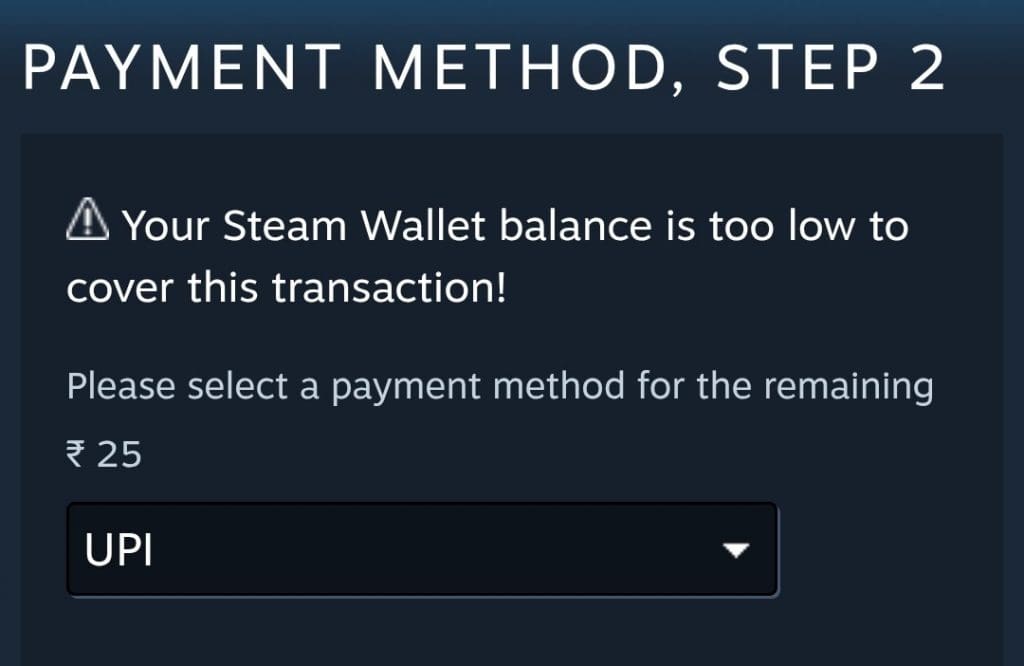
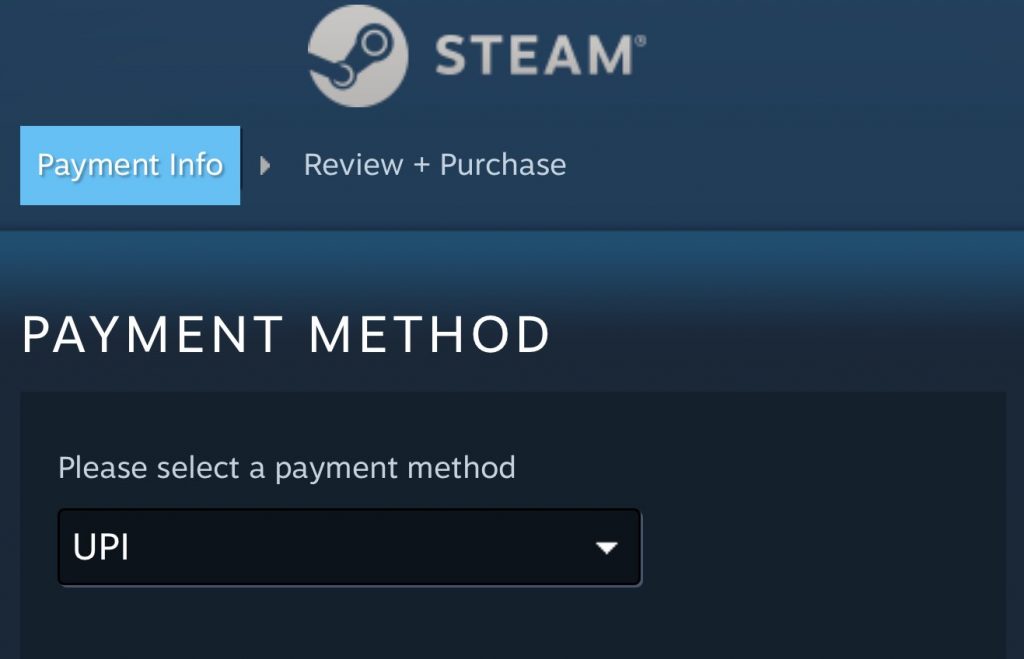
On the “Choose how you wish to pay” screen, select “UPI.”
A Komoju pop-up generates a QR code and an optional input field labeled “VPA / UPI ID.”
Open your UPI app → Scan the code or type Steam’s displayed VPA.
Authorize with your UPI PIN.
Steam auto-closes the gateway and returns you to a success screen. You’ll also get an email confirmation.
How to Use UPI on Steam (Mobile App)?
How to Use UPI on Steam Mobile
Follow the steps mentioned below to use the UPI payment method on the Steam mobile app:
Open Steam Mobile and ensure your store currency is set to INR (₹).
Add your game or DLC to the cart and tap Purchase for myself.
Select UPI as the payment method.
Scan the on-screen QR code or enter the VPA.
Approve the payment in your UPI app.
“Payment Successful” appears, and your download begins.
How to Ask for Refunds?
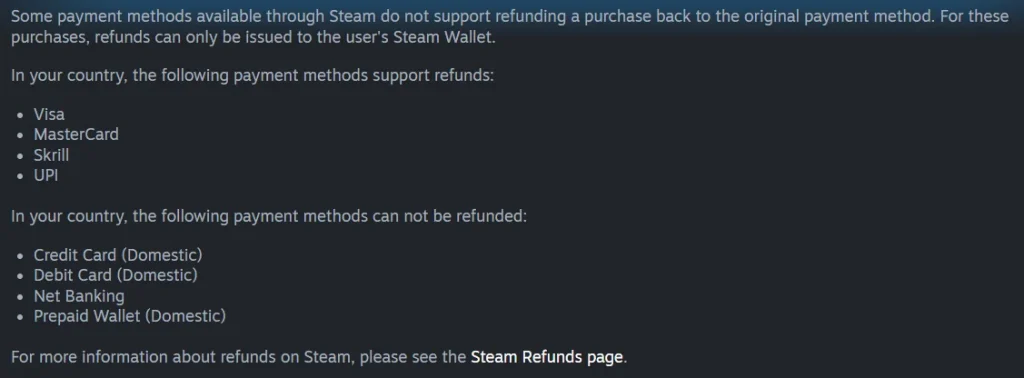
In case you want a refund of a Steam purchase where you used UPI as the payment method, follow the steps mentioned below:
Open Steam and go to Help → Steam Support.
Select Purchases and find the UPI transaction.
Click “I’d like to request a refund.”
Choose a reason and confirm it was paid via UPI.
Enter your UPI transaction reference.
Submit the request and await confirmation; refunds arrive in 24–48 hours.
The release of CS2 not only shifted the game’s dynamics, but it also triggered a wave of change throughout the entire esports scene, narrowing the gap between teams competing at different levels of the game. For the longest time, fans paid no heed to the teams competing in tier-2 of Counter Strike, but with said teams delivering jaw-dropping performances against the teams from tier-1 teams which begs the question, how are Tier-2 CS teams so competitive?
In this article, we will try to uncover what the little things are that made a massive difference in the performance of an average CS2 team and why tier-1 should look out for them in big events.
What is Tier-2 CS2?
The league of teams competing just below the top tier of CS2 is generally perceived by the Counter-Strike fans as tier 2. These teams compete in leagues of their own where the prize money may not be a flashy as tier-1, but hunger and the competitive nature of the teams are second to none, making it a very tough tier to stay consistent on.
Why Is Tier-2 More Competitive Now?
With the launch of CS2, a relearning curve was introduced, making it tough for most players to adapt quickly. As a result, those from tier 2 who managed to grasp it more quickly than many in tier 1 were able to bring their team’s performance up to the level of the latter.
Tier-1 players, who had mastered the game for a decade, were suddenly thrown into a game with slightly different mechanics that required a process of adaptation.
Tier-2 players were up-and-coming, often with less experience and less rigidity, making it easier for them to adapt to the new game, thus reducing the skill gap.
Young Players Are Investments
As CS continues to grow, the esports scene has inculcated practices from more traditional sports like football. Investing in young talent is no longer an experimental idea for CS2 teams, given that once they start to perform at a high level, tier-1 teams with huge warchests come calling for them, and often the deals result in massive profits for the lesser-known organisation that nurtured this young gun at a nascent stage.
Tier-2 teams provide these young talents a stage to showcase their skills, and once they prove themselves, Tier-1 teams come calling, resulting in massive profits for the investors. Now that this has proven to generate profit, organisations are more inclined towards providing young talents with all the resources for them to perform at the highest level.
Every organisation investing in an Academy roster is a testament to the fact that heavy investment into young players not only generates revenue for the organisation but also provides the necessary talent for your main roster when it needs an overhaul. The likes of Spirit, NAVI, NiP, and Falcons are a few of the names with notable academy teams, and more organisations will follow suit.
As these talents get subjected to proper training, the level of these teams increases significantly to the point that they are capable of taking on the tier-1 rosters; thus, in an attempt to nurture talent, organisations are passively developing strong teams in the lower divisions of Counter-Strike.
Increase in the Number of Tournaments
Compared to earlier days, the number of professional teams has increased significantly, and as a result, more and more online tournaments are being hosted regularly. These tournaments often include lower-ranked teams from tier-1, and as a result, they get to clash with tier-2 teams, with the latter coming out on top more often than not, which begs the question whether these teams really deserved to be called second tier. Not only do they rival top teams, but they have repeatedly shown that the game is more competitive than it ever was, and as a result, the gap in the level of performance is reducing with every passing day.
We have seen a drastic shift in the qualification process for tier-1 tournaments, and over-reliance on best-of-one matches has resulted in more volatile outcomes. As a result, we find tier-2 tournaments getting better representation at the highest level of the game, and now that this has been established as a possibility, not every team is competing for the limited chances at playing in a tier-1 event.
If the recent Major is anything to go by, we witnessed several lower-ranked teams come out with respectable positioning, which was something completely unprecedented in the earlier days of the game.
Resources Available to Tier-2
For the longest time, the best coaching, analysis, and environment to grind were provided to the teams at the top, which created a massive gap in the quality of the teams between tier-1 and tier-2. As these lesser-known teams are getting access to the resources, a visible improvement in their performance can be noticed from their results, making their team more competitive than ever.
In today’s time, we have teams with chefs, coaches, analysts and all the bells and whistles at their disposal preparing them every day to keep up with the top teams, naturally, this will bring a noticeable difference in their performances as the level of the game even at tier-2 is considered very high and it no longer can be hailed as a casual division.
Verdict
To put it simply, the success of tier-1 has prompted teams to explore the potential of tier-2 and which is a natural process of selection given yesterday’s stars are closing in on their retirement, paving the way for young guns from the lower-ranked teams. As the esports scene has continued to grow, more youngsters are considering it a serious career option, leading to tremendous competition in the lower leagues of the game.
As teams have figured out ways to monetise tier-2 either by winning the plethora of tournaments hosted regularly or by developing and selling talents to big names for millions, tier-2 is getting more attention from everywhere, leading to the rapid development of this area, which was neglected in the earlier days of CS:GO.
After what feels like an eternity of clunky payment methods and unreliable gateways, Steam has finally thrown Indian gamers a lifeline. The platform has quietly implemented UPI (Unified Payments Interface) as a payment option, allowing users to purchase games directly through their favorite payment apps like PhonePe, Google Pay, and Paytm.
Steam Users Can Now Pay With UPI
For years, Indian Steam users have faced a frustrating cycle of workarounds. Want to buy that new indie darling or AAA blockbuster? You’d better hope your international transactions are enabled, or prepare to jump through hoops buying Steam wallet codes from Amazon Pay or other third-party platforms.
Steam’s previous attempt at UPI integration through Novaplay was, to put it mildly, a disaster. Payment failures, endless loading screens, and wallet credit delays made the experience so unreliable that most users avoided it entirely. Many gamers simply gave up and stuck to the tedious process of buying gift cards elsewhere.
The new UPI integration, powered by payment gateway Komoju, appears to be everything the old system wasn’t. Early users report that transactions are smooth and nearly instantaneous. The system immediately displays the QR code, processes payments without freezes, and credits funds to Steam wallets without delay.
This puts Steam on par with competitors like Epic Games Store and Ubisoft Connect. Both of these had already embraced UPI payments. Even Netflix, Amazon Prime, and Google Play Store have supported UPI for years, making Steam’s absence increasingly glaring in a market where UPI processes over 8 billion transactions monthly.
Stay tuned to the TalkEsport app for detailed gaming and esports coverage, latest news, and much more!
Counter-Strike has forever required the quickest reflexes, the best aim, and the most cerebral strategy. In Counter-Strike 2 (CS2), though, an age-old controversy flared again with a ferocity never seen before: Peeker’s advantage. What had been a niche netcode idiosyncrasy is now the focal point of rage, pro-tier debate, and demands for structural re-engineering.
This article examines why Peekers’ advantage is significantly more painful in CS2, drawing on hard numbers, technical specifications, and personal experience to identify what’s broken and what could be improved.
What Is Peeker’s Advantage?
Fundamentally, Peekers’ benefit is a result of the way information moves on the internet. When two players confront each other, one in possession of an angle, the other swinging out to the moving player (the “peeker”) will usually see the defender a fraction of a second earlier before being seen in return. This split-second advantage occurs due to the inherent lag of networked play – latency, data packet journeying, and server response. During the heat of combat, it can be the difference between a clutch-kill and an instant death.
But in CS2, however, this advantage doesn’t just exist, it overwhelms, and not in a manner that feels like a reward for skill. Instead, all ranks have generally indicated that defending in CS2 feels like an exercise in futility; holding angles or “anchoring sites” is severely punished, even for the best prepared.
The New Netcode: Hope, Hype, and Harsh Reality
Valve introduced CS2 with the promise of a netcode revolution. The traditional tick-based update scheme was replaced with a new sub-tick architecture. It was intended to remove the so-called “odd tick,” a kind of technical glitch that could slow down or make certain actions less reliable. Rather, the server would now handle movements, shots, and interactions in “real-time,” essentially introducing parity between the peeker and the defender.
However, as the community soon found out, this improvement introduced a new generation of inconsistencies and lag-induced inequalities:
Sub-tick mechanics do not provide for instantaneous communication. Players continue to suffer from delays based on their ping, packet loss, and the fluctuations of their internet route.
Ping is king: In CS2, the delay between interactions is dependent on both players’ pings. Practically speaking, this results in having your opponent with a high ping, and you get sucked into their “lag world”, experience delays, and occasionally you die before you even catch sight of the enemy model.
Problems are evident, and unfair fights are common
>150ms
Strong lag, severe peeker’s advantage
What was supposed to be an equalizer has become a new fault line for inequality in every match you play.
The most significant effect of SMGA is perhaps felt within CS2’s strategy and game meta. In all of Counter-Strike’s rich history, having angles and holding out for an enemy to step over your crosshair was a discipline-based, map-reader, patience-oriented skill. In CS2, it gets rewarded. The peeker, fueled by systemic lag and at times erratic hit registration, can swing out and get the kill before defenders have time to realize what’s occurring.
The Birth of the Movement Meta
With static defense demoted by the rules of internet packets and code, players have adapted out of necessity. The “jiggle peek,” a rapid left-right movement to bait out shots or information, has become a core mechanic, not just a tactical flourish.
Passive playstyles are dead: Holding a tight angle increases your vulnerability; the game’s very architecture gives the edge to whoever moves first.
Aggression is all: The netcode change has shifted the meta to hyper-aggressive, unpredictable swings. This lowers the skill ceiling for site-holding, a core component of CS identity.
Technical Problems Outside of Ping
Peeker’s strength in CS2 doesn’t happen in a vacuum; its frustration arises from technical issues elsewhere:
Hitbox and animation desync: The player’s “hitbox,” the area that detects a bullet hit, has been found by community-tested research to not always overlap precisely with the model viewed by opponents. Crouching, sudden leaning, or exotic movement (erratic strafing) will have the defendable model lagging, or shots that fail to land even after correction. Valve has fixed some of these, but not all.
Packet loss and choke: Monitoring the network in CS2 (through net_graph) often reveals bursts of packet loss, where data just doesn’t get to the server. Each lost packet can lead to a brief freeze or stutter, which affords the moving and shooting player yet another advantage.
Can Peeker’s Advantage Be Mitigated?
True fairness is a fantasy, but pragmatic measures can reduce the hurt. Selecting local servers, playing with wire, and closing extraneous internet use can move experiences back into the “<60ms ideal.”
The net graph in-game is your ally. Look for packet loss or choke (above 1% is a warning sign) and fix router or connection problems. Get on board with the new meta jiggle peeking, uncertainty, and aggro. Nature punishes hesitation, not only opponents. The clearer Valve is about netcode updates and how they affect things, the better the community can adjust, provide feedback, and develop new solutions.
CS2 In the World of Today’s Shooters
Peeker’s edge is not unique to CS2. Other tactical shooters VALORANT, Rainbow Six Siege, and even Call of Duty, struggle with the same challenges. But within the world of Counter-Strike, where millisecond accuracy is critical, the stakes and emotions are higher.
In VALORANT, such defender disadvantages have pushed the meta in that direction, but Riot’s quick patch cycles and increased transparency with ping and network software have mitigated the backlash. Rainbow Six developers noted peeker’s advantage as an intrinsic part of online play, proposing server optimizations and player awareness as stopgaps. Nonetheless, no other franchise has the legacy or such lofty player expectations for fairness that Counter-Strike does.
Verdict
For the time being, Peekers’ edge persists as a sour fact, but one that has CS2 gamers united in a peculiarly shared battle. Reddit forums seethe, pro games hinge on lightning-fast peeks, and all clutch play is analyzed not only for mechanical mastery, but for potential errors within the code.
Can things improve? Optimists hold out hope that Valve’s sub-tick system, if adequately polished, could one day live up to its initial promise. Realists argue that the physical realities of the internet, the variability of gaming hardware, and the heterogeneity of worldwide player connections ensure that unfair deaths are always in the mix.
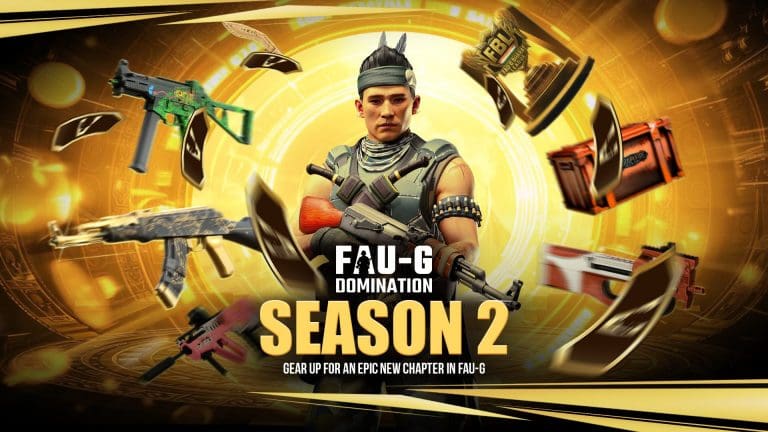
Nazara Publishing and nCore Games reveal that their modern Indian military shooter, FAU-G: Domination has a brand-new season of content called FAU-G Bharat League. Developed by Dot9Games, the new FAU-G: Domination Bharat League update includes hotly-requested features such as a competitive mode, iOS release, improved visuals, and a whole lot more.
FAU-G: Domination’s Biggest Update Yet
FAU-G Bharat League (FBL) as the name suggests, is a competitive mode which will allow its players to lock in and ascend the leaderboards in quest for glory and a prizepool worth Rs. 3,00,000.
“We’re grateful to our FAU-G community for their vocal support for our game,” say Deepak Ail, CEO and co-founder, Dot9 Games. “The number one request from our players has been an esports league for FAU-G: Domination and FBL is our first foray in this space. We can’t wait to share more with you in the months to come.”
You can check out the FAU-G Bharat League gameplay trailer right here:
FAU-G: Domination iOS Launch Today
Along with the FBL season comes the iOS version of the game as well. Now those with an iPhone 11 and above will be able to play FAU-G: Domination as well. You can download the iOS version of FAU-G: Domination later today.
Following player feedback post-launch, Dot9 has also included Free-For-All mode aka Lone Wolf. This allows players to dive into the action solo in quick matches where it’s every soldier for themselves. You can check out Lone Wolf gameplay here:
FAU-G: Domination: Android Improvements, Events, Progression Fixes, and More
Finally, FAU-G: Domination on low-end Android and iOS devices offers better visual fidelity and performance improvements with the latest update. The Tibba map is now reworked for a more balanced experience, featuring extended areas, improved spawn points, and more. Progression through the ranks in FAU-G: Domination has been fixed as well. The Dot9 Games team will be monitoring player feedback to improve progression and unlocks as the season progresses.
With the FBL season comes events. Through the day, players can accomplish these mini-missions such as showing off their weapon proficiency or winning on specific maps and be rewarded with SpiceGold — currency that can be used to redeem real-world prizes.
Through Dot9’s partnership with IceSpice, players can redeem Rs. 10L worth of prizes through events. The current MVP tag event lets players win an iPhone 16, limited edition FAU-G merchandise, discounted digital vouchers for Amazon, Zomato, and more. To access this, tap Store in the main menu and tap IceSpice. Ends on July 30, 2025.
Also new with this season is a new battle pass including fresh weapon skins, charms, frames, banners, avatars, stickers, and sprays. Check it out on the FAU-G: Domination store in-game to know more.
How to Play FAU-G: Domination Season 2
Players can access FAU-G: Domination’s new season of content including FBL, Free-For-All mode, and more by updating the app via the Play Store. Players using iOS can simply download the game on the App Store to jump right in. The FAU-G: Domination season update download size is about 1.5GB.
Let’s be honest – Counter-Strike skins can get pretty expensive. Factory new knives or a pair of rare gloves can fetch for hundreds, or even thousands of dollars, and not everyone is willing to spend that much on virtual items. However, if you’re not ready to break the bank – don’t worry, as there are still smart ways to build an inventory without going broke. Here are some ways to score great skins without overspending.
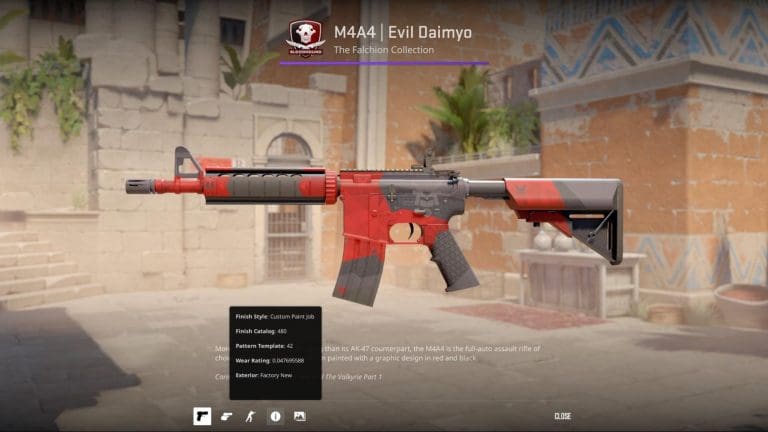
Everyone wants the big names – Dragon Lores, Printstreams, and Hyper Beasts. But here’s a little secret: there are tons of lesser-known skins that look just as good, and cost way less.
Before spending hundreds of dollars on the most popular skins, make sure to look out for other options. There are skins with clean designs in lower-tier rarities, or older collections that are out of style but still unique.
You’ll be surprised how far your money can go if you’re willing to look beyond what everyone else is using.
Time Your Purchases Right
Prices for CS2 skins change, whether it’s on the Steam Market or on third-party websites. Prices fluctuate, especially around:
Major updates
Operation releases
CS2 case drops
Major tournaments
If you’re eyeing a particular skin, but aren’t ready to fully commit the funds, you can wait for price dips and grab items when hype dies down, or the attention is focused elsewhere. Add items to your wishlist on third-party marketplaces and track prices over time – these can help you jump on deals when prices drop.
Trade Smart, Not Fast
Trading is one of the most reliable ways to upgrade your inventory without spending real money. Start with cheap skins, add value through upgrades or bonuses, and then work your way up with more trades.
You can often find people looking to trade up or downgrade for quantity. Make sure you’re updated with prices and know what’s in demand – keeping a keen eye can help you make profitable trades, even with a small starting budget.
Just make sure to stick with safe platforms and avoid overpaying scams, as those always target newer or impatient traders.
Wager Your Skins for a Chance at Big Upgrades
If you want to look for a little thrill and have a small balance to risk, skin gambling games can give you a shot at upgrading your loadout without buying or trading skins outright.
If you play CS2 crash, you can place a bet and watch a multiplier rise in real time. The goal is to cash out before the crash happens. It’s a quick and fun game, and sometimes, a small bet can turn into an expensive skin if you play your cards right.
Of course, it’s still gambling, so only play with what you’re okay with losing and always know when to walk away.
Collect Daily Promotions and Bonuses
Some platforms reward players with daily bonuses. Though these bonuses often range from cents, diligently collecting them daily can add up your balance – and eventually – you’ll collect enough to buy yourself something decent.
Don’t forget to warm Weekly Care Packages in the CS2 game itself, as you can earn a free weapon skin and case every week and sell them on the Steam Market for additional balance.
You Don’t Need to Spend Big to Look Good
All in all, you don’t need a $500 inventory to look good. By trading smart, timing your purchases right, and trying modes like CS2 crash, you can still score some great-looking skins on a budget.