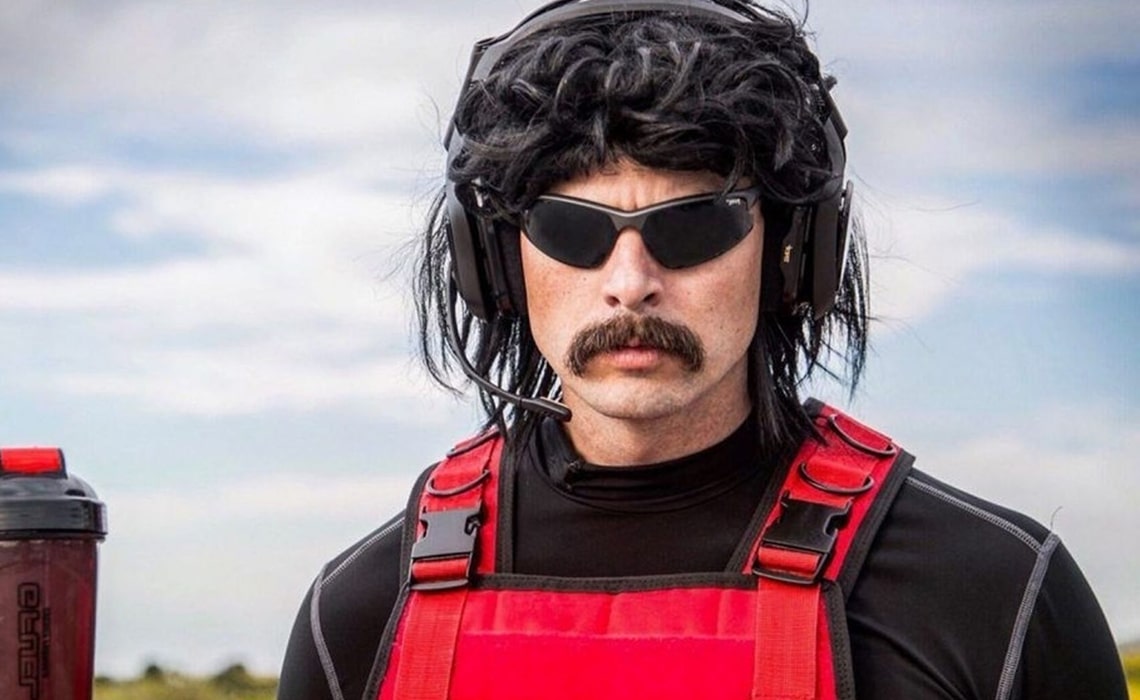
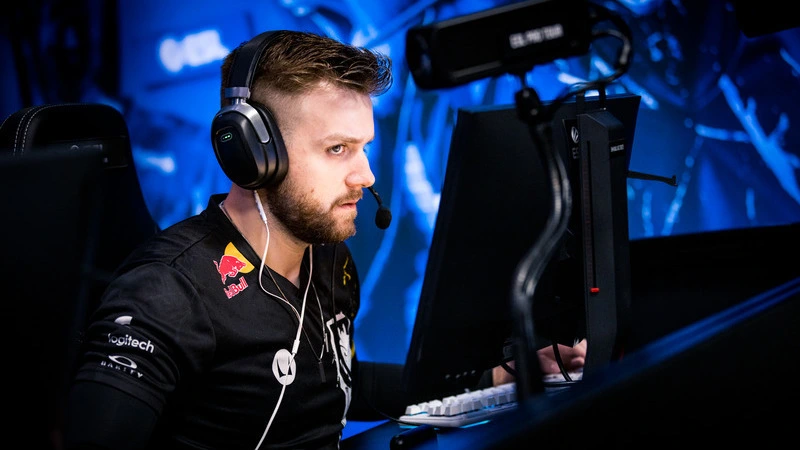
The Doc isn’t happy, and he’s making sure everyone knows it. Dr Disrespect recently called out Battlefield 6 streamer rankings after being completely absent from popular tracking lists, despite pulling massive viewership numbers that would make most creators jealous.
Here’s what sparked the controversy: Guy Beahm posted on X claiming his Battlefield 6 streams generated 1.1 million views with only 18 hours of gameplay – and here’s the kicker – without any viewer reward drops. That means people watched purely because they wanted to, not because they were getting free in-game items.
The Numbers Don’t Lie
What makes this situation particularly frustrating is the context. Battlefield 6 has exploded on streaming platforms, racking up over 128,000 Twitch followers and breaking franchise records with more than 500,000 concurrent players during its beta launch. The game’s clearly got massive audience appeal.
Yet somehow, Dr Disrespect’s impressive metrics aren’t showing up on the tracking sites that matter. His response was classic Doc: “We had 1.1 million views with only 18 hours of game time and NO DROPS… but who’s really counting, right?”
The post didn’t stay up long though. Within hours, Beahm deleted it from his account, leaving people wondering what prompted the quick removal.
Platform Politics at Play
This controversy highlights something bigger happening in the streaming world. Since moving to Rumble in late 2024 after his YouTube demonetization, Dr Disrespect operates outside the traditional Twitch ecosystem where most ranking sites focus their attention.
The timing’s particularly interesting given Battlefield 6’s breakout success. EA’s latest shooter has been dominating conversations, and streamers are capitalizing on the hype. But if ranking algorithms favor certain platforms or partnership deals, creators like Dr Disrespect might get overlooked regardless of actual performance.
What This Really Means
Dr Disrespect’s Champions Club community proving their loyalty by watching without incentives says something significant about authentic engagement versus manufactured viewership. When someone can pull over a million views in less than a day of streaming time, purely on content quality, that deserves recognition.
Whether ranking sites adjust their methodology or continue overlooking non-mainstream platforms remains to be seen.
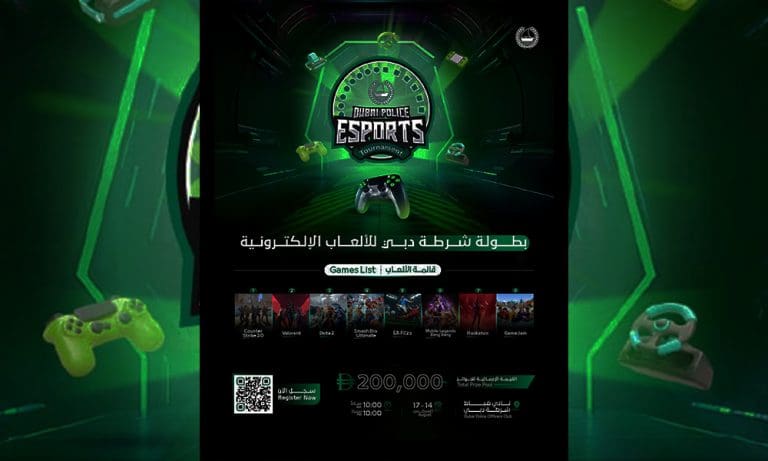
Here’s something you don’t see every day: a major esports tournament that’s as focused on keeping you safe online as it is on crowning champions. The Dubai Police Esports Tournament returns for its fifth edition this August 14-17, bringing together over 1,500 players for more than just gaming glory.
This isn’t your typical tournament setup. While the AED 200,000 prize pool will definitely grab attention, the real game-changer is how Dubai Police is weaving cybercrime awareness directly into the competitive experience.
What Makes This Tournament Different
Major Abdullah Al Shehhi from Dubai Police’s Cybercrime Department explains it perfectly – they’re targeting the intersection where gaming meets digital safety. As esports explodes among young people globally, this tournament tackles the stuff that matters: balanced gaming habits, spotting online scams, and protecting your personal data when chatting with strangers.
The educational component isn’t some boring side presentation either. Players learn about cyber fraud, online extortion, and how to use Dubai Police’s dedicated platforms like the ‘Ecrime’ reporting system. It’s gaming with purpose.
Tournament Breakdown
Running from August 14-17 at Dubai Police Officers Club in Al Jaddaf, the event welcomes players aged 10 to 35 across multiple games. The international field includes participants from various nationalities, making this a truly global competition on UAE soil.
What this really means is Dubai Police found a smart way to reach gamers where they already are, rather than trying to drag them to separate awareness sessions. The Dubai Sports Council and Dubai Department of Economy and Tourism backing shows this isn’t just a police initiative – it’s part of Dubai’s broader esports ecosystem.
The Bigger Picture
This tournament represents something bigger than prize money. Dubai continues positioning itself as the region’s esports hub, but they’re doing it responsibly. Teaching players about electronic financial transaction security and privacy protection shows they understand modern gaming’s real risks.
Registration stays open for both male and female participants, emphasizing inclusivity alongside safety. For players looking to compete while actually learning valuable digital literacy skills, this tournament hits different than standard competitions.
Ready to level up your game and your cyber awareness simultaneously?
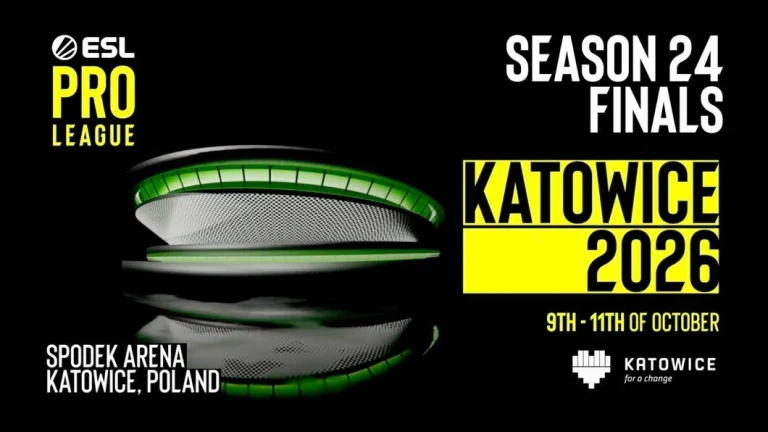
Counter-Strike fans, mark your calendars. ESL Pro League Season 24 Finals are heading back to Katowice’s iconic Spodek Arena on October 9-11, 2026, bringing live arena action back to the world’s biggest Counter-Strike league for the first time since 2019.
This isn’t just another tournament announcement. We’re talking about the return of live arena playoffs after seven years of primarily online formats. The last time ESL Pro League had an arena finale was in Odense, Denmark, back in 2019.
What Makes This Special
Here’s the thing – Spodek Arena isn’t just any venue. It’s where Counter-Strike history gets written. The arena has hosted countless legendary moments and represents where competitive Counter-Strike truly reached new heights globally.
The full Season 24 runs from September 24 to October 11, 2026, with teams battling for their share of $1,000,000 in total winnings and the coveted ESL Pro League trophy. What this really means is we’re getting both the extended league format and the explosive arena finale.
The Katowice Connection
Katowice and ESL have serious history together. The city has embraced esports culture completely, making Spodek Arena feel like the natural home for major Counter-Strike events. The partnership between ESL FACEIT Group and Katowice extends beyond just this event – they’re looking at a longer-term collaboration.
Previous ESL Pro League arena destinations included Montpellier, Dallas, and São Paulo, but Katowice brings something different. It’s got that authentic Counter-Strike atmosphere that players and fans recognize instantly.
Looking Ahead
Ticket details aren’t available yet, but ESL promises more information soon. For thousands of fans who’ve been waiting to experience ESL Pro League live, this represents the perfect storm – top-tier Counter-Strike 2 action in one of esports’ most legendary venues.
The move signals ESL’s commitment to bringing back that live tournament energy. Esports hits differently when you experience it live in person, and October 2026 can’t come fast enough.
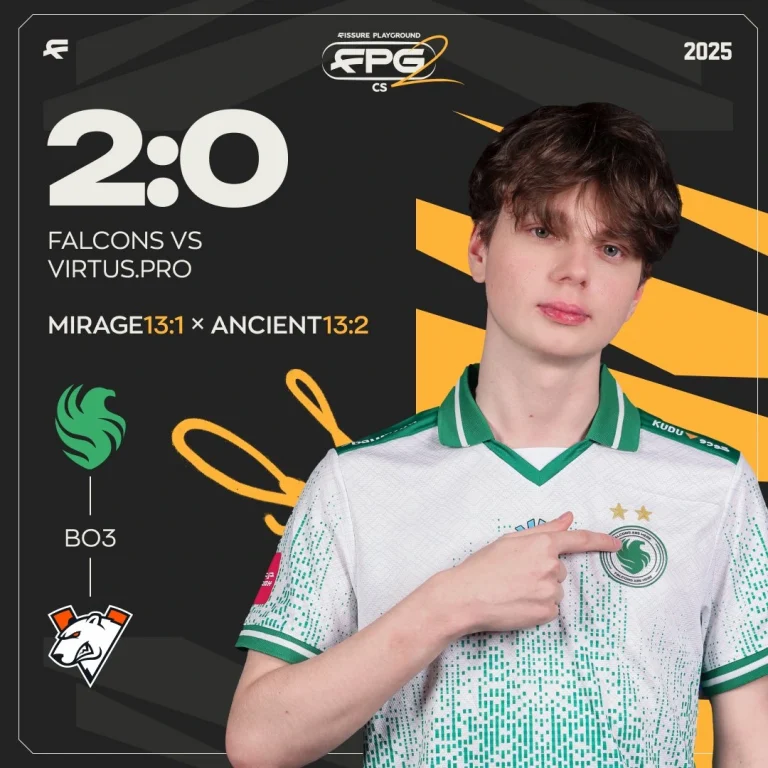
The Falcons have opened up their FISSURE Playground 2 campaign with a banging 2-0 win over Virtus.pro. The new VP, under the leadership of Perfecto, found themselves getting schooled by Falcons who ran through both maps as they ended their campaign opener in no time.
Starting their map pick on the offence under the leadership of former NAVI star Perfecto, VP had anything but a dream start. The Falcons’ defence read every move from VP like a book, and it wasn’t until the game was too late that VP managed their first round. The opening half ended with a single round to VP, while the Falcons stretched away every single one of the remaining rounds. The second half started with yet another fast-paced offence from the Falcons as VP failed to secure anything more than a single round in their own map pick. Kyousuke and m0NESY took it upon themselves to school their fellow countrymen with 17 kills and 2.08 IR, respectively.
Map 2: Ancient; Pick: Falcons; Winner: Falcons
Having taken a beating to open up their map pick, VP had yet another poor start as a dynamic Falcons offence put their defence on the back foot right from the get-go. The first half played out like Mirage, as VP only managed one round, with Falcons moving to the defence with 11 rounds to their name. While they did manage one more round in the second half, the Falcons wasted no time in closing the game with a 13-2 scoreline. Once again, the worst enemy of VP came from their own region in Kyousuke, who dropped yet another remarkable T side to put an end to the series.
Falcons were heavy favourites to win the game, but a total blowout was far from expected. VP changing IGLs could be a reason that the superteam had a field day, but that would undermine the work that they had been putting in. It’s too early to judge them based on this match. However, bigger names are waiting, and that’s where they will have their true test.
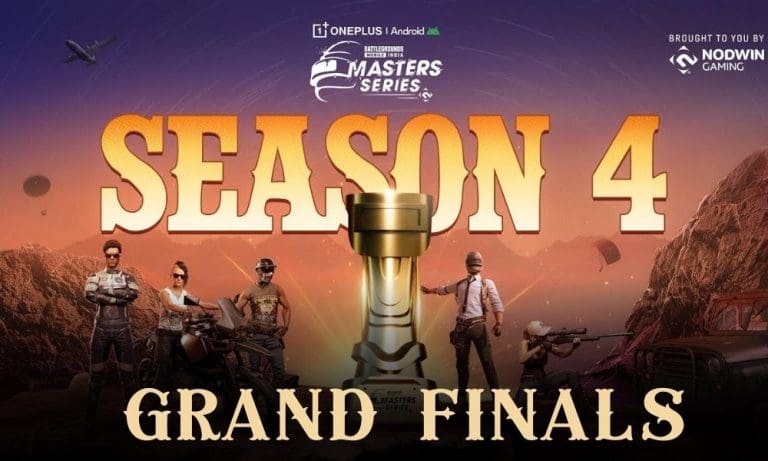
BGMI Masters Series (BGMS) Season 4 Grand Finals kicked off with an exceptionally competitive Day 1. Fans witnessed some breathtaking end-zone fights, top-tier plays, and dominance. K9 Esports emerged as the most dominant team by securing back-to-back Winner Winner Chicken Dinners (WWCDs).
BGMS Season 4 Grand Finals Day 1 Match-wise Recap
Below is the match-wise recap of BGMS Season 4 Grand Finals Day 1:
Match 1: Erangel
The first match set the tone with a 3v2v2 fight between True Rippers, Orangutan, and Genesis Esports. Stuck in the middle, Orangutan were eliminated first, leaving Genesis in a 2v3 disadvantage against True Rippers. With flawless execution, True Rippers emerged victorious to open the Grand Finals in style.
Match 2: Miramar
The second match brought a nail-biting end at the Church in Graveyard with a 3v2v1 standoff between iQOO SouL, K9 Esports, and Godlike Esports. K9 held the ground floor, SouL played from outside, and Admino from Godlike clutched survival on the roof. SouL eliminated K9 Esports, and although Admino tried to survive the blue zone, SouL sealed the win to level the competition.
Match 3: Sanhok
In Sanhok, the battlefield boiled down to True Rippers, K9 Esports, and Medal Esports in a 3v2v2. Both K9 and Medal lost one player each in the early skirmishes. As the zone shrank, chaos ensued, but K9 Esports emerged on top, announcing themselves as serious contenders.
Match 4: Erangel
The final match of the day saw K9 Esports, Orangutan, Los Hermanos, and Nebula Esports clash in a 4v3v1v1 fight. K9 managed to eliminate the last players of both Los Hermanos and Nebula while fending off Orangutan. With utter dominance, K9 Esports clinched their second consecutive WWCD, finishing Day 1 on a high.
Overall Standings After BGMS Season 4 Grand Finals Day 1
At the end of Day 1, K9 Esports topped the charts with 53 points, followed closely by iQOO SouL (52 points) and True Rippers (45 points). Medal Esports and Orangutan rounded out the top five, ensuring a competitive start to the Grand Finals.
Over the past few years, Valorant has established itself as one of the biggest modern-day tactical shooters, challenging the dominance of Counter-Strike in the genre and carving out its own identity as a competitive esport. Unlike CS2, Valorant heavily borrows elements from hero shooters, with every Agent in the game possessing a unique set of utilities to help their team in combat. As a result, regular updates become extremely crucial in not only maintaining the game’s overall balance but also for overall player engagement and keeping things fresh.
A live-service, hero-based shooter can easily fall apart without proper pacing of updates. Slow updates risk making the meta stale and exhausting fans, while overly rapid updates can overwhelm players and ruin esports balance. In this genre, finding the sweet spot between freshness and stability is critical and what ultimately determines whether a game thrives long-term or fades away over the years.
This leads us to the question: Has Riot truly found that balance with Valorant, or are players left wanting more?
Valorant’s Current Update Cycle
At the time of writing, Valorant follows a biweekly update pattern, with changes being made to the game roughly once every two weeks. However, in most cases, no drastic change is introduced in these small patches.
Generally, major content drops, including maps, Agents, skins, and other additions, are introduced at the start of a new Act. Since each Act spans about two months, players have come to expect fresh content on that schedule.
The biweekly patches typically focus on Agent balance, but the majority of these adjustments are nothing more than small numerical tweaks designed to slightly raise or lower an Agent’s viability in competitive play. Full Agent reworks or significant alterations to an Agent’s kit are uncommon and are usually held until the end of a competitive season to avoid disrupting the esports calendar.
This raises an interesting question: are these smaller, incremental updates enough to keep the game feeling alive, or do players crave the excitement of larger, headline-grabbing patches that shake up the meta?
Riot’s Measured Pace
It can’t be denied that Riot’s slow, measured approach to updating Valorant has its benefits, as it helps preserve competitive integrity and ensures the game remains fair and thoughtfully balanced.
Riot has been deliberate in how it updates Valorant, favoring quality over quantity when it comes to content and balance changes. Rather than chasing constant shifts in the meta, the developers try to maintain the game’s competitive balance during the season. This approach helps keep power creep in check, preventing new Agents from feeling overpowered just to generate hype, and ensures that balance remains approachable for both casual and hardcore players.
Valorant’s competitive ecosystem is structured around its international league and Champions Tour. Drastic meta shifts during the middle of a competitive split could unfairly punish teams that have spent weeks mastering a particular strategy. By holding off on major reworks and drastic changes until the off-season, Riot gives professional players time to adapt and ensures that skill rather than favorite Agents decides tournament results.
This measured pace may feel conservative compared to the more frequent meta changes in other live-service hero shooters and MOBAs, but it enables Riot to evolve its game without alienating its core audience or undermining its competitive integrity.
The Issues
As mentioned earlier, a slow update cycle can easily be devastating for any live-service title, risking a stagnant meta, declining player interest, and the sense that the game isn’t evolving fast enough to stay relevant.
The Valorant community has been pretty vocal about this issue, with players constantly expressing frustration over the lack of significant updates and the slow trickle of new content. Typically, each Valorant Episode introduces one new Agent and one new map, meaning fans often have to wait roughly six months between Agent releases.
This gap not only contributes to a stale meta but also leaves the game feeling stagnant during the downtime. Additionally, with significant balance changes being infrequent, dominant comps and certain meta Agent picks often go unchecked for months, further adding to the frustration within the player base.
Altogether, these factors can create a perception that Valorant’s pace of updates is too conservative for a live-service title competing in a fast-moving genre. While Riot’s careful approach preserves competitive integrity, it can take a toll on casual players who crave the excitement that major changes bring to the game.
Esports & the Meta Cycle
One of the main reasons behind Riot’s measured approach to updates is its commitment to maintaining competitive integrity during major tournaments like the Valorant Champions Tour (VCT). The devs generally avoid pushing major balance changes or drastic Agent reworks in the middle of a competitive split, ensuring that professional teams are not disrupted by sudden shifts in the meta they’ve spent weeks preparing for.
However, this approach has its drawbacks. There have been stretches during past VCT seasons where the meta remained largely unchanged for months, leading to repetitive strategies and predictable Agent picks. In fact, it’s not uncommon in Valorant esports for certain Agent comps to remain unchanged for multiple major events, with teams often being afraid to experiment with new picks and sticking to the tried-and-tested lineups.
It can’t be denied that Riot must be cautious when introducing major changes to its game, as frequent, drastic updates could wreak havoc on pro play. However, going too far in the other direction can end up robbing tournaments of excitement. This tension between preserving a stable competitive standard and keeping the meta fresh is what makes balancing Valorant such a difficult task for Riot.
Looking Forward
As Valorant moves into future seasons, Riot has signalled several major changes that might affect its update strategy. For starters, the game has recently shifted to Unreal Engine 5 with its July 29 update, which has not only reduced patch sizes significantly but has also given Riot a more flexible and powerful backend. According to the devs, this upgrade will make it easier to deliver updates and lay the groundwork for more ambitious content and systems in the future.
The next item on Riot’s agenda is the Valorant replay system, one of the most heavily requested features in the community since the dawn of the game’s release. The replay system will hit the Valorant servers alongside the upcoming patch 11.06 update on September 12th. As the devs have already confirmed, new anti-smurf measures are also on the horizon. Smurfing has always been a cause of concern in the Valorant community, and Riot’s upcoming measures will likely aim to curb this issue more aggressively, with stricter detection systems and matchmaking improvements designed to ensure fairer games.
Together, these changes signal that Riot is listening to the community and laying a stronger foundation for the future. The real question is whether this groundwork will allow Riot to speed up its content flow and keep Valorant feeling fresh in an increasingly competitive live-service landscape.
Verdict
It’s safe to say that Riot’s slow, deliberate pacing has helped shape the game into one of the most stable competitive FPS titles on the internet. However, that same cautious approach may also have held it back from reaching the same level of popularity as Counter-Strike 2, its primary rival in the genre.
Every patch in Valorant feels intentional, and that’s certainly a rarity in a live-service era characterized by drastic changes every few months. For hardcore competitive players and esports fans, this predictability is reassuring and results in a meta that rewards preparation, teamwork, and mastery rather than constant adaptation to the latest trend.
Yet there’s an undeniable tension building among the wider player base. Casual players, streamers, and content creators thrive on novelty, and when the game goes months without a major update, the energy around the title can fade. In the age of short attention spans and endless alternatives, the risk isn’t that Valorant will collapse overnight, but that it could slowly lose its place as the go-to tactical shooter for the casual player base.
This is the tightrope Riot must continue to walk. Too many updates and the competitive scene risks becoming too chaotic. Too few, and the game risks being perceived as stagnant, even if the fundamentals are still in place. The recent updates and infrastructure changes hint that Riot is preparing to implement both improved stability and faster updates in the future, but preparation is only half the battle.
Ultimately, the question remains: Is Valorant’s true strength in the stability that keeps its esports ecosystem thriving, or does that very stability risk losing the factors that made it so captivating in the first place? Riot’s ability to answer that question over the next few seasons will likely determine Valorant’s longevity and its place in determining what a modern competitive shooter should be.
NODWIN Gaming, South Asia’s leading gaming and esports company, today announced a collaboration with American electric vehicle manufacturer Tesla for the Battlegrounds Mobile India Masters Series (BGMS) Season 4 Grand Finals. This is Tesla’s first-ever collaboration with an Indian esports tournament, marking a historic moment for the country’s esports industry.
BGMS Season 4 Grand Finals to Showcase Tesla Model Y
The BGMS Season 4 Grand Finals will be held from September 12 to 14, bringing together the top 16 teams in the country to compete in a high-octane LAN Final. Tesla, which recently entered the Indian market by opening experience centers in BKC, Mumbai, and Worldmark Aerocity, Delhi, will showcase one of the world’s best-selling cars, the redesigned Model Y, at the event, giving fans a firsthand look at one of the most technologically advanced vehicles on the road. The BGMS Season 4 Grand Finals will open with the Tesla Light Show, which has become a viral cultural phenomenon at global events over the years.
Both Tesla and NODWIN Gaming share a forward-looking identity of innovation, disruption, and technology leadership. Tesla’s integration of software, EV technology, and even gaming into its cars mirrors the digital-first mindset of esports. Collaborating with NODWIN Gaming for BGMS enables Tesla and NODWIN to mutually enhance their presence in India, engaging directly with a vibrant, youth-first community at the forefront of digital entertainment. As the only esports tournament in India broadcast on national television, the entire collaboration created unparalleled visibility among Gen Z and millennial audiences, highlighting the growing cultural and commercial significance of esports in the country.
Akshat Rathee, Co-founder and Managing Director of NODWIN Gaming, said:
“At NODWIN Gaming, every season of BGMS is about pushing boundaries, and this year we’re proud to have Tesla join the journey. Their association reflects how esports in India has grown into a mainstream cultural and commercial platform that forward-looking brands want to engage with. Together, we’re shaping how global brands and gaming communities connect, here in India and beyond. Collaborations like this show what’s possible when innovation and culture come together,”
Indian Esports Sector Shows Phenomenal Growth
According to the FICCI-EY Media and Entertainment Industry Report 2025, the number of brands investing in esports in India is all set to grow from 68 in 2024 to 75 in 2025, fueled by new titles, larger tournaments, and deeper engagement with youth audiences. Season 4 of BGMS is a testament to this surge, with a powerful line-up of partners including OnePlus as Title Sponsor and Official Smartphone Partner, Android as Co-Title Sponsor, and TVS Motor Company entering its third consecutive year. The tournament also features Red Bull, Duolingo English Test, Swiggy, and Bisleri, further proving the sector’s growing ability to attract marquee global and Indian brands.
The BGMS Season 4 Grand Finals will be live on Star Sports Khel and on JioHotstar from September 12 to 14, airing during prime-time from 5 PM to 8 PM IST.
After weeks of intense action, the BGMI Masters Series Season 4 Grand Finals are finally set. From a total of 52 teams at the start, 24 in BGMS League Stage and 28 in BGMI Challenger Series, the competition has now narrowed down to the top 16 squads, who will fight for the ultimate title from September 12th to 14th, 2025.
With relentless consistency, clutch moments, and sheer firepower, these teams have proven themselves through the League Stage, BGCS, and Semi Finals to book their slot in the Grand Finals.
All Qualified Teams for BGMS Season 4 Grand Finals
BGMS Season 4 Grand Finals had 4 seedings from BGMS League Stage and 12 seedings from BGMI Masters Series Season 4 Semi Finals.
Direct Qualifiers from the League Stage:
The Top 4 teams from the League Stage secured direct entry into the Grand Finals, thanks to their unmatched consistency across 21 matchdays:
Revenant XSpark
Team SouL
Gods Reign
NoNx Esports
Qualifiers from Semi Finals
The remaining 12 slots were filled by teams from the Semi Finals.
GodLike Esports
K9 Esports
Team Versatile
Medal Esports
True Rippers
Phoenix Esports
Global Esports
Orangutan
Los Hermanos Esports
Genesis Esports
Nebula Esports
Sinewy Esports
The stage is now all set for 16 of India’s best BGMI teams to clash in the Grand Finals. With 12 matches spread across three days, every fight, rotation, and clutch will matter.
Will Revenant XSpark carry their League Stage dominance into the finals? Or will a Semi Finals squad like K9 Esports or Medal Esports upset the table? The answers will unfold as BGMS Season 4 crowns its ultimate champion.
Stay tuned to the TalkEsport app for detailed gaming and esports coverage, latest news, and much more!
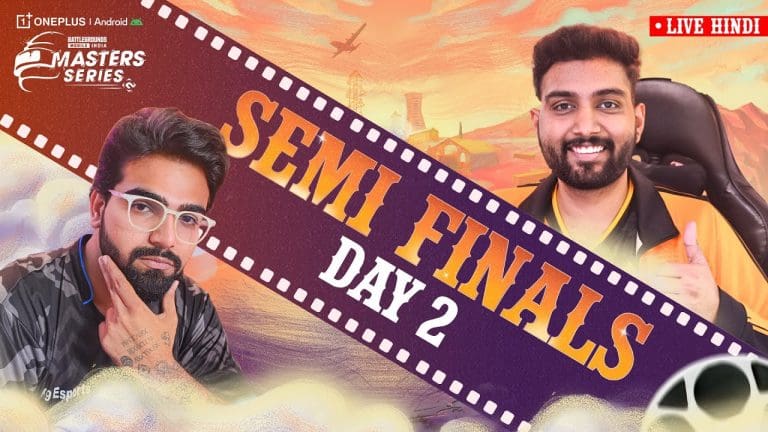
The Semi Finals of BGMI Masters Series Season 4 moved into Day 2, and the intensity continued to rise as teams fought for a spot in the Grand Finals. With four crucial matches on the schedule, we saw Nebula Esports, Medal Esports, and Global Esports make a strong impact, while Hero Xtreme Godlike maintained their dominance on the overall standings.
BGMS Season 4 Semi Finals Day 2 Match-wise Recap
Below is the match-wise recap of BGMS Season 4 Semi Finals Day 2:
Match 5 – Erangel:
The first match of Day 2 came down to a heated 4v3v3 between Victores Sumus, TWOB, and Nebula Esports. In a chaotic three-way battle, Nebula Esports held their ground, surviving the onslaught and defeating Victores Sumus in the final duel to secure the chicken dinner.
Match 6 – Miramar:
Miramar brought us a multi-sided clash with Genesis Esports, Godlike Esports, TWOB, and K9 Esports fighting it out. K9 Esports were the first to fall, followed by Genesis. In the final exchange, Godlike Esports showcased their firepower, taking down TWOB to grab a dominant 32-point chicken dinner—the highest scoring game of the day.
Match 7 – Sanhok:
Sanhok gave us a thrilling finish as Medal Esports, K9 Esports, and Versatile Esports fought in a 3v2v1 situation. In the end, Medal Esports executed perfectly, wiping both squads one after the other to claim an important victory.
Match 8 – Erangel:
The last match saw Global Esports, True Rippers, and Versatile Esports clash in a 3v2v1. After a scrappy fight between Global and True Rippers, TRX were left weakened with just one player. Global Esports capitalized on the opportunity, wiping the lobby to take the final chicken dinner of the day.
Grand Final Awaits
Day 2 of the Semi Finals brought balance to the table, with multiple teams picking up wins and sharing momentum. While Godlike, K9, and Medal Esports look strong, the fight for the remaining Grand Finals slots was intense throughout.
With the Semi Finals now concluded, the stage is set for the Grand Finals of BGMS Season 4, which kicks off tomorrow. The top 16 teams will battle it out across three days to crown the ultimate champion.
Stay tuned to the TalkEsport app for detailed gaming and esports coverage, latest news, and much more!
Counter-Strike 2 has revolutionised the competitive landscape with the introduction of Premier Mode, which offers players a parallel ranking system alongside the previously popular Competitive mode. While this may appear to be a comprehensive overhaul, the underlying alterations are creating a paradigm shift among professional players, creators, and the broader community. The developers themselves have promoted the Premier Mode in ways that have totally undermined the relevance that the Competitive Mode held back in the days of CS:GO. While the internal competitive modes still fall second to the likes of FACEIT and ESEA, in this article, we will explore what Valve tried to achieve with Premier Mode.
Understanding CS2’s Dual Ranking System
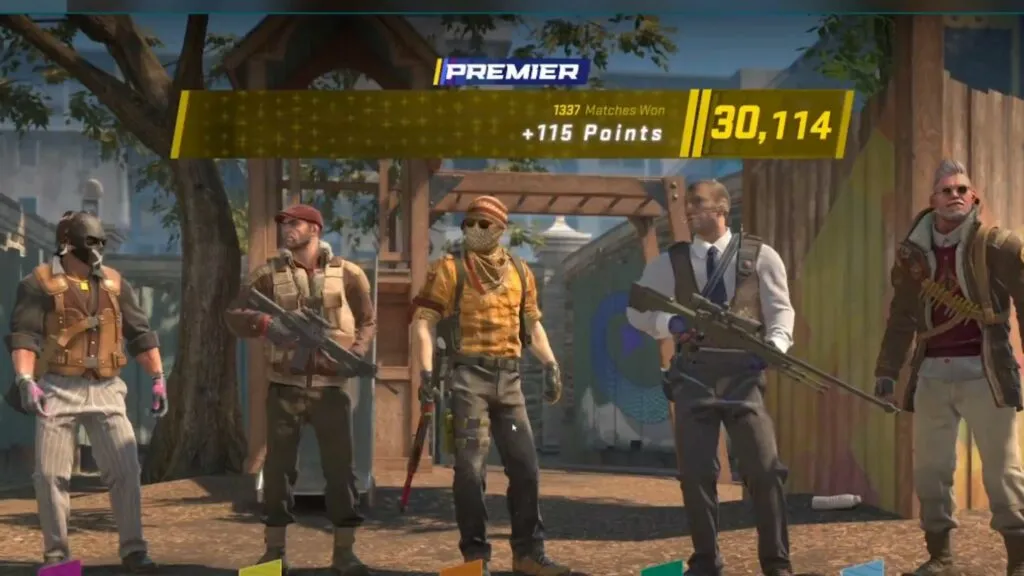
The classic Competitive Mode preserves the iconic ranking system that Counter-Strike players have used for years, where ranks separated players while keeping ELO hidden, which was anything but transparent. The new Premier mode introduces a rating-based approach where players can see the numbers that are putting them in a rank bracket, therefore adapting to a professional, structured approach. Despite this massive change, players who are serious about the game are still inclined towards FACEIT to add credibility to their ranks instead of the ones offered in the game.
Premier Mode’s Revolutionary Approach
The Premier Mode can be dubbed as Valve’s most ambitious attempt at creating a professional-style ranking/competitive environment. While the Competitive Mode was the only ranking system available before CS2, this new system was designed to bring players from FACEIT and other third-party platforms back to the game, as the new subtick system served the ranking system offered by them. This system utilises a numerical rating system similar to a professional league, where you earn or lose points based on the outcome of the match, opponent Rating, and match history.
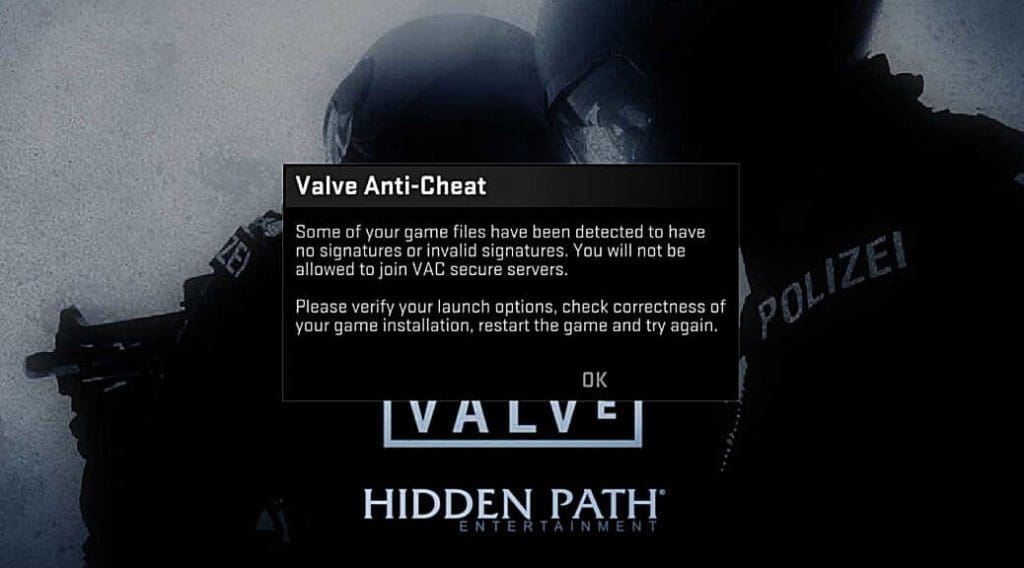
Competitive mode did not always give a clear idea about how much ELO you are winning or losing after a win or a loss. Poor servers, a non-transparent ranking system, and a plethora of cheaters had ruined it back in the days of CS:GO. CS2 has eliminated the slow server issue with the new subtic system. The Anti-Cheat is still up for debate, but the transparency issue has been eliminated with the Premier Mode.
Professional Player Adaptation Strategies
Professional Counter-Strike players have approached CS2’s new ranking structure with a varying degree of enthusiasm, but it has failed to pull in the FACEIT crowd. Players of the more serious nature are sticking to FACEIT as usual, but the new mode has been a welcome change for the players who were unsatisfied with a half-baked competitive mode in CS: GO.
With the more relevant skill assessment methods used in Premier Mode, the rating holds more importance in the competitive landscape when compared with the ranks from Competitive Mode held back in the days of CS:GO. Competitive Mode had a cap in the name of Rank Cealing, Global Elite was the highest a player could go, and with Premier, there is no limit to how far players’ ranks can rise, thus giving ranks in the upper leagues more credibility than before.
Strategic Mindset Evolution
While the ranking system may not be an accurate representation of a player’s true skill, it serves as a better identifier for players compared to older ranking systems. Players who are in a certain skill group are more likely to have a well-matched skillset compared to a more spread-out range of skillsets in the previous ranking system. This has influenced how professional players approach individual matches and long-term skill development. The more consistent reward system helps players more precisely understand their progress, which keeps morale high and helps them analyse their performance against the likes of higher-ranked players.
Psychological Impact on Competitive Players
While the players of a more serious nature avoided Competitive Mode like a plague back in the days of CS2. The Premiermode looks more like a welcome change next to that. While it is not the mode itself that is driving this change in mindset, an underlying change is making the Premier Mode popular. When CS2 introduced the subtick system, platforms like FACEIT lost the edge in terms of smoother servers. The gameplay on Valve and 3rd party servers has no technical difference, as all of them work on the new subtick system. Pro players avoided 64-tick given they would not like to train their muscle memory on a slower system, but now that it is not relevant anymore, nothing is stopping them from hopping on Premier servers for a chill game with their friends during off-hours.
Performance Pressure Dynamics
Premier Mode comes with a more transparent rating system, which brings competitive pressure compared to the previous ranking model. While this may be seen as a downside, the upside is readily apparent, where players can track their progress very precisely compared to having to guess their ELO with every passing match. Given that they can see the rating changes after each match, the immediate feedback is motivating them to hop onto the next game, either to push their elo higher or recover the lost one, but in any case, the Game Mode is getting a lot of traffic.
Anti-Cheat and Fair Play Measures
The more precise rating system has worked wonders in terms of matching players in their own bracket, whereas the old system spread players out across ranks, often leading to massive ranking mismatches. The new system, despite its shortcomings at times, is capable of delivering well-matched ranks more often than not.
The new and improved anti-cheat has reduced the number of cheaters significantly. Cheaters have been a persistent problem of the game since its release, and while they persist, unlike CS:GO, we do not face a waller every other game anymore. Most of the matches are clean, and Valve seems to be delivering on their promise of cleaning the servers.
Map Selection Process
At a nascent stage, the new map selection process, which followed a traditional veto, generated mixed feelings in the community; however, it would be sufficient to say that it has aged well. The veto process after getting a match makes sure that we get faster matches, given there not pre-map selection like CS:GO. The new process would allow players to easily VETO out 2 maps that they don’t like while deciding on a map, making the matchmaking process more efficient than ever.
Verdict
The Premier mode may have thrown a spanner into the works at the time of CS2 release, but as days have passed, it has found its place in the hierarchy of game modes. While it has not killed platforms like FACEIT and ESEA, which act more like a social media for professionals while providing the best servers, we can find more players often playing Premier than before. The Competitive Mode crowd from CS:GO has been completely integrated into the Premier Mode, but as it stands, Valve will need a lot more value in this mode for it to be everything that everyone plays all the time.