Home Blog Page 32

Steam โ€˜BrokenPipeโ€™ Security Flaw Unfixed Months After Researcher Reported It

0

A publicly disclosed vulnerability in Steam’s Windows service can elevate an ordinary user process to NT AUTHORITY\SYSTEM without an administrator password or UAC prompt. The researcher behind BrokenPipe says Valve was notified in March, months before working proof-of-concept code became public.

A Windows PC does not necessarily become compromised simply because Steam is installed on it. But if malware has already found its way onto the machine, a publicly available Steam exploit could potentially give it something considerably more dangerous: SYSTEM privileges.

The vulnerability, named BrokenPipe by the security researcher who disclosed it, affects the Steam Client Service running on Windows. It is a local privilege-escalation flaw capable of turning code running under a standard Windows account into a process operating as NT AUTHORITY\SYSTEM, one of the most powerful security contexts available on Windows.

According to the researcher’s disclosure, exploiting BrokenPipe does not require an administrator password and does not trigger the familiar Windows User Account Control prompt asking the user to approve elevated privileges. That combination makes the vulnerability particularly interesting from a gaming-security perspective. Steam is installed on an enormous number of Windows gaming PCs, and privilege-escalation vulnerabilities can provide attackers with a second stage after malicious software has already gained an initial foothold.

What is the Steam BrokenPipe vulnerability?

BrokenPipe targets the Steam Client Service, a Windows service used by Valve’s desktop client to perform operations that require elevated privileges. The service operates with SYSTEM-level permissions while communicating with ordinary user processes. That relationship is important because Windows deliberately separates what a standard account can do from actions requiring administrator or SYSTEM privileges. BrokenPipe exploits that boundary.

The researcher, who publishes under the name KillaBoi, demonstrated a method through which a standard local user can abuse communication with the Steam service and ultimately execute code with SYSTEM privileges. The published research reports successful testing against Steam client version 10.96.30.42 on 64-bit versions of both Windows 10 and Windows 11.

BrokenPipe does not let someone remotely hack your PC

There is an important limitation that should not disappear beneath the severity of SYSTEM access, BrokenPipe is a local privilege-escalation vulnerability, not a remote-code-execution exploit.

An attacker cannot simply find a Steam user online and use BrokenPipe to take control of that person’s computer. Steam must be installed, the relevant service must be available, and the attacker must already have the ability to execute code on the Windows machine as a standard user. That distinction substantially changes the threat model, but it does not make the vulnerability harmless.

Privilege escalation is frequently valuable after an attacker has already gained limited access to a system. Malware initially running with ordinary user permissions faces restrictions on what it can access or modify. Elevating that process to SYSTEM can remove many of those barriers. In practical terms, BrokenPipe is not necessarily the way an attacker gets through the front door. It can become useful after something malicious is already inside.

Why SYSTEM access matters

NT AUTHORITY\SYSTEM sits above an ordinary Windows user and carries extensive privileges intended for the operating system and trusted services. If malware successfully escalates into that context, it can potentially access resources unavailable to the compromised user account, interfere with system-level components and operate with considerably fewer restrictions. This is why local privilege-escalation vulnerabilities are commonly paired with other attacks. An information stealer, remote-access trojan or malicious executable might initially arrive through an unrelated route but subsequently exploit a local vulnerability to strengthen its position on the machine.

Gaming PCs provide an especially relevant environment for that threat model. Players routinely download mods, community tools, overlays and other third-party software, while cracks, cheats and fake game downloads remain obvious routes through which malicious executables can reach a system.

The technical vulnerability is only half of the BrokenPipe story. The disclosure timeline raises another question: how long Valve has known about it. KillaBoi says the vulnerability was reported to Valve through its HackerOne bug-bounty program in March 2026. According to the researcher, the submission was subsequently closed as a duplicate.

In vulnerability-reporting programs, a duplicate classification generally means the underlying issue has already been reported by another researcher. It does not, by itself, establish whether the vulnerability has been fixed or when the original report was received. Months later, however, BrokenPipe became public. Working proof-of-concept material was published in mid-September, allowing other researchers to examine and reproduce the technique rather than relying solely on a private vulnerability report.

There is still no publicly confirmed BrokenPipe fix

That brings the timeline to its most consequential point. Reports published after the September disclosure found no corresponding Valve security advisory or CVE identifying a BrokenPipe fix. Cybersecurity News and CyberInsider both reported on the vulnerability following publication of the proof of concept, while later reporting continued to describe the issue as unpatched.

As of October 4, TalkEsport could not identify a Valve security advisory, CVE entry or Steam client release note explicitly confirming that BrokenPipe has been fixed. That wording is important. The absence of a publicly identified patch is not proof that Valve has done nothing internally, nor does it establish that every current Steam installation remains exploitable. Without a Valve advisory or independent testing of the latest client, TalkEsport cannot make either claim.

What can be established publicly is that the researcher says Valve received the vulnerability in March, working exploit code is now available, and there is no publicly documented fix that TalkEsport could identify six months after that reported disclosure.

Valve has faced a remarkably similar situation before

BrokenPipe is particularly notable because this is not Valve’s first dispute involving privilege escalation in the Steam Client Service. In 2019, security researcher Vasily Kravets reported vulnerabilities involving Steam and Windows privilege escalation through Valve’s HackerOne program. One of his reports was rejected as outside the scope of Valve’s bounty program, leading Kravets to disclose the issue publicly.

Valve subsequently acknowledged that the decision had been wrong.

“His report was classified as out of scope. This was a mistake.”

Valve, 2019

The company patched the vulnerabilities and changed its bug-bounty rules to explicitly accept local privilege-escalation reports. Seven years later, BrokenPipe places another reported Steam privilege-escalation vulnerability under scrutiny, although the circumstances surrounding the two disclosures are not identical.

The local-access requirement also means BrokenPipe does not present the same level of risk to every Steam user. A privately owned gaming PC with a single trusted user presents a different environment from a machine shared among several Windows accounts. Gaming cafรฉs and LAN centres, university or school computers, shared family PCs and other multi-user systems create more opportunities for an unprivileged account to exist alongside software and data belonging to other users.

On those machines, the security boundary between a standard account and SYSTEM is particularly important. A local privilege-escalation vulnerability potentially undermines the very separation administrators rely upon when giving users restricted accounts.

What Steam users can do while BrokenPipe remains unresolved

There is no reason for ordinary Steam users to panic or assume their machines have been compromised. BrokenPipe cannot remotely infect a computer by itself, and exploiting it requires code to already be running locally. That makes preventing the initial compromise the most useful defence. Players should be particularly cautious with cracked games, cheats, unofficial executables, suspicious mods and fake downloads. Software promising free games, skins or cheating functionality remains a natural delivery mechanism for malware precisely because users voluntarily execute it.

Keeping Steam and Windows updated remains sensible as well, although users should not interpret an ordinary Steam update as confirmation that BrokenPipe has been patched unless Valve or independent security research establishes that fact. Administrators responsible for shared gaming machines face a different calculation. Systems that do not require Steam can have the client removed, while environments that depend on it warrant closer monitoring until the vulnerability’s status becomes clearer.

Vulnerabilities exist privately for months or even years without presenting an immediate practical threat to ordinary users. Public disclosure changes that equation because technical details no longer remain confined to the original researcher and vendor. BrokenPipe has crossed that threshold. The vulnerability has been publicly documented and proof-of-concept material exists. At the same time, TalkEsport could not find a Valve advisory identifying a corresponding fix as of October 4. That does not mean someone can remotely compromise millions of Steam accounts, nor does it mean every Windows PC running Steam is currently vulnerable. It does mean that a publicly documented path from standard-user execution to SYSTEM privileges deserves a clear answer about its remediation status.

For Steam’s enormous Windows user base, the most useful development now would therefore be a straightforward one: confirmation from Valve about whether BrokenPipe affects the current Steam client and, if it does, when users can expect it to be fixed.
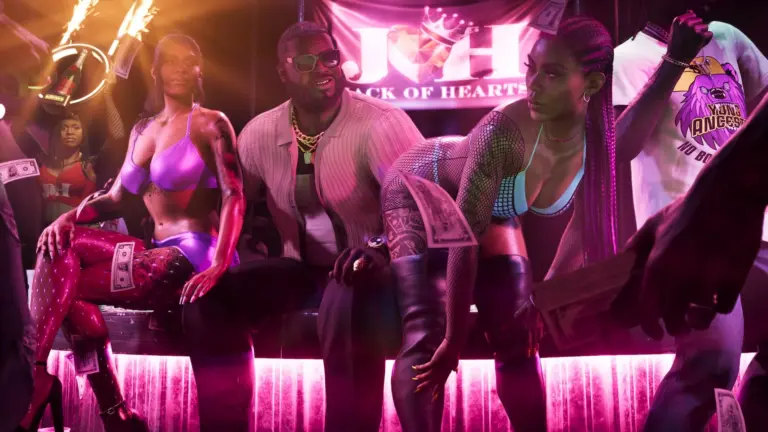

GTA 6 Age Rating Revealed, and It Includes Adult Scenes

Grand Theft Auto 6 now has official age ratings, and they donโ€™t come as a big surprise for anyone who is familiar with the series. Store pages for the upcoming Rockstar Games title show an M for Mature rating from the ESRB in the US and PEGI 18 in the UK.

Listings on the PlayStation Store in Australia and New Zealand go a step further and specifically mention sex scenes in the game’s content.

GTA 6 Age Rating Confirmed

The ESRB lists seven content descriptors: blood and gore, intense violence, mature humor, nudity, strong language, strong sexual content, and use of drugs and alcohol. The rating also includes an in-game purchases notice, even though Rockstar has said it isn’t planning microtransactions for the main game. Some think it refers to extra content locked behind the premium edition, while others expect it to be tied to an online mode that hasn’t been shown yet.

Note that this age rating of GTA 6 isnโ€™t really new for the series. GTA 5, which was released in 2013, was also rated M, and its ESRB descriptors were the same ones now attached to GTA 6. That includes strong sexual content and nudity, so the ESRB rating alone doesn’t suggest the sequel is more explicit than its predecessor.

The biggest change is one of wording. On the same Australian and New Zealand store, GTA 5’s description simply says “Sex,” even though the game contains a scripted scene of that kind. GTA 6’s description uses the more specific phrase “sex scenes.” That may just be a more detailed label rather than a sign of a major shift in content.

So far, the GTA 6 trailers have shown intimate moments between the two leads, Jason and Lucia, so a romantic storyline appears to be part of the game. The M rating fits the tone the franchise has always had, mixing crime and adult themes among others.

The ESRB hasn’t yet published its full written summary for GTA 6. That summary would explain in more detail how the game portrays sexual content, violence, and drug use. Until it appears, the descriptors tell us what categories the game falls into but not how far it pushes them.

GTA 6 is all set to release on November 19, 2026, on the PlayStation 5 and Xbox Series X|S.

GTA 6 Animals: Wildlife, Birds and Sea Creatures Confirmed So Far

0

The wildlife in Grand Theft Auto 6 has been a major talking point ahead of its release, as Leonida is speculated to feature a highly diverse and rich ecosystem unlike any we have seen in a video game before. Based on all the gameplay content released so far, the game will featureย more than 170 animal species, including over 60 bird species and numerous land and marine creatures.

Wildlife in previous GTA games has followed a repetitive pattern in terms of movement and had little to no impact on their surroundings, but if the latest reports and trailers are anything to go by, GTA 6โ€™s wildlife experience will reach unprecedented levels. In this article, we have listed all the wildlife spotted in trailers, leaks, and other content so far:

GTA 6 Animals List

Animals:

  • Boars
  • Bobcats
  • Deer
  • Foxes
  • Raccoons
  • Squirrels
  • Snakes
  • Green iguanas
  • Beavers
  • Labradors
  • Dobermans
  • German Shepherds

Birds:

  • Flamingos
  • Pelicans
  • Ducks
  • Herons
  • Seagulls
  • Spoonbills
  • Whooping cranes

Marine Life:

  • American alligators
  • Dolphins
  • Eels
  • Manatees
  • Sea turtles
  • Sharks
  • Whales
  • Manta rays
  • Jellyfish

GTA 6 Will Feature a Living Wildlife Ecosystem

Wildlife in GTA 6 will feature species-specific movement patterns and behaviours, with environmental conditions altering the appearance of animal fur and feathers. are also shown to be part of the ecosystem of wildlife such as iridescence, bioluminescence, and translucency are also shown to be a part of the ecosystem, making Leonida rich in biodiversity.

Reports suggest that wildlife is categorised as Rare, Discoverable, and Legendary, and Rockstar has also introduced a special in-game checklist similar to Red Dead Redemption 2, where players can add the species they discover while exploring Leonida.

With revamped wildlife, weather, mechanics, and a map that Rockstar claims is twice the size of its previous iteration, Grand Theft Auto 6 will be the most true-to-life video game we have ever seen. It will be interesting to see the role these systems play in the game to make it a sensation when the game launches on November 19.

EU Takes Action Against 9 Gaming Companies Over Virtual Currency Practices

European consumer authorities have opened coordinated action against nine gaming companies behind Valorant, Minecraft, Clash of Clans and other major titles, escalating a dispute over whether virtual currencies make it unnecessarily difficult for players to understand how much they are really spending.

Buying a skin in Valorant, an item in Minecraft or something inside a mobile game often involves an extra step that barely existed in gaming two decades ago. Instead of paying directly in dollars, euros or rupees, players first convert their money into a currency created by the game. European consumer regulators are now asking whether that extra layer has gone too far.

On September 30, the European Union’s Consumer Protection Cooperation Network, commonly known as the CPC Network, launched coordinated actions concerning nine gaming companies and their use of in-game virtual currencies. The network connects national consumer-protection authorities across the European Union and works with the European Commission to address potential breaches of EU consumer law that extend across national borders.

According to the European Commission, the authorities suspect commercial practices surrounding virtual currencies in the nine games may fail to comply with European consumer-protection requirements.

Company (as named by the EU)Game
Riot Games LimitedValorant
Mojang ABMinecraft
Supercell OyClash of Clans
King.comCandy Crush Saga
Ubisoft EMEA SASFor Honor
Crytek GmbHHunt: Showdown 1896
InnoGames GmbHForge of Empires
Plarium Europe S.ร .r.l.Mech Arena
PLR Worldwide Sales LimitedGardenscapes
Activision Blizzard UK Limited (separate action)Diablo Immortal, Call of Duty Mobile

The list contains some of gaming’s biggest names. Riot Games is facing scrutiny over Valorant, Mojang over Minecraft, Supercell over Clash of Clans and King over Candy Crush Saga. Ubisoft’s For Honor, Crytek’s Hunt: Showdown 1896, InnoGames’ Forge of Empires, Plarium’s Mech Arena and Playrix-linked PLR Worldwide Sales’ Gardenscapes are also part of the coordinated action.

Why the EU is looking at gaming currencies

At the heart of the dispute is a deceptively simple question: when a player buys something inside a game, how easy is it to understand what that purchase actually costs? Virtual currencies have become deeply embedded in modern gaming. Valorant uses Valorant Points, Clash of Clans has Gems, and countless other games rely on their own coins, credits, tokens or similarly branded currencies.

Players generally purchase these currencies with real money and then spend them on skins, characters, upgrades or other digital content.

The system can create a disconnect between the price displayed on screen and the amount leaving a player’s bank account. An item priced at 1,200 fictional credits requires the player to remember, estimate or calculate what those credits represent in real money. Currency is also frequently sold in predetermined bundles, meaning someone may need to purchase more credits than the item itself requires.

That is precisely the kind of friction European regulators want to examine. The CPC Network argues that consumers should receive clear information about the real-world cost of digital products before purchasing them. Its position is that virtual currencies should not be structured in ways that obscure prices, make comparisons unnecessarily difficult or effectively require players to buy more currency than they need.

The September action is not the EU’s first move against the practice. In March 2025, the CPC Network published a set of Key Principles on In-Game Virtual Currencies intended to explain how existing European consumer law should apply to the increasingly complicated economies operating inside games. Those principles called for prices to be presented clearly and transparently, while warning companies against practices that could hide the true cost of digital content. Regulators also said consumers should not be forced into purchasing unnecessary quantities of virtual currency simply because the amount they need is unavailable as a standalone purchase.

The framework goes further than pricing. European authorities want companies to provide understandable terms and pre-contractual information, respect applicable withdrawal rights and exercise particular care when games are marketed to children or other vulnerable consumers. Regulators subsequently entered discussions with the games industry about those expectations. According to the Commission, however, a “high number” of companies made no substantive changes to their practices following the publication of the principles.

The September 30 actions represent the next stage of that process. Rather than addressing virtual currencies only at an industry-wide level, authorities are now raising concerns directly with individual companies.

Why children have become central to the argument

European regulators are particularly concerned about what complicated purchasing systems mean for younger players. A fictional currency can make spending feel psychologically removed from the real money used to acquire it, while countdowns, limited-time offers and other purchasing prompts can add pressure to transactions. The CPC Network had already tested some of these principles through its action involving Star Stable Online in March 2025.

Authorities raised concerns about advertising that directly appealed to children, pressure created through time-limited purchasing practices and insufficiently clear information surrounding the game’s virtual currency.

That case provided an early indication that Europe’s scrutiny would not stop at exchange rates. Regulators are interested in the entire purchasing environment surrounding digital goods, how an offer is presented, who is being encouraged to buy it, whether urgency is being manufactured and whether the consumer can readily understand the financial consequences.

The gaming industry disagrees with a crucial part of the EU’s argument

Publishers and developers are not simply accepting the regulators’ interpretation. Two of Europe’s principal games-industry trade organisations, Video Games Europe and the European Games Developer Federation (EGDF), responded to the September action by challenging how regulators are characterizing in-game currencies.

Video Games Europe represents major publishers and national games-industry associations across the continent, while the EGDF represents game-development studios through European national trade associations. Together, they provide the industry’s institutional counterweight to the consumer authorities pursuing the current action.

According to MobileGamer.biz, the groups dispute the CPC Network’s interpretation of in-game currencies as “digital representations of value.” Their argument is important because virtual currencies inside games generally operate within closed ecosystems rather than functioning like conventional money or freely transferable cryptocurrencies.

The industry groups say they have sought legal clarity on this interpretation since 2025. The disagreement therefore reaches beyond whether a Valorant skin should display a euro price next to its Valorant Points price. At stake is the regulatory framework that could govern virtual economies across thousands of games operating in Europe.

The industry is offering changes of its own

The industry’s resistance does not mean it is rejecting every consumer-protection concern raised by regulators. Video Games Europe and the EGDF have instead proposed their own set of commitments that could substantially change how players encounter virtual currencies.

One of the most significant proposals concerns the very issue at the centre of the EU action, understanding prices. The industry says games could show the corresponding real-money value alongside virtual-currency prices, allowing a player to see the monetary cost of an item without having to calculate an exchange rate independently. The trade groups have also proposed a 48-hour refund mechanism for wholly unused virtual-currency bundles. Under such a system, someone who purchased a bundle and subsequently changed their mind could recover the money provided none of the currency had been spent.

Another proposal concerns the permanence of digital purchases. Companies could provide at least 30 days’ notice before removing content that consumers had purchased, giving players greater visibility when paid digital items or services are approaching withdrawal.

Children feature prominently in the industry’s response as well. The proposed measures include stronger parental controls and remedies for unauthorized purchases made by minors, areas where regulators and industry representatives appear to share at least some common ground even if they disagree over the underlying legal treatment of virtual currencies. There is an important qualification, however. The trade bodies have linked those commitments to obtaining greater legal certainty over the CPC Network’s interpretation. As a result, the dispute is developing on two levels at once: regulators want purchasing systems changed, while the industry wants greater clarity over the legal principles being used to demand those changes.

Activision Blizzard is facing a separate EU action

Activision Blizzard also appears in the wider European crackdown on gaming monetization, but it should not be counted among the nine companies targeted in the September 30 announcement. The CPC Network opened a separate coordinated action involving Microsoft and Activision Blizzard earlier in 2026 concerning Call of Duty Mobile and Diablo Immortal. That investigation has a considerably wider scope than the latest virtual-currency actions.

European authorities are examining issues including potentially addictive design, default parental-control settings, collection of consumer data, direct appeals to children, pre-contractual information and unilateral account blocking. Virtual-currency practices are therefore only one component of that case. The Commission says dialogue concerning the Activision Blizzard action remains ongoing.

What happens to Riot, Mojang and the other companies now?

The opening of a coordinated action is not a finding that Riot Games, Mojang, Supercell or any of the other companies have already broken EU law. That distinction matters.

The companies will now have an opportunity to respond to the concerns raised by the CPC Network and engage with authorities over possible changes to their practices. The objective at this stage is to establish whether the identified concerns can be addressed through commitments or modifications to the way virtual currencies and purchases operate. If that dialogue fails to resolve the issues, national consumer-protection authorities can move towards enforcement using the powers available to them under European and domestic law.

That makes the distinction between the European Commission and the CPC Network important. The Commission coordinates the process, while the network itself brings together the national authorities responsible for enforcing consumer-protection law across EU member states.

The bigger question is what happens to virtual currencies themselves

The importance of the September action extends well beyond the nine games named by regulators. Virtual currencies have become one of the fundamental commercial building blocks of free-to-play games, live-service titles and increasingly even premium releases.

For publishers, these currencies offer a convenient economy that can work across hundreds of individual items while supporting bonuses, bundles and promotional pricing. For regulators, many of those same characteristics can make it harder for consumers to maintain an intuitive understanding of how much they are spending. The disagreement therefore does not necessarily concern whether virtual currencies should exist at all. The more immediate battle is over how transparent those systems must become when real money enters the equation.

Notably, several enormous games with their own currency-driven economies โ€” including Fortnite, Roblox and EA Sports FC โ€” are not among the titles named in the September 30 action. Their absence should not be interpreted as regulatory approval of their monetization systems. The Commission has not presented the nine cases as an exhaustive assessment of every virtual currency used in gaming.

That is what makes the current action considerably more important than a dispute over the price of a Minecraft item or a Valorant skin. Europe is beginning to establish how decades-old consumer rights apply to economies that exist entirely inside video games. If regulators succeed in forcing clearer real-money pricing, easier refunds and stronger protections for younger players, the effects could eventually reach far beyond the companies currently under scrutiny. If the industry successfully challenges the CPC Network’s interpretation, meanwhile, Europe may have to refine the legal framework before demanding broader changes.

Either way, the familiar layer of gems, coins, points and credits separating a player from the real price of an in-game purchase is receiving scrutiny at a scale the games industry can no longer easily dismiss.

From S8UL to ESFI: Indian Esports’ Biggest Fights Are Moving to Court

From Kaashvi vs 8Bit Thug and ESGF vs ESFI to fresh disputes involving team owners, contracted players and prominent esports personalities, India’s gaming industry is increasingly taking conflicts away from social media and into lawyers’ offices, police stations and courtrooms.

For much of Indian esports’ first decade, disputes tended to follow a familiar trajectory. A player left a team, an owner went live, screenshots appeared, creators picked sides, social media spent several days deciding who was right, and eventually the ecosystem moved on to its next controversy.

That model is beginning to break. Some of the biggest disagreements in Indian gaming are no longer ending with livestream explanations, deleted tweets or private settlements. Lawyers are being copied into emails. Police complaints are being filed. Anticipatory bail applications are reaching Sessions Courts. Questions surrounding the authority to represent India in esports have reached the Delhi High Court, while prominent personalities are publicly warning critics that they are prepared to litigate.

TalkEsport has also learned of multiple additional disputes developing behind the scenes involving major Indian esports organisations, team owners and contracted players, some of which could result in further legal proceedings if private efforts at resolution fail.

None of those cases should be treated as identical, and several remain allegations or potential disputes rather than adjudicated matters. Taken collectively, however, they reveal something important about where Indian esports finds itself in 2026: the industry has accumulated enough money, contractual value, institutional significance and reputational risk that its disputes increasingly have consequences too large to settle through social media alone. Indian esports is discovering the legal system.

Kaashvi vs 8Bit Thug changed the scale of an esports dispute

Perhaps the clearest example arrived in July, when gaming creator Kaashvi Hiranandani filed an FIR at Mumbai’s Santacruz Police Station naming Animesh โ€œ8Bit Thugโ€ Agarwal amid allegations concerning financial transactions and brand deals from her association with 8Bit Creatives. Kaashvi alleged discrepancies between amounts brands paid for campaigns and figures disclosed to her, alongside other financial claims. Agarwal subsequently described the allegations as โ€œfalse and misleadingโ€ and said he would allow the appropriate legal authorities to examine the matter rather than litigating it through public commentary.

TalkEsport reported the allegations and FIR in detail when the dispute entered the formal legal process, marking a significant departure from the social-media controversies that have historically characterised disagreements between prominent figures in Indian gaming.

What followed demonstrated the difference between an esports controversy and a legal proceeding. In September, a Sessions Court granted Agarwal anticipatory bail in connection with the FIR. The order required a โ‚น50,000 personal recognizance bond with sureties and imposed conditions relating to cooperation with the investigation, while the investigation itself remained active.

Our subsequent report on 8Bit Thug’s anticipatory bail also highlighted a distinction that becomes increasingly important as esports disputes enter the legal system: anticipatory bail is not an acquittal, just as the registration of an FIR does not establish guilt.

Those distinctions are routine in legal reporting but comparatively new territory for an esports audience accustomed to reaching conclusions through livestreams, screenshots and social-media statements. The dispute also concerns numbers that demonstrate how much Indian creator businesses have grown. According to FIR details previously reported by TalkEsport, Kaashvi’s allegations concern transactions running into crores of rupees across numerous transactions and invoices. Those figures remain part of allegations under investigation, but their scale alone illustrates why disputes inside modern gaming management cannot necessarily be resolved like disagreements from the industry’s early years.

ESGF vs ESFI asks an even bigger question, who actually governs Indian esports?

At another end of the industry, the dispute is not primarily about creator money, player transfers or social-media reputation. It concerns authority. The E Sports Games Federation has challenged the Esports Federation of India’s role surrounding the selection and representation of Indian esports athletes for the 2026 Asian Games, taking the dispute into the Delhi High Court.

The underlying question goes considerably beyond one tournament because recognition of esports as a sport does not automatically resolve every institutional question concerning which federation possesses the authority to administer national representation, how that authority should be exercised and what remedies exist when competing organisations disagree. The fact that such questions are now reaching legal proceedings is itself a milestone. Indian esports spent years debating whether competitive gaming deserved recognition alongside conventional sports; it is now confronting the considerably more complicated questions that arise after recognition, including governance, athlete selection, institutional authority and accountability.

Those are not uniquely esports problems. They are the same types of institutional disputes that established sports systems have spent decades taking before courts, tribunals and governing bodies. Esports has arrived there remarkably quickly.

Then came Sid vs LetsGrowEsports

The industry’s growing legal vocabulary has also entered its social-media disputes. S8UL manager Siddhant โ€œSidโ€ Joshi recently publicly warned esports news account LetsGrowEsports that he was prepared to pursue legal action following an escalating dispute between the two sides. The disagreement moved from public posts into accusations concerning private communications and personal information, with both sides presenting sharply different accounts of what had occurred.

As TalkEsport reported, Sid said he was prepared to commit substantial personal resources towards pursuing the dispute legally, using unusually emphatic language to describe how seriously he was considering the prospect of litigation.

No publicly indexed lawsuit establishing that those proceedings have actually commenced had been identified at the time of that report, making this materially different from the Kaashvi FIR or proceedings already before a court.

But the language itself is significant. Five years ago, an esports personality unhappy with a community page might have demanded an apology, organized a livestream or fought the argument through quote tweets. In 2026, one of the industry’s most recognisable managers is openly talking about financing litigation. That represents a cultural change as much as a legal one.

Tanmay โ€œScoutโ€ Singh has similarly referred publicly to the possibility of taking legal action in response to disputes and statements surrounding him. At present, TalkEsport has not independently identified a corresponding public court filing that would justify describing Scout’s comments as an active lawsuit, meaning his remarks belong in the category of potential legal action rather than a filed case.

View this post on Instagram

A post shared by Esports360 (@esports360.igc)

That distinction matters throughout this discussion. Indian esports currently contains several different forms of legal conflict that are frequently conflated online: actual court proceedings, police complaints and investigations, contractual disputes being handled through lawyers, and personalities publicly threatening or considering legal remedies.

They are not interchangeable, yet the fact that legal recourse has entered the vocabulary through which prominent esports personalities think about reputation, contractual disagreements and public accusations is revealing in itself.

TalkEsport is hearing of more disputes behind closed doors

The cases already in public view may represent only part of what is developing. TalkEsport has learned from sources familiar with separate disputes that owners associated with two major Indian esports organisations are considering legal recourse against one another.

Because proceedings have not been publicly filed and TalkEsport is continuing to corroborate the underlying dispute, we are not identifying the organisations or individuals involved at this stage. The significance lies in the nature of the disagreement. A legal conflict between owners of major organisations would represent a substantially different category from a creator dispute or social-media argument because esports organisations increasingly operate as formal businesses with investment, intellectual property, sponsorship obligations, player contracts and commercial relationships extending considerably beyond competitive results.

TalkEsport has separately learned of another situation in which an esports organisation is considering legal action involving players who allegedly exited while still bound by contractual obligations.

No finding has been made concerning whether those players breached enforceable contracts, and TalkEsport is withholding identifying details while verification continues. The underlying issue, however, is one the Indian ecosystem will increasingly have to confront as player salaries, transfers and contractual obligations become more valuable.

The handshake era of esports contracts is ending

Player movement in early Indian esports could be remarkably informal. Teams formed between friends, rosters changed overnight, tournament winnings sometimes substituted for salaries, and agreements could exist through conversations rather than detailed contracts negotiated with professional legal advice. That becomes considerably harder once organisations are investing substantial money into players.

A modern player agreement can govern salary, tournament obligations, streaming hours, image rights, sponsorship exclusivity, transfer restrictions, confidentiality, intellectual property, termination rights and the circumstances under which either party can leave.

When a player walks away from such an agreement, the question is no longer simply whether the organisation feels betrayed. It becomes a contractual question. Was the agreement enforceable? Did the organisation fulfil its own obligations? Was there a valid termination clause? Did the player provide the required notice? Was compensation owed? Were restrictive provisions reasonable? Did either party commit a prior breach? Those questions cannot be answered by follower counts, community polls or whichever party produces the most convincing livestream. They are precisely the type of questions that courts, lawyers and dispute-resolution mechanisms exist to determine.

Money has changed what is worth fighting over

There is a straightforward economic explanation for much of this transformation: Indian esports used to have relatively little to litigate over, and that is no longer true. Creators can generate substantial revenue through sponsorships. Organisations sign commercial partnerships with major consumer brands. Players receive salaries and prize money. Talent-management companies negotiate campaigns worth lakhs or crores of rupees. Tournament operators control valuable media and sponsorship inventory, while federation decisions can determine who represents India at major international competitions.

As the economic value of those relationships increases, so does the cost of a dispute. A disagreement over a relatively small tournament payment might once have been grudgingly written off, whereas a disagreement involving crores in alleged commercial transactions, a valuable player contract, national-team selection or damage to the reputation of a major organisation is considerably harder to resolve with a Discord call.

This is not necessarily evidence that Indian esports has become more hostile. It may simply mean that there is finally enough at stake for legal rights to matter.

Reputation has become an asset worth protecting

Money is only half the equation. Indian gaming personalities now command audiences comparable to mainstream entertainers, and esports organisations increasingly depend on reputational trust when negotiating sponsorships, recruiting players and attracting investment. A serious allegation published online can therefore have consequences extending well beyond hurt feelings.

It can affect brand negotiations, employment, commercial partnerships and an individual’s ability to operate professionally. That helps explain why defamation, privacy, confidentiality and reputational disputes are increasingly likely to move towards lawyers rather than remaining entirely within social media. At the same time, legal threats cannot become a mechanism for insulating powerful esports figures or organisations from legitimate journalism and criticism. Public figures and businesses retain legal remedies against unlawful statements, while journalists, creators and community accounts must remain able to report verifiable information, express protected opinions and scrutinise organisations without assuming that every threat of litigation establishes wrongdoing. The maturation of Indian esports therefore requires better legal literacy on both sides.

There is another reason the transition may ultimately be healthy. Indian esports has historically tried far too many cases on X, Instagram and YouTube. An accusation appears, screenshots follow and a livestream begins. Friends of both parties join the discussion, private messages are selectively published and thousands of viewers begin forming conclusions before the person being accused has even responded.

Within hours, a complicated commercial or personal dispute can be reduced to hashtags and fan camps. The legal system is slower and substantially less entertaining, but that is also the point. Courts require evidence, police investigations operate through procedures, contracts contain language that must be interpreted and both parties have an opportunity to be represented. Assertions can be tested rather than rewarded according to which side possesses the larger audience.

The legal process is imperfect, expensive and often painfully slow, but an industry cannot simultaneously demand to be treated as a serious professional sector while expecting its most consequential disputes to be adjudicated through livestreams.

Indian esports may now need specialist lawyers almost as much as coaches

The next phase of professionalisation may consequently happen outside the server. Major organisations already employ managers, analysts, coaches, content teams and commercial executives. Increasingly, they will also need lawyers who understand the peculiar overlap between sports law, employment and contract law, intellectual property, media, digital platforms and corporate governance.

Players need representation too. A young competitor receiving a first professional contract should understand what happens if he or she wants to leave six months later. A creator signing with a talent-management company should know exactly how brand revenue is disclosed and commissions are calculated. Organizations need agreements that protect legitimate investments without imposing provisions that would not survive legal scrutiny. Federations similarly need governance structures capable of answering questions about authority, selection and accountability before those questions require judicial intervention.

The industry has spent years professionalizing everything visible. Jerseys improved, tournament production became more sophisticated, prize pools grew, bootcamps developed and sponsorship decks became increasingly corporate. The paperwork now has to catch up.

The courts are becoming part of Indian esports’ infrastructure

There is an understandable temptation to look at the growing list of legal disputes and conclude that something has gone badly wrong inside Indian esports. The opposite interpretation may ultimately prove more accurate. A sector becomes legally complicated when it becomes economically and institutionally consequential.

Traditional sport has spent decades dealing with contract disputes, federation battles, disciplinary proceedings, image rights, sponsorship conflicts and disagreements between athletes and organisations. Entertainment industries routinely litigate over management agreements and commercial rights, while businesses turn to courts or arbitration when contractual relationships break down. Esports was never going to remain exempt once it reached comparable levels of professionalisation. The concerning part is therefore not that Indian esports personalities and organisations are beginning to use lawyers and courts. The greater concern would be entering that era without the contracts, governance, transparency and legal literacy necessary to handle disputes responsibly.

Kaashvi and 8Bit Thug’s dispute has already entered the formal criminal-justice process, where allegations are being investigated and legal protections are being determined through established procedures rather than social-media consensus. ESGF and ESFI are contesting questions surrounding esports governance through the courts. Sid has publicly discussed litigation against a media account, while Scout has spoken about potentially pursuing legal remedies of his own.

Beyond those public cases, TalkEsport is now tracking additional disputes involving major organisation owners and player contracts that could also result in legal proceedings if they cannot be resolved privately. Not every threatened lawsuit will ultimately be filed. Not every allegation will be proven. Not every contractual demand will be enforceable, and the party that approaches a court first does not automatically become the party that is legally correct.

That is precisely why courts, investigations and formal dispute-resolution mechanisms exist.

What appears to be changing is the industry’s understanding of when those mechanisms become necessary. As Indian esports accumulates larger businesses, more valuable contracts, increasingly influential personalities and institutions responsible for representing the country internationally, disagreements that once might have ended with a livestream can now carry consequences extending into careers, companies and substantial amounts of money.

Indian esports spent its formative years building teams, tournaments, audiences and businesses. Its next phase may be defined by something considerably less glamorous but equally important: learning how those businesses protect their rights, honour their obligations and resolve disputes when relationships break down. For an industry that has spent years asking to be taken seriously, the arrival of lawyers, contracts and courtrooms may be one of the clearest indications yet that it finally is.

Today’s Quordle Answers and Hints for October 04, 2026

0

Quordle #1714 is live for Sunday, October 4, 2026. Today’s grid uses common words, and one of them has a repeated letter. If you’d rather solve it yourself, start with the hints. The full answers are further down the page and clearly labelled.

Every word below has been checked against more than one source before publishing.

Quordle #1714 Hints for Today (October 4, 2026)

These general hints help with all four boards without giving away any words.

HintToday’s Puzzle
Starting lettersI, R, T, A
Different vowels used3 (A, E and I)
Words with a repeated letter1
Rare letters (Q, Z, X, J)None
Ending lettersR, Y, G, A

A Clue for Each Word

  • Word 1 (starts with I): To work something out from evidence instead of being told directly.
  • Word 2 (starts with R): People save money for one of these days. It’s also a description of wet weather.
  • Word 3 (starts with T): A general word for any object. It’s also the name of the disembodied hand in The Addams Family.
  • Word 4 (starts with A): A large venue where you might watch an NBA game or a concert. This is the word with the repeated letter.

Still stuck? Scroll down for the answers.

Quordle Answers Today: Game #1714

Spoiler warning. Today’s four Quordle answers are below.

BoardAnswerMeaning
1INFERTo reach a conclusion from evidence
2RAINYHaving a lot of rain
3THINGAn object, or the hand from The Addams Family
4ARENAAn enclosed venue for sports and events

ARENA is the only word with a repeated letter, since the A shows up at both ends. If you use the classic starting word RAINE or something close to it, three of these boards open up quickly. Merriam-Webster’s definition of infer shows why that one makes people hesitate. It’s often mixed up with “imply.”

Quordle Daily Sequence Answers for October 4

In Daily Sequence you have to solve the boards in order. Each board unlocks only after you finish the one before it. Today’s answers are:

OrderAnswer
1MUSIC
2FLUTE
3BRAWN
4VIVID

The first two share a theme, so after MUSIC, FLUTE is easy to guess. VIVID is the hard one. It uses two Vs and two Is, and most players don’t guess repeated consonants until late.

Quordle Chill and Extreme Answers for October 4

  • Chill: WEAVE, SCRAP, GRACE, DECAY
  • Extreme: GUMBO, FORUM, PLIER, DEITY

Extreme lives up to its name today. GUMBO and PLIER aren’t the kind of words most people try early, and DEITY has very few vowel options to help you.

Yesterday’s Quordle Answers (#1713, October 3)

If you missed Saturday’s puzzle, the answers were CHORE, FLYER, STICK and PURSE.

How Quordle Works

Quordle works a lot like Wordle, but you solve four five-letter words at once and get nine guesses instead of six. Every guess goes on all four boards, so a single word can give you clues on several boards at the same time. The game is now owned by Merriam-Webster, and the official Quordle page has the Classic, Daily Sequence, Chill and Extreme modes.

A few habits help a lot. Start with a vowel-heavy word like ADIEU or RAISE. Finish any board that’s close to solved before you spread guesses across the others. Remember that one or two words a day usually have a repeated letter, like ARENA today. For more daily word puzzle help, see our Wordle answers and hints section and our gaming guides.

Frequently Asked Questions

What are the Quordle answers today?

The answers for Quordle #1714 on October 4, 2026 are INFER, RAINY, THING and ARENA.

What is the Quordle Daily Sequence answer for October 4, 2026?

MUSIC, FLUTE, BRAWN and VIVID, in that order.

Does today’s Quordle have a repeated letter?

Yes. ARENA has two As. None of the other three words repeat a letter.

What were yesterday’s Quordle answers?

Quordle #1713 on October 3, 2026 was CHORE, FLYER, STICK and PURSE.

New PS5 Games This Week (October 5 to 11, 2026): Every Release and PS Plus Game

0

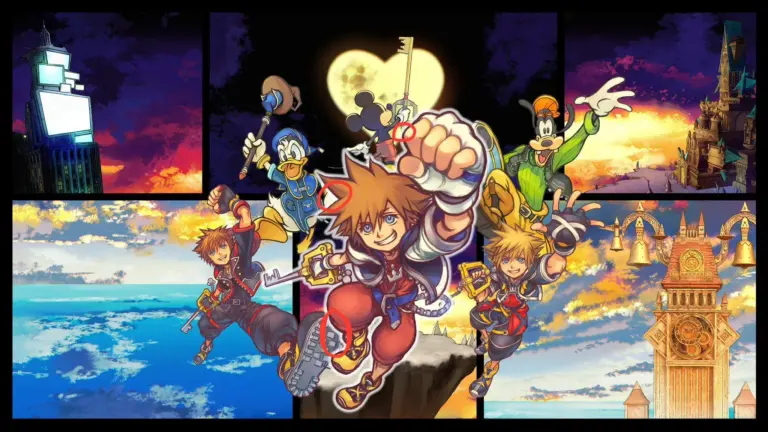
Twenty new PS5 games and three PS Plus Essential titles come out between Monday, October 5 and Sunday, October 11, 2026. The biggest is Kingdom Hearts Collection [I~III]. Star Wars: Galactic Racer, Clive Barker’s Hellraiser: Revival and Capcom’s Dragon’s Dogma 2: Dark Arisen expansion also launch within the same four days.

Thursday is the day to watch. Eleven games launch on October 8, and the full Kingdom Hearts bundle releases that day too.

Below is every new PS5 game coming out this week, sorted by date, with confirmed prices and a short note on each one. For releases further out, our list of upcoming game release dates for 2026 runs through the rest of October, November and December.

Biggest PS5 Games Releasing This Week

GamePS5 Release DateStandard PriceGenre
Star Wars: Galactic RacerTuesday, Oct 6$59.99Racing
Deep Rock Galactic: SurvivorWednesday, Oct 7Not confirmedAuto-shooter
Kingdom Hearts Collection [I~III]Thursday, Oct 8 (early access Oct 6)$74.99Action RPG collection
Clive Barker’s Hellraiser: RevivalThursday, Oct 8$39.99Survival horror
Neon Abyss 2Thursday, Oct 8Not confirmedRoguelike shooter
Gear.Club Unlimited 3Thursday, Oct 8Not confirmedRacing
Dragon’s Dogma 2: Dark ArisenFriday, Oct 9$29.99 (expansion)Action RPG expansion

Prices are US standard editions as listed by publishers. Three of these still have no confirmed PS5 price.

Full PS5 Release Schedule: October 5 to 11, 2026

No notable releases are dated for Monday or the weekend. Everything below lands between Tuesday and Friday.

DateGameWhat It Is
Tue, Oct 6Star Wars: Galactic RacerOuter Rim racing game
Tue, Oct 6Kingdom Hearts Collection [I~III] (early access)Series collection, pre-order bonus
Wed, Oct 7Deep Rock Galactic: SurvivorAuto-shooter spin-off
Wed, Oct 7Highway BlossomsVisual novel
Wed, Oct 7Mr ToiletRestroom management sim
Thu, Oct 8Kingdom Hearts Collection [I~III]Full launch
Thu, Oct 8Clive Barker’s Hellraiser: RevivalFirst-person survival horror
Thu, Oct 8Deck of HauntsHaunted house management
Thu, Oct 8Echo WeaverTime-loop Metroidvania
Thu, Oct 8Forever AgoRoad trip adventure
Thu, Oct 8Gear.Club Unlimited 3Racing
Thu, Oct 8Hidden DogsPuzzle
Thu, Oct 8I’m Having a Bad DayIndie
Thu, Oct 8Into the Radius 2Survival shooter (PS VR2)
Thu, Oct 8Neon Abyss 2Roguelike run-and-gun
Thu, Oct 8Silver PinesNoir mystery adventure
Thu, Oct 8Tingus GooseIdle game
Fri, Oct 9Dragon’s Dogma 2: Dark ArisenPaid expansion
Fri, Oct 9Dungeons & Degenerate GamblersBlackjack deckbuilder
Fri, Oct 9Horse Club: Ride WestHorse riding adventure
Fri, Oct 9Sesame Street: Friends & FunKids game

Kingdom Hearts Collection [I~III] (October 8, Early Access October 6)

Square Enix is putting the main Kingdom Hearts saga into one PS5 package. It includes three earlier releases: Kingdom Hearts HD 1.5+2.5 ReMIX, Kingdom Hearts HD 2.8 Final Chapter Prologue, and Kingdom Hearts III with the Re Mind DLC.

The full bundle is $74.99 on the PlayStation Store. Each part also sells on its own for $39.99. That’s the cheaper route if you only want to replay Kingdom Hearts III. If you pre-order before 11:59 PM on October 7, you get 48 hours of early access, so you can start on Tuesday. The official launch is Thursday, October 8, on PS5, Xbox Series X|S, PC and Nintendo Switch 2.

Pre-orders also come with a PS5-only Keyblade called “Midnight Blue.”

Star Wars: Galactic Racer (October 6)

Fuse Games developed this racer and Secret Mode publishes it. It’s set in the lawless Outer Rim. You play as a character named Shade in a single-player campaign built around repeatable runs, and you can race podracers along with other repulsorcraft. Online races hold up to 12 players.

Here are the editions listed in Secret Mode’s release date announcement:

EditionPriceWhat You Get
Standard$59.99Base game
Deluxe$79.99Bonus vehicles, arcade events, livery pack, digital art book
Collector’s (physical only)$159.99Deluxe content, landspeeder model, steelcase, banner, patches, art book

Clive Barker’s Hellraiser: Revival (October 8)

Saber Interactive and Boss Team Games made this first-person survival horror game. You’re trying to rescue someone you love from the Cenobites. You fight with normal weapons and with the Genesis Configuration puzzle box, which gives you powers like telekinesis, pyrokinesis and Hell Chains. Doug Bradley, Pinhead in the original films, plays the role again.

The Standard Edition costs $39.99 and the Deluxe Edition costs $49.99. Like the films, it has a lot of gore.

Dragon’s Dogma 2: Dark Arisen (October 9)

Dark Arisen is a paid expansion for Capcom’s 2024 RPG. It costs $29.99 if you already own the base game, and a $49.99 bundle includes both. It adds Norgan, a snowy region in the far north, along with a new story campaign, 12 replayable dungeons, new monsters and a relic system for endgame gear. Capcom confirmed the date in its official Dark Arisen announcement.

All players get some free updates without buying the expansion. These include a reusable Eternal Ferrystone and more save slots.

Deep Rock Galactic: Survivor (October 7)

This auto-shooter spin-off is already out on PC and Xbox, and it comes to PS5 on Wednesday. Your weapons fire on their own. You steer your dwarf through procedurally generated caves and choose upgrades along the way. A “Knockout” expansion has been announced, but it has no PS5 date yet.

Other Notable PS5 Releases

Neon Abyss 2 (October 8) leaves Steam Early Access and comes to PS5 on the same day. It’s a roguelike run-and-gun shooter and the sequel to the 2020 original.

Gear.Club Unlimited 3 (October 8) was a Switch 2 exclusive. It now comes to PS5, Xbox and PC with more than 40 cars.

Into the Radius 2 (October 8) needs a PS VR2 headset. This survival shooter was delayed by two weeks after it got held up in certification.

Indie and Smaller PS5 Games This Week

Wednesday has two small releases. Highway Blossoms is a romance visual novel, and Mr Toilet is a restroom management sim. Thursday has more. In Deck of Haunts you run a haunted house. Echo Weaver is a time-loop Metroidvania, Forever Ago is a road trip story, Silver Pines is a noir mystery and Tingus Goose is an idle game. Hidden Dogs and I’m Having a Bad Day also launch that day.

On Friday, Dungeons & Degenerate Gamblers turns blackjack into a fantasy deckbuilder. Horse Club: Ride West and Sesame Street: Friends & Fun are for younger players.

PS Plus Essential Games for October 2026 (Available October 6)

Three games join PS Plus Essential on Tuesday, October 6, and stay until November 2. Extra and Premium members get them too.

GamePlatformWhat It Is
F1 25PS5Codemasters’ official F1 racing sim
Hunt: Showdown 1896PS5PvPvE extraction shooter, solo or squads of three
Earth Defense Force: World Brothers 2PS4, PS5Voxel-style co-op action, 100+ missions

September’s games leave on October 5: Sniper Elite: Resistance, MLB The Show 26, Wobbly Life and Chained Echoes. Add them to your library before then. The full lineup is in our PS Plus October 2026 games report. Our guide to all 10 PS Plus free packs for October 2026 explains how to claim this month’s bonus content.

Frequently Asked Questions

What new PS5 games come out this week?

Twenty new PS5 games release between October 5 and 11, 2026. The biggest are Kingdom Hearts Collection [I~III], Star Wars: Galactic Racer, Clive Barker’s Hellraiser: Revival, Deep Rock Galactic: Survivor and the Dragon’s Dogma 2: Dark Arisen expansion.

When does Kingdom Hearts Collection come out on PS5?

October 8, 2026. If you pre-order by October 7, you get 48 hours of early access starting October 6.

What are the PS Plus games for October 2026?

F1 25, Hunt: Showdown 1896 and Earth Defense Force: World Brothers 2. They’re available from October 6 to November 2.

Is Dragon’s Dogma 2: Dark Arisen free?

No. It’s a $29.99 expansion for people who own the base game. The bundle with the base game costs $49.99.

Can you play Into the Radius 2 without PS VR2?

No. It launches on October 8 for PS VR2 only.

New Ape Escape Game Reportedly in the Works at Sony After 16 Years

0

Sony is reportedly bringing back Ape Escape, the PS1 platformer from 1999 where you chase down escaped monkeys with a net. The report comes from NateTheHate, an industry insider with a good record on unannounced games. If he is right, the new Ape Escape game would be the first new entry since PlayStation Move Ape Escape on PS3 in 2010. That’s 16 years.

Sony hasn’t commented. Until PlayStation announces something, this is a rumor.

What NateTheHate Said About the Ape Escape Revival

The report came out at the start of October 2026. NateTheHate was answering fan questions on the ResetEra forum, and within hours his replies had spread to Reddit’s r/GamingLeaksAndRumours. “I said a while ago, Sony is looking to bring back some dormant franchises,” he wrote. He says Ape Escape is one of those franchises.

He also named studios that are not making it. Team Asobi, the studio behind Astro Bot, is not involved. He thinks Bandai Namco isn’t involved either, but said he would need to check further to be 100% certain. PlayStation LifeStyle’s write-up of the Ape Escape report covers the original forum thread in more detail.

Who Is Developing the New Ape Escape Game?

Nobody knows. That is a real question, because the studio that made the series is gone. Sony closed Japan Studio in April 2021, and its Astro Bot team became the separate studio Team Asobi.

StudioWhere it stands in the rumor
Japan StudioMade the original games, closed in 2021
Team AsobiRuled out by NateTheHate
Bandai NamcoProbably not involved (not fully confirmed)
Unnamed studioReportedly handling development

Every Main Ape Escape Game So Far

GamePlatformFirst release
Ape EscapePS11999
Ape Escape 2PS22002
Ape Escape 3PS22005
Ape Escape: On the LoosePSP2005
PlayStation Move Ape EscapePS32010

The 1999 original was the first PlayStation game that required an analog controller. Players moved Spike with the left stick and swung his gadgets with the right, so it was one of the first games built entirely around the DualShock. Over the next decade a long run of spinoffs followed on PS2 and PSP, and many of them stayed in Japan. The full Ape Escape series list includes party games, racers and an EyeToy title. Ape Escape 3 was the last numbered sequel, more than 20 years ago.

Why Sony Might Revive Ape Escape Now

Sony has been hinting at it for a while. Astro Bot came out in September 2024 and won Game of the Year at The Game Awards 2024. One of its levels is built around Ape Escape’s helmet-wearing monkeys, and fans noticed.

Other reporters have said similar things. In January 2025, VGC’s Andy Robinson said Sony was working on “at least a couple” of projects based on older IP that hasn’t been used in years. NateTheHate’s comment matches that.

An Ape Escape game would also fill a gap. Sony’s 2026 first-party lineup leans on big-budget action games like Marvel’s Wolverine, and a colorful, family-friendly platformer would give the lineup something different.

Is There an Ape Escape 4 Release Date?

No. There is no release date, trailer, title or platform list. We don’t know whether Sony will call it Ape Escape 4, a remake or something new. PS5 is the obvious guess, but the report doesn’t name a platform. If you plan to buy a console for it, the PS5 price increase from April 2026 is worth checking first.

Sony usually reveals its own games at State of Play showcases. If the rumor is accurate, that is where an announcement is most likely.

How to Play Ape Escape on PS5 Right Now

You can play the older games today. The PS Plus Premium Classics catalog includes the original Ape Escape, Ape Escape 2 and Ape Escape: On the Loose. You can also buy some of them on their own, for example Ape Escape: On the Loose on the PlayStation Store. If you already subscribe, the PS Plus October 2026 games are also available to claim this month.

Ape Escape Revival FAQ

Is Ape Escape coming back?
Insider NateTheHate says Sony plans to revive the series. Sony hasn’t confirmed it.

Who is making the new Ape Escape game?
That is unknown. The report rules out Team Asobi and probably Bandai Namco.

When was the last Ape Escape game released?
PlayStation Move Ape Escape came out on PS3 in 2010 in Japan and in 2011 in the West. The last numbered game was Ape Escape 3 on PS2 in 2005.

Can I play Ape Escape on PS5?
Yes. Three Ape Escape games are in the PS Plus Premium Classics catalog, and some can be bought on the PlayStation Store.

League of Legends Worlds 2026: Schedule, Teams, Format, and More

The highly anticipated League of Legends World Championship 2026 is set to bring together the best LoL teams from across the globe to fight for the highest honour that the game has to offer. With a million dollars on the line, the best players in the world will be in the United States to deliver a month of intense LoL matches to conclude the competitive season.

LoL Worlds 2026 Schedule

LoL Worlds will last for 30 days, with the tournament divided into stages as we head to three different cities.

StageDatesVenue
Play-InOctober 15โ€“18Los Angeles
Swiss StageOctober 23โ€“26, Oct. 28โ€“31Allen, Texas
QuarterfinalsNovember 3โ€“6Allen, Texas
SemifinalsNovember 7โ€“8Allen, Texas
Grand FinalNovember 14Brooklyn, New York

The event kicks off in Los Angeles for the Play-Ins, after which we head to Texas for the Swiss Stage, Quarters and Semis, and finally the Grand Final will be staged at Brooklynโ€™s Barclays Center.

LoL Worlds 2026 Teams

With the qualification stages still in progress, we have 19 teams who have their tickets booked for the big stage, and they currently include:

  • LCK: T1, Gen.G, Hanwha Life Esports, Dplus KIA
  • LPL: Bilibili Gaming, Anyoneโ€™s Legend, Top Esports
  • LEC: G2 Esports, Karmine Corp
  • LCP: CTBC Flying Oyster, Movistar KOI, Team Secret Whales

Worlds 2026 Format

The tournament features three stages:

  1. Play-In: Four teams will compete in a double-elimination bracket, with only one advancing.
  2. Swiss Stage: 16 teams from the previous stage play 5 matches, with those that secure 3 wins advancing to the playoffs.
  3. Knockout Stage: 8 teams from the Swiss Stage enter a single-elimination bracket that runs from Quarters, Semis, and finally to the Grand Finals.

LoL Worlds 2026 Prize Pool

Worlds is the most prestigious tournament in the LoL ecosystem and has a $5 million prize pool, which speaks for itself. With the winners getting a million dollars, teams securing lower placements walk away with a fat cheque.

PlacementPrize Money
1st$1,000,000
2nd$800,000
3rdโ€“4th$400,000 each
5thโ€“8th$300,000 each
9thโ€“11th$175,000 each

As the competitive season comes to an end, the League of Legends World Championship celebrates the very best of what this esport has to offer. Bringing the best players, with the best teams, to the global stage, the tournament will serve as a fitting finale to another action-packed League of Legends esports season.

Valorant Champions 2026 Global Esports vs LOUD: Date, Time, Where to Watch, and More

0

With the Group Stage of Valorant Champions 2026 rapidly nearing its conclusion, Global Esports and LOUD are gearing up to battle it out in the upcoming Group B decider, with the last Group B playoff spot on the line.

Here’s everything you need to know about the showdown between the two giants, including its date, time, format, venue, and where to watch.

Valorant Champions 2026 GE vs LOUD

Valorant Champions 2026 is down to its final group matches in Shanghai, and India’s Global Esports are potentially one series away from a playoff place on their first appearance at the grand event.

Standing in their way is LOUD, the 2022 world champions. Both teams dropped into the decider from the Group B winners’ bracket. GE lost 1-2 to Vitality in a close opener, then swept EDward Gaming 2-0 in the elimination match. LOUD beat EDG 2-0 in their opener, but were swept 2-0 by Vitality in the winners’ match.

Vitality has already secured the first Group B playoff berth at the Valorant Champions 2026. The winner of GE vs LOUD takes the second, while the loser is eliminated from the event.

Valorant Champions 2026 GE vs LOUD Date, Time, and Match Details

Here are all the match details for the upcoming Global Esports vs LOUD Group B Decider game.

  • Format: Best-of-three
  • Date: October 4, 2026
  • Time: 5:00 AM EDT (2:00 AM PDT / 11:00 AM CEST / 2:30 PM IST)
  • Venue: Jing’an Sports Center, Shanghai

Where to Watch GE vs LOUD at Valorant Champions 2026

Valorant fans can catch all the Champions 2026 match streams live on the official Valorant Twitch and YouTube channels. The broadcasts for the event are available to watch in several languages alongside English, and creator co-streams give fans more regional options.

Viewers who link their Twitch and Riot accounts can also pick up the event’s watch rewards and drops.

Valorant Champions 2026 runs from September 24 to October 18 in Shanghai, with 16 teams competing for a $2.25 million USD prize pool.