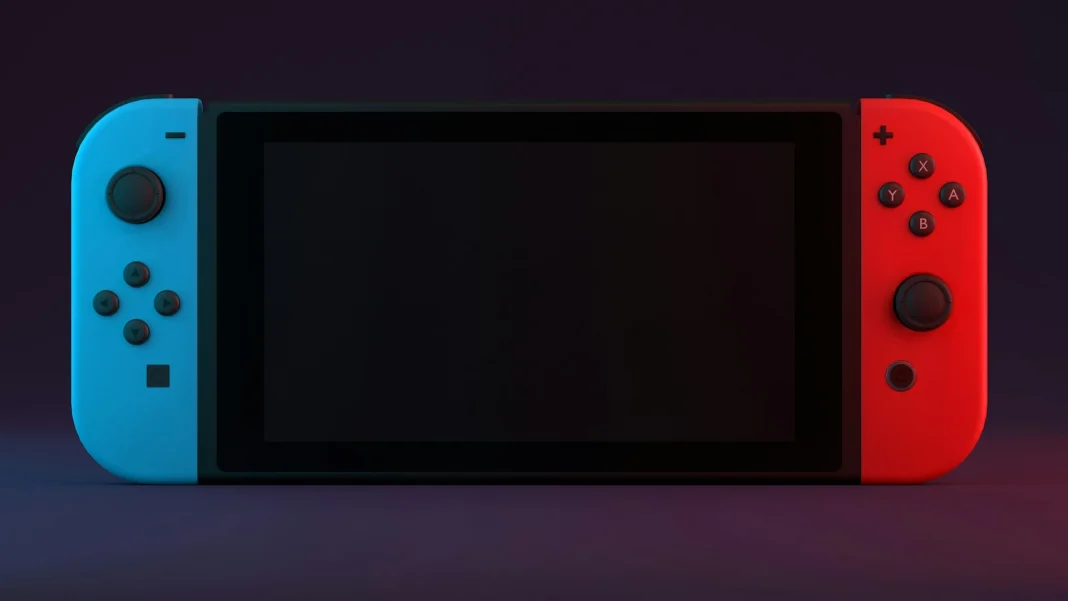
Nintendo has confirmed that the original Nintendo Switch will disappear from European retailers and the Nintendo Store in the coming months. The change comes almost ten years after the console first launched.
Why Nintendo Is Pulling the Switch From Europe
The decision is tied to new European Union battery rules. Nintendo explained that starting mid-February 2027, portable devices sold in the region must include a user-replaceable battery.
To meet this rule, Nintendo said in an official announcement that selected products will begin swapping to revised versions from summer 2026 onward. These revisions will roll out through autumn, winter, and into early 2027.
The catch: the original Nintendo Switch was never built with a replaceable battery in mind. Instead of redesigning nearly decade-old hardware, Nintendo has chosen to stop selling it in Europe altogether.
When Switch Sales Actually Stop
Nintendo’s statement laid out a clear timeline. From mid-February 2027, the company will no longer supply retailers with hardware from the Nintendo Switch family. That includes the original Switch, the Switch Lite, and the Switch OLED model.
Sales through the Nintendo Store will end at the same time. Nintendo noted that this milestone comes almost 10 years after the Switch first launched in March 2017.
Importantly, this doesn’t mean the console vanishes overnight. Nintendo confirmed that all three models will continue to be manufactured throughout 2026 and should remain widely available across Europe for the rest of the year.
Even once Nintendo stops supplying new stock, retailers will likely still have leftover inventory to sell through. Shoppers will also be able to pick up a Switch second-hand, the same way people still buy older consoles like the PS4 or Xbox One today.
This discontinuation is limited to Europe. Nintendo has not announced any plans to stop selling the Switch family in other regions, including North America and Japan.
The change reflects how new EU regulations are reshaping electronics sold in the region, pushing manufacturers toward repairable, user-serviceable designs rather than sealed batteries.