

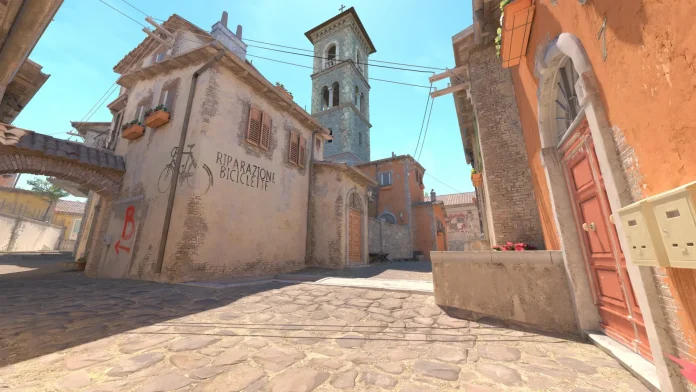
The pool of maps in Counter-Strike 2 has served as a revealing lens through which to look at Valve’s overall strategic direction on their flagship tactical shooter. While the firm has kept up a consistent rhythm of incremental updates and community-created map additions, the absence of dramatic new map content is far more noticeable and indicates a development philosophy that values stability and polish over expansive goals.
In this article, we will dig into Valve’s strategy and the reasons behind not releasing new maps in CS2.
The Conservative Approach to Map Development
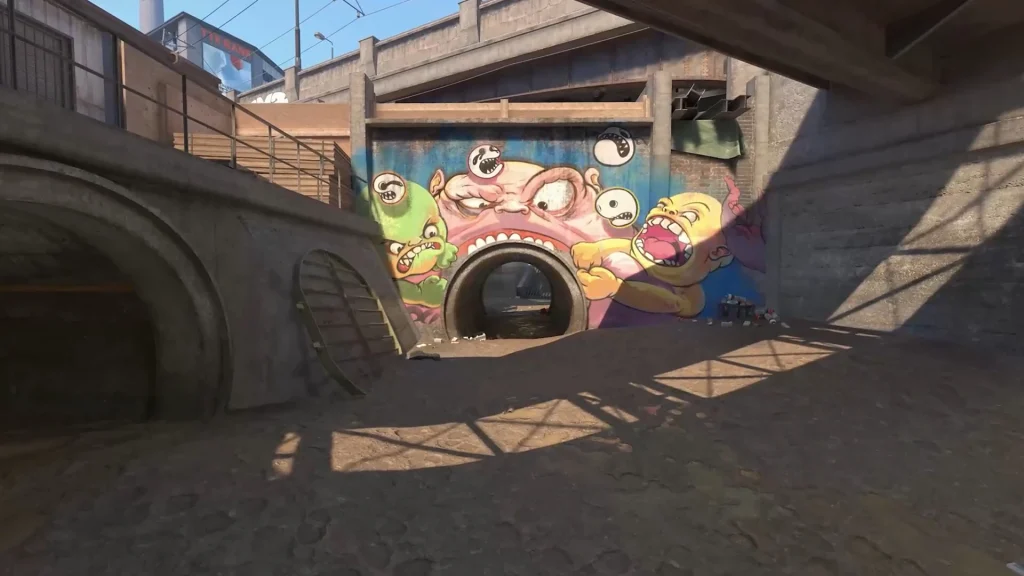
Valve’s approach to CS2’s map environment is an inherently conservative development philosophy that is diametrically opposite to the content-starved optimism of contemporary gaming communities. The existing Active Duty rotation of seven base maps that include recent revisions, such as Train’s back and Overpass replacing Anubis in July 2025, reflects prudent shepherding over aggressive additions. This strategy is even more significant when taking into account that CS2 was released with fewer maps than CS:GO had at its height, leaving old school enthusiasts pining for absent classics such as Cache, Lake, and Cobblestone.
The three-level method used by the company to update maps, classified as Touchstone, Upgrades, and Overhauls, signifies a technical strategy of utilizing the capabilities of the Source 2 engine instead of developing completely new tactical experiences. Maps such as Dust II and Mirage under Touchstone saw little updates other than some lighting enhancements, whereas Upgrades made use of new rendering systems, and Overhauls rebuilt older maps from scratch. This methodical strategy illustrates Valve’s dedication to technical sophistication but also implies a hesitancy to experiment with unexplored territorial design.
The steady reinstatement of legendary maps again serves to highlight this conservative ideology. Train’s restoration to Active Duty in early 2025, having undergone thorough rewrites and public testing via events such as BLAST Bounty 2025, is reflective of Valve’s cautious approach to content rollouts. Instead of hastily reinstating popular maps into competition, the business has opted for a careful, measured reintroduction that favors competitive balance over fan enjoyment.
Community Content
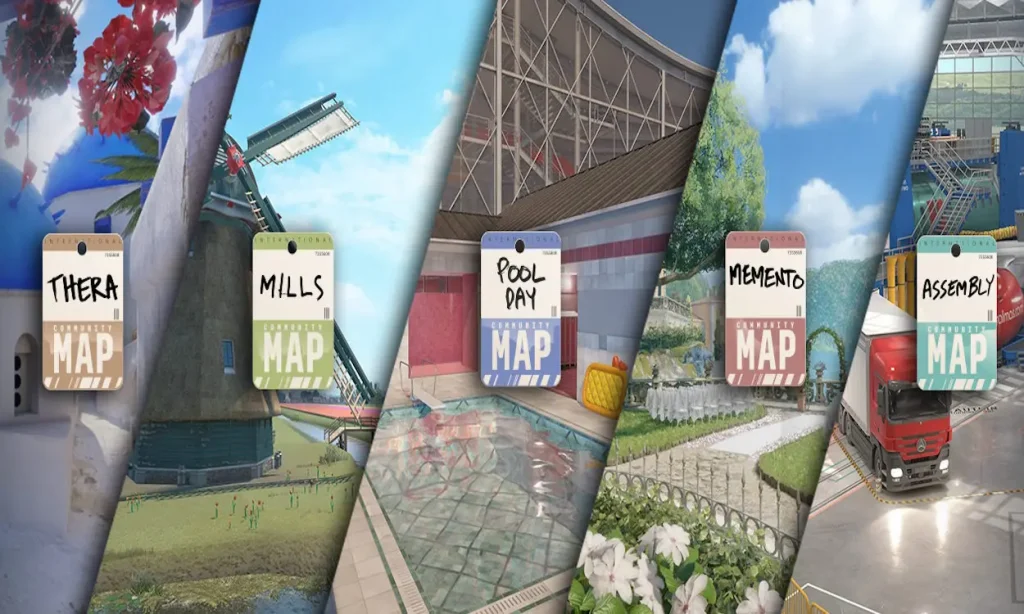
The fan reaction to Valve’s map policy demonstrates tremendous stress between corporate goals and consumer expectations. Numerous sources report broad disappointment at the rate of content release, with players complaining that CS2 debuted with considerably less content than the original game. The June 2024 fan backlash against the new map addition best illustrates this disappointment, as fans criticized Valve for adding community maps while refusing to correct basic game issues or releasing long-promised Operations.
Counter-Strike content creator Anomaly’s complaint that Valve “basically released no NEW content with the launch” is shared by larger community sentiment that CS2 is more of a technical update than an actual sequel. This is especially harmful to consider, as CS2 has entirely replaced CS:GO, so players could no longer access the familiar content they had been enjoying for years. The absence of fond maps, as well as the lack of game modes such as Danger Zone and Arms Race, has left a content gap that Valve has only just started to plug.
The outcry from the community for classic maps to come back, as reflected by content creators sharing nostalgic shots of Rialto, Lake, Austria, and Train, shows how much players feel attached to CS:GO’s overall map ecosystem. These cries demonstrate how map availability directly affects player activity and satisfaction, and thus how Valve’s reserved strategy is increasingly problematic in terms of community relations.
Technical Expertise vs. Creative Ambition
Valve’s map plan shows a company more concerned with technical excellence than innovative growth. The heavy labor that has gone into revising classic maps using Source 2’s capabilities, such as physically-based rendering, volumetric smoke interactions, and enhanced lighting systems, is an impressive technical accomplishment. But the emphasis on technical refinement as opposed to creative growth suggests a development team that prefers to hone established formulas rather than venture into new tactical horizons.
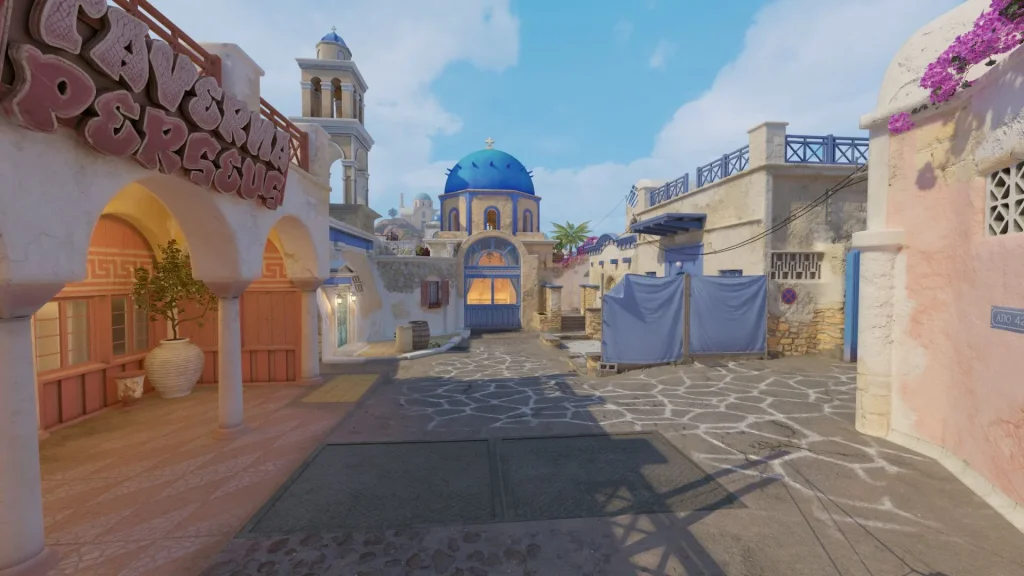
The firm’s strategy for integrating community maps also demonstrates this tension between technical standards and creative diversity. While Valve has incorporated community maps such as Mills, Thera, Assembly, and Memento into game modes, such as DOOM in the beta, these are commonly relegated to casual rotations instead of being updated and targeted for competitive play integration. This trend indicates that Valve considers community maps as add-on content rather than as possible pillars of the competitive experience.
The gradual release of map updates and patches also shows resource prioritization along the lines of stability instead of innovation. Frequent patches that resolve collision bugs, C4 stuck locations, and clipping bugs on several maps all illustrate Valve’s dedication to refining existing content. This detail-oriented focus is admirable, but it also shows development resources going toward maintenance instead of growth.
Strategic Implications for CS2’s Future
Valve’s conservative map plan is reflective of larger questions regarding the company’s long-term vision for Counter-Strike 2. In an October 2023 interview with PC Gamer, Valve developers went out of their way to say that in Year 1, they would be prioritizing “Player Needs” and getting the game right before adding new content such as skins, maps, modes, and weapons. This framework for priorities implies a company that is conscious of CS2’s bumpy launch and wants to get stability established before pushing ambitious expansion.
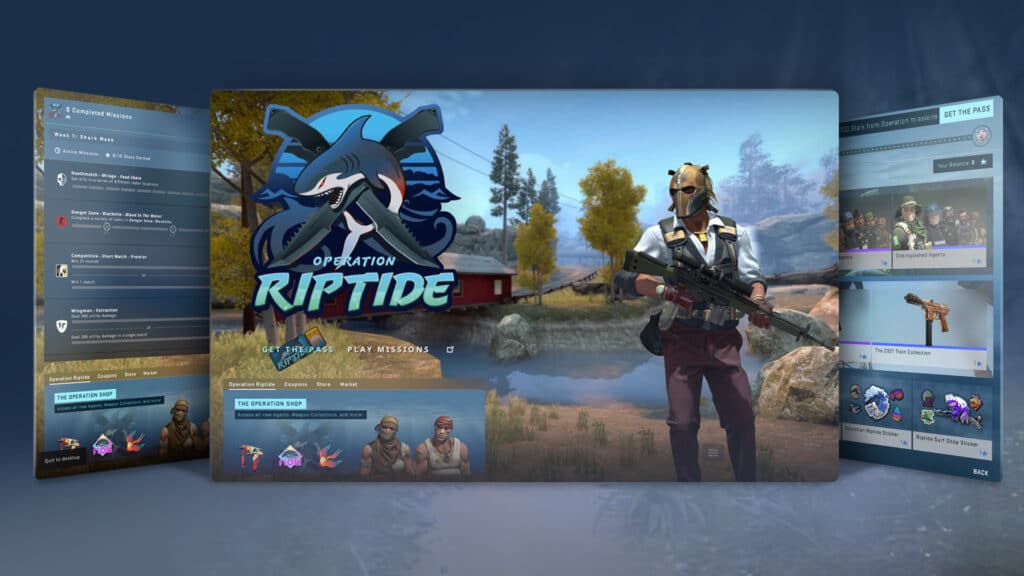
But this approach takes great risks in the competitive gaming environment today. While Valve is honing technical aspects, alternatives such as Valorant keep on publishing new maps and content packages that continue to keep their player bases interested and expanding. The three-year jump since Operation Riptide and the minimal launch content of CS2 have already given an impression of stagnation that might push players toward more support-intensive alternatives.
The state of the map pool also indicates Valve’s strategy for competitive balance over casual play. The seven-map Active Duty rotation is sufficient for professional tournaments and Premier mode, but provides no incentive for casual players wishing for new experiences. This laser-like emphasis on competitive balance, while suitable for esports, could drive away wider audiences interested in Counter-Strike as entertainment, not sport.
Verdict
Valve’s conservative methodology for CS2 map creation exposes a firm that puts technical quality and competitive equilibrium above community pressure for new content. Although this policy shows commendable dedication to excellence and game balance, it can also isolate long-time enthusiasts and miss out on Counter-Strike’s cultural zeitgeist.
Valve’s challenge is to find a middle ground for its systematic approach to game creation and the content needs of a contemporary gaming audience growing increasingly used to updated content and novel experiences.
Whether or not this conservative strategy will ultimately succeed rests in part on Valve’s capacity to speed up content delivery without sacrificing the quality standards that have made Counter-Strike a sustained esports presence.