

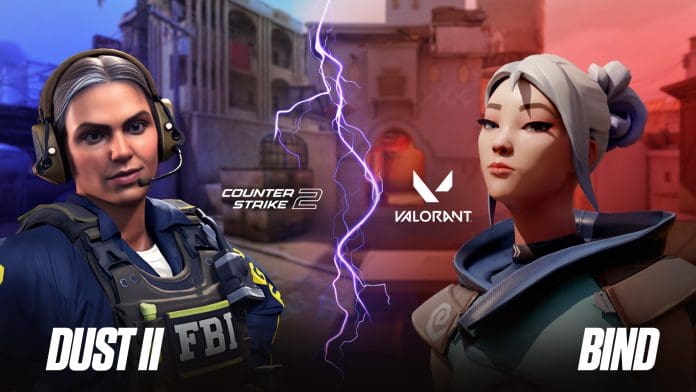
Since the dawn of online multiplayer video games, Counter-Strike has remained one of the most, if not the most, formidable forces in the world of competitive gaming. Originally released in 2000 as a mod for Valve’s Half-Life, CS has become a global phenomenon over the years, and still holds its head up high as one of the most played games in the world.
To say that Counter-Strike helped birth modern esports wouldn’t be far off from the truth. This isn’t to take away from other titles like DOTA, StarCraft, or Unreal Tournament, which certainly played their part in the upliftment of esports, but it’s pretty safe to say that no other video game to this day has had as big an effect in bringing esports to the mainstream as CS.
For nearly two decades, CS held a near-monopoly over the competitive FPS throne, and while several titles challenged its dominance, none even came remotely close to dethroning it – that is, until 2020, when Riot Games, the name behind prominent esports title League of Legends, unveiled its own entry into the genre: Valorant.
The Game That Built a Genre
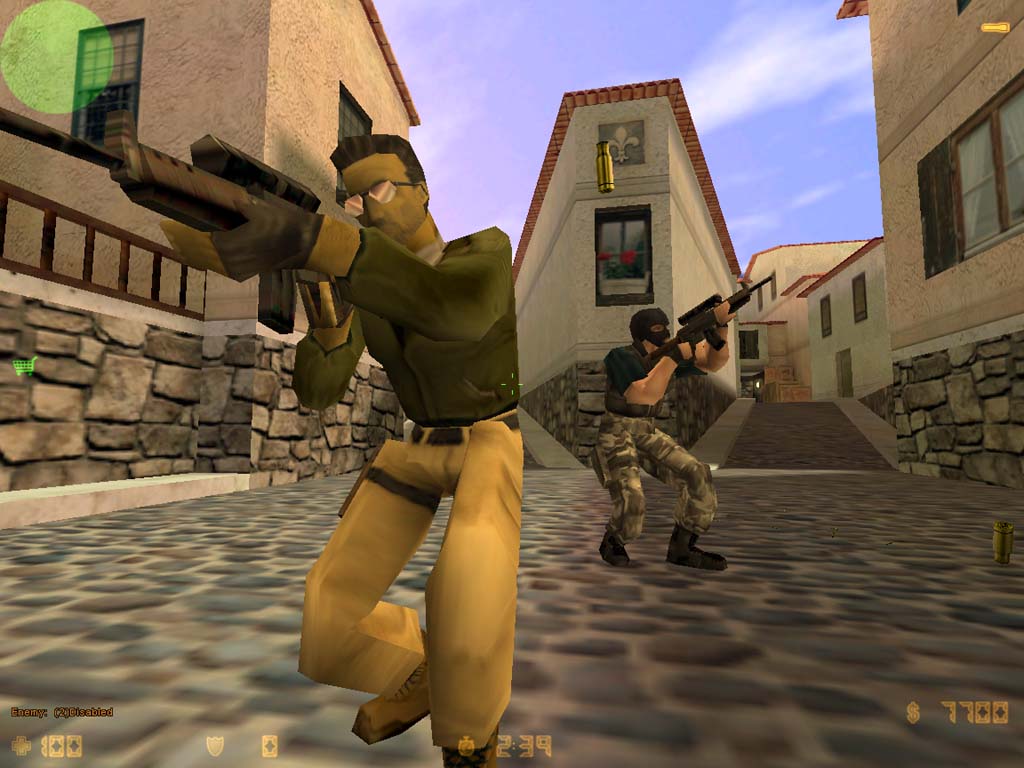
Back in the early days of gaming, video games weren’t seen as much more than a way to kill time. This mentality underwent a paradigm shift in the early 2000s, with titles like Halo, Call of Duty, and Warcraft III leading the charge in bringing multiplayer gaming to the mainstream.
Around that time, Counter-Strike 1.6 had already solidified its position as the face of competitive video gaming. The easy-to-learn, hard-to-master mechanics of the title made it an ideal choice for casual players and hardcore gamers alike. Almost every gaming café you walked into would have kids (and often adults) locked in endless gunfights between Ts and CTs on the virtual battlefields of Dust 2.
By the mid-2000s, the obsession surrounding CS 1.6 had reached a global scale. Thousands of community servers began to spring up, online forums dedicated to the game were being formed, and local tournaments were being set up at LAN cafés around the world.
Beyond its competitive appeal, Counter-Strike boasted a modding community that was second to none. Whether you were looking to unwind with Surf and Bhop maps after a long day at work, hang out with your friends playing minigames, or live out your post-apocalyptic dream (or nightmare) in Zombie Escape, the vast world of CS mods had something for every kind of gamer out there.
The Evolution of Counter-Strike
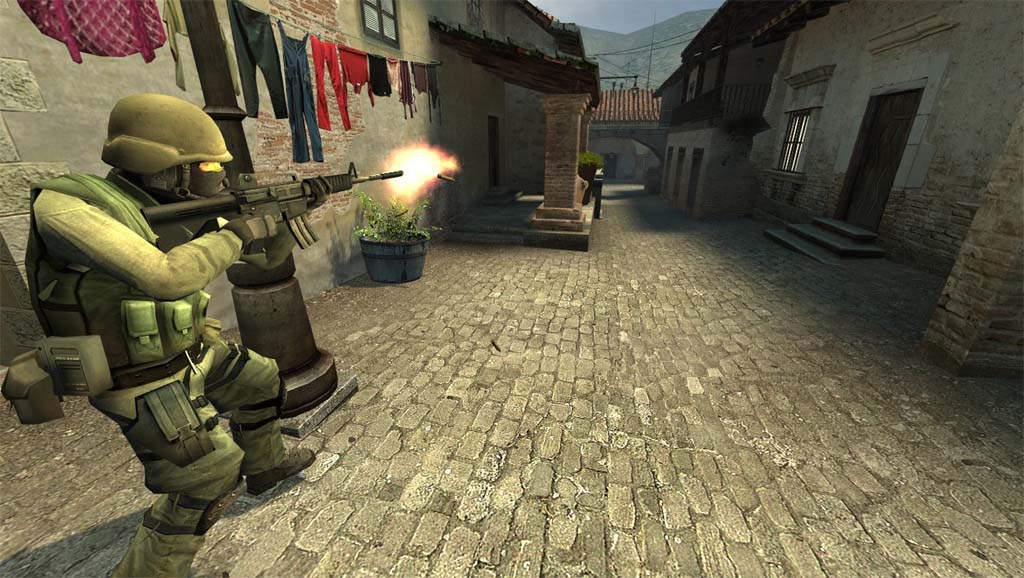
By the early 2010s, Counter-Strike’s popularity was reaching an all-time high, and Valve capitalized on the franchise’s growing momentum to launch Counter-Strike: Global Offensive in 2012.
Before that, Valve had experimented with a new CS version with the launch of Counter-Strike: Source in 2004. While CS:S was technically more advanced than its predecessor, the community still favored CS 1.6 due to a number of different reasons, ranging from “floaty,” less responsive movement to inconsistent hit registration and a lower skill ceiling.
While CS:GO was a giant leap forward for the Counter-Strike franchise in terms of visuals and accessibility, its launch was far from smooth. To an extent, CS:GO suffered from the same problems as CS:S at the time of its release. The gunplay felt clunky, movement was sluggish, hit registrations were inconsistent, and some weapons like the Tec-9 were wildly overpowered.
Fortunately, this time around, Valve was swift to address the community’s concerns. Less than a year after the initial launch of CS:GO, the devs shipped out the “Arms Deal” update, a game-changing patch that introduced weapon skins, opened the doors to the Steam Marketplace, and kickstarted a cosmetic economy that would redefine the entire genre.
From that point onward, CS:GO saw a meteoric rise in player count, fueled by hundreds of tournaments organized each year alongside Valve’s own Major events that pushed the game further into the global esports spotlight. The company then proceeded to put further resources into CS:GO to help boost its esports scene and continued to bring polish and new content to the game through a series of slow, yet consistent updates.
However, Valve’s tendency to move at its own pace gradually became a weakness, and Riot seized upon these gaps in communication, speed, and transparency to bring Valorant as an alternative to Counter-Strike.
Riot’s Strategic Entry: Capitalizing on Counter-Strike’s Shortcomings
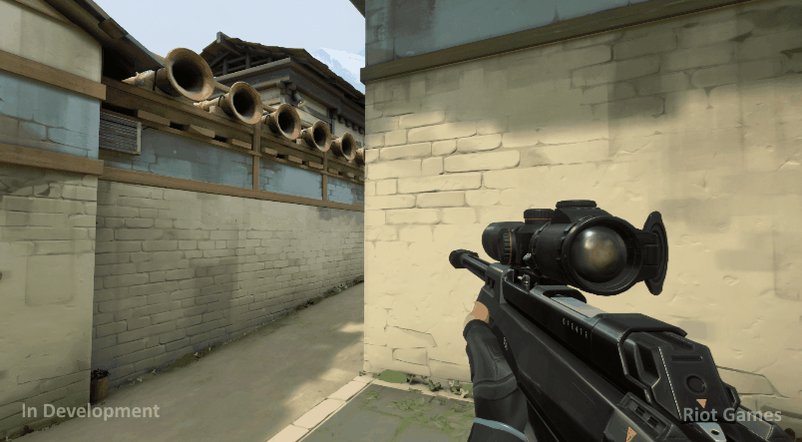
In March 2020, Riot Games took the world of competitive gaming by storm with the official announcement of Valorant. Previously codenamed Project A, Valorant positioned itself as a direct competitor to CS:GO, not just in gameplay, but also in its aspirations to dominate the FPS scene.
Around that time, while CS:GO was still the undisputed king of the competitive shooter genre, it was suffering from a number of persistent issues. The lack of new content, Valve’s inconsistent update schedule, a stagnant meta, and widespread frustration with the effectiveness of VAC (Valve Anti-Cheat) had begun to wear down even its most loyal players, creating the perfect window for a serious challenger to emerge.
Riot Games capitalized on this opportunity to unveil Project A to the global audience, promising 128-tick servers, a functioning anti-cheat system, and a commitment to competitive integrity that immediately caught the attention of CS:GO players.
The movement and gunplay of Valorant were inspired by CS:GO. Mechanics like counter-strafing, recoil control, bunny hopping, and peeking techniques, all of which were originally popularized by Counter-Strike, found their way into Valorant as well. However, Riot aimed to make Valorant more accessible to a broader audience by introducing a number of key tweaks.
While weapons still had defined recoil patterns, sprays were partially randomized, movement speed was reduced, counter-strafe timings were more forgiving, and while bunny hopping was easier to perform, it didn’t provide the player with an advantage whatsoever. As a result, Valorant had a much lower barrier to entry compared to CS:GO, making it an ideal choice for new players looking to get into the genre. At the same time, the introduction of Agent abilities ensured that the skill ceiling remained high enough to keep hardcore players engaged.
Valorant’s Marketing: Smart or Manipulative?
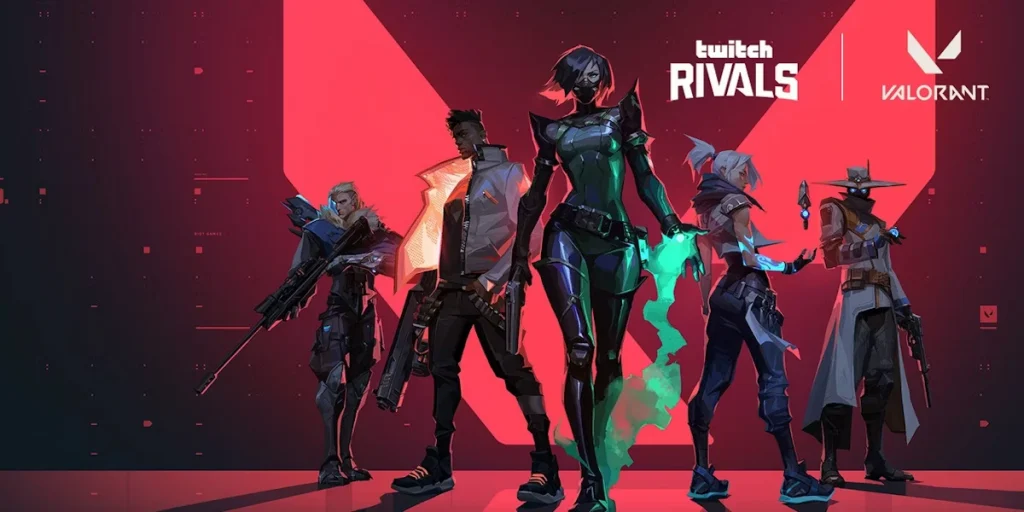
When Valorant’s closed beta launched in April 2020, Riot executed one of the most calculated and effective marketing campaigns competitive gaming had ever seen. But it wasn’t without a manipulative edge, and seemed to be engineered to exploit curiosity and turn beta access into a psychological game of desperation.
For the uninitiated, the only way for gamers to gain access to the Valorant closed beta was through Twitch drops. But unlike most modern-day Twitch campaigns, where viewers receive rewards after watching for a set amount of time, Valorant’s drops were entirely random. This meant some viewers would find themselves spending dozens or even hundreds of hours watching Valorant streams without ever receiving a key.
The hype surrounding Valorant’s beta key drops eventually led to widespread exploitation of the system. Twitch streams began to be flooded with idle viewers, bots, and alt accounts, all farming for drops. Meanwhile, content creators started looping drop-enabled VODs 24/7 in attempts to rack up massive viewership numbers without actually being live. This continued to the point that Twitch itself had to step in and update its community guidelines to prevent exploits like these from taking place.
While this marketing approach was, without a doubt, controversial, it was also extremely effective. Viewership for Valorant skyrocketed overnight, and it almost cemented its position at the top of Twitch. The Twitch category for Valorant was regularly surpassing millions of concurrent viewers, and although not everyone was watching for gameplay, the desperation for farming beta keys ultimately aided in bringing Riot’s new tactical FPS into the mainstream spotlight before its actual launch.
Building a New Culture from Day One

Fuelled by its incredibly successful marketing campaign, the launch of Valorant on June 4, 2020, was nothing short of explosive. Players from around the world started tuning into the title to check out what the hype was all about, and most welcomed the fresh change of pace compared to the more established titles in the genre.
Alongside making Valorant more accessible for players, it was also evident that Riot had placed strong emphasis on the game’s aesthetics. Its vibrant art style, colorful skins, lore, and world-building clearly stood out from Counter-Strike’s grounded, utilitarian design. This unique visual identity helped Valorant appeal to a younger and broader audience while also providing Riot with the creative freedom to introduce monetization in ways that felt on par with the game’s universe.
Riot Games also kickstarted Valorant’s esports scene with grassroots tournaments including the Ignition series and First Strike, with the inaugural season of the franchise-based Valorant Champions Tour (VCT) starting shortly afterward.
As a result, pro players from other shooters like CS:GO, Overwatch, and Apex Legends began migrating to Valorant in hopes of building a fresh competitive career. For many T2 and T3 pros, this was a rare chance to start from scratch on an esports-ready title that was backed by a developer with a proven track record.
Rival, Not a Replacement
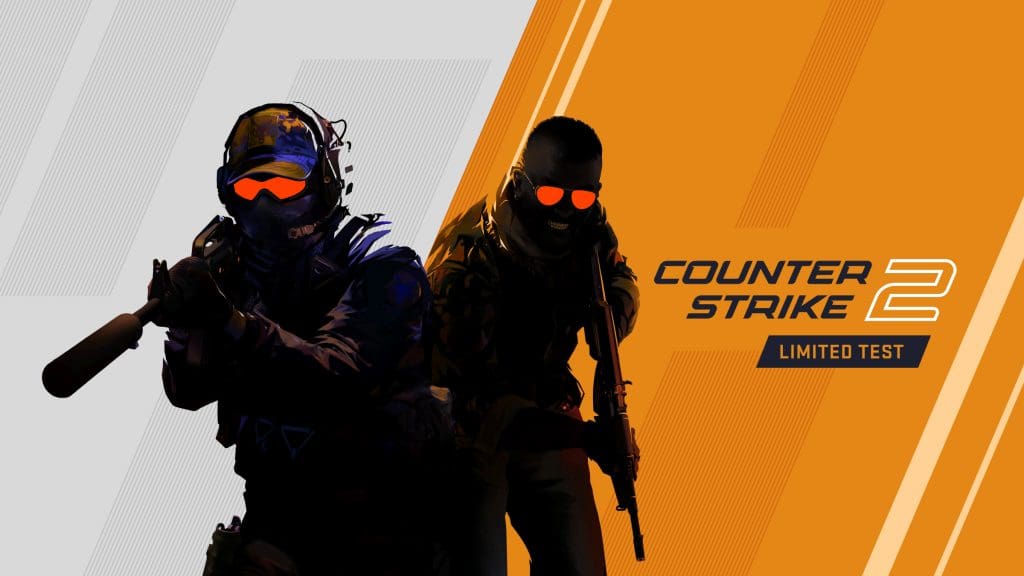
When the dust settled and the initial hype had somewhat faded, Valorant established its position as a competent rival to Counter-Strike.
While some former CS:GO pros chose to switch for good, a good portion of the community just opted to play both games. Over time, the player base became increasingly regionally divided, with CS maintaining its dominance in Europe and South America, while Valorant surged in popularity across North America, South Korea, and parts of Southeast Asia.
The difference in audience between the two games also became increasingly apparent. While CS continued to attract more hardcore gamers due to its realistic gameplay elements and steep skill ceiling, Valorant appealed to a broader demographic with its stylized visuals, hero-based abilities, and beginner-friendliness.
Many believe that the addition of Valorant to the competitive landscape was a healthy change for the genre, as it finally pushed Valve to re-engage with the Counter-Strike community, accelerate updates, and eventually lay the groundwork for the release of Counter-Strike 2.
Why Valorant Succeeded Where Others Failed
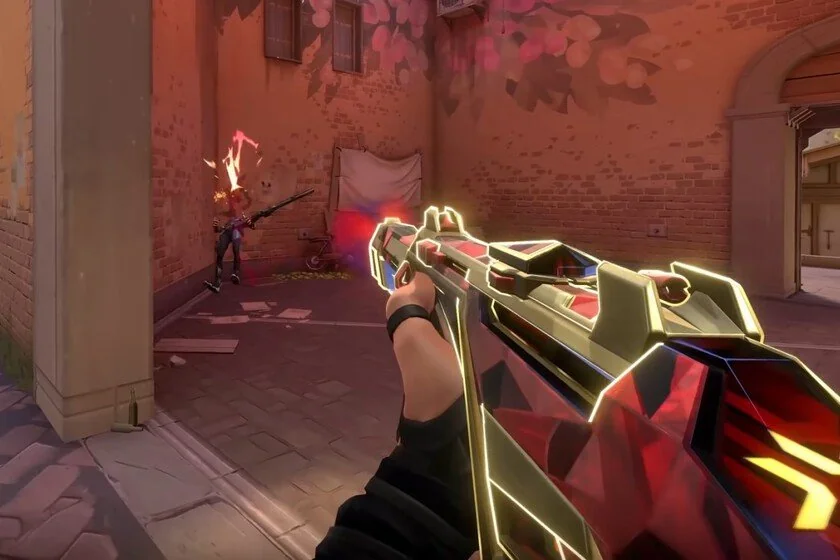
So, what exactly made the difference? How did Valorant succeed in competing with CS, where several other seemingly “esports-ready” titles failed?
Instead of treating Valorant’s launch as just another game release, Riot Games treated it like a community event.
Rallying behind major content creator partnerships and a brilliantly executed marketing campaign, Valorant’s debut was undoubtedly one of the biggest multiplayer game launches in modern gaming history.
Additionally, the smart blend of familiar elements of CS with new and innovative Agent abilities became an instant hit among casual and hardcore gamers alike. Taking measures to address toxicity and creating a streamer-friendly environment further elevated Valorant’s popularity amidst Counter-Strike’s longstanding dominance in the genre.
Verdict
Valorant didn’t manage to “kill” Counter-Strike, far from it. What Valorant did instead was force evolution.
By capitalizing on Counter-Strike’s shortcomings and offering improvements upon a formula that was already working, Riot offered an alternative that appealed to gamers across different genres.
Counter-Strike, on the other hand, had to adapt to the circumstances. The launch of Valorant pushed Valve to address the community’s concerns regarding CS, introduce new content to a game that was growing stale, enhance its anti-cheat system, and ultimately release Counter-Strike 2.
Interestingly, despite the competition from Valorant, CS2 still stands tall as the most-played tactical shooter in the world, as per data from activeplayer.io.
At the end of the day, Valorant didn’t manage to dethrone Counter-Strike, but it did live to tell the tale. Over the past few years, it has cemented its place in the competitive FPS landscape, not as a clone, but as a rival that helped redefine the genre itself.