The Steam Autumn Sale 2026 has some of the best co-op games on PC at their lowest prices of the year. Deep Rock Galactic is $8.99, The Forest is $4.19 and Warhammer 40,000: Space Marine 2 is $14.99. The sale ends on October 8.
Below are the best co-op games on sale in the Steam Autumn Sale 2026, sorted by group size and budget. All prices are in US dollars. Prices in other countries use Steam’s regional pricing.
Best co-op games on sale: quick list
Game
Sale price
Discount
Max co-op players
Co-op type
Tom Clancy’s The Division 2
$2.99
90%
4
Online
Grim Dawn
$3.74
85%
4
Online
Monster Hunter Rise
$3.99
90%
4
Online
The Forest
$4.19
79%
8
Online
Terraria
$4.99
50%
8 (more on servers)
Online
Dead Island 2
$4.99
90%
3
Online
Euro Truck Simulator 2
$4.99
75%
8 (Convoy mode)
Online
Overcooked! 2
$6.24
75%
4
Online and local
World War Z
$7.49
75%
4
Online
Risk of Rain 2
$8.24
67%
4
Online
Sons of the Forest
$8.69
71%
8
Online
Deep Rock Galactic
$8.99
70%
4
Online
Minecraft Dungeons
$9.99
50%
4
Online and local
Warhammer 40,000: Darktide
$9.99
75%
4
Online
Fallout 76
$9.99
75%
4 per team
Online
Warhammer 40,000: Space Marine 2
$14.99
75%
3
Online
ARC Raiders
$19.99
50%
3 per squad
Online
Ready or Not
$24.99
50%
5
Online
Best co-op games for 2 or 3 players
Warhammer 40,000: Space Marine 2 ($14.99, 75% off) A third-person action shooter. You can play the full campaign in three-player co-op, along with separate Operations missions.
Dead Island 2 ($4.99, 90% off) A first-person zombie action game set in Los Angeles. Up to three players can play the campaign together.
ARC Raiders ($19.99, 50% off) An online extraction shooter where squads of up to three players go into a hostile area to collect loot and get out.
Best co-op games for 4 players
Deep Rock Galactic ($8.99, 70% off) A first-person co-op shooter. Teams of up to four dwarves mine caves and fight alien swarms. Each player picks one of four classes.
Risk of Rain 2 ($8.24, 67% off) A third-person roguelike shooter. Up to four players pick up items and power up their characters as each run gets harder.
Warhammer 40,000: Darktide ($9.99, 75% off) A first-person co-op action game set in the Warhammer 40,000 universe. Four players fight through missions against large enemy hordes.
World War Z ($7.49, 75% off) A third-person zombie shooter for four players, known for its huge zombie hordes.
Tom Clancy’s The Division 2 ($2.99, 90% off) An online looter shooter set in Washington, D.C. Up to four players can team up for missions, and raids support larger groups.
Monster Hunter Rise ($3.99, 90% off) An action RPG where up to four hunters team up to track and fight large monsters.
Overcooked! 2 ($6.24, 75% off) A chaotic cooking game for up to four players. It supports both local and online co-op, making it the best party pick on this list.
Minecraft Dungeons ($9.99, 50% off) A dungeon crawler set in the Minecraft world. Four players can play together online or on the same screen.
Best co-op games for big groups (5 to 8 players)
The Forest ($4.19, 79% off) and Sons of the Forest ($8.69, 71% off) Both are survival horror games where up to eight players build shelters, gather resources and survive. If your group is new to the series, start with The Forest.
Terraria ($4.99, 50% off) A 2D sandbox adventure game with building, exploring and boss fights. It supports large groups online, and dedicated servers can host even more players.
Euro Truck Simulator 2 ($4.99, 75% off) A truck driving simulator. Its Convoy mode lets up to eight players drive and deliver cargo together on the same map.
Ready or Not ($24.99, 50% off) A tactical first-person shooter about police SWAT operations. Up to five players can plan and run missions together.
Best co-op games under $5
If your whole group needs to buy the same game, a lower price makes a big difference. These co-op games cost under $5 each:
Gift the game. Click the arrow next to “Add to Cart” on a game’s store page and choose “Buy as a gift”. Your friend gets it at the sale price.
Look for multi-packs. Some co-op games, such as Deep Rock Galactic, have often sold 2-packs or 4-packs at a lower price per copy. Check the store page for bundle options.
Check the price history.SteamDB shows if the sale price is the lowest ever.
Use Steam Remote Play Together. Games with local co-op, such as Overcooked! 2, can be played online with friends who do not own the game, through Steam’s Remote Play Together feature.
Prices in this list come from the Steam store and sale roundups by KeenGamer and GameSpot.
Steam Autumn Sale co-op FAQ
What is the best co-op game on sale in the Steam Autumn Sale 2026? Deep Rock Galactic at $8.99 is one of the most popular four-player co-op games on Steam. For larger groups, The Forest at $4.19 supports up to eight players.
What is the cheapest co-op game in the sale? Tom Clancy’s The Division 2 is $2.99, down 90%.
Which games have local couch co-op? Overcooked! 2 and Minecraft Dungeons both support local co-op on one PC.
Can I buy a game as a gift at the sale price? Yes. Gifts are charged at the current sale price.
When does the Steam Autumn Sale 2026 end? October 8, 2026.
The Steam Autumn Sale 2026 runs until October 8, and thousands of PC games are discounted. Red Dead Redemption 2 is $14.99, Hogwarts Legacy is $5.99 and Skyrim Special Edition is $3.99. Some games are down by as much as 95%.
We sorted the best Steam Autumn Sale 2026 deals by budget: under $5, under $10 and under $20. All prices are in US dollars from the Steam store. Prices in the UK, Europe, Canada and Australia are in local currency, but the discount percentages are usually the same.
Best Steam Autumn Sale 2026 games under $5
Game
Sale price
Regular price
Discount
Mirror’s Edge Catalyst
$0.99
$19.99
95%
Getting Over It with Bennett Foddy
$1.19
$7.99
85%
Death’s Door
$1.99
$19.99
90%
Watch Dogs 2
$2.49
$49.99
95%
Ori and the Will of the Wisps
$2.99
$29.99
90%
Metro Exodus
$2.99
$29.99
90%
The Talos Principle 2
$2.99
$29.99
90%
Tom Clancy’s The Division 2
$2.99
$29.99
90%
For Honor
$2.99
$29.99
90%
Solasta: Crown of the Magister
$2.99
$29.99
90%
Grim Dawn
$3.74
$24.99
85%
The Elder Scrolls V: Skyrim Special Edition
$3.99
$39.99
90%
Monster Hunter Rise
$3.99
$39.99
90%
Detroit: Become Human
$3.99
$39.99
90%
CrossCode
$3.99
$19.99
80%
The Forest
$4.19
$19.99
79%
Terraria
$4.99
$9.99
50%
Dead Island 2
$4.99
$49.99
90%
Euro Truck Simulator 2
$4.99
$19.99
75%
Hyper Light Drifter
$4.99
$19.99
75%
Mirror’s Edge Catalyst at $0.99 is the cheapest game on this list. Watch Dogs 2, at 95% off, has the biggest discount of any big-budget game in the sale. If you want co-op on a small budget, The Forest, Terraria and Tom Clancy’s The Division 2 all support multiplayer.
Best Steam Autumn Sale 2026 games under $10
Game
Sale price
Regular price
Discount
Hogwarts Legacy
$5.99
$59.99
90%
Grand Theft Auto IV: Complete Edition
$5.99
$19.99
70%
Hades
$6.24
$24.99
75%
Overcooked! 2
$6.24
$24.99
75%
Subnautica
$7.49
$29.99
75%
Devil May Cry 5
$7.49
$29.99
75%
Risk of Rain 2
$8.24
$24.99
67%
Sons of the Forest
$8.69
$29.99
71%
Deep Rock Galactic
$8.99
$29.99
70%
Total War: Warhammer III
$8.99
$59.99
85%
Final Fantasy VII Remake Intergrade
$9.99
$39.99
75%
Mortal Kombat 1
$9.99
$49.99
80%
Death Stranding Director’s Cut
$9.99
$39.99
75%
Dave the Diver
$9.99
$19.99
50%
Warhammer 40,000: Darktide
$9.99
$39.99
75%
Hogwarts Legacy at 90% off is the largest discount on a recent major release in this price range. Fans waiting for GTA 6 can pick up GTA IV: Complete Edition for $5.99. Rockstar shared more about its next game during the GTA 6 extended look on Netflix.
Best Steam Autumn Sale 2026 games under $20
Game
Sale price
Regular price
Discount
Red Dead Redemption 2
$14.99
$59.99
75%
Final Fantasy VII Rebirth
$14.99
$49.99
70%
Warhammer 40,000: Space Marine 2
$14.99
$59.99
75%
Warhammer 40,000: Rogue Trader
$14.99
$49.99
70%
Street Fighter 6
$15.99
$39.99
60%
Cyberpunk 2077
$17.99
$59.99
70%
Persona 5 Royal
$17.99
$59.99
70%
Persona 3 Reload
$17.99
$59.99
70%
Star Wars Outlaws
$17.49
$69.99
75%
ARC Raiders
$19.99
$39.99
50%
Final Fantasy XVI
$19.99
$49.99
60%
Dark Souls Remastered
$19.99
$39.99
50%
For competitive players, Street Fighter 6 at $15.99 is the lowest-priced current fighting game in the sale. Mortal Kombat 1 is in the under-$10 list. ARC Raiders, an online extraction shooter, is half price at $19.99.
Best big-name deals over $20
These games cost more than $20 even on sale, but they have some of the largest cuts on 2025 and 2026 releases.
Game
Sale price
Regular price
Discount
Kingdom Come: Deliverance II
$23.99
$59.99
60%
DOOM: The Dark Ages
$24.99
$49.99
50%
Dune: Awakening
$24.99
$49.99
50%
Assassin’s Creed Shadows
$27.99
$69.99
60%
Metaphor: ReFantazio
$27.99
$69.99
60%
Resident Evil Requiem
$48.99
$69.99
30%
Death Stranding 2: On the Beach
$55.99
$69.99
20%
How to get the best price in the Steam Autumn Sale
Check the price history.SteamDB shows if a sale price is the lowest a game has ever been.
Look for bundles. Some games are cheaper as part of a bundle, and Steam lowers the bundle price for games you already own.
Check your local price. Steam uses regional pricing, so the price in GBP, EUR, CAD or AUD may be cheaper or more expensive than the US price converted to your currency.
Buy before it ends. Discounts finish when the sale ends. Our guide to when the Steam Autumn Sale 2026 ends has the exact time for the US, UK, Europe and Asia.
What is the cheapest good game in the Steam Autumn Sale 2026? Mirror’s Edge Catalyst is $0.99, down 95%. Getting Over It with Bennett Foddy is $1.19.
Is Red Dead Redemption 2 on sale on Steam? Yes. It is $14.99, 75% off its regular $59.99 price.
Is Cyberpunk 2077 on sale? Yes. Cyberpunk 2077 is $17.99, down 70%.
Are Steam prices the same in the UK and Europe? No. Steam uses regional pricing in local currencies, but the discount percentages are usually the same.
When does the Steam Autumn Sale 2026 end? October 8, 2026.
The Steam Autumn Sale 2026 ends on Thursday, October 8, 2026. Steam sales usually end at 10 a.m. Pacific Time. That is 1 p.m. ET, 6 p.m. in the UK and 10:30 p.m. in India. Once the sale ends, prices go back to normal right away.
The sale started on October 1 and lasts one week. Here is the end time in every major time zone, and what to do before it finishes.
Steam Autumn Sale 2026 end time by region
Region
Time zone
End time
US West Coast
PT (PDT)
10:00 AM, October 8
US East Coast
ET (EDT)
1:00 PM, October 8
Brazil
BRT
2:00 PM, October 8
UK
BST
6:00 PM, October 8
Central Europe
CEST
7:00 PM, October 8
India
IST
10:30 PM, October 8
Philippines and Singapore
PHT / SGT
1:00 AM, October 9
Japan
JST
2:00 AM, October 9
Australia (Sydney)
AEDT
4:00 AM, October 9
In Asia and Australia, the sale ends early on the morning of October 9 local time. If you live there, finish your purchases by the night of October 8.
Thousands of games are discounted. Based on SteamDB data, about 2,105 games cost $5 or less during the sale, PC Gamer reported. Steam’s own price filter shows a smaller number, 1,243 games at that price.
The sale also has stickers you can earn and new items in the Steam Points Shop.
What to do before the sale ends
Check your wishlist. Steam emails you when a wishlisted game is discounted. Check your wishlist page to see every discounted game in one place.
Compare prices on SteamDB.SteamDB’s sale tracker shows whether a discount is a game’s lowest price ever.
Use your Steam Points. The Points Shop items are cosmetic. Spending points does not affect game prices.
Buy before the deadline. A game left in your cart does not keep its sale price. If you haven’t paid by 10 a.m. PT on October 8, you pay the full price.
Does the Steam Autumn Sale get extended?
Steam does not usually extend its seasonal sales. Some publishers run their own discounts after a sale ends, but most sale prices go back to normal at the end time.
When is the next Steam sale after the Autumn Sale?
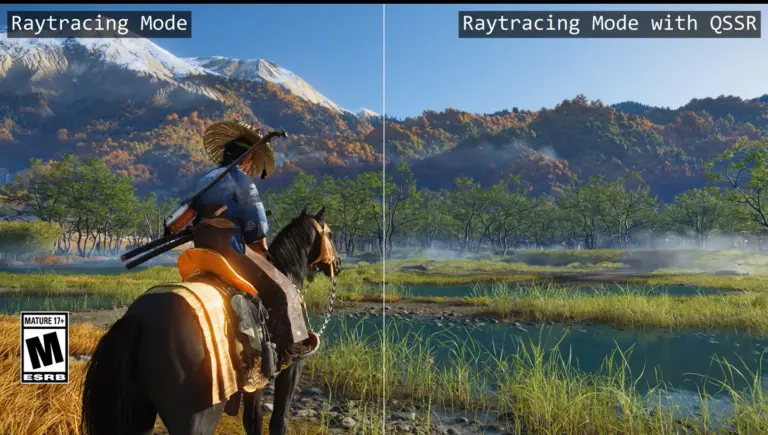
Two PS5 games support QSSR right now: Marvel’s Wolverine and Ghost of Yōtei. Both got QSSR patches on October 1, 2026, the day Sony announced the feature. In each game, QSSR is an optional graphics setting that works on the standard PS5. You do not need a PS5 Pro.
This page lists every game with QSSR support and explains how to turn it on. We will add new games as developers patch them in.
What is QSSR?
QSSR stands for Quick Spectral Super Resolution. It is Sony’s AI upscaling for the standard PS5. Games render at a lower resolution, and QSSR rebuilds a sharper, more stable image for your screen.
It is a lighter version of PSSR, the upscaler that launched with the PS5 Pro. Sony built it with AMD as part of their Project Amethyst partnership. Our full breakdown of QSSR on the base PS5 covers the announcement in more detail.
QSSR supported games list
Game
Developer
QSSR added
How it’s offered
Marvel’s Wolverine
Insomniac Games
October 1, 2026 (patch)
Optional graphics setting
Ghost of Yōtei
Sucker Punch Productions
October 1, 2026 (patch)
Optional graphics setting
Sony says QSSR will be “made broadly available to all PlayStation developers,” according to Unite.AI’s report on the announcement. That means third-party games can add it too, not just Sony’s own studios. No other games have been confirmed yet.
How to turn on QSSR on PS5
Update the game. Make sure Marvel’s Wolverine or Ghost of Yōtei has the latest patch installed. Go to the game in your library, press the Options button and choose “Check for Update”.
Open the game’s settings. Start the game and go to the graphics or display settings.
Select QSSR. Choose the QSSR option in the upscaling or image quality settings.
Check the result. Fine detail, like hair, foliage and city signs, should look clearer and flicker less when you move the camera.
QSSR is a setting inside each game, not a system setting on the PS5. You have to turn it on separately in every game that supports it.
What QSSR changes in each game
The two developers described the improvements differently.
Game
What the developer said
Marvel’s Wolverine
Insomniac’s Mike Fitzgerald said QSSR adds “pixel-level clarity and stability,” especially in dense urban areas
Ghost of Yōtei
Sucker Punch’s Jasmin Patry said it is good “at resolving fine details” with “temporal stability that hasn’t been possible on the PS5 console until now”
Digital Foundry called the results “remarkable,” VGC reported. It noted better temporal stability, more detail and fewer artifacts. The difference was bigger in Marvel’s Wolverine than in Ghost of Yōtei, which already had strong image quality.
QSSR vs PSSR: which consoles get what
QSSR
PSSR
Full name
Quick Spectral Super Resolution
PlayStation Spectral Super Resolution
Console
Standard PS5
PS5 Pro
Design
Smaller neural network tuned for PS5
Full version using the Pro’s ML hardware
Image quality
Lower than PSSR
Sony calls it “the gold standard”
First available
October 2026
November 2024
If you own a PS5 Pro, PSSR is still the higher-quality option. QSSR is for owners of the standard PS5.
Sony’s upscaling timeline
Date
Update
November 2024
PSSR launches with the PS5 Pro
February 2026
Upgraded PSSR released for PS5 Pro
March 2026
Mark Cerny says a frame generation feature will come to PlayStation “at some point,” but not in 2026
October 1, 2026
QSSR announced for the standard PS5, with Marvel’s Wolverine and Ghost of Yōtei patched the same day
In a March interview, Mark Cerny, the PS5’s lead system architect, said Sony and AMD are working on a frame generation library based on FSR Frame Generation. “All I can say is that we have no more releases planned for this year,” Cerny said, according to TechRadar.
Will more games get QSSR?
Sony plans to offer QSSR to all PlayStation developers. It has not named any other games yet. Sony also hasn’t said whether big upcoming PS5 releases, such as GTA 6, will use QSSR.
QSSR FAQ
Which games support QSSR? Marvel’s Wolverine and Ghost of Yōtei are the only confirmed games so far.
Do I need a PS5 Pro for QSSR? No. QSSR is made for the standard PS5. The PS5 Pro uses PSSR instead.
Is QSSR on by default? No. It is an optional graphics setting that you turn on inside each supported game.
Is QSSR better than PSSR? No. Sony calls PSSR “the gold standard.” QSSR is a lighter version built to run on the standard PS5.
Will QSSR come to more games? Sony says it will be made available to all PlayStation developers, so more games are expected to add it.
EA Sports FC 27 players say unexpected duplicate cards are appearing in Ultimate Team, prompting concerns about their accounts. Some have asked EA whether the unexplained items could leave them facing penalties, even though they say they did nothing to create them.
TalkEsport reviewed player reports on EA’s forums, a community manager’s replies and a publicly uploaded item-data file. EA has requested evidence to investigate the reports, but its responses do not establish what caused the items to appear. TalkEsport has not independently reproduced the reported behaviour.
What FC 27 players are reporting
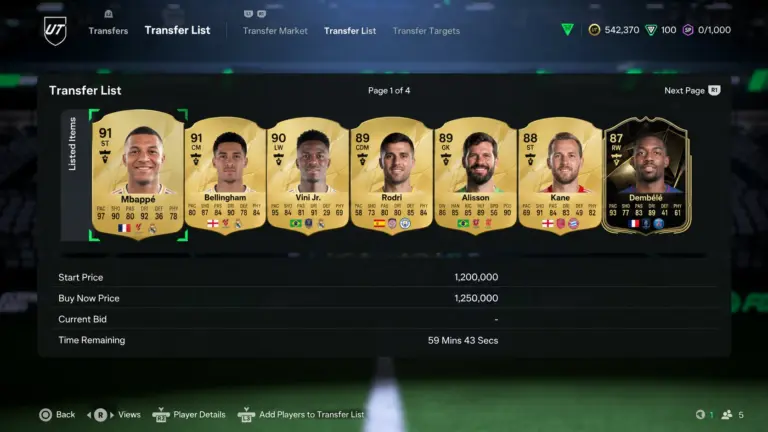
In an Ultimate Team duplication report, PC player Rampage_A7X described finding additional cards after relisting expired items. They said the unexpected versions carried First Owner status, despite involving players they had previously bought.
The player claimed both versions could be sold and that the extra items eventually pushed their transfer list beyond its capacity. Another participant, WoYaoOuDaKa, reported a list showing 108 items against a 100-item limit. However, that player said the unexpected cards could not be sent back to their club, illustrating differences between the accounts.
In a follow-up, Rampage_A7X reported at least 20 apparent duplicates and said the items appeared across the game, Web App and Companion App. Those remain player-reported observations; a shared symptom does not establish that every account has the same underlying problem.
“We’ll review the reports with the team and pass along the information provided here.”
EA_Pulsar, EA community manager
A subsequent request sought affected item details, platforms and screenshots, including whether the cards showed First Owner status. The replies reviewed by TalkEsport contain no confirmed cause, fix date or specific instructions for handling the unexpected items.
What the uploaded item data shows
Rampage_A7X also uploaded a file they described as data collected from the Web App’s network requests. TalkEsport inspected the publicly attached item records, which contain five entries with different item IDs.
Each entry contains an owners value of 1 and an untradeable value of false. Those fields are consistent with the account’s description of tradeable, first-owner items. However, the uploaded file does not show their full acquisition histories or establish that the game created unauthorised copies.
The five records concern different player assets; they do not provide matching original-and-duplicate pairs for comparison. That limits what can be concluded from the attachment alone. Confirming the origin of each item would require additional evidence, such as EA’s transaction records or a verified recording of the behaviour.
Why the FUT Gallery needs careful interpretation
FC 27’s new collection system adds another distinction. EA’s official Ultimate Team deep dive explains that the FUT Gallery keeps records of eligible items passing through a club. Cards can continue contributing to Gallery Sets after a player sells them or submits them into a Squad Building Challenge.
Consequently, seeing an old card in the Gallery does not itself demonstrate that a usable copy has returned. The behaviour requiring investigation is an additional item becoming available in the club or on the transfer list. Distinguishing those cases matters before treating screenshots as evidence of an economic exploit.
The transfer system has particular relevance this year. As outlined in TalkEsport’s coverage of the FC 27 launch update, EA announced a larger share of tradeable rewards across Ultimate Team. Its stated aim is to give players more flexibility when improving their squads through the Transfer Market.
The ban concern remains unanswered
EA’s published FC rules prohibit exploiting bugs and list potential sanctions including Coin removal, Transfer Market restrictions and account bans. However, those general rules do not establish how EA will handle items that allegedly appeared without deliberate player action.
The available evidence does not establish a ban wave linked to these reports. Nor does it justify assuming that every unexpected card represents misconduct. Players noticing unexplained items can preserve screenshots and item details, then report the circumstances through EA’s official support channels before attempting to profit from them.
A clear explanation would help players distinguish ordinary account activity from an item error and understand how to proceed. For affected players, guidance on handling the unexpected cards matters alongside any technical investigation. Their reports leave questions about the items’ origin and account consequences that EA’s public replies have yet to answer.
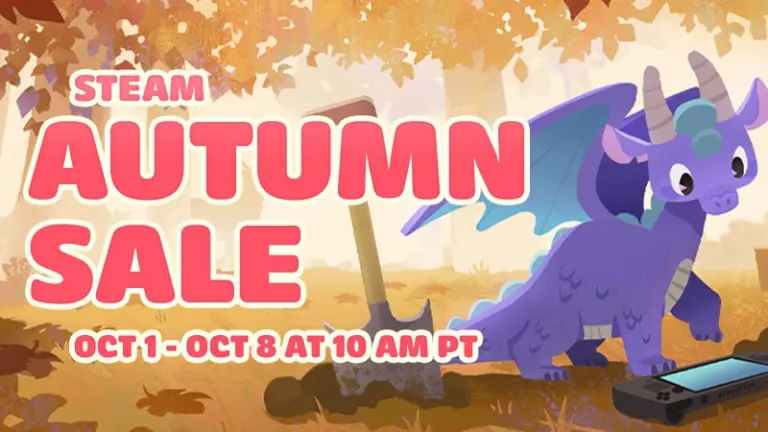
Steam Autumn Sale games under $5 are a big draw this week, as Valve’s seasonal sale is now live on the Steam store. The Steam Autumn Sale 2026 started on October 1 at 10 AM PT and runs until October 8. Valve says players will find discounts in every category. Publishers set their own prices, so deals vary by game.
Below, you will find the sale dates, start times by region, eligibility rules, and what to know before checking budget picks.
Steam Autumn Sale Games Under $5: Dates and Start Time
The Steam Autumn Sale 2026 began on Thursday, October 1. It ends on Thursday, October 8.
The sale opened at 10 AM Pacific Time. Valve announced discounts across every store category. Its announcement also linked to the horror category, which fits the start of the Halloween season.
It's fall, y'all! At least up here in the northern hemisphere – as the temperatures drop and the leaves turn crispy, what better way to celebrate than with discounts on tons of games?
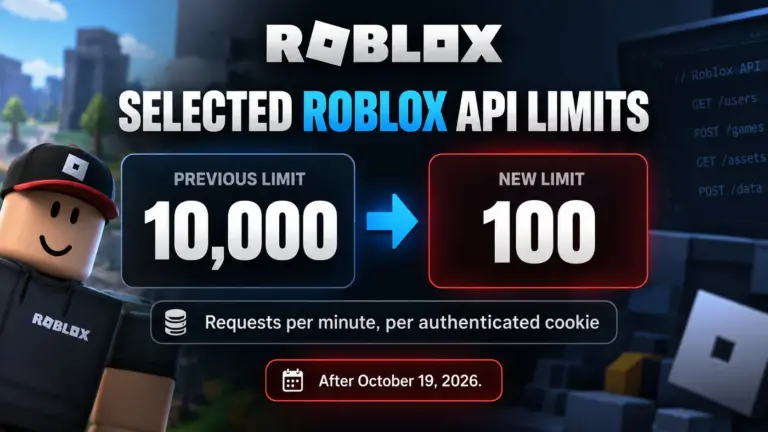
Roblox plans to cut selected web API limits from 10,000 requests per minute to 100 after October 19, 2026. Its published table also reveals a complication for developers: several affected endpoints have no listed Open Cloud alternative.
Roblox says the new ceilings exceed observed peak usage, so regular users should see minimal or no impact. Open Cloud limits remain unchanged. These APIs let software retrieve platform information, such as inventory details or images. The practical question is whether an outside tool can remain useful under a lower ceiling. Request patterns, caching and the information an application needs all matter.
Which Roblox API limits are changing?
Roblox’s September 30 API rate-limit announcement covers thumbnails, badges, inventory, users, game persistence and data stores. These examples all measure requests per authenticated cookie, per minute:
Selected limits from Roblox’s announcement; each applies per authenticated cookie. A drop from 10,000 to 100 is a 99% reduction in the permitted request rate. Other rows use per-second or IP-based limits, so developers need to compare the units as well as the numbers.
Why moving to Open Cloud needs a closer look
Roblox’s Cloud API documentation already favours endpoints that support API keys or OAuth 2.0 authentication. It says legacy APIs using cookies can change without notice and carry weaker stability guarantees, making them a poor choice for production applications. Open Cloud supports operations such as updating games, restarting servers and managing data stores. It also offers inventory access. However, support for a broad category does not automatically make every older request interchangeable with a newer one.
The table’s “None” entries identify gaps in Roblox’s listed migration options. They do not prove that every alternative approach is impossible.
For a tool maker, migration requires checking what a replacement returns, which credentials it accepts and how many calls the same feature needs. Changing a URL is insufficient if the replacement lacks required information or handles records differently.
What lower limits could mean for players
The ecosystem extends beyond the Roblox games players launch to a marketplace where eligible Roblox Plus members can trade and resell items. Outside services that display platform information depend on being able to retrieve the data their features require. Consider a hypothetical inventory viewer that retrieves fresh information whenever someone opens a page. If demand exceeds its allowance, the developer might queue work, reuse a recent result or display an error. Those choices can affect how current or responsive the service feels; this example does not establish that any particular tool will fail.
A single page in an application can depend on several data requests, while some requests can retrieve information in batches. That is why an endpoint’s numerical limit cannot translate directly into a number of supported users. The tool’s implementation matters.
What developers can check before the rollout
Roblox’s rate-limit documentation explains how response headers can show the remaining allowance and reset window. It also documents HTTP 429, the response returned when requests encounter rate limiting.
Developers can compare recorded traffic with the relevant new ceiling, including short bursts that a daily average would conceal. Caching can reduce repeated fetches, while a request queue can spread work across the available window. Both approaches still require deciding how long users can reasonably wait for fresh information. Where the server supplies a Retry-After header, Roblox recommends using it to guide the next attempt. Otherwise, developers should retry with increasing delays. Repeatedly sending the same request immediately can add traffic without helping the user receive a result.
Authentication also affects how Open Cloud shares its allowance. API-key limits apply per owner, while OAuth 2.0 limits apply per access token. A migration therefore needs to account for how an application distributes requests across its users and credentials.
The useful test before the rollout is whether a service can still deliver its intended features within the new limits. That means checking realistic busy periods and the freshness of the data users actually see, then addressing any gap before it becomes a visible problem.
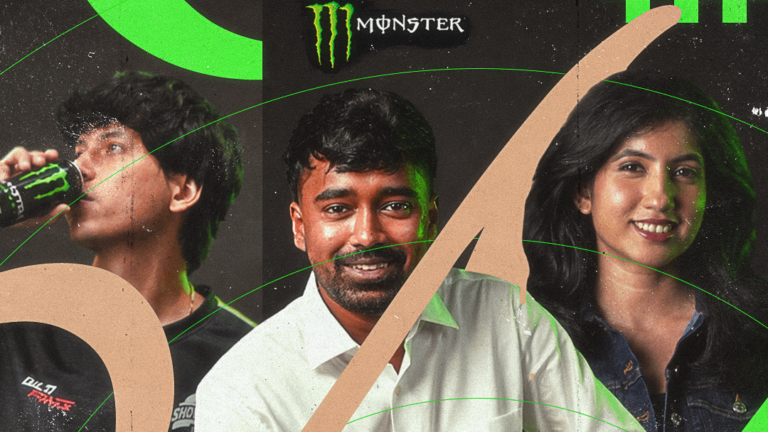
Revenant XSpark Monster athletes now number five. Xyaa, Sensei and Neyoo signed multi-year partnerships with Monster on 1 October 2026. They join ScoutOP and Kaashvi Hiranandani on the Monster roster from the RNTX creator ecosystem. The three creators will feature Monster in their streams and content. They will also represent the brand at events, esports properties, and community activations.
This article covers who the creators are, what the deals include, how BMSD 2026 fits in, and what RNTX said.
Revenant XSpark Monster Athletes: Who Signed and What the Deals Include
Revenant XSpark (RNTX), a Mumbai-based esports and gaming organisation, announced the signings. The new Monster athletes are Shagufta “Xyaa” Iqbal, Deepak “Sensei” Negi and Suraj “Neyoo” Majumdar.
They join Tanmay “ScoutOP” Singh and Kaashvi Hiranandani. That takes the number of Monster athletes from the RNTX creator roster to 5. According to the announcement, this is the largest pool of creators from a single Indian esports organisation backed by Monster.
The deals go beyond standard digital endorsements. The creators will integrate Monster into their streams and content. They will also represent the brand across its wider gaming ecosystem.
Who Are Xyaa, Sensei and Neyoo?
Each creator comes from a different part of Indian gaming. Xyaa has been streaming since 2012, with more than 1 million followers across platforms. Finished 4th at the IESF Female Asian Championship in 2023.
Sensei and Neyoo built their names in the PUBG Mobile and BGMI esports scene before becoming creators. Both also run watch parties for major esports tournaments.
RNTX says the trio gives Monster access to several communities. These include competitive esports, esports viewership, livestreaming, and gaming entertainment.
BMSD 2026 is the second edition of KRAFTON India’s invite-only BGMI esports property, with 48 teams. Monster Energy is the official beverage partner for the tournament. Matches run from 22 September to 18 October 2026. The prize pool is INR 1 crore.
The partnership also builds on Monster Energy’s existing sponsorship of the Revenant XSpark BGMI team.
What RNTX CEO Rohit Jagasia Said
Rohit N Jagasia, CEO of Revenant XSpark, said the depth of the deal is what makes it meaningful. He said these are not one-off creator campaigns, since all three are becoming Monster athletes through multi-year associations.
Jagasia said the deals show how seriously brands now view gaming audiences and the creators who built communities around them. He added that RNTX aims to create opportunities where its talent can build long-term value for themselves and for brands.
The announcement describes a shift in how brands approach gaming. Brands are moving away from short-term influencer campaigns. They now want a presence across streams, tournaments, creators and in-person events.
For creators, this changes what a brand deal looks like. Instead of single campaigns, gaming personalities are becoming long-term brand representatives. RNTX also says esports organisations are taking on a wider role. They now connect creators, communities and global brands, beyond running competitive teams.
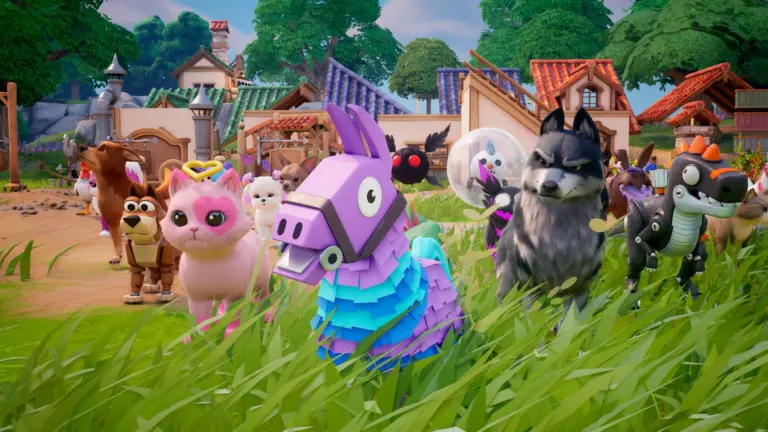
Epic Games is investigating a Fortnite bug that makes Sidekick NPCs invisible on creator-made islands, following reports on October 1. The problem concerns characters that developers can build activities around, including creature battles, farming games and companion adventures.
For an island that asks players to find, follow or fight a creature, losing sight of that character could disrupt the activity itself. The extent of that disruption remains unclear, but Epic has now acknowledged the visibility issue.
“We’re investigating an issue where NPC Sidekicks are invisible on developer-made islands.”Epic Games
What creators are reporting about invisible Sidekicks
Developer vageuly reported testing multiple islands on PC and Nintendo Switch 2, with Sidekick models failing to appear. According to the post, the devices associated with those characters remained visible, but the Sidekicks themselves did not.
Other contributors described additional symptoms. Giddybrom said the NPCs retained collision and despawn effects despite having almost no visibility or sound. VarunAiyar also reported that Sidekicks did not appear in UEFN live sessions, where creators test their projects. Epic staff member Flak responded to the thread and subsequently confirmed that the team was investigating. TalkEsport reviewed the public reports and Epic’s acknowledgement but has not independently reproduced the bug.
Those accounts suggest the problem warrants investigation beyond a single island. However, they do not establish that every map using Sidekicks, or every platform, experiences identical symptoms.
Why Sidekick NPCs matter to Fortnite’s creator games
Epic introduced scriptable Sidekick NPCs in June 2026, with publication of islands using the feature opening on July 23. Its announcement specifically encouraged monster battlers, creature-collection RPGs, farming games and adventures built around companions. The feature gives creators control over how those creatures behave, alongside their appearance and size. Epic’s Sidekick creation documentation explains how developers connect a character definition to an NPC Spawner and use Verse code to design custom behaviour.
That flexibility lets a familiar pet become an opponent, a quest companion or part of an island’s progression. If its model disappears, players could struggle to identify a target or understand what an interaction requires. Those are potential consequences of the reported symptoms, rather than confirmed outcomes across every affected game.
TalkEsport has previously covered the growth of Fortnite Creative and its creator payouts. Developers ask players to invest time in these experiences while relying on Epic’s underlying systems. A fault in a shared character feature can therefore become a problem for the game built around it.
Does this affect purchased Sidekicks?
Epic’s acknowledgement specifically identifies NPC Sidekicks on developer-made islands. It does not confirm deleted purchases, missing Locker items or a failure affecting all Sidekick cosmetics in Battle Royale.
Players may be more familiar with companions such as the Kitsune Sidekick covered in TalkEsport’s guide. These can accompany a player as cosmetics, whereas creators can give NPC Sidekicks a role within an island’s gameplay. There is some overlap: Epic’s Cosmetic Sync feature lets an NPC take the appearance of a player’s equipped Sidekick. However, a visibility problem involving an island’s NPC does not, by itself, demonstrate that the player has lost ownership of the corresponding cosmetic.
Has Epic announced a fix?
The latest October 1 notice reviewed by TalkEsport says the investigation is continuing. It does not provide a confirmed cause, a repair date or an official workaround. Creators documenting the issue can make their reports more useful by including an island code, the platform used and footage of the expected interaction. Distinguishing a missing model from a character that never spawned would also help clarify the symptoms.
For games built around feeding, collecting or battling creatures, those details matter. Restoring the characters’ visibility is essential to letting players understand the encounters and activities their creators designed.
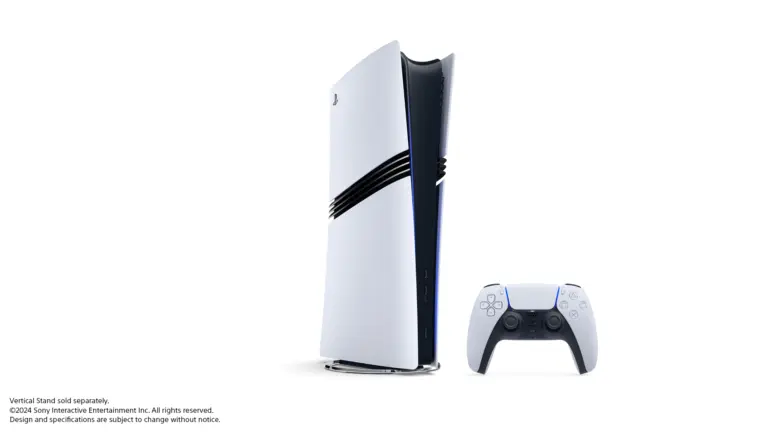
Sony is bringing AI-guided image reconstruction to the standard PS5 with Quick Spectral Super Resolution, giving the original console a streamlined version of technology previously associated with PS5 Pro.
Sony has just given millions of standard PlayStation 5 owners access to one of the most important graphics technologies associated with the PS5 Pro. The company has officially unveiled Quick Spectral Super Resolution, or QSSR, a new AI-guided image reconstruction technology designed to run on the original PS5 hardware despite the console lacking the dedicated machine-learning capabilities available on PS5 Pro.
QSSR is the latest result of Sony’s collaboration with AMD under Project Amethyst and represents a new performance tier of the machine-learning graphics technology PlayStation has been developing around PSSR. Rather than attempting to reproduce PS5 Pro’s implementation directly, Sony has engineered a substantially leaner system capable of operating within the computational limits of the standard PS5. Players will not have to wait for some future generation of games to see it either. Marvel’s Wolverine and Ghost of Yōtei are becoming the first games to support QSSR, with Sony announcing the technology alongside updates allowing standard PS5 owners to use the new reconstruction option.
According to Sony’s official QSSR announcement on the PlayStation Blog, the technology is intended to improve image detail and temporal stability while giving developers another option for balancing rendering resolution, visual quality and performance on the base console.
What is QSSR on PS5?
QSSR stands for Quick Spectral Super Resolution, and its purpose is broadly similar to other modern image reconstruction technologies: allow a game to render internally at a lower resolution before intelligently reconstructing a cleaner, higher-quality image for display.
The important difference is how Sony has designed QSSR around the limitations of hardware released in 2020. PS5 Pro introduced PlayStation Spectral Super Resolution, better known as PSSR, alongside hardware specifically designed to accelerate machine-learning workloads. The standard PS5 does not contain that same dedicated ML hardware, meaning Sony could not simply move the existing PS5 Pro solution onto the original console and expect equivalent results.
Instead, Sony and AMD have developed a streamlined neural-network implementation capable of producing meaningful reconstruction improvements while operating within the standard PS5’s existing hardware budget. That makes QSSR particularly interesting because it demonstrates that Sony’s investment in AI-assisted rendering is no longer restricted to owners of its more expensive PS5 Pro hardware.
PSSR remains Sony’s higher-end reconstruction solution and benefits from the PS5 Pro’s substantially stronger GPU and dedicated machine-learning capabilities. QSSR has instead been designed as a lighter alternative capable of operating efficiently on the standard console.
That difference also affects the resolutions developers may target. PS5 Pro games can use PSSR while reconstructing towards 4K output from lower internal resolutions, whereas developers using QSSR on the original PS5 may choose more conservative reconstruction targets depending on the game’s graphics mode and available GPU budget.
The more useful way to understand QSSR is therefore not that Sony has given the base PS5 PS5 Pro performance, but that the reconstruction philosophy behind one of PS5 Pro’s defining features has now been adapted to hardware Sony shipped six years ago.
Marvel’s Wolverine is one of the first PS5 games to use QSSR
Insomniac Games is among the first studios putting the technology into players’ hands through Marvel’s Wolverine.
The studio says QSSR improves pixel-level clarity and image stability across the game’s environments, with areas including Madripoor and Shinjuku benefiting from the additional reconstruction quality on the standard PS5.
Insomniac’s Mike Fitzgerald described the implementation as giving standard PS5 players a taste of the image reconstruction benefits previously associated with PS5 Pro, while still working within the performance characteristics of the original console.
The technology is particularly relevant to visually dense environments because reconstruction quality can determine how effectively fine geometry, distant objects, hair, vegetation and other small details survive while the camera is moving.
Ghost of Yōtei is also getting QSSR
Sucker Punch is similarly introducing QSSR support for Ghost of Yōtei, giving Sony another visually demanding first-party game through which to demonstrate the technology.
The studio says the new reconstruction option improves fine character and environmental details while producing greater temporal stability, helping reduce some of the instability that can become visible when small objects or detailed surfaces move between frames.
Temporal stability is particularly important for modern upscaling systems because a reconstructed image can look sharp while stationary yet reveal shimmering, flickering or unstable detail once the player or camera begins moving. QSSR is designed to use information across frames to produce a more consistent result rather than simply sharpening each individual image.
QSSR could give PS5 developers more room to balance graphics and performance
The significance of reconstruction technology extends beyond making an image appear sharper. Modern console games operate within a fixed rendering budget. Developers constantly decide how much GPU performance should be allocated towards native resolution, lighting, ray tracing, geometry, effects and frame rate.
If QSSR can reconstruct a convincing final image from a lower internal rendering resolution, developers potentially gain additional flexibility elsewhere in that budget. Depending on the game, those resources could be directed towards more sophisticated graphical effects, greater scene complexity or more stable performance. That does not mean QSSR automatically increases a game’s frame rate, and Sony has made no universal promise that enabling the technology will suddenly turn 30 FPS modes into 60 FPS modes. The benefit depends on how individual developers choose to integrate the reconstruction technology into their rendering pipelines. What QSSR provides is another tool for making those compromises less severe.
Sony says QSSR should be relatively easy for developers to implement
One of the most consequential aspects of QSSR may ultimately have less to do with image quality than with how easily developers can adopt it. Sony principal graphics R&D engineer Daniel Craig told Digital Foundry that QSSR has been designed to integrate efficiently with games already supporting PSSR, reducing the amount of additional engineering work required to bring the technology to the standard PS5.
That matters because reconstruction technologies only become genuinely important to a console ecosystem when developers can implement them without rebuilding large parts of their rendering pipeline. If studios already shipping PSSR modes on PS5 Pro can adapt those systems for QSSR with relatively limited additional work, the potential library of supported standard PS5 games becomes considerably larger. Sony is making the QSSR library available more broadly to PlayStation developers, meaning support is not intended to remain restricted to Marvel’s Wolverine and Ghost of Yōtei.
PSSR started as one of PS5 Pro’s defining features
The arrival of QSSR becomes more significant when viewed against how aggressively Sony has developed its reconstruction technology over the past two years.
PSSR debuted alongside PS5 Pro in November 2024 as one of the console’s three major graphical selling points, joining a larger GPU and enhanced ray-tracing capabilities. Sony positioned the technology as a way of delivering the visual quality traditionally associated with high-resolution fidelity modes while retaining stronger performance. The implementation has continued evolving since launch. Sony and AMD subsequently expanded their collaboration through Project Amethyst, with machine-learning technology becoming increasingly central to PlayStation’s approach to image reconstruction.
Earlier this year, TalkEsport covered Cyberpunk 2077’s major PS5 Pro upgrade, where CD Projekt Red combined PSSR with enhanced ray tracing and new performance options capable of reaching considerably higher frame rates on Sony’s premium console.
QSSR now takes the underlying idea in the opposite direction. Instead of using machine learning to extract more from Sony’s most powerful console, engineers have redesigned the technology so that some of those reconstruction benefits can reach the enormous installed base of standard PS5 hardware.
What is Project Amethyst?
QSSR is another product of Project Amethyst, the collaboration between Sony Interactive Entertainment and AMD focused on machine-learning technology for game graphics. The partnership extends beyond simply developing an upscaler for one PlayStation model. Sony and AMD have been working on neural architectures and graphics technologies intended to make machine-learning techniques easier for game developers to deploy across future rendering workloads.
That broader ambition is what makes QSSR more interesting than a routine firmware-era graphics feature. Sony has demonstrated that the technology developed through its work with AMD can be scaled across different levels of hardware rather than existing exclusively as a premium-console feature.
Does QSSR mean the base PS5 now matches PS5 Pro?
No. PS5 Pro remains substantially more powerful than the original PS5 and retains advantages in GPU performance, ray tracing and dedicated machine-learning hardware. PSSR also remains the higher-end reconstruction technology. QSSR instead gives standard PS5 developers another method of extracting better image quality from the hardware they already have. A base PS5 running QSSR should therefore not be expected to produce the same graphics settings, ray-tracing complexity or output quality as an equivalent PS5 Pro mode using PSSR.
For owners of the original console, however, that comparison may miss the more important point. QSSR improves what their existing hardware can potentially deliver without requiring them to purchase another console.
QSSR could matter more because of how many standard PS5 consoles already exist
The PS5 Pro may provide the technically superior implementation, but the original PlayStation 5 has an enormous advantage of its own: installed base. Millions of players already own standard PS5 hardware, and every developer targeting the PlayStation ecosystem must account for that machine regardless of whether enhanced PS5 Pro modes are also produced.
A reconstruction technology capable of improving image quality across that larger audience can therefore have a broader practical impact than a technically superior feature available only on premium hardware. That also gives developers an incentive to experiment with QSSR. Improvements made to a base PS5 version potentially reach far more players than an enhancement restricted to PS5 Pro.
What QSSR tells us about the future of PlayStation graphics
The larger significance of QSSR may ultimately be what it reveals about Sony’s direction rather than what it changes in two games today. AI-assisted image reconstruction began this console generation as one of the headline technologies used to differentiate PS5 Pro from the original PS5. Less than two years later, Sony has developed a second implementation specifically designed to bring that philosophy back down to its standard hardware. That progression suggests machine-learning reconstruction is becoming part of PlayStation’s broader graphics architecture rather than remaining a temporary premium-console selling point.
It would be premature to describe QSSR as a PS6 feature because Sony has made no such announcement. What can be said is that Project Amethyst is explicitly concerned with longer-term graphics research, and Sony’s decision to create reconstruction technologies capable of scaling across different hardware profiles offers a useful indication of how important machine learning has become to its rendering strategy.
For players who bought an original PS5 in 2020, however, the immediate consequence is considerably simpler. Six years after the console launched, Sony has found another way to improve the image it can produce, and this time one of the most interesting ideas behind the PS5 Pro is no longer exclusive to the Pro.