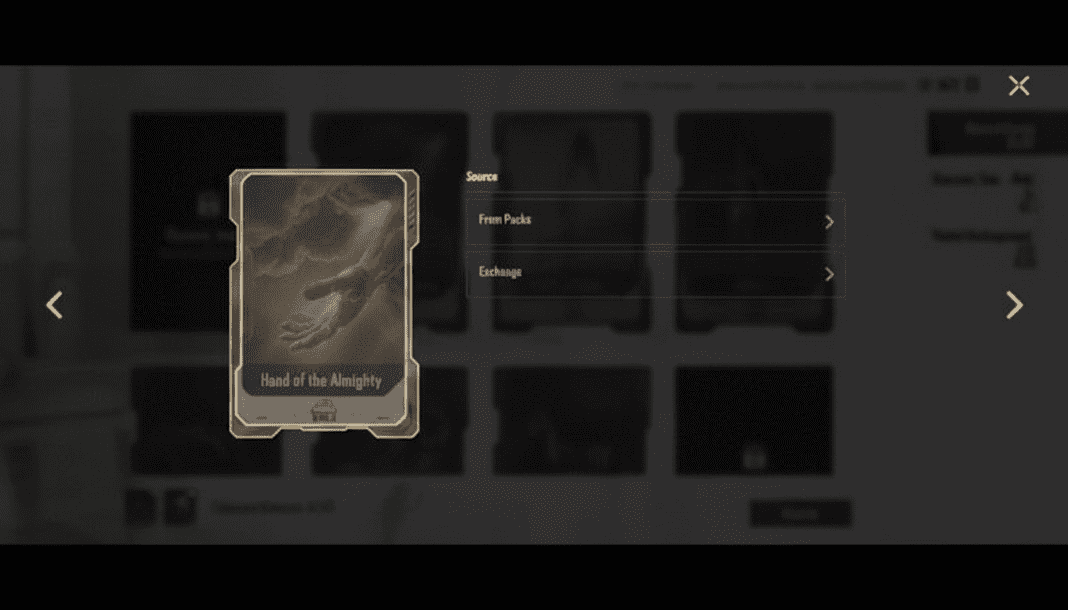
PUBG Mobile pulled an in-game item and issued a public apology after Muslim players across the MENA region and the Philippines flagged its name as religiously offensive. The response was fast, and the item is already gone.
What the Item Was and Why It Caused Backlash
The item in question was called “Hand of the Almighty,” a card introduced as part of the Card Collection System in the Hero’s Crown update. Players quickly flagged that the name referenced “Al-Jabbar,” one of the 99 names of Allah in Islam. The term translates to “the Almighty” or “the Compeller,” and carries significant religious weight for Muslims worldwide.
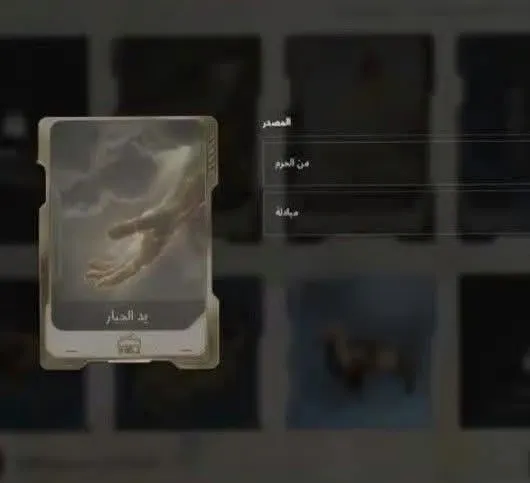
Complaints appeared across multiple PUBG Mobile official Facebook pages, including the Arabic and Philippines community pages, as well as in app store reviews. One message posted to the Arabic page laid out the concern directly, noting that “Al-Jabbar is one of the 99 Names of Allah in Islam and holds deep religious and spiritual significance for millions of Muslims around the world,” and requesting the name be changed out of respect for the community.
The feedback spread quickly. PUBG Mobile’s response came just as fast.
PUBG Mobile’s Apology and Removal
The developers issued a formal statement on Tuesday confirming the item had been pulled from the game entirely. The statement expressed regret for “the hurt and anguish” caused and confirmed that the removal was immediate. PUBG Mobile framed the situation as a failure of their content vetting process, pledging to review and strengthen internal checks to prevent similar oversights going forward.
The full response committed the studio to maintaining a game that is “sensitive to different religions, cultures and practices,” and thanked players for bringing the issue to their attention rather than criticising the community for the complaints.
Worth noting: the Hero’s Crown update had not yet rolled out in Pakistan at the time the MENA community flagged the issue and it was resolved. Players in the region were spared the controversy before it reached them.
This Is Not the First Time
PUBG Mobile has faced religious sensitivity incidents before, and the pattern of quick apology and removal is consistent with how the studio has handled them.
In May 2024, the game came under fire after Islamic calligraphy appeared in a promotional video. PUBG Mobile apologised and confirmed it had removed the asset after players raised concerns about using sacred script in a commercial context.
The most significant prior incident came in 2020, when PUBG Mobile pulled its entire Mysterious Jungle game mode. The mode included a mechanic that required players to pray in front of totems to recover health, a feature many Muslim players argued amounted to simulated idol worship, which is prohibited in Islam. That removal was also immediate once the community flagged it.
Across three separate incidents now, PUBG Mobile’s approach to religious sensitivity complaints has been consistent: take the community concern at face value, remove the content quickly, apologise publicly, and commit to better vetting. Whether that process is working as intended is a question the studio itself acknowledged in this statement.
Why It Matters for Mobile Esports
PUBG Mobile’s player base is heavily concentrated in South Asia, Southeast Asia, and the Middle East. These are regions with large Muslim populations, and the game’s competitive infrastructure in these markets has grown substantially over the past several years. Dedicated regional tournaments, national championship circuits, and major MENA-focused leagues have all developed alongside a player base that takes cultural and religious representation seriously.
When content lands in ways that feel disrespectful to that audience, the blowback is fast and organised. This incident is a reminder that the biggest mobile titles in the world operate across vastly different cultural contexts, and that content pipelines need to account for that at the vetting stage rather than the complaint stage.
PUBG Mobile’s ongoing engagement with its South Asian and Muslim-majority player communities has been a key part of the game’s long-term growth strategy in those regions. Incidents like this one, handled badly, can damage that relationship quickly. Handled the way this one was, they tend to reinforce the idea that the studio is at least listening, even if the slip-up itself should not have happened.
For now, the item is removed. The apology is on record. PUBG Mobile’s content review process is, by the studio’s own admission, still a work in progress.