

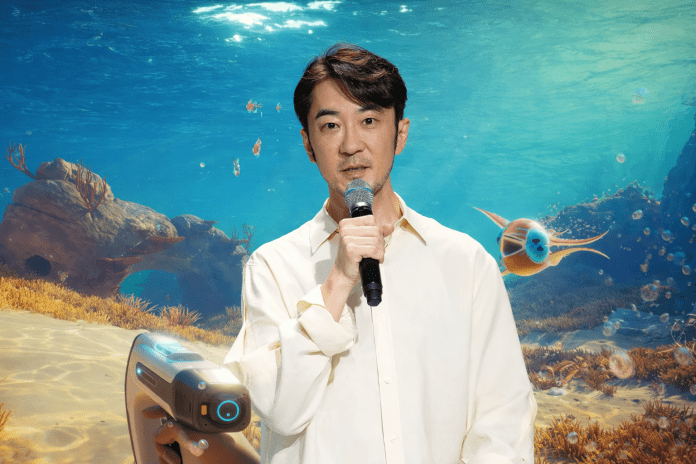

When Krafton CEO Changhan Kim needed a way out of a $250 million contractual obligation, he didn’t call his lawyers. He opened ChatGPT. What followed was a corporate scheme called “Project X,” a fired studio CEO, a delayed game, and a Delaware court ruling that tore the whole thing apart. And yes, this involves the same company that publishes PUBG and BGMI.
The deal that started it all
In 2021, Krafton acquired Unknown Worlds Entertainment, the indie studio behind the underwater survival game Subnautica, for $500 million. The deal included a $250 million “earnout” bonus that would be paid to the studio’s leadership if their sequel, Subnautica 2, hit certain sales targets after release.
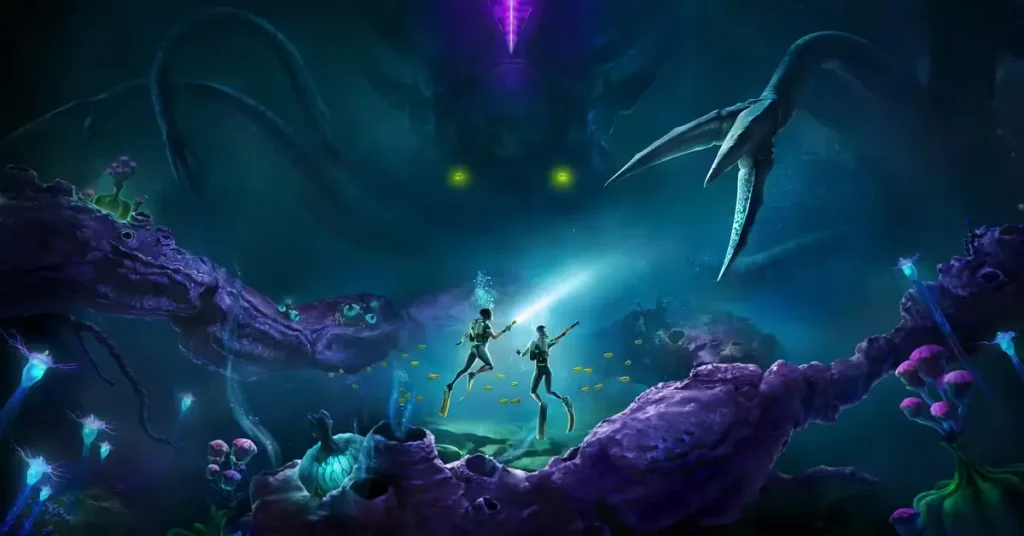
The contract also guaranteed Unknown Worlds would operate independently. Co-founders Charlie Cleveland and Max McGuire, along with CEO Ted Gill, kept full operational control. They could only be removed “for cause,” meaning Krafton couldn’t fire them on a whim. If you’ve followed how Krafton has structured its subsidiaries over the years, this kind of acquisition deal with independence clauses isn’t unusual for the company.
Things were fine for a while. Subnautica 2 was in active development, the team was building toward early access, and Krafton’s own internal projections showed the game was on track to trigger the full payout. Krafton was staring at a $250 million check it would have to write. That’s when things got messy.
How ChatGPT became Krafton’s strategy consultant
Per the Delaware court ruling, Kim started viewing the acquisition deal as a mistake. He privately called it a “pushover” contract and got increasingly uncomfortable with the payout looming over him.
Maria Park, Krafton’s head of corporate development, told Kim directly: firing the founders without cause wouldn’t void the earnout. It would mean lawsuits and reputation damage. Kim ignored the advice.
He went to ChatGPT instead. The chatbot initially told him the earnout would be “difficult to cancel.” That’s a reasonable answer. But Kim didn’t accept it. He kept pushing, and ChatGPT, doing what language models do when you keep asking for more, generated a detailed multi-stage corporate takeover plan.
Kim named it “Project X.” The court filing lays out what ChatGPT recommended: form an internal task force to renegotiate the earnout or force a studio takeover. If that failed, lock down Steam and console publishing rights and seize control over the game’s code. Frame the whole conflict around “fan trust” and “quality” rather than money. Prepare legal defense materials. And draft a public message to win over Subnautica fans.
Here’s where it gets wild. Kim actually had ChatGPT write that public message. When it went out, the gaming community immediately sensed something was off. It read like corporate damage control because, well, that’s exactly what it was. Suspicion about internal turmoil at Unknown Worlds started spreading online.
Kim’s own team warned him the plan was risky the entire time. He went ahead anyway.
The firings and the fallout
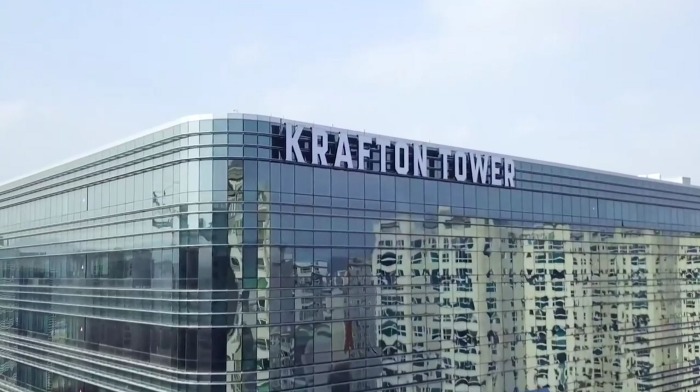
In mid-2025, Krafton pulled the trigger. Gill, Cleveland, and McGuire were all removed from their positions. Krafton put Steve Papoutsis in charge of Unknown Worlds. Development continued under new management, but the game’s early access launch was delayed.
The fired executives sued in the Delaware Court of Chancery. Their argument: Krafton terminated them without valid cause specifically to avoid paying the $250 million bonus. They claimed Krafton breached the original acquisition agreement by seizing operational control of a studio that was contractually supposed to be independent.
The delay was the key detail. By pushing back the release, the earnout clock kept ticking without the game being on sale. No sales, no targets hit, no $250 million. The fired team argued this was the entire point of removing them.
This isn’t the first time Krafton has faced legal scrutiny either. The company was investigated by South Korea’s Fair Trade Commission over loot box practices. The Subnautica lawsuit, though, is on a different scale entirely.
The Delaware ruling: a full legal breakdown
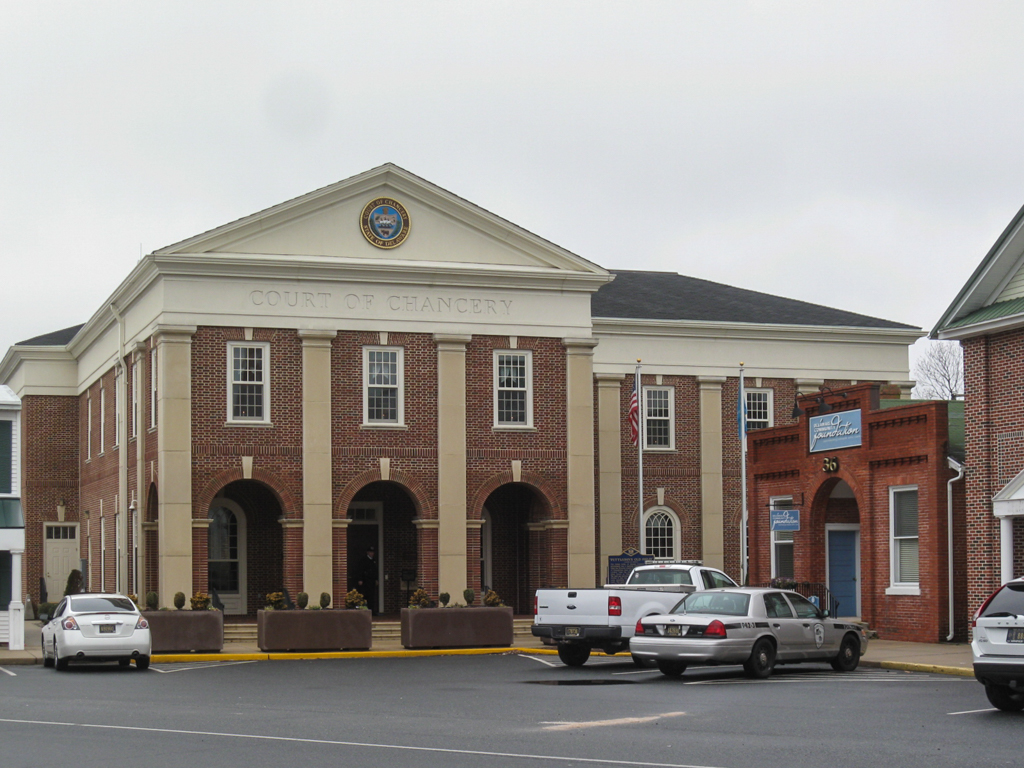
On March 16, 2026, Vice Chancellor Lori Will delivered a ruling that went almost entirely against Krafton.
The court found Krafton breached the Equity Purchase Agreement by terminating the founders without valid cause and improperly seizing control of the studio. The judge specifically called out Kim’s ChatGPT use, writing that he “consulted an artificial intelligence chatbot to contrive a corporate takeover strategy” after deciding he’d agreed to a “pushover” contract.
Here’s what the ruling ordered. Ted Gill reinstated as CEO of Unknown Worlds, with full authority over Subnautica 2’s early access launch. Krafton must immediately restore Gill’s access to Steam and cannot interfere with his release decisions. The earnout testing period extended by 258 days, pushing the deadline to September 15, 2026, with a possible further extension to March 15, 2027. This was to compensate for the time lost while the founders were wrongfully fired.
The judge acknowledged the obvious “bad blood” between the two sides but wrote that personal tensions don’t excuse a material breach of contract. Both parties, the ruling stated, “can and must act in good faith to navigate their remaining contractual relationship.”
Krafton said it “respectfully disagrees” with the ruling and is “evaluating options.” The company pointed out the ruling doesn’t resolve the damages claim or the earnout itself, with more litigation ahead.
Post-ruling chaos: who decides when Subnautica 2 launches?
The ruling should have settled things. It didn’t.
One day after the court order, Papoutsis, the guy Krafton installed who was effectively just replaced by Gill’s reinstatement, sent an internal memo to staff saying Subnautica 2 was ready for early access in May. He wrote that the team and Krafton had “unanimously determined” the game was ready. IGN published the memo.
Gill’s lawyers responded fast. They filed a complaint accusing Krafton of contempt, arguing Papoutsis had no authority to make launch announcements since Gill was now the reinstated CEO. The May date was set without Gill’s knowledge and without any of the marketing coordination that normally goes into a major game announcement.
The legal team argued Krafton had “intentionally leaked” the memo and announced the launch “without any regard to its impact on the game, the team, or the community.”
Krafton’s defense: the memo was just “celebrating” an earlier milestone review, and Gill can set his own schedule. Whether the court accepts that is still up in the air. There’s also a dispute about when exactly Gill’s reinstatement took effect, with his team saying it was the morning of May 16 (before the memo) and Krafton arguing it won’t be official until a separate implementing order is finalized.
This puts Gill in a no-win spot. Fans now expect May because Krafton said so publicly. If Gill delays for quality reasons, he looks like the bad guy. If he rushes to meet a date he never set, the game might ship in rough shape. Krafton created this problem, and Gill is the one who has to deal with it.
What this means for AI in corporate decision-making
Forget gaming for a second. A CEO of a major company used a consumer AI chatbot to build corporate strategy, ignored his own legal team who told him the plan was dangerous, and executed the ChatGPT playbook step by step. A court caught it, named it explicitly in the ruling, and reversed everything he did.
This is one of the first cases where a judge has specifically cited AI-assisted decision-making as part of the problem. The judge didn’t treat the ChatGPT angle as a side note. It was central to how the court described Krafton’s scheme coming together. The ruling even detailed the specific advice ChatGPT gave, from “Project X” task force formation to the fan messaging strategy that blew up in their face.
The point here isn’t that AI tools are dangerous by default. It’s that they’ll give you whatever answer you push for, and they won’t flag when you’re about to break the law. Kim’s legal team gave him better advice than ChatGPT did. He chose the chatbot. That’s a decision-making failure, not a technology failure.
For anyone running a company or working in corporate strategy, this case is worth studying. AI tools are useful for brainstorming, drafting, and research. They are not substitutes for legal counsel, and courts are clearly willing to use your ChatGPT history against you.
What’s next for Subnautica 2
Gill is back in charge. The game is coming, but the exact timing is up in the air. The May early access date Krafton announced may or may not hold, depending on what Gill decides now that he’s back. The September 2026 earnout deadline gives the team runway, but pressure from both the community and the ongoing court situation is real.
The damages claim is separate from what Gill already won, and Krafton has hinted it may appeal. Meanwhile, Krafton reported record revenue of over $2.26 billion in 2025, with Subnautica 2 listed among its upcoming titles. The company clearly still sees value in the game. Whether it can coexist with the people making it is the question that Delaware’s courts are still trying to answer.
Key facts at a glance
- Krafton acquired Unknown Worlds Entertainment in 2021 for $500 million, with a $250 million earnout bonus tied to Subnautica 2 sales.
- Krafton CEO Changhan Kim used ChatGPT to create “Project X,” a multi-step plan to avoid paying the earnout.
- Kim’s own corporate development head, Maria Park, warned the plan would lead to lawsuits. Kim proceeded anyway.
- In mid-2025, Krafton fired Ted Gill, Charlie Cleveland, and Max McGuire from Unknown Worlds without valid cause.
- On March 16, 2026, Delaware Vice Chancellor Lori Will ruled Krafton breached the Equity Purchase Agreement.
- The court ordered Gill reinstated as CEO and extended the earnout deadline by 258 days to September 15, 2026.
- One day after the ruling, Krafton announced a May 2026 early access date without Gill’s involvement, sparking a contempt complaint.
Frequently asked questions
Why did Krafton fire the Unknown Worlds founders? According to the Delaware court ruling, Krafton fired Ted Gill, Charlie Cleveland, and Max McGuire to avoid paying a $250 million earnout bonus that was tied to Subnautica 2’s sales performance. The court found the terminations were without valid cause and constituted a breach of the acquisition agreement.
What was “Project X” in the Krafton lawsuit? “Project X” was the internal name for a corporate strategy that Krafton CEO Changhan Kim developed using ChatGPT. The plan involved forming a task force to renegotiate the earnout, seizing control of Unknown Worlds’ publishing rights on Steam, and framing the conflict around “fan trust” rather than the real financial dispute.
What did the Delaware court rule in Krafton v. Unknown Worlds? Vice Chancellor Lori Will ruled on March 16, 2026 that Krafton breached its Equity Purchase Agreement with Unknown Worlds. The court ordered Ted Gill reinstated as CEO, extended the $250 million earnout deadline by 258 days to September 15, 2026 (with a possible extension to March 2027), and prohibited Krafton from interfering with Subnautica 2’s release schedule.
Did Krafton really use ChatGPT for legal strategy? Yes. According to the court ruling, Krafton CEO Changhan Kim consulted ChatGPT after his own legal team warned him that firing the founders wouldn’t void the earnout. ChatGPT generated a multi-step takeover plan that Kim followed, including drafting a public relations message to Subnautica fans. The judge cited this AI consultation directly in the ruling.
When is Subnautica 2 releasing in early access? The exact date is unclear as of March 2026. Krafton announced a May 2026 early access window, but reinstated CEO Ted Gill was not involved in that decision and his legal team has challenged it. The earnout deadline runs until September 15, 2026, giving the team time to set their own schedule.
Is Krafton appealing the Delaware ruling? Krafton has stated it “respectfully disagrees” with the ruling and is “evaluating options,” which suggests an appeal is possible. The ruling on Gill’s reinstatement is separate from the ongoing damages and earnout litigation, which is still pending.
