

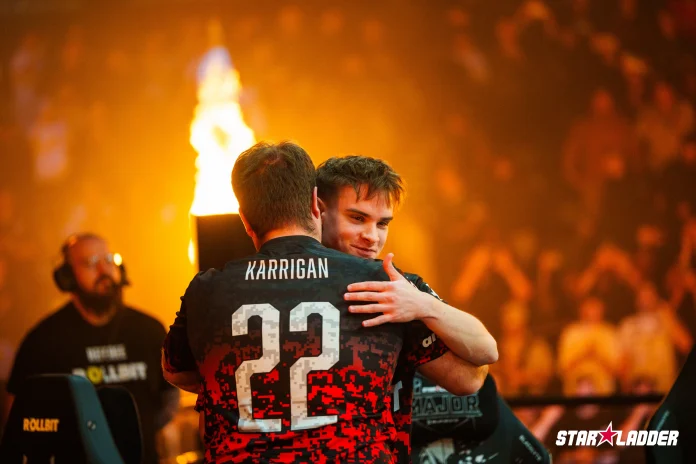

FaZe Clan’s fall from grace has reached a point few in the Western esports ecosystem imagined possible.
Once hailed as esports’ first billion-dollar cultural unicorn, FaZe Clan is now staring at an existential crisis after five of its most prominent creators exited the organisation on December 25, 2025. The departures — Stable Ronaldo, JasonTheWeen, Silky, Lacy, and Adapt — were announced live during what was meant to be a celebratory FaZemas subathon, instantly turning a holiday event into a public reckoning.
At the centre of the collapse sits FaZe Clan, now operating under the ownership of GameSquare, and struggling to reconcile corporate discipline with a creator-first identity that once made the brand untouchable in the US and UK markets.
From Counter-Strike Montages to Corporate Cautionary Tale
Founded in 2010 as a Call of Duty trickshot collective, FaZe Clan evolved into a cultural phenomenon. By the early 2020s, it commanded over a billion cumulative followers across platforms, blending esports dominance with viral lifestyle content that resonated deeply with Gen-Z audiences in North America and Europe.
That momentum culminated in a 2022 SPAC merger, valuing FaZe at $725 million and positioning it as Wall Street’s gateway into esports. The reality, however, proved brutal. Mounting losses, inconsistent sponsorship returns, and controversies such as crypto-linked promotions quickly eroded investor confidence. FaZe’s stock collapsed from over $20 to mere cents, becoming one of the most cited failures of the SPAC era.
In March 2024, GameSquare acquired FaZe for approximately $17 million, a staggering comedown that signalled how far the brand had fallen.
The GameSquare Era and a Fractured Identity
GameSquare’s acquisition was framed as a reset. Cost efficiencies were promised, founders like FaZe Banks returned to rebuild “authenticity,” and esports operations were consolidated under a leaner structure.
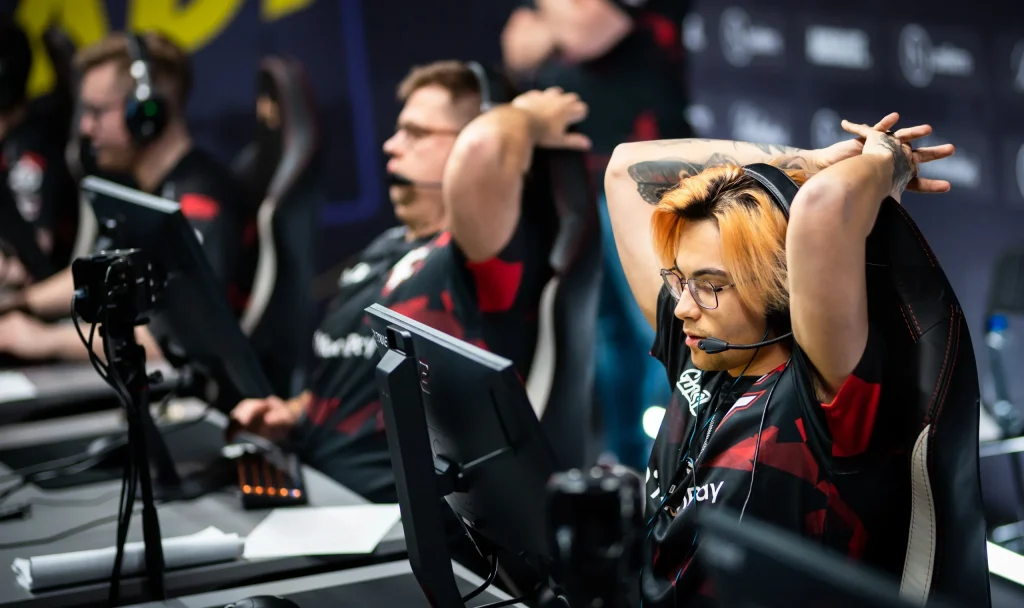
But tensions soon surfaced.
Banks’ return as CEO in 2024 briefly reignited optimism among fans. That optimism evaporated in mid-2025 following backlash surrounding an MLG-linked crypto token, after which Banks stepped down citing mental health strain. Control shifted fully to corporate leadership, marking a decisive break from FaZe’s creator-led roots.
By April 2025, GameSquare divested FaZe Media’s minority stake — a move widely interpreted as a sign that the lifestyle side of the business was no longer a priority.
Christmas Day Exodus: When Creators Walked Away Live
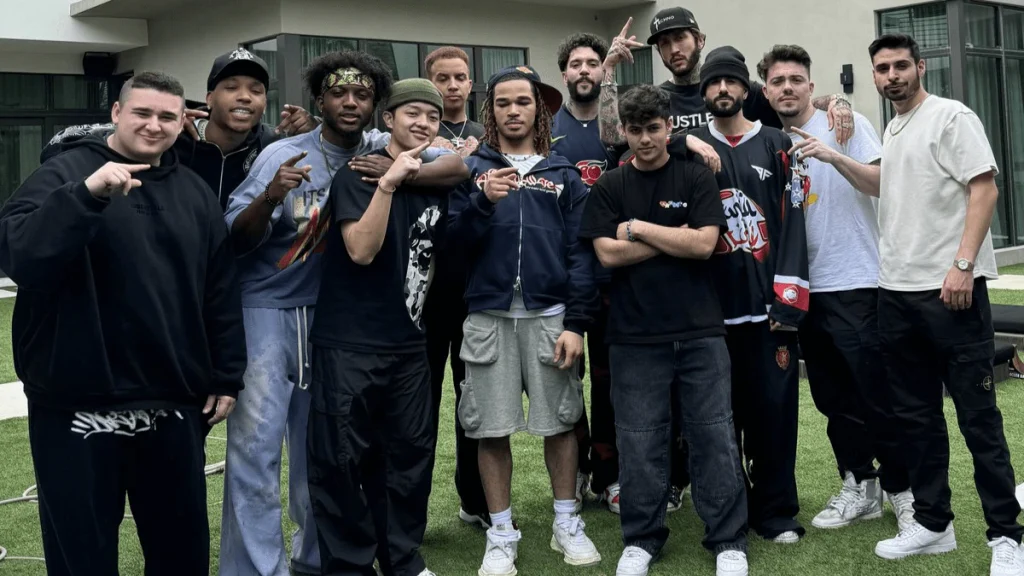
The breaking point arrived on December 25, 2025.
During a live FaZemas broadcast, multiple creators confirmed their exits in real time. Stable Ronaldo, a Fortnite powerhouse and one of FaZe’s biggest post-2022 signings, cited frustration with revenue splits and creative limitations. Others echoed similar concerns, pointing to stalled contract renewals, restricted collaborations, and increasing corporate oversight.
For a brand whose value was built on personality-driven content, the damage was immediate and severe.
While FaZe’s competitive rosters in CS2, Halo, and Rainbow Six Siege remain operational, the organisation’s content engine — historically its most lucrative and influential asset in the US and UK — has been hollowed out.
Financial Reality: From $725M Dreams to Survival Mode
FaZe’s collapse is as much financial as it is cultural.
The organisation was heavily dependent on sponsorships, which accounted for more than 80% of revenue at its peak. When ad markets tightened and sponsor ROI came under scrutiny, FaZe lacked diversified income streams to cushion the blow.
Losses mounted rapidly:
- $53 million in losses in 2022
- $28 million lost in the first half of 2023 alone
- Revenue down nearly 30% year-on-year
Despite projections that the global esports market would reach $1.8 billion by 2025, FaZe struggled to convert reach into sustainable profit. NFT experiments, gambling-adjacent partnerships, and lifestyle expansions failed to offset declining sponsor confidence.
The result was mass layoffs, shrinking operations, and a valuation collapse exceeding 98% from its peak.
Founders vs Corporates: A Familiar Esports Conflict
FaZe’s internal struggle mirrors a broader esports dilemma: founder-led culture versus corporate governance.
Creators reportedly bristled under stricter contracts, reduced revenue shares, and limitations on external collaborations. Corporate leadership, meanwhile, sought predictability, compliance, and cost control — priorities that often clash with influencer-driven ecosystems.
Former FaZe members have since gravitated toward creator-owned collectives or independent brands, reinforcing a growing trend in Western markets where top talent increasingly bypasses traditional esports organisations altogether.
What Happens Next for FaZe and GameSquare?
GameSquare now faces a difficult decision.

FaZe’s esports divisions still hold competitive value, with strong showings in Rainbow Six Siege and Halo providing short-term stability. But without a revitalised content arm, the brand’s long-term relevance — particularly in North America and Europe — is uncertain.
Possible paths forward include:
- A full esports-first pivot, trimming lifestyle ambitions
- A soft rebrand, rebuilding around smaller, mid-tier creators
- Asset divestment, selling teams or folding FaZe deeper into GameSquare’s portfolio
For US and UK investors, FaZe’s downfall stands as a stark warning about visibility does not equaling viability, and cultural relevance alone cannot sustain public-market expectations.
FaZe Clan’s unraveling is not an isolated incident but reflects deeper structural issues across the esports industry:
- Overreliance on sponsorship revenue
- Misalignment between creators and organisations
- The failure of SPAC-fuelled growth narratives
- A shifting creator economy that favours ownership over affiliation
As esports matures, loyalty is moving away from logos and toward individuals. FaZe built the blueprint for modern esports culture — but its collapse may define the limits of that model.
Whether FaZe can reinvent itself or fades into legacy status by 2026 remains to be seen. What is clear is that the era of unchecked hype is over, and Western esports is entering a far more unforgiving phase.
