


Counter-Strike 2’s release in 2023 was guaranteed to transform competitive gaming through advanced technology and better player experiences. Yet, almost two years later, a large number of the competitive community still finds third-party solutions, such as FACEIT, more appealing than Valve’s built-in matchmaking system. This ongoing preference suggests deeper issues beyond surface-level complaints and raises questions about more fundamental structural issues in CS2‘s competitive scene.
VAC’s Effectiveness Issue
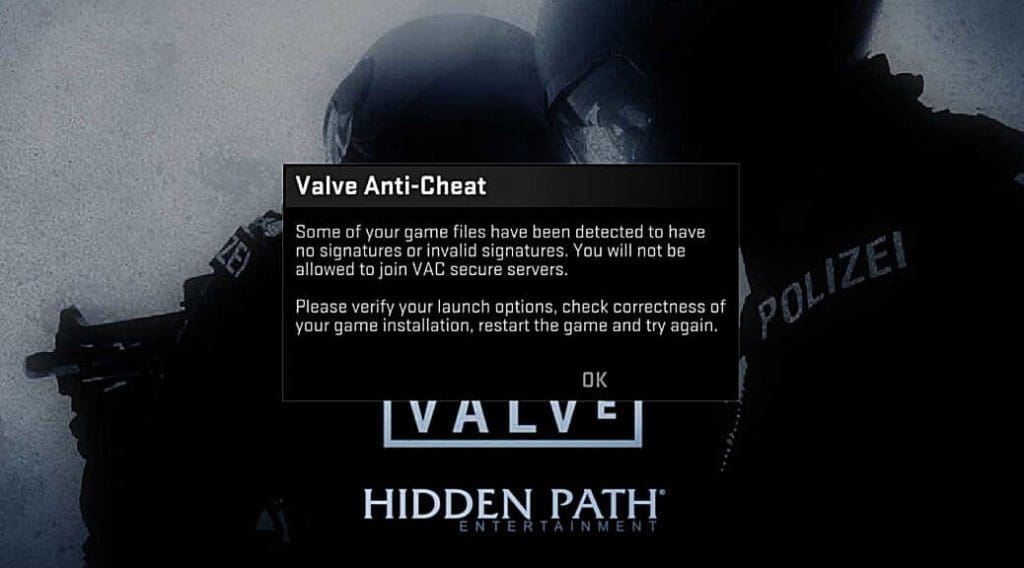
The strongest driver sending players to FACEIT is CS2’s ailing anti-cheat system. Valve Anti-Cheat (VAC) has repeatedly been one of the worst performers in recent comparative tests of FPS anti-cheat solutions. Research at the CheckMATE ’24 conference ranked CS2’s anti-cheat measures behind the big players such as Valorant, Fortnite, Rainbow Six Siege, and Overwatch 2.
The statistics are a stark illustration of how serious the problem is. Premier matchmaking has cheating rates of about 80% according to community reports, whereas FACEIT has an incredibly low 0.4% rate. This stark contrast is because FACEIT’s more intrusive kernel-level anti-cheat system has greater system access and is much better at catching advanced cheats.
Economic Barriers as Deterrents
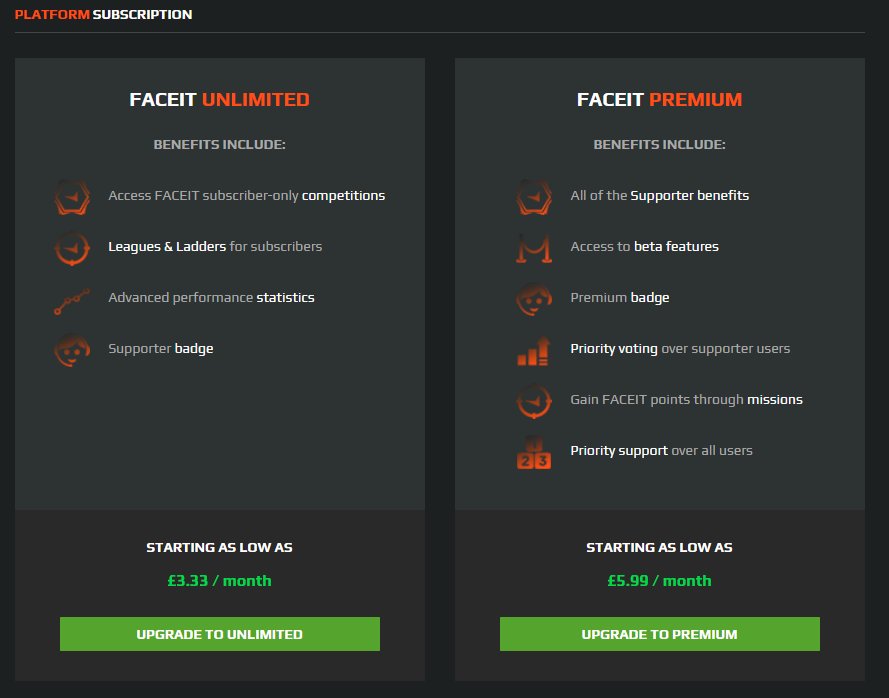
FACEIT’s strategy goes beyond being technically superior to economic deterrence. Whereas CS2-compatible cheats may be available for as little as €5 a month, FACEIT-compatible cheats will cost more at approximately €100 per month and are constantly being patched, decreasing their effectiveness. This economic model, with FACEIT’s active manual banning system, makes cheating extremely costly and risky.
During the period May 2-5, 2024, Valve has banned around 1,500 Counter-Strike 2 accounts. However, this number is only a small percentage of cheating players according to the community. Players’ anger is at the point where coordinated boycott campaigns are running, with players referring to themselves as “hostages in our own game.”
Sub-Tick System Implementation Problems
Even after Valve introduced the groundbreaking sub-tick system aimed at removing the limitation of tick rates, the community keeps experiencing vast gameplay variations between CS2’s 64-tick servers and FACEIT’s normal 128-tick system. Professional players have especially criticized such differences.
KennyS, a former CS:GO pro, experienced significant differences playing on FACEIT servers: “I actually hit a flick that felt like a flick – Pistols are accurate – Sprays are possible.” Even former Polish pro TaZ commented on “a big difference on how you need to play on MM vs FaceIt,” pointing out that the theoretical benefits of sub-tick technology have not carried over into enhanced practical gameplay experiences.
Server Infrastructure and Stability
CS2’s official servers commonly experience performance problems that directly affect competitive games. Players constantly receive “slow server frame” notices, lag spikes, and unreliable hit registration, issues that are especially costly in a game where millisecond timing is the key to success or failure.
FACEIT’s dedicated server architecture has more stable performance between regions and time intervals. Though not entirely free of technical problems, FACEIT servers tend to uphold higher standards of stability, which helps to create a more stable competitive scene that professional players desire.
| Performance Metric | CS2 Official | FACEIT |
|---|---|---|
| Tick Rate | 64 sub-tick | 128-tick traditional |
| Cheating Rate | ~80% | ~0.4% reported |
| Server Stability | Variable performance | Dedicated infrastructure |
| Anti-Cheat Type | VAC + VAC Live | Kernel-level + Manual review |
Premier Mode’s Matchmaking Issues
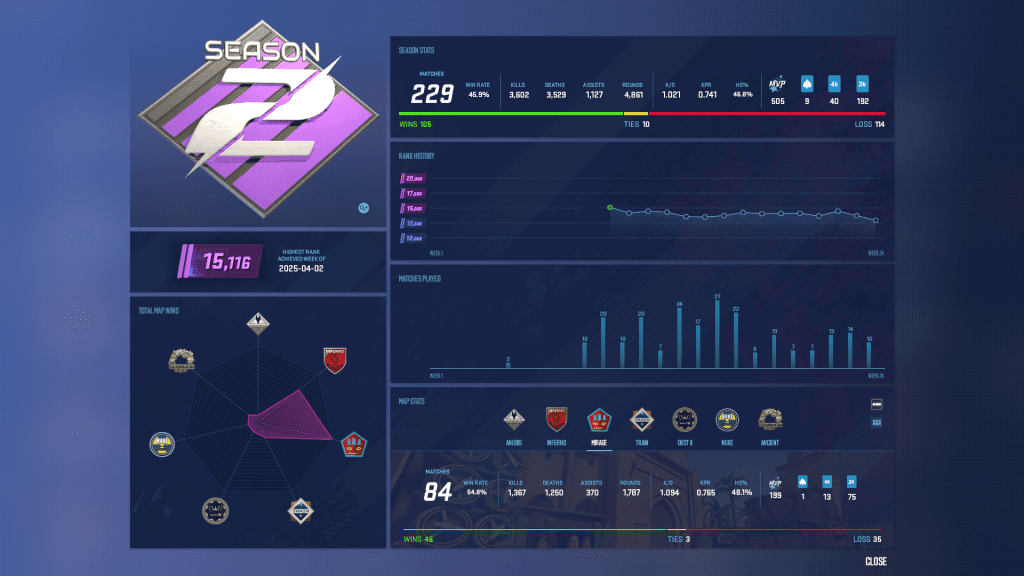
CS2’s Premier mode, which was created as Valve’s response to third-party competitive platforms, is plagued by extreme ranking disparities that erode competitive integrity. The system regularly spawns imbalanced matches in which players are given opponents who are far above or below their true skill level.
Studies comparing FACEIT to Premier rankings reveal significant discrepancies in the rating system. Within the 14,000 Premier rating bracket, FACEIT Level 2 players are matched directly with FACEIT Level 10 players, a considerable skill disparity that highlights inherent flaws in Premier’s ranking algorithm and matchmaking logic.
Trust Factor System Complications
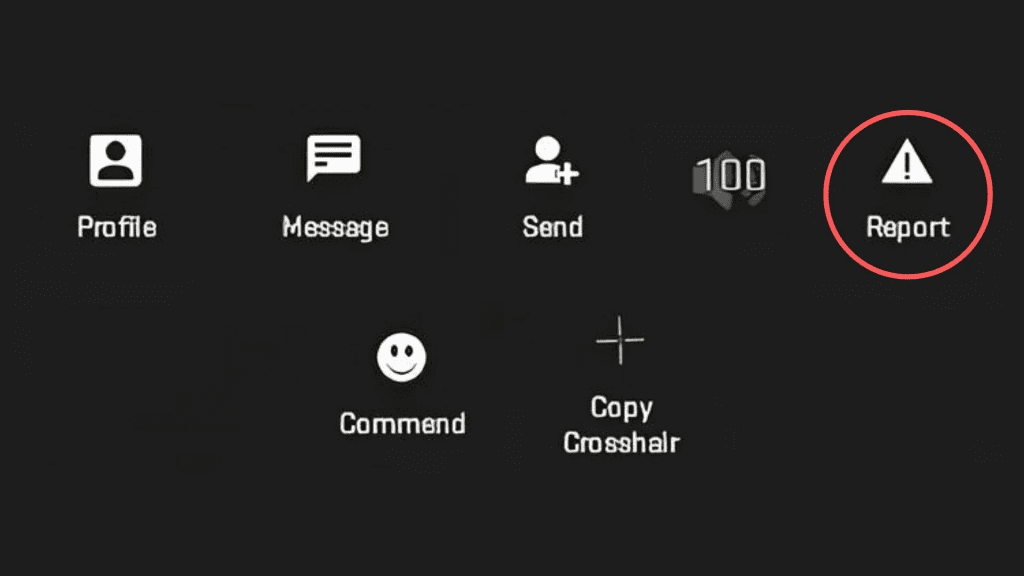
CS2’s Trust Factor system, which was meant to enhance matchmaking quality based on player conduct and account history, has become a cause of source of frustration. Good players are said to be mass-reported by their opponents, which lowers their Trust Factor scores and assigns them positions in lobbies with suspected cheats and toxic individuals.
This produces a perverse incentive structure in which good performance is punished via the reporting system, miring talented players in loops of bad matchmaking experiences. The system seems to punish the newcomer and the veteran, each developing self-reinforcing negative spirals that push users away from official matchmaking.
FACEIT’s Complete Infrastructure
In addition to simple matchmaking, FACEIT has a formal competitive environment with established career paths for improvement. FACEIT has leagues, tournaments, and its elite FACEIT Pro League (FPL), thus building career paths that encourage dedicated gamers to spend time practicing.
FACEIT’s seasonal model, local leaderboards, and reward system have concrete incentives for constant play and development. The point system of the platform, tradable for rewards and special events, gives value beyond mere rank climb.
Professional Player Migration
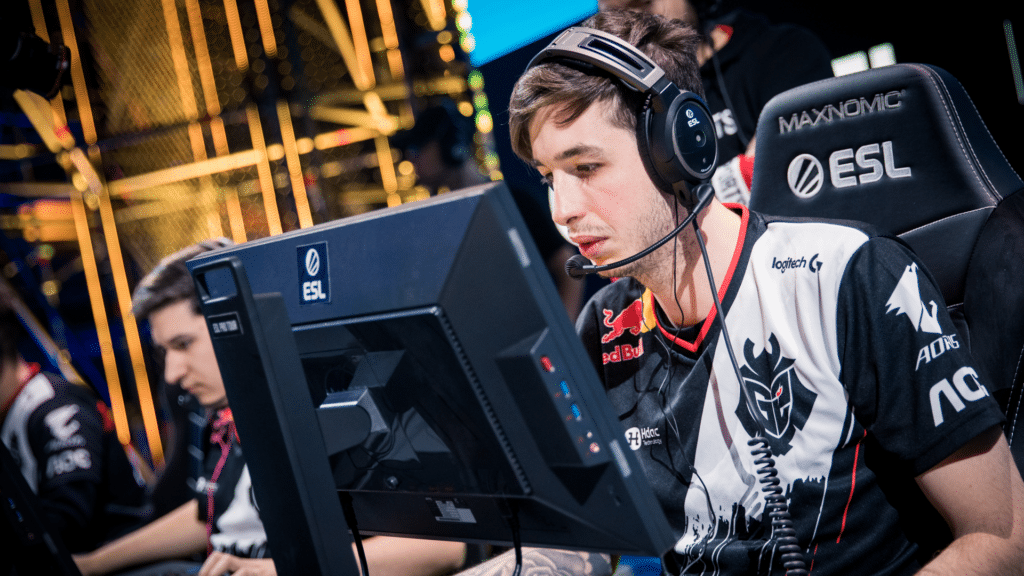
The popularity of FACEIT among top and professional players has a great impact on the perception of the community. Several professional players avoid CS2’s official matchmaking altogether or make limited usage of it, preferring FACEIT for serious practice and skill building.
This professional exodus is a result of FACEIT’s more stable high-level competition, better anti-cheat safeguarding, and community interest in competitive superiority. If the game’s top players are consistently opting for third-party platforms, a message is being sent regarding quality variance between systems.
Latest figures show that around 18% of CS2 players use FACEIT only for competitive play. This is a large percentage of the most active competitive player base, and it creates a self-sustaining process where serious players more and more turn away from official matchmaking.
New developments indicate CS2 is losing close to 50,000 active players from May to July 2025. Although seasonal patterns explain player number changes, community feedback all the while points to matchmaking quality, the prevalence of cheating, and the competitive experience in general as major determinants of exits.
Communication and Transparency Issues

Valve’s reserved communication about matchmaking enhancements is another main source of frustration in the community. While the company has technically enhanced anti-cheat mechanisms and fixed certain network problems, many of the core issues are still unaddressed or inadequately explained to players.
This communication gap is confusing the future of improvement and making the competitive community feel neglected. The lack of openness regarding ranking algorithms, anti-cheat performance, and intended improvements provides grounds for doubt about CS2’s long-term competitive value.
Global Server Coverage
FACEIT’s worldwide infrastructure tends to present superior server coverage in under-served areas than CS2’s official servers. For gamblers in regions lacking server infrastructure, FACEIT is often the only acceptable means of competitive play within their region.
This regional reliance on third-party services points to inherent infrastructure shortcomings in CS2’s worldwide rollout and questions the dedication of Valve to offering uniform service quality globally.
Verdict
The continued popularity of FACEIT over CS2’s native matchmaking indicates the presence of nuanced technical, social, and competitive considerations beyond mere comparisons of features. Although Valve has put much investment into major technical innovations, these developments have not translated to competitive experiences that appeal to the most dedicated players.
The task for Valve is not only to match FACEIT’s existing features but also to show long-term commitment to competitive quality by providing continuous updates, open communication, and active community interaction. Unless it addresses these basic issues, CS2’s matchmaking will remain inferior to mature third-party solutions.