

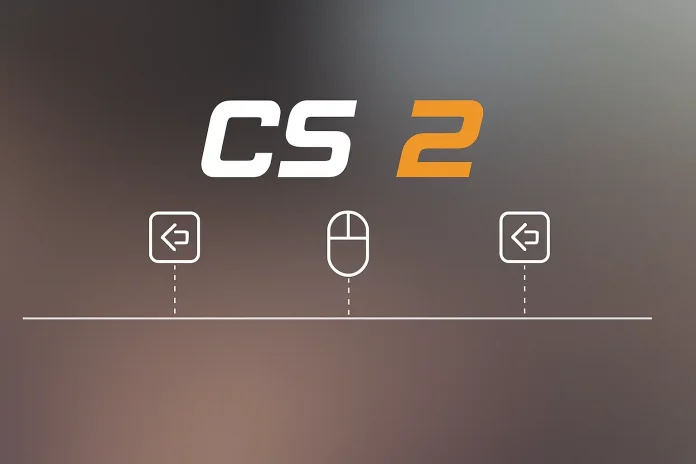
Almost two years since its launch, Counter-Strike 2 still grapples with long-standing server issues that effectively destroy the competitive game Valve had promised. Even with the shift to the Source 2 engine and new groundbreaking subtick technology, CS2’s server framework cannot live up to player expectations in several key areas, leading to a chain of issues that impact everything from leisure gamers to professional esports players.
The Subtick System: A Technical Leap That Failed
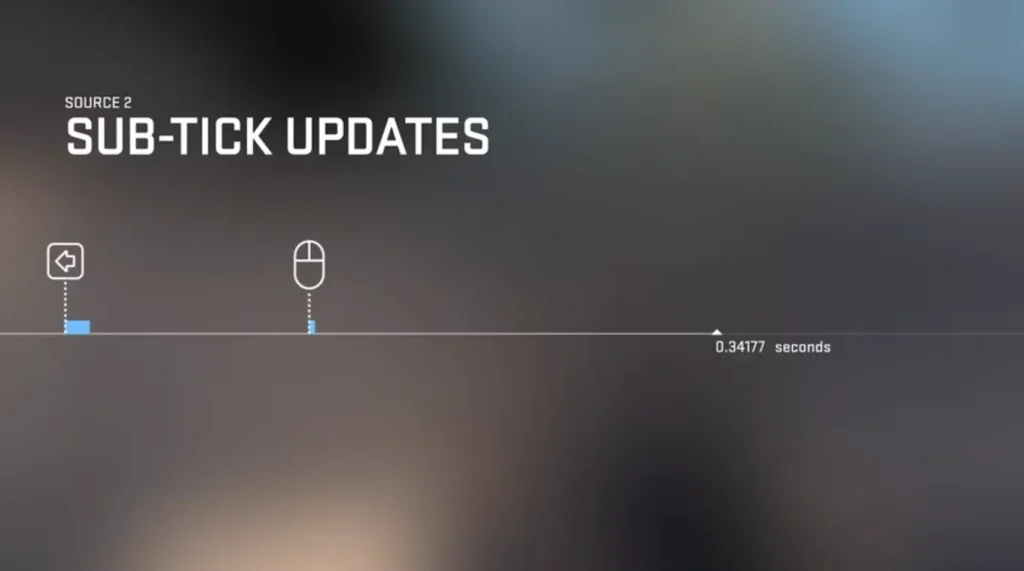
Valve’s subtick system was met with enthusiasm as a revolutionary solution to the long-standing debate over 64-tick vs. 128-tick servers. By allocating timestamps to all player movement and processing them between normal tick updates, the system claimed to provide even better accuracy and responsiveness. Reality, however, has been much more complex.
A study by computer science students shows a basic flaw in Valve’s argument. Although CS2’s subtick system produces packets of approximately 200 bytes under regular gameplay, non-shooting operations swell to as high as 1,300 bytes, while shooting operations bring 347 bytes. These numbers overshadow the data demands of standard 128-tick servers, squarely against Valve’s argument that subtick minimizes system load and bandwidth needs.
The technical ramifications are drastic. Players describe suffering from desynchronization problems, in which the client and server states become wildly divergent. Console messages, such as “Slamming client tick to server tick,” are now ordinary, reflecting core timing desynchronizations. This presents the peculiar paradox that a system implemented to enhance accuracy actually makes things more inconsistent than its antecedent.
Infrastructure Limitations Haunt Competitive Play
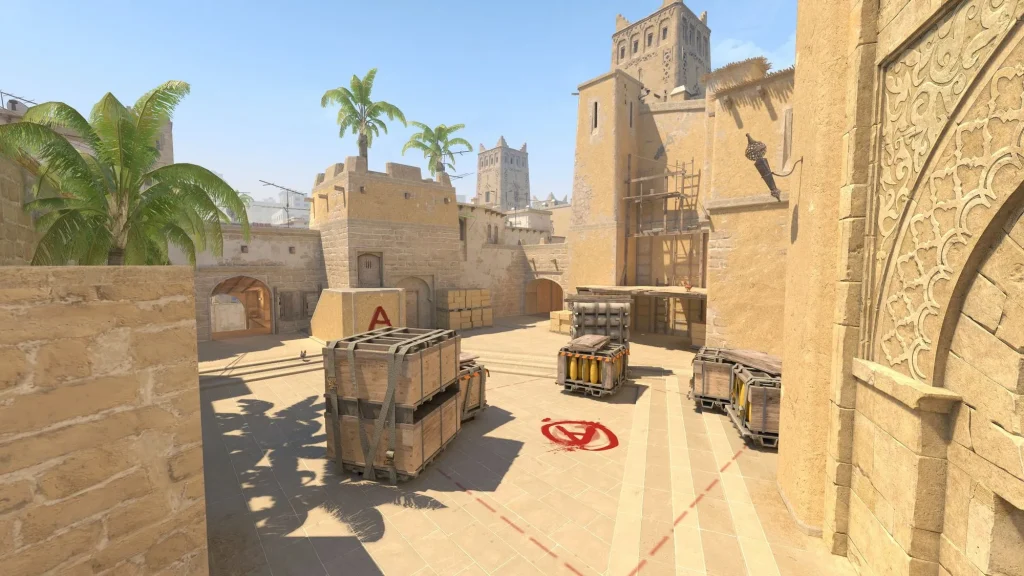
CS2’s server setup is plagued by systemic issues that go beyond the subtick design. Official servers of the game tend to run slowly during busy times, with players often being greeted by “slow server” messages and timeouts. Server uptime figures indicate that, though regular maintenance is done every Tuesday at 16:00 Pacific Time for 5-10 minutes, unplanned downtime ranges from 30 to 60 minutes during massive updates.
The 64-tick cap on official servers has proven a specific point of anger. While Valve insists this is adequate with subtick tech, competitive players routinely claim the system plays less well than CS:GO’s 128-tick servers on non-official servers. The difference has caused a major chunk of the competitive community to forsake official matchmaking for third-party services such as FACEIT, which persists in delivering 128-tick servers even in CS2.
Regional server placement also comes with issues. Players who are far away from other players tend to have routing problems, experiencing packet loss and excessive latency even when connecting to regionally appropriate servers. Server lock limitations applied in some regions exacerbate the issues further, denying players access to optimally performing servers that are close by.
Network Performance: A Step Backward
One of CS2’s most obvious failures is in its network performance over that of its predecessor. The subtick system’s larger packet sizes put stress on internet connections, which in turn harms the players with low bandwidth or flaky connections. It thus produces a two-tiered society in which gamers with high-end internet infrastructure get to play relatively lag-free, and gamers with lower-end internet infrastructure get constant rubberbanding, packet loss, and desyncing.
The packet loss problem is so widespread that Valve added in-game buffering features to smooth over packet loss. Although this solution can minimize the apparent effects of network problems, it means paying a price in added latency with its introduction, resulting in a choice that should not be necessary in a well-designed system. Players complain that with a constant 15ms ping and no packet loss as measured by network diagnostic tools, they still have rubberbanding only in CS2.
Hit registration issues exacerbate these network issues. Even the subtick system’s potential for enhanced accuracy cannot be relied upon, with shots that graphically connect not registering damage consistently. Blood effects register without concomitant hit confirmation, and full magazine dumps into stationary targets at times result in no damage. These issues are especially evidenced in spray patterns, with the longer bursts tending to have increasingly poor registration.
Performance Regression: A Technical Setback
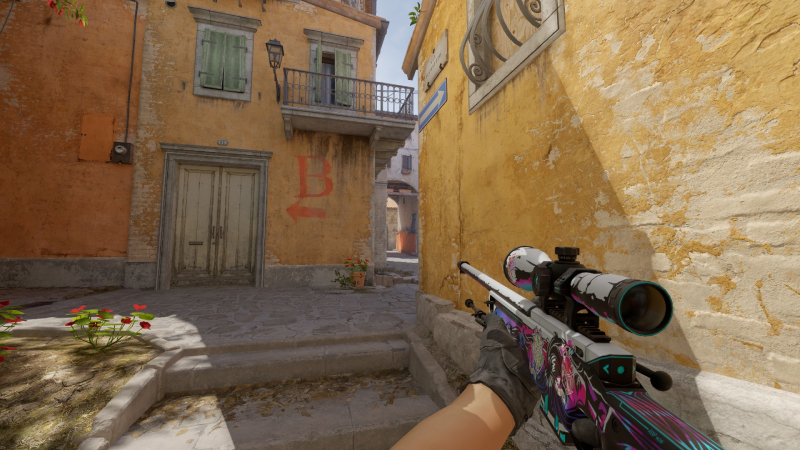
The move from CS:GO to CS2 has yielded quantifiable performance regression on nearly all hardware configurations. Competitive players indicate drops in frame rates and unpredictable frame times, with systems that were able to produce 300+ FPS in CS:GO now having trouble replicating such performance in CS2. The optimization failure specifically targets players whose hardware is mid-range or older, introducing accessibility hurdles that were not present in the earlier version.
Performance testing reveals that CS2 averages 7% lower frame rates than CS:GO on identical hardware, despite Valve’s claims of engine improvements. More concerning is the inconsistency in frame delivery, with players experiencing significant stuttering and frame time spikes during combat scenarios. These performance issues are most pronounced on certain maps, with locations like Ancient causing dramatic FPS drops even on high-end systems.
The hardware demands have, in essence, risen without entitlement. Gamers who were able to comfortably play CS:GO at professional frame rates are now compelled to upgrade their machines or settle for inferior performance. This reduction in accessibility goes against the inclusive environment that made Counter-Strike a worldwide popular game.
Professional Community Backlash
The competitive community has grown increasingly outspoken about the faults in CS2. FaZe Clan’s Robin “ropz” Kool was one of the most vocal critics, calling the game only “alright” and estimating it won’t become competitive-ready until 2030. His technical criticism of the tick rate model represents more widespread professional opinion that the game plays essentially differently than CS:GO in ways that undermine competitive integrity.
G2 Esports’ Nikola “NiKo” Kovač and other top pros have repeated similar complaints regarding gameplay basics. The agreement among the best players is that CS2 isn’t polished and responsive enough for elite play. Team Liquid’s EliGE has said that, in his opinion, “the game is worse than CS:GO,” and cited optimization issues as the main issue.
This industry critique holds a lot of importance in the esports community. When the world’s top players are complaining about the platform all the time, it shakes the faith in big tournaments and competitive balance. That a lot of professionals still prefer third-party services to official matchmaking says a lot about Valve’s inability to cater to its most interested user population.
The server issues have produced unprecedented fragmentation in the Counter-Strike community. FACEIT has emerged as the de facto standard for serious competitive play, providing better servers, good anti-cheat, and more stable performance. This reliance on third-party services is a basic failure of Valve’s official infrastructure.
The contrast with FACEIT and Premier mode shows the level of Valve’s fallibility. FACEIT’s own anti-cheat mechanism, specialized servers, and sophisticated matchmaking algorithms repeatedly provide a better experience. Players note the difference is apparent from the word go, with more stable connections, more even matches, and far fewer cheats.
This fragmentation has resulted in a two-tier system where casual gamers are forced onto buggy official servers and serious competitors jump onto paid third-party servers. The financial barrier this presents runs counter to Counter-Strike’s historically open nature and puts the long-term health of the game’s community at risk.
Final Thoughts
Fixing CS2’s server crashes involves core technical overhauls and the renewed passion to interface with the community. The subtick mechanism should be thoroughly optimized to decrease packet sizes and enhance synchronization. Valve needs to invest in server infrastructure growth to manage high loads and eliminate geographic disparities.
The anti-cheat subsystem needs to be revamped entirely, perhaps implementing more intrusive detection techniques like those used by leading competitors. Optimization of performance must take precedence over cosmetic enhancements, with priority consideration given to preserving accessibility on a wide range of different hardware configurations.
Above all, Valve must restore its community’s trust through open communication and responsive design. The recent trend of infrequent patches and limited community engagement has led to a gap between player requirements and developer intentions.