


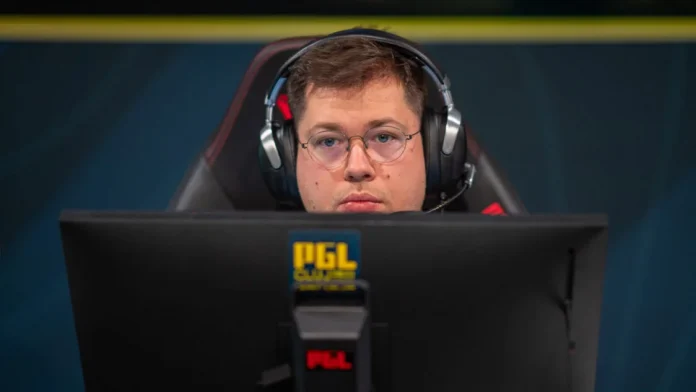

The launch of CS2 was far from smooth, as most players did not respond well to the early version of the game. As time has gone by, the esports scene has stabilised to a great degree, as once again we can feast on top-tier CS2 action. While the esports events are back in full swing, it is difficult to see some of our favourite players from the previous generation struggle to adapt to the plethora of changes that the developers introduced with the new game.
While it is common in sports to see older players lose their skills to time, is there more to it than just ageing? CS2 not only brought visual changes to the game, but the game underwent a massive overhaul under the hood, which changed the in-game experience in more ways than one, leading to players showing adaptability issues.
While one would see many pro players from the last decade still delivering at the peak of their powers, several big names are nowhere to be found. In this article, we take a deep dive into uncovering how the legends of the game failed to adapt to Counter-Strike’s latest iteration.
A New Era, A Harsh Reality
The poor performance of our favourite players can be attributed to several reasons, but not one size fits all. Here we look into some of the possible reasons that came in the way of a smooth adaptation process for players.
The Subtick System Has Altered The Feel of The Game
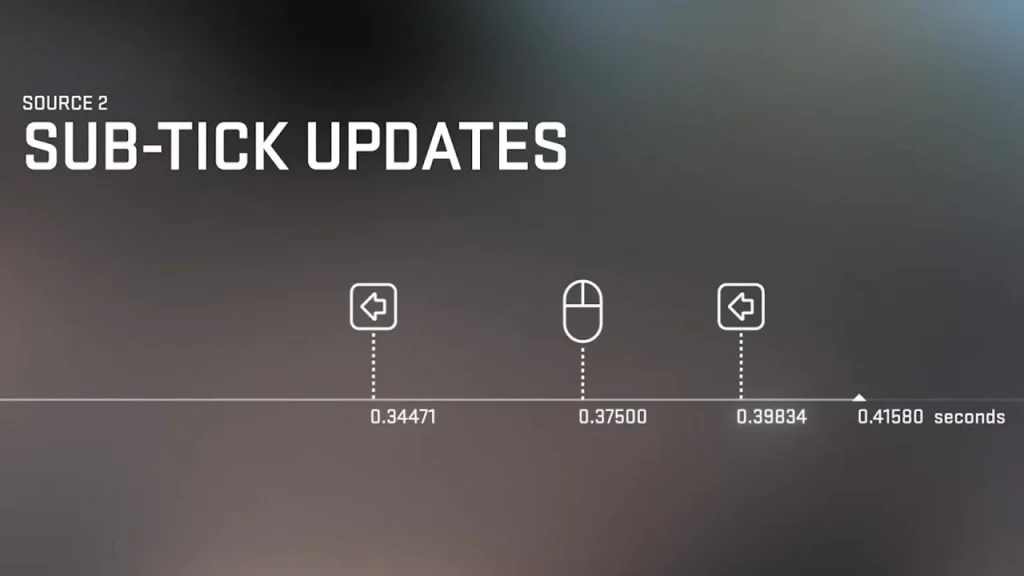
While the system itself is technically an improvement over the previous one, it takes quite a while to adapt to, and not many players can do it at an older age after having mastered the same in CS:GO and CS 1.6 for over a decade. Those who were unable to get ahead of the relearning curve in time fell behind as the esports scene continued to grow without them.
The Subtick System posed the following challenges:
- Movement is more floaty.
- Input delay due to a discrepancy between the server and client sides.
- Reworking the muscle memory honed over the years in CS:GO.
The Meta Has Shifted Toward Younger Reflex-Based Play
As the game became more precise and accurate, younger players with sharper mechanics benefited a great deal. Younger players historically have had better raw skill than an experienced player, who often tends to rely on other aspects. Given that players with better mechanics are being rewarded by the game’s design, younger players are outshining the older ones by a significant margin.
CS2’s current meta rewards:
- Hyper-aggressive peaks and swings
- Wide peeking more often
- Raw mechanical aim
What Is Keeping Older Players Relevant in CS2?
Looking at the top 10 teams on HLTV, there are a handful of players who were playing at the highest level in CS:GO, and unsurprisingly so, most of them have taken a common approach to stay relevant in the game. apEX, karrigan, and falleN are all IGLs, while they were IGLs during their tenure in CS:GO too, and being an IGL lets them get away with poor statistics. Sacrificing themselves for the team and calling the shots thanks to the decades of experience that they have garnered leading teams across CS 1.6, CS:GO, and now in CS2.
Looking at riflers, hardly anyone besides NiKo and XANTARES has managed to maintain their position as feared riflers. They had a difficult time putting up numbers when compared to CS:GO. Most riflers moved away from some of the more active roles and into roles that can utilise their experience more than their mechanics. Not only does this show a massive downfall in the performances of the stars of CS:GO, but we also fail to understand that the process of natural selection is catching up to our favourite players.
How Did Some Stars Adapt Well?
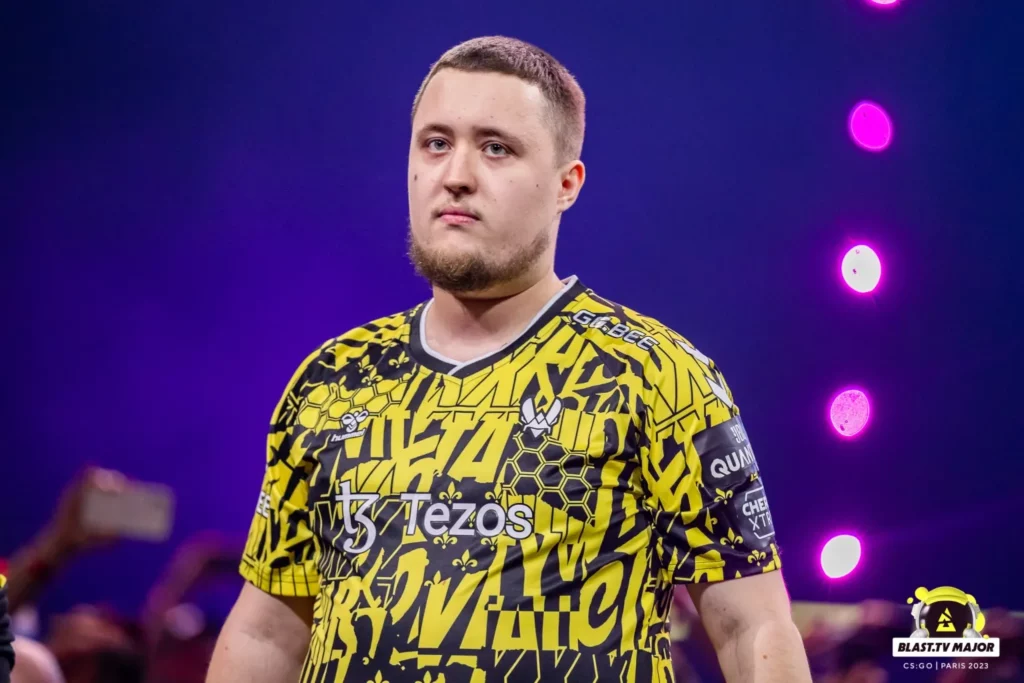
If one examines the performances of ZyWoo, it is very hard to notice anything but an improvement over his previous performances. While he, ropz, and several other top players from CS:GO were able to adapt, most had to compromise on their roles or positions to keep up with the rest.
The likes of ZyWoo and ropz are exceptions to the mandatory CS2 nerf. We can write them off as exceptions, given how their talent remains unrivaled and few can keep up with Vitality at this point. It has been two years since CS2 came out, and while the game was unstable at a nascent stage, most players saw it as the end of an era, leading to a decline in motivation.
Declining Motivation and Burnout
Take s1mple, for example: it wasn’t until the very end of CS:GO that the highly coveted Major finally made it to his trophy cabinet. We can see the decline in his performance after winning the Major, while there is no rhyme or reason for why it happened, we can attribute it to a lack of motivation or burnout from grinding for years.
The steep learning curve and falling behind of the younger ones are likely to take a heavy toll on the motivation of the players. Many have tried but failed to keep up with the teams that were able to blend the young talents well into their teams.
It would be wrong to put all the blame on the overhaul that CS2 brought to our favorite game, but we must accept that our favorite players cannot deliver jaw-dropping performances forever, and just like any other sport, there comes a time when players must pass on the mantle.
CS:GO is more than a decade old, and it is hard for the same players to remain in their prime and adapt to a new game simultaneously. It is only normal that most can’t, even if they manage to do it, their experience has become more valuable than their skills, as teams utilise them in different ways and do not get lost in nostalgia. These players were young talents once and replaced the legends of the era that came before them. This is nothing more than the natural cycle of the game.
Most of our favourite players are either sipping a Pina Colada on some beach in Cuba or have accepted less glorious roles in teams or moved to a lower tier of competition. It is not what we have wanted, but the show must go on.