

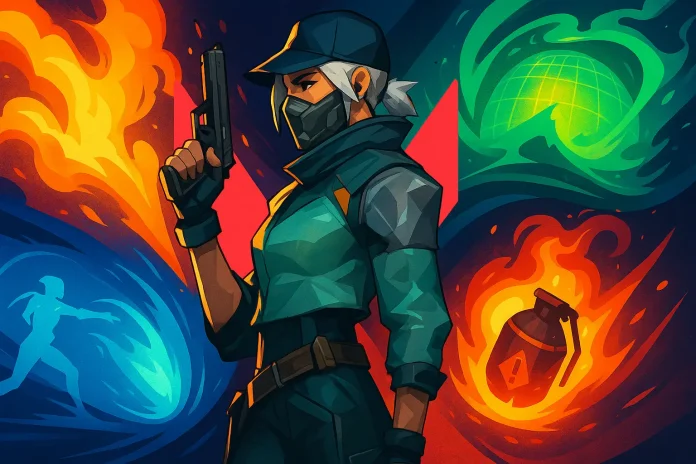
By the late 2010s, Counter-Strike: Global Offensive had established its title as the undisputed king of competitive shooters throughout the world. With millions of daily active players, a thriving skin economy worth billions of dollars, and constant updates from the dev team, CS:GO continued to dominate not just the world of FPS titles, but video games in general. During that period, many prominent titles attempted to break into the tactical shooter space and try to take over Counter-Strike’s dominance, but none of them succeeded.
That is, until Valorant made its entry into the genre in 2020. The Riot Games FPS title managed to challenge Counter-Strike’s long-standing reign, and it lived to tell the tale.
Since the dawn of its release in June 2020, Valorant has become an instant hit among gamers across the globe. It didn’t just attract the hardcore CS veterans, but also appealed to casual players and fans of other genres alike.
So, what makes Valorant different from the other FPS titles? How did it manage to challenge Counter-Strike’s monopoly in the genre without a legacy, a competitive scene, or a proven formula to lean on?
The answer might just lie in how Riot incorporated the tactical utility from traditional FPS games as a core part of Valorant’s identity.
The Role of Utility in Tactical Shooters
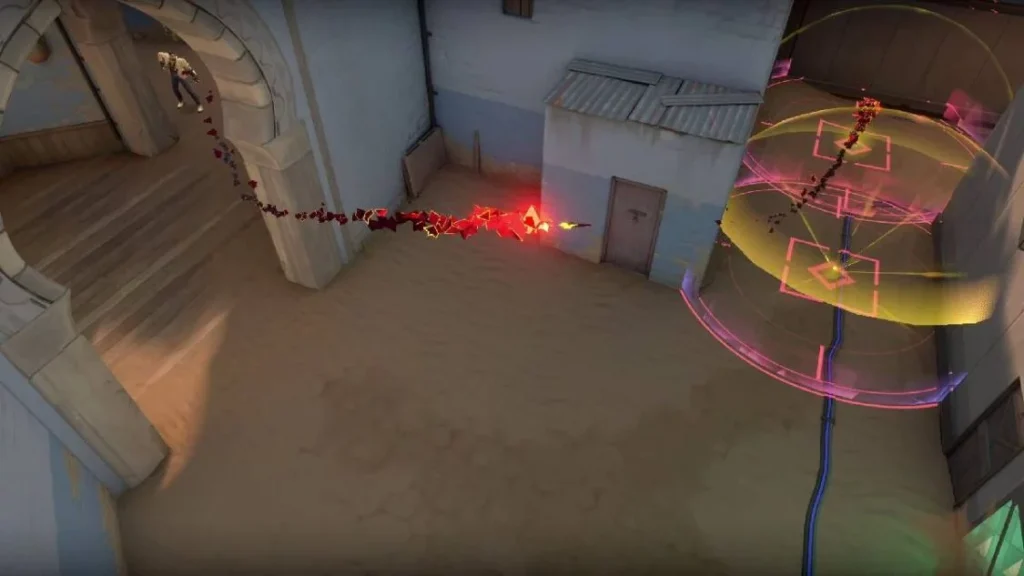
First, let’s take a moment to reflect on the nature of utility in tactical shooters. Utility in traditional FPS titles like Counter-Strike typically refers to grenades like smokes, flashes, or molotovs, which are essentially tools used to gain an advantage over your enemies in gunfights. Generally, utility in FPS games is used to take control of crucial choke points, force enemies to come out of cover, or disrupt line of sight. They’re undoubtedly a crucial part of tactical shooters, but often secondary to raw aim and mechanical skill.
Additionally, anyone can buy these pieces of utility in games like CS, as they’re not attached to a specific character. While many view this as a net positive, it doesn’t bring any sense of “identity” to smokes, flashes, or nades.
As a result, utility in traditional FPS titles is linked with strong, tactical gameplay, but at the same time, they are not the best form of personal expression.
Binding Abilities to Agents
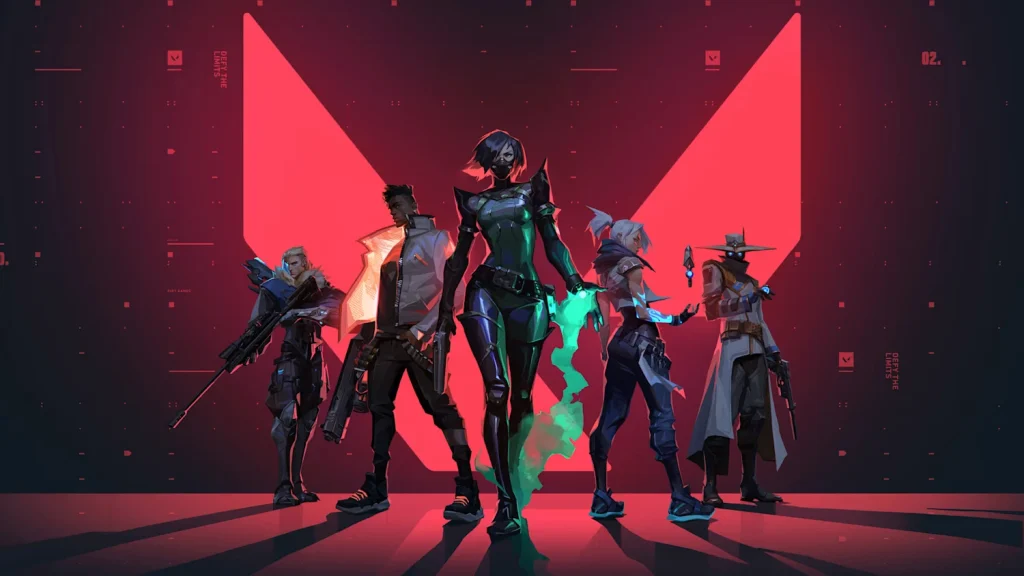
With Valorant’s entry into the competitive shooter genre, Riot experimented with a bold move: tying essential utility directly to individual Agents.
For the uninitiated, each Agent in Valorant owns a specific set of abilities, and no two abilities in the game are the same. For instance, while Phoenix’s flash and KAY/O’s flash share the same core purpose of blinding enemies, they differ vastly in terms of execution.
This can be a limiting factor in many situations, as the game puts every player on different playing fields, operating with different tools, roles, and impact potential. At the same time, this also gives each piece of utility a distinct identity, making factors like team comps all the more important.
This decision makes the gameplay of Valorant identity-driven, as you have to lock in your playstyle, role, and kit even before you enter the game. Duelists are tasked with entering bombsites or securing the most amount of frags. Initiators provide information for their Duelists to enter, Controllers smoke off vital choke points to deny information to enemies, while Sentinels are capable of holding down bombsites with defensive utility.
Personality in Utility
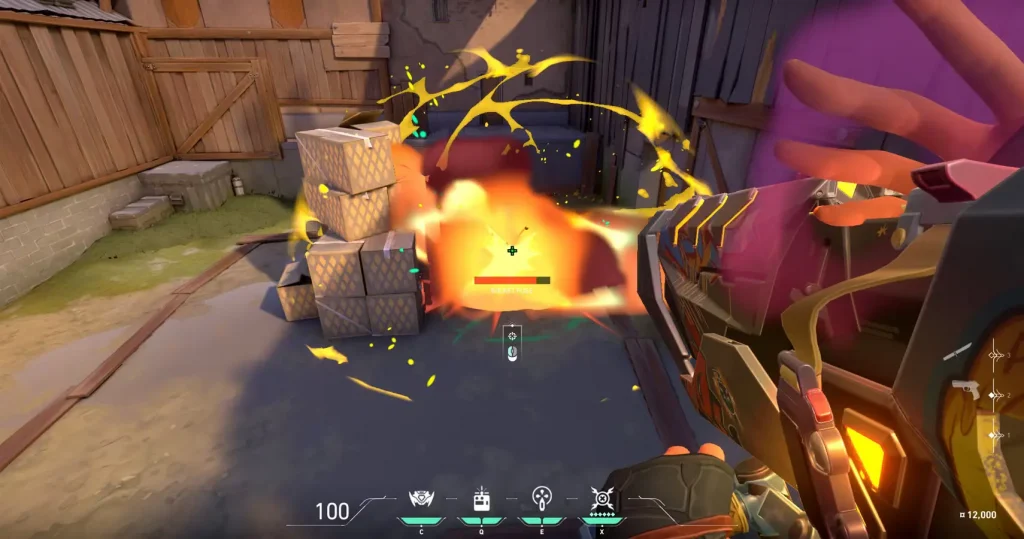
Every piece of utility in Valorant reflects the personality of the Agent using it. Omen’s smokes, paranoia, and even his ultimate are ghostly and mysterious, while Raze’s nades and sachets feel loud and chaotic, which fits their lore and overall vibe. This is further reinforced by the Agent voice lines, ability visuals, and audio design.
For the same reason, Agents that have similar abilities still feel wildly different in how they play out. A flash from Skye is generally used as support for her teammates entering sites, while a Yoru flash is typically used for self-entry or to create confusion in combination with his clone. Both are technically flashes, but their intent, execution, and the role they serve in a round are shaped entirely by the Agent’s design and identity.
By embedding personality into gameplay mechanics, Riot has created a roster where each Agent feels distinct. This design choice deepens player immersion and adds layers of strategic depth, while also ensuring that no two lineups, or even rounds, ever feel the same.
Why It Works
Now that we’ve gone through how Riot successfully incorporated utility as part of Valorant’s core identity, it might be a great time to check out why it worked out so well for the title. After all, abilities aren’t exactly a new thing in the world of video games.
The first thing that Riot’s bold decision of adding abilities to a tactical FPS led to is deeper emotional investment for players, who felt more connected to the Agents that they were playing compared to traditional shooters. For the same reason, a lot of players were “one-tricking” certain Agents or roles, whereas such personal attachment to a particular playstyle was almost non-existent in Counter-Strike.
Secondly, it introduced the concept of team roles from the get-go. While there are certainly finer nuances to Valorant’s roles, the game has some predefined major roles like Duelist, Initiator, Controller, and Sentinel. This makes it much easier for newer players to get into the game by giving them a clear understanding of what’s expected from each Agent. On the contrary, Counter-Strike lacks formalized roles, leaving players to figure out responsibilities organically, often relying on experience, communication, or team structure to define who does what in a round.
Lastly, this clear role structure also translates seamlessly into the esports space. Viewers are easily able to identify each player’s purpose within a round just by seeing the Agent that they’ve picked.
With Valorant, Riot effectively created a bridge between lore, function, and player psychology. Rather than just being gameplay mechanics, the Agents in Valorant have a personality, which in turn makes players feel more connected to their picks and fosters long-term attachment.
Challenges and Trade-Offs
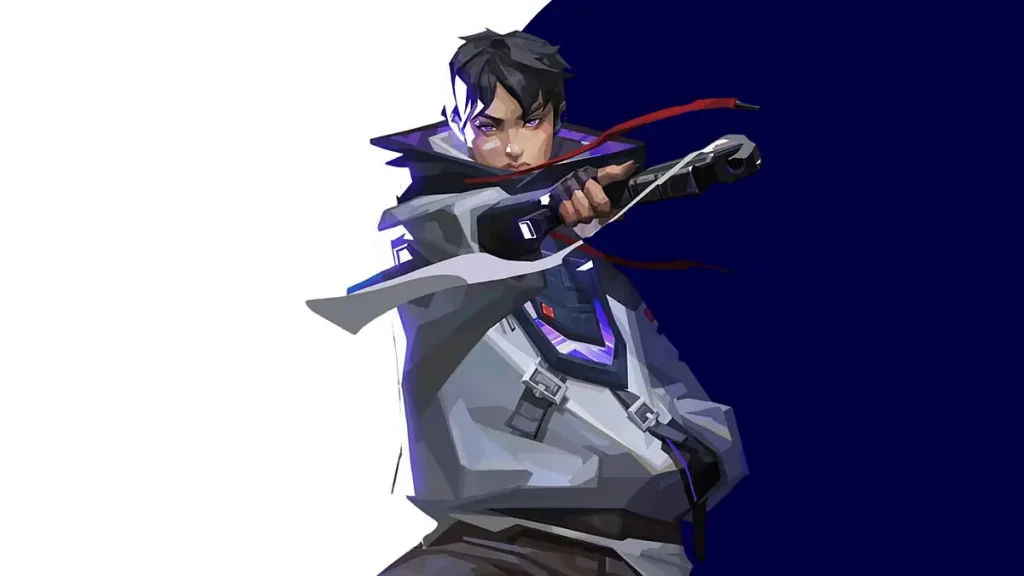
While Riot’s approach to Valorant has, without a doubt, been effective in attracting a broader audience, it isn’t without its drawbacks.
In a game like Counter-Strike, every player is put on a level playing field and has access to the same utility. This makes each round in a competitive game feel fair and balanced, with ample room for outplaying and counter-playing your opponents.
On the other hand, once you’ve locked in an Agent in Valorant, you’re stuck with their abilities for the entire game. There’s no way for a Sentinel or an Initiator to smoke off vital choke points, which means that if you lose your Controller early on, you’re already at a significant disadvantage.
At the same time, some Sentinels have access to a utility that enables them to hold flanks, while others are completely unable to do so. This inconsistency within roles can easily lead to gaps in team coverage, especially in solo queue or ranked matches where coordination between teammates isn’t guaranteed. This also creates a gameplay loop that’s a lot more rigid than CS, with much less room for flexibility.
With this approach, Agent balancing also becomes a major cause of concern in the Valorant community. As there’s no single universal smoke, molly, or flash, the devs must constantly fine-tune every individual piece of utility across the entire roster, all while introducing new Agents and mechanics to keep the gameplay fresh. And then there’s the threat of power creep, where newer Agents often outshine older ones simply by offering more versatility or impact.
However, one can also argue that the identity that Agent’s abilities bring to Valorant far outweighs its downsides.
Verdict
Despite its shortcomings, it’s undeniable that Valorant has done something remarkable for the tactical FPS genre – it has given utility a personality. By embedding every flash, smoke, and molly into the DNA of its Agents, Riot has redefined how players look at utility in games. In Valorant, your Agent utility is much more than just a set of tools, as it defines your overall playstyle and role within the team before a match even starts.
Of course, this approach brings with it new balancing challenges, but the result is a vibrant, character-driven tactical ecosystem that sets Valorant apart from the plethora of other titles in the genre. Riot’s bold design choice is far from perfect, but it’s still a compelling direction for the future of the genre.