Counter-Strike 2 has released “Rain-cient” Update with Ancient’s night version, Deluge Music Kit Box, M4A1-S | Solitude, Austin Major 2025 Sticker Sale, and more.
Previously, several data miners revealed that Valve is working on a night version of the Ancient map. Today, it became official. The new update brings a new and immersive rainy weather to its legendary Ancient map, alongside sweeping visual, gameplay, and performance improvements throughout the game.
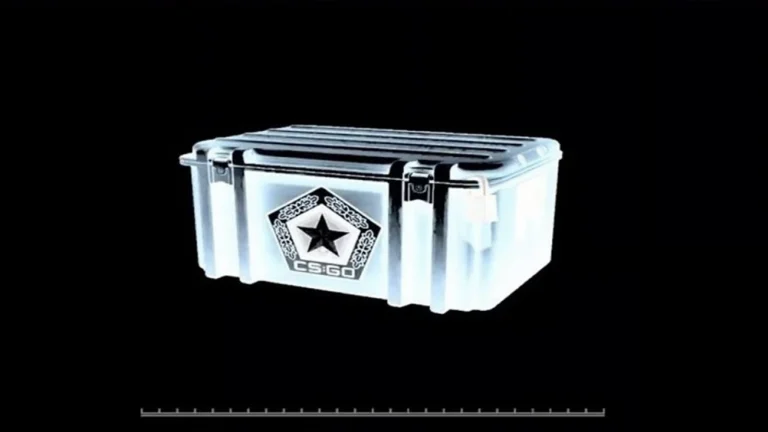
Apart from that, the new Deluge Music Kit Box is currently available in the in-game store. You can purchase both the standard and StatTrak versions. The box contains the following music kits:
Adam Beyer
Ghost
HEALTH
James and the Cold Gun
Jonathan Young
Juelz
Killer Mike
PVRIS
Selective Response
Tigercub
Along with it, a new M4A1-S skin has been introduced, named Solitude. It is added in the Limited Time item inside the Armory Pass. There are multiple versions of the skin available.
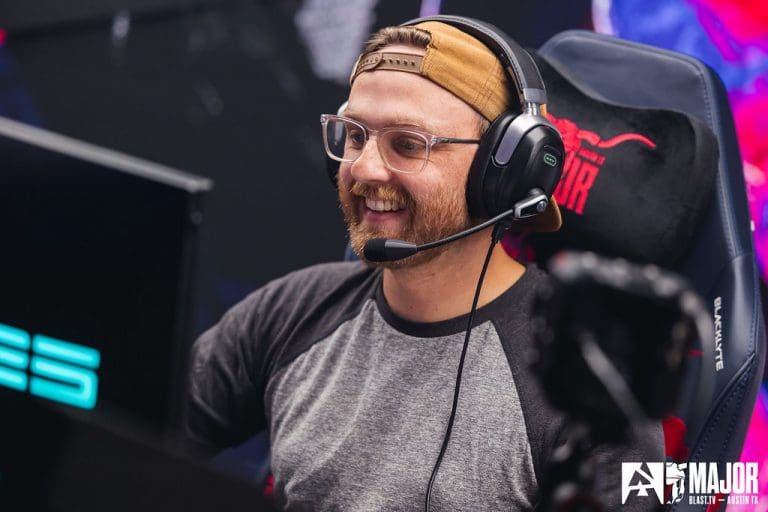
The Austin Major 2025 sticker capsules are also available at a 75% discount within the store. Apart from that, there are some other changes within the game. Without wasting time, let’s check out the official patch notes:
[ MAPS ]
Ancient and Shoots
Added nighttime versions.
Refreshed all ancient materials to use latest CS2 shaders.
Added new blending options for ancient materials including wetness and moss.
Added “ancient_zoo.vmap” with all assets and blending examples for mapmakers.
[ ITEMS ]
Deluge Music Kit Box is now available for purchase in standard and StatTrak versions.
New Limited Time Item, the M4A1-S | Solitude, is now available in The Armory.
[ ANIMATION ]
Sawed-off shotgun deploy modified and fixed shell penetration on reload.
Improved deploy +quick inspect animations for all knives.
Improved deploy +quick inspect animations for the AK, Galil, AUG, PP-Bizon.
Improved deploy animations for the AWP, M4A4, M4A1-S.
Improved animations for legacy SSG08 models.
Removed the deploy inspect delay for most weapons.
Fixed XM1014 blocking crosshair during reload.
[ MISC ]
Rendering performance improvements across most maps.
Rendering resolution and aspect ratio can now be changed in fullscreen windowed mode.
fps_max can no longer be changed while connected to a server.
Fixed a case where certain weapons could be fired sooner after a re-deploy.
If you’ve ever found yourself grinding for your dream rank in Valorant, chances are you’ve probably felt the quiet pull of the game’s hidden Elo system in your competitive games. You win four games in a row, but your rank barely moves, or you lose 2 games and suddenly drop an entire tier.
And then there are moments where the algorithm feels stacked against you. Matches that feel completely lopsided, where your team can’t seem to land a shot while the enemy reads every move before you make it. You’re convinced they’re at least a few divisions above you, only to check the scoreboard at the end of the game and find everyone sitting around the same rank.
If this all feels a little too familiar, don’t worry, you’re not alone. While there are several factors that can lead to these moments, many players believe this imbalance in matchmaking is primarily caused by the Hidden Elo system that Valorant and many other competitive multiplayer games have in play.
While Riot Games hasn’t used the term ‘hidden Elo,’ former Valorant Competitive Designer ‘EvrMoar’ has confirmed that the game relies on an unseen matchmaking rating (MMR), which is separate from your visible rank.
But what exactly is hidden Elo in Valorant, and how does it impact your ranked games?
In this article, we’ll take a look at everything you need to know about the hidden elo system of Valorant, how it influences matchmaking, and how you can utilize it to achieve your dream rank.
What is Hidden Elo in Valorant?
In Valorant, your rank is represented by a visible badge that reflects your current competitive standing. There are a total of nine divisions in the spectrum of ranks – Iron, Bronze, Silver, Gold, Platinum, Diamond, Ascendant, Immortal, and Radiant. Each of these ranks, with the exception of Radiant, is further subdivided into three groups.
As you may already know, you can raise your Valorant rank by winning competitive games, while losing games will make you rank lower in a lower division. However, this is just the visible badge that you see on your profile. Behind that shiny emblem lies a hidden number, which is the real force driving your matchmaking experience.
This hidden Elo in Valorant, which is assigned to every player based on a number of different performance metrics, is the primary factor determining your matchmaking quality, how much RR (rank rating) you gain or lose per game, and the caliber of opponents you face in your ranked matches.
This hidden MMR is rarely a representation of your visible Valorant rank, and it’s not uncommon for two players sharing the same badge to have wildly different MMRs.
How Hidden Elo Skews Matchmaking
Since the hidden Elo of players can often be significantly different from their visible rank, it can easily skew the matchmaking experience in ranked games.
For instance, players with a higher hidden Elo are more likely to be placed against tougher opponents even if their visible rank is lower, while players with a low hidden Elo might face easier opponents.
This is why you’ll occasionally see a Gold-ranked player in your Diamond solo queue match or find yourself going up against an Ascendant while sitting in Platinum.
For the same reason, players with a high hidden Elo find themselves gaining more RR upon winning a ranked game, whereas those with a low hidden Elo gain significantly less and lose more when they’re defeated.
This is where the snowball effect kicks in. A losing streak can tank your hidden Elo far more than you might expect, making every subsequent game harder to climb back from. Even if you have rank shields active or don’t see a big change in your visible rank, you’ll eventually start noticing smaller RR gains while still losing more per defeat.
As a result, recovery can feel painfully slow, which is why many players end up feeling hard-stuck.
Why This Makes Ranked Feel Unfair
The biggest problem with hidden Elo in Valorant is how it creates mismatched lobbies, which often lead to one-sided games. If a player hasn’t tuned into Valorant ranked for a few seasons, their visible rank will see a notable drop. However, their hidden Elo often remains much higher than their new visible rank, meaning they’ll still be placed against tougher opponents despite the rank reset.
This can create lobbies where some players are essentially smurfing unintentionally, while others struggle to keep up with the higher-ranked players. You might have a Gold player on your team who’s secretly playing like an Immortal, or vice versa, making some games feel predetermined before the first round even starts.
There’s also the feeling that your performance matters less than Riot’s hidden math. Let’s say you drop 30 kills, carry your team to overtime, and end up winning the game. However, when you see the results, you notice that you’ve gained fewer RR points than your friend who’s sitting in the middle of the scoreboard. Not only is it demoralizing, but it can also feel like the system values its algorithm over your actual in-game effort.
What Riot Can Do
So, what exactly can Riot Games do to address the problems caused by hidden Elo in Valorant? Can they even be fixed?
For starters, the devs need to be more transparent regarding the hidden MMR of Valorant and let players know about the factors that affect them. Alongside external resources, they can also improve transparency from within the game by adopting a “rank confidence” system that’s already found in some other competitive titles like Dota 2. By displaying rank confidence alongside the visible rank, players would understand how close they are to ranking up or down, reducing the confusion and frustration that come from seemingly arbitrary RR gains and losses.
Some core system adjustments also need to be made to fix the ranking system of Valorant. RR gains and losses should be adjusted so that streaks feel less punishing, and the overall volatility in rank progression needs to be smoothed out to reward consistency rather than short-term swings. Additionally, matchmaking should prioritize pairing players with similar hidden MMR to minimize extreme skill gaps within lobbies.
Lastly, the major issue of ‘rank inflation’ in Valorant needs to be addressed. Features like Rank Shield and derank protection at 0 RR should be removed, and the current soft rank resets each season should be replaced with hard resets to ensure a truly even playing field at the start of every episode. This would prevent inflated ranks from carrying over and force players to re-earn their position based on current performance, keeping the competitive ladder more accurate and equally rewarding.
How to Use Hidden Elo to Your Advantage
The hidden MMR system in Valorant is here to stay, but luckily, there are a few ways that you can utilize it to your advantage on the road to your dream rank.
The first thing you should start doing isto prioritize consistency over streaks. Focus on getting a consistent K/D each game instead of dropping 25 kills one game only to bottom frag 6/19 the next. Performing consistently can not only give your hidden Elo a boost, but you’ll also find yourself winning a lot more.
However, this doesn’t mean that you should stop focusing on performance metrics entirely. While winning the game should be your number one priority at all times, you should also try to perform better than your teammates, as good stats can accelerate your hidden MMR gains.
Next, work on adjusting your expectations. If you see a large disparity in skill groups within a game, instead of getting frustrated, understand that all the players likely have a similar hidden Elo.
Lastly, know when to stop queuing. If you ever find yourself getting tilted or losing 2-3 games in a row, it might be best for you to stop queuing ranked and take a break instead. It might be tempting to get that one win in before hitting the exit button, but you’ll likely end up losing another and getting stuck in a loop.
Verdict
In conclusion, hidden Elo isn’t inherently a bad thing; it exists to improve matchmaking and reduce frustration among the player base. However, if not properly set up or mismanaged, it does the complete opposite, leading to imbalanced lobbies, making progress feel unrewarding, and ultimately increasing player frustration instead of alleviating it.
Without proper transparency from the devs, players are likely to feel left out in the cold and blindsided when the numbers don’t seem to add up.
It’s high time for Riot to step up and close the gap between what players see and what the system knows. The devs need to explain how matchmaking truly works and provide players with the tools to understand their progress, so ranked can finally feel like the fair, skill-based climb it was always meant to be.
What was initially supposed to be a refreshing chapter in the history of the game became a wall for fresh faces while making veterans suffer with adaptability issues at every step of the game. CS2 was designed to eliminate the problems that came with CS:GO. A new engine, better graphics, and refined mechanics were curated to give players a better experience.
CS2 was presumed to present new players with an opportunity to get on par with their peers who played the previous iteration of the game for decades. However, reality could not be far from it. CS2 is brutally hard if you are coming into the game having not played any version of Counter-Strike before, and not only does it demotivate you, but the learning curve crisis demoralises anyone attempting to acquire a taste of the game.
What is the Learning Curve Crisis?
Learning Curve could be defined as a graph plotted with skill as a function of time. A shallow learning curve suggests that players require more time to reach a certain level of proficiency, as is the case with CS2. New players are brutally punished, leading to them giving up before exploring the game and building their skills to the level required so that they can hang at the entry level of competition.
The game itself can be incredibly toxic, where teammates rarely line up to help, and as a result, players find it very difficult to adapt to the tough, unforgiving, and demoralising environment of CS2. The mechanics of the game take a while to get used to, and it punishes the smallest of mistakes, leading to a longer lead time before players can get used to the clunky mechanics of CS2.
The Skills Gap Problem
The game, being over a decade old, has players who have been grinding it since its incept, making the average skill level very high, leading to new players having a difficult time aligning with others of the same skillset. To play the game at a basic level, players must memorise maps, utilities, callouts, and master sprays, movement, and other micro-mechanics.
When a new player comes into the game, they face challenges in the form of experienced players who have mastered the above-mentioned areas for a considerable time. If they did manage to mitigate the skill gap, they would face smurfers and cheaters, thus ruining their motivation even further.
Veteran-Dominated Ecosystem
The Majority of the playerbase comprises veterans with years of experience behind them, leading to the lack of a layer of players with an unpolished skillset. These pseudo-pros have refined game sense, deep-rooted map awareness, and well-established mechanical skills.
This takes away the breathing room for new players to grow. With the majority playing the game like it is in their second nature, newbies are pushed away, demotivated, and demoralised, leading to them not taking the journey to overcome the learning curve. For someone who is well-versed in every area of the game, it becomes difficult to make use of a fresh face in a game when executing a strategy where every player plays an important role. However, things are changing nowadays; younger talents are coming up and challenging veterans.
Matchmaking as a Double-Edged Sword
Matchmaking or Premier is the highlight of the game, and that is where the majority of the playerbase primarily plays. While it is designed to give a player balanced matches, the reality is far from it. Mixed queues and a lack of players often prompt the algorithm to find a match out of the ELO bracket for newbies, leading them to have a frustrating experience.
Instead of easing into the game, new gamers are offered a harsh environment where they find it very difficult to thrive and learn. As long as Valve makes the matchmaking algorithm more precise to matchmake less experienced players together, Matchmaking will continue to offer these players a tough environment to sustain.
Why CS2 Feels So Unforgiving
CS2 was designed for precision, and players must fit into the unforgiving nature of the game. The design philosophy in the game lies in its unforgiving nature, and the precision-oriented mindset of players is what made the game into what it is today. There are no beginner-friendly modes, and the only way the game offers a learning environment is through the space filled with discouragement offered to the new players.
While many games provide a secure environment for experimentation and learning, serious, extremely talented players may still be found in CS2’s casual settings. There isn’t a real beginner-friendly setting where errors may be made without serious repercussions. Furthermore, the game requires strategic depth in addition to aim. You have to understand the opponent’s economics, time your utility precisely, manage recoil patterns, and even engage in mind tricks. The sheer amount of stuff to learn is intimidating to a novice, and failure carries instantaneous consequences.
Why This Crisis Matters for CS2’s Future
CS2 is already facing tough competition from Valorant, where the FPS by Riot is pulling away players, leading to a crisis for CS2 in the future. One can argue that very few young players are being attracted to the game over other, more beginner-friendly choices like Valorant, and without a steady influx of young players, the game will eventually cease to exist. Not only does the game need to acquire players, but they must retain them. Once a player gets used to the mechanics of the game, they rarely leave Counter Strike, but to get a new player to that level is a task of a tall order.
While the entry to the game can be brutal, CS2 can offer a very rewarding space at the top. With a thriving competitive scene and tournaments happening at every corner of the world, this game can be one of the most mentally satisfying games that you can play. Once you get the vibe aligned with yours, it becomes increasingly difficult to leave it for something else.
CS2 is a world worth entering. Those who can surpass the harsh point of entry, the game gets considerably forgiving and offers a space to vent. For everything good that can come out of the game, there lies a road that most leave with a mile travelled.
In a historic moment for the chess world, 10-year-old British sensation Bodhana Sivanandan from Harrow has become the youngest female player ever to beat a grandmaster. Her remarkable victory came in the final round of the 2025 British Chess Championships held in Liverpool, where she overcame 60-year-old Grandmaster Peter Wells.
At just 10 years, five months, and three days old, Sivanandan surpassed the previous record set in 2019 by American Carissa Yip. Over the past year, Sivanandan has rapidly ascended through the chess ranks, capturing three junior world titles and earning recognition as a rising star by top players worldwide.
Despite facing a highly experienced opponent, Sivanandan staged a dramatic comeback in her match against Wells — an impressive feat that left commentators in awe. The full game is available for enthusiasts to study. This victory also secured her final norm for the Women’s International Master title, a significant milestone on the path to becoming a Grandmaster.
English Chess Federation commentator Danny Gormally, while streaming the event, expressed astonishment, stating, “How on earth did she win this? She must be some kind of magician!” He also predicted that Sivanandan could become the youngest player to cross the world-class 2700 FIDE rating barrier. Gormally described her playing style as solid and positional, likening her composure and strategic play to world champions Magnus Carlsen and Jose Raul Capablanca.
During the event, Sivanandan gained 24 rating points, finishing in equal 26th place—a notable achievement for such a young competitor.
The championship attracted over 1,000 participants from across the UK, ranging from elite grandmasters to promising young talents. Highlights included strong performances by England’s youngest grandmaster Shreyas Royal and 11-year-old Supratit Banerjee, who secured two grandmaster wins and his first International Master norm.
India, August 12, 2025 — Felicity, a leading AI-enabled game-tech company globally recognized for publishing high-performing gaming titles, has announced its expansion into Singapore with the establishment of Felicity Labs Pte. Ltd. This move marks the company’s new Southeast Asia (SEA) headquarters, aimed at accelerating its growth and scaling operations in the region.
With the new Singapore base, Felicity plans to double its footprint in the Southeast Asian market by March 2026. The expansion will focus on boosting studio partnerships, enhancing market penetration, and growing a regional user base that currently targets over 2 million users. Key high-growth markets such as Vietnam and Thailand are at the heart of this strategic initiative.
Over the next 12 to 18 months, Felicity will invest $1 million to strengthen its leadership team, expand its talent pool, and drive deeper engagement across APAC. The company’s presence now spans India, Türkiye, and Singapore, with plans to acquire intellectual properties, scale talent and player communities in new geographies, and build a robust regional developer network.
Anurag Choudhary, Founder & CEO of Felicity, stated, “APAC is home to 1.5 billion gamers and represents a $70 billion market, making it one of the fastest-growing regions globally. Expanding into Singapore will enhance our ability to connect with local talent, partners, and communities in a region that leads gaming innovation. This strategic expansion is critical to our vision of shaping the future of gaming in APAC.”
Felicity’s Singapore entity will play a pivotal role in its efforts to foster cross-border partnerships and catalyze product innovation, reinforcing the company’s position as a global pioneer in game development and publishing.
The BGMI Masters Series Season 4 (BGMS 2025) is making history when it launches on August 18th. For the first time ever, we’re getting an all-female teams division competing alongside the traditional Masters Series.
Here’s what makes this tournament special: 48 teams total will battle it out across two parallel competitions running simultaneously. The Masters Series features 24 teams, while the brand new Challenger Series showcases 24 all-female squads.
Tournament Structure Breakdown
The competition runs through four distinct phases from August 18 to September 14. Let’s break down exactly how this works.
League Stage (August 18 – September 7) kicks things off with both series running concurrently. In the Masters Series, the top 4 teams punch their ticket straight to Grand Finals, while teams ranked 5th through 12th advance to semi-finals. The bottom 12 teams drop into playoffs.
Meanwhile, the Challenger Series operates on the same timeline but with different stakes. The top 4 all-female teams earn the right to join 12 Masters Series teams in the playoffs, creating an unprecedented crossover moment.
Playoffs (September 9) brings together 16 teams – those 4 standout female squads plus 12 from the Masters Series. Only the top 8 survive to continue their championship dreams.
Semi-Finals (September 10-11) feature 16 total teams: the 8 playoff survivors plus 8 direct qualifiers from Masters Series. The format here gets intense with 12 teams advancing to the ultimate showdown.
Grand Finals (September 12-14) crown the champions from a field of 16 teams – the top 4 Masters Series performers plus 12 semi-final qualifiers.
What This Really Means
This tournament structure creates multiple pathways to glory. Female teams aren’t just participating in a separate division – they’re earning spots to compete directly against traditional powerhouse organizations in the same elimination rounds.
The timing couldn’t be better either. With BGIS 2025 recently concluding its early rounds, BGMS fills the perfect gap in the competitive calendar while introducing this groundbreaking format.
The tournament will stream live on Nodwin Gaming’s official channels, giving fans front-row seats to what could reshape how BGMI esports tournaments operate moving forward.
The Indian esports community just got hit with some disappointing news. KRAFTON India officially cancelled the much-anticipated BGMI Franchise League, citing that the current environment doesn’t support their original vision.
This wasn’t just any tournament. The league was designed as an IPL-style franchise model that would’ve revolutionized how BGMI esports works in India. Instead of the usual open tournament format, teams would buy permanent slots, creating stability for players, sponsors, and organizations.
What Went Wrong
KRAFTON had been actively seeking franchise partners since June, generating massive buzz in the community. The plan was ambitious – somewhere between 16 to 24 teams, each backed by corporate investors or celebrities, similar to how cricket’s IPL operates.
But here’s where things got messy. Multiple reports suggest the real issue was insufficient franchise slot sales. Despite strong initial interest, around 3-4 team slots reportedly failed to attract buyers, making the financial model unsustainable.
KRAFTON’s official statement tells a different story. They claim the decision came “after careful consideration” and that while “the idea received strong interest, the current environment does not fully support the scale and impact originally envisioned”.
What This Really Means
The cancellation stings because teams had already started building rosters and preparing for what was supposed to be a game-changing league. For players who’d invested time and energy into bootcamps and preparation, this feels like a major setback.
But KRAFTON isn’t abandoning Indian esports entirely. Their statement makes it clear that “the franchise model remains a part of our long-term vision”. Translation: they’re not giving up, just waiting for better timing.
The Road Ahead
For now, BGMI esports will continue through established tournaments like BGIS and BMPS. There’s also speculation about a replacement tournament planned for September-October 2025, though nothing’s confirmed yet.
KRAFTON’s commitment to Indian esports remains strong – they’ve invested heavily in the market and continue running major tournaments with substantial prize pools. The franchise league might be on hold, but it’s not dead forever.
Sometimes the best moves in competitive gaming happen when the timing’s right, not when the pressure’s on.
KRAFTON India just dropped fresh redeem codes for BATTLEGROUNDS MOBILE INDIA, and this time they’re serving up something special. The star of today’s release is the Circus Trainer Set – a theatrical outfit that’ll make you stand out in every match.
Here’s the thing: these aren’t your typical rewards. The Circus Trainer Set brings that bold, theatrical vibe perfect for players who want their character to make a statement on the battlefield. Whether you’re dropping into Erangel or battling it out in Sanhok, this outfit ensures you’ll do it in style.
What You Need to Know About Today’s Codes
KRAFTON released multiple redeem codes for August 12, each offering the same premium reward. What this really means is more chances for players to grab this exclusive set, but there’s a catch – only 10 players can redeem each code.
The codes include combinations like EAZBZHDD4KKNWU4A, EAZCZUMQTSHWN9RW, and dozens more, giving players plenty of options to try. Smart move by KRAFTON, considering how quickly these codes typically get maxed out.
BGMI Redeem Codes Today August 12
EAZBZHDD4KKNWU4A
EAZCZUMQTSHWN9RW
EAZDZJJE3SSSHV94
EAZEZQ44FA55G6WQ
EAZFZ8CBVPU69G99
EAZGZGPW3R393GVJ
EAZHZ5AHG9ARQPSD
EAZIZ8U9UPXNR79V
EAZJZ4QS7NHPS34N
EAZKZWBPFA58S7XA
EAZLZM75V3RR64CQ
EAZMZHVAT75RDPVC
EAZNZ78CGMNEFWKF
EAZOZ4S3XUTQ4V7V
EAZPZN3S8HG8JD4W
EAZQZ88KCQRKFPXF
EAZRZT8R9HCMAU8F
EAZVZBK5K77DXD63
EAZTZT5JUXV8TFPM
EAZUZFG834SV8655
EAZBAZBHVNDJ3VTV
EAZBBZNRDEMWDGXR
EAZBCZWEV3S88GVA
EAZBDZKRKH8VDJHT
EAZBEZGSE6G86GS7
EAZBFZXHEAESTKAA
EAZBGZRECGAHFCFX
EAZBHZ45RM6BJ5SM
EAZBIZ638MX7RJNE
EAZBJZMP5AEMSFDE
EAZBKZQSMDTG78RX
EAZBLZPFPWB7477X
EAZBMZTH7W4ARTES
EAZBNZA7VHAD48V9
EAZBOZUGVV8EUK8J
EAZBPZ73SDWCJM5N
EAZBQZKJKMKUEDMT
EAZBRZUJ6EAQFDNR
EAZBVZBJPFVFNCV5
EAZBTZ7S74C3GFTT
EAZBUZDC6N9MPJJC
EAZCAZCHNDCGDGR8
EAZCBZNXAG3KXSWQ
EAZCCZ93NGF8743K
EAZCDZQKAEXQMM44
EAZCEZ8HNND7JNVD
EAZCFZ8VJQWQWPQT
EAZCGZ6AEDD35HFR
EAZCHZGFSKAANS9J
EAZCIZXWE5S9RN7R
How to Claim Your Rewards
Getting your hands on these rewards is straightforward. Head to the official BGMI redemption page at battlegroundsmobileindia.com/redeem. You’ll need your Character ID, the redemption code, and you’ll have to complete a captcha verification.
Once you successfully redeem a code, you’ll see that sweet “Code redeemed successfully” message. Your reward gets delivered through in-game mail, and you’ve got 7 days to claim it before it disappears.
The Fine Print
Let’s break down the rules that matter. Each code works for exactly 10 users on a first-come, first-served basis. You can’t redeem the same code twice, and you’re limited to one code per day per account. Guest accounts are out of luck – you need a proper BGMI account to participate.
The codes stay active until September 12, 2025, but individual codes expire once 10 players claim them. Once you grab your reward from the mail, you’ve got 30 days to use it before it gets automatically deleted.
Ready to add some theatrical flair to your BGMI experience? Those codes won’t last long with only 10 redemptions each.
Krafton’s Battlegrounds Mobile India (BGMI) has announced the BGMI OG vs NG Showmatch that will pit seasoned veterans against the new generation of players this Independence Day. The highly anticipated “Legacies Clash” event promises to deliver an unforgettable spectacle as two eras of BGMI excellence go head-to-head.
What is BGMI OG vs NG?
The social media post reveals the classic “OG vs NG” format, showcasing representatives from both camps in an intense face-off design. This resonates with fans across different generations of competitive gaming. Moreover, the timing couldn’t be more perfect, with the event scheduled to drop on India’s Independence Day, August 15th.
The “Legacies Clash” concept in BGMI OG vs NG brilliantly captures the ongoing debate within the BGMI community: can the experienced veterans maintain their dominance, or will the hungry new generation prove that fresh talent and innovative strategies are the future? This generational divide has been a hot topic in the industry, making this showmatch even more compelling.
The event will be live on the official Battlegrounds Mobile India YouTube channel. Due to BGMI’s massive following in India, this Independence Day special is all set to draw significant viewership and generate substantial hype across social media platforms.
While specific player lineups for BGMI OG vs NG haven’t been officially announced yet, the community is already hyped with speculation about which legends will represent the OG camp and which rising stars will carry the torch for the new generation. The stakes extend beyond just bragging rights. This match could influence team compositions and strategies for upcoming competitive seasons.
This Independence Day BGMI OG vs NG showmatch promises to provide definitive answers while delivering world-class entertainment to BGMI’s passionate fanbase. Mark your calendars for what could be the most talked-about exhibition match of 2025.
Stay tuned to the TalkEsport app for detailed gaming and esports coverage, latest news, and much more!
The inaugural season of the iQOO Battlegrounds Series concluded with Team Orangutan securing first place and a record-breaking lead of 61 points, lifting the championship trophy after three days of intense Battlegrounds Mobile India (BGMI) action at the LAN finale. Held from August 8 to 10 at the Noida Indoor Stadium, the event featured a massive INR 1 crore prize pool and drew thousands of fans on-ground. For the first time, Orangutan claimed the BGMI championship title, marking a historic moment for the team and its supporters.
Orangutan Gaming Wins the iQOO Battlegrounds Series
Executed by NODWIN Gaming and powered by iQOO, the high-performance smartphone brand, the tournament began on July 21 with 32 teams. Thirty squads (teams) were invited squads and two teams qualified through the iQOO Community Cup after a rigorous qualifier stage. From the group stage, the top eight teams from the overall standings went straight to the Grand Finals, while the remaining 24 competed in the Semi Finals. Eight more teams advanced from there, completing the 16-team LAN finals lineup.
Orangutan’s AKop claims the MVP award with 62 finishes across 18 LAN matches
Across the 18 matches played at the LAN, Orangutan emerged as champions with 217 points, securing INR 55 lakh from the prize pool. Meta Ninza finished second with 156 points, followed by K9 Esports in third with 121 points. Orangutan’s Ankit Shukla (AKop) won the Most Valuable Player (MVP) for his stellar showing, amassing 62 finishes in the finals.
Arman aka Aaru, IGL of Orangutan, said, “Four years ago, it was just a dream. Today, it’s in our hands. Every setback, every close call, every tough day only made us stronger. We never gave up, and that made all the difference.”
Fans at the venue also got an opportunity for a special meet-and-greet sessions with some of India’s most popular gaming creators from S8UL and Revenant XSpark, including Naman Mathur (Mortal), Raj Varma (Snax), Gulrez Khan (JokerKiHaveli), Payal Dhare (PayalGaming), Kaashvi Hiranandani (KaashPlays), and Tanmay Singh (ScoutOP).
Nipun Marya, CEO, iQOO, commented, “At iQOO, we believe the future of gaming lies in creating meaningful opportunities for the esports community. The iQOO Battlegrounds Series is our flagship gaming IP, bringing India’s best teams to the grand stage. My heartfelt congratulations to iQOO Orangutan for their exceptional win, and to Meta Ninza and K9 Esports for their spirited performance. We’re proud to provide a platform that celebrates skill, passion, and ambition, driving India’s esports ecosystem to new heights.”
The iQOO Battlegrounds Series is the brand’s flagship esports property, designed to showcase top-tier BGMI talent while nurturing the next generation of competitive gamers. Since its inception in 2020, iQOO has been committed to supporting esports, and the first season of this tournament further reinforces that commitment.
Akshat Rathee, Co-founder and Managing Director, NODWIN Gaming, added, “The iQOO Battlegrounds Series is a perfect example of performance-driven innovation meeting grassroots talent and world-class tournament execution. Congratulations to Orangutan on a well-deserved victory, and kudos to all teams for showcasing the competitive spirit that defines India’s esports scene. With partners like iQOO, our mission is to keep raising the bar, and taking Indian esports to stages that resonate globally.”
The success of the inaugural season sets the stage for the iQOO Battlegrounds Series to become a mainstay in India’s esports calendar, offering a professional platform for players to compete, grow, and make their mark on the global stage.
Stay tuned to the TalkEsport app for detailed gaming and esports coverage, latest news, and much more!