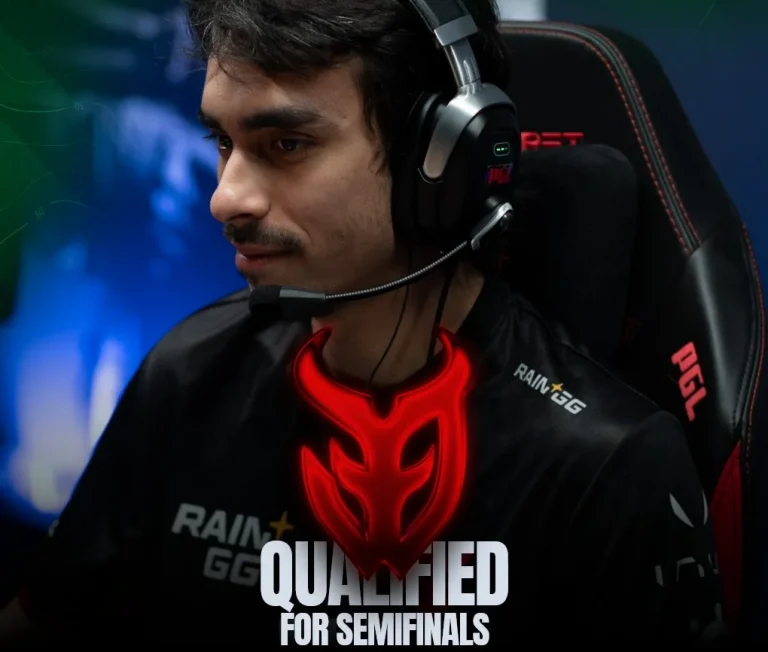
The French dark horses 3DMAX has reached the semi-finals of the PGL Bucharest 2026, outlasting MIBR with a reverse sweep in a 3-map thriller. An unconvincing display on the first, followed by a show of resilience in the second, and a confident close in the final map, saw 3DMAX make it to the Semi-Finals.
VETO
3DMAX removed Mirage
MIBR removed Dust2
3DMAX picked Inferno
MIBR picked Ancient
MIBR removed Overpass
3DMAX removed Anubis
Nuke was left over
3DMAX take down MIBR 2-1 and lock in a spot in the Semifinals 🔥
A hard-fought series goes the distance, but 3DMAX deliver in the decider when it matters most 💪
Winning the pistol set the Brazilian side up for a strong start, but 3DMAX managed to convert the first gun round, giving the French side a lead before MIBR got back on the board. Winning all the remaining rounds in the half, MIBR managed to end their opponent’s pick with a 9-3 lead. Both teams traded rounds early on to kick off the second half, with 3DMAX winning a streak of rounds, cutting the map close before MIBR pushed it over the line with a 13-9 scoreline.
Map 2: Ancient; Pick: MIBR; Winner: 3DMAX
Starting on offense of their own pick, MIBR managed to keep 3DMAX at bay as they edged out the first half with a narrow lead. Replicating the scoreline, 3DMAX managed to get 7 rounds to push the game to OT, where they pulled ahead with a flawless performance on their offense and went on to secure that one round in the second half to edge out the map with a 16-13 scoreline. Lucky, with 1.37 IR, managed to stand out as the most impactful player who took 3DMAX to the final map of the series.
Map 3: Nuke; Pick: Decider; Winner: 3DMAX
Starting with a pistol win on the offense, 3DMAX secured an early lead before MIBR built into the game later in the half to take the lead before switching sides with a 7-5 scoreline. Starting on their defense, 3DMAX managed to recover and went on to put up a streak of rounds to take the lead away. Having managed only 2 rounds on their offense, the Brazilians paved the way for 3DMAX to cruise past them with a 13-9 scoreline. AWPer Maka stood out as the best player for 3DMAX, who not only stood tall in the defense but also proved to be instrumental in the offense to keep the game competitive.
As they secure a stunning victory, waiting for them in the next round of play is Astralis, who have been the best team in this event so far. If they are to take down the Danish powerhouse, things are looking hopeful, and one might argue that they might secure their first trophy of the year.
A new leak suggests Rockstar’s multiplayer mode will arrive within weeks of GTA 6’s November release
GTA 6 is set to launch on November 19, 2026, on PlayStation 5 and Xbox Series X/S. If the recent leak holds up, players may not have to wait long for the online component either.
A leaker known as TheGhostOfHope, who previously covered Call of Duty, posted on social media that GTA 6 Online could go live within a month of the base game’s launch. That would put the multiplayer mode somewhere in December 2026. Rockstar has not confirmed this, and no official roadmap for the online mode has been shared.
Rockstar Has Done This Before
The December timeline would follow a pattern Rockstar has used twice before.
Up to you guys if you wanna believe me on this or not but hearing from someone that the current plan for GTA 6 is to launch online within a month after the release of the game. pic.twitter.com/vBoN8YLWEP
GTA 5 launched in September 2013, and GTA Online arrived just a few weeks later. Red Dead Redemption 2 introduced its multiplayer beta within a month of its own release. If Rockstar sticks to that approach with GTA 6, a December window for the online mode makes sense on paper.
What Court Documents Revealed About Player Count
A separate detail about GTA 6 Online came to light through a legal case.
Rockstar fired over two dozen employees in October 2025, claiming they had shared confidential information in a Discord server. During the court proceedings, a message from one of the dismissed workers mentioned playtest sessions for the online mode with 32 players.
Two of those employees were specifically accused of leaking what was described as a “top secret” and unannounced GTA 6 feature in a union Discord channel: 32-player multiplayer sessions, rather than the typical 30 players.
For context, GTA Online currently supports 32 players total, but that breaks down as 30 active players and 2 spectators. It is not confirmed whether GTA 6 Online will cap at exactly 32 players at launch, or whether certain modes like freeroam could support more or fewer.
The employees and the Independent Workers’ Union of Great Britain claim the firings were an act of union-busting, not a response to a genuine breach of confidentiality.
What Happens to the Current GTA Online?
Take-Two Interactive CEO Strauss Zelnick has hinted that the existing GTA Online service has a long future ahead of it. The newer game will offer a separate multiplayer experience that may eventually replace the current option rather than shut it down immediately.
So players still active in the current GTA Online are unlikely to lose access when GTA 6 Online goes live.
PGL has released a formal update for the PGL Major Singapore 2026, confirming a new third-place decider match, the VRS cutoff date, and a series of administrative deadlines that teams must meet before the tournament begins.
The announcement was made on April 9, 2026, from Singapore.
Third-Place Match: A First for a CS2 Major
For the first time at a Counter-Strike Major, there will be a dedicated third-place decider match. PGL confirmed the match is scheduled for Sunday, ahead of the Best-of-5 Grand Final.
The match gives both semi-final losers a final opportunity to compete for a podium finish, rather than both being awarded joint third place without playing. PGL described the addition as giving teams “one final chance to secure a podium finish and end their Major run on a strong note.”
The match also adds competitive weight to the tournament’s closing day, giving fans an extra high-stakes match before the Grand Final concludes the event.
VRS Cutoff: November 2
The Valve Regional Standings published on November 2, 2026 will determine which 32 teams receive invitations to the Major. PGL confirmed this date in the same announcement.
This cutoff ensures that the most recent competitive results are reflected in the final lineup. Teams competing in Valve-sanctioned events through late October and early November can still influence their qualification position right up to the deadline.
To qualify for a Major Championship, teams must have a high enough ranking in the Valve Regional Standings for their respective region before a specified cutoff date, roughly six to eight weeks before the tournament is set to begin.
With the Major starting November 24, the November 2 cutoff gives teams and organizers roughly three weeks between the standings freeze and the first day of competition.
Administrative Deadlines for Teams
PGL also set out two administrative deadlines that teams must hit before the event begins.
November 6 is the final date to confirm all team details. This includes the team name, logo, and registered substitute player. Missing this deadline could cause issues with how teams appear during the event.
November 9 is the deadline for the Tournament Item Submission process. This covers all required in-game and event-related materials that must be finalized before the competition starts. PGL specifically said teams should aim to meet these deadlines on time to avoid last-minute problems heading into the Major.
Tournament Dates and Format
The PGL Major Singapore 2026 runs from November 24 to December 13, 2026, featuring 32 teams competing for a $1,250,000 prize pool.
The tournament will unfold across three competitive stages. The final four days will move to the Singapore Indoor Stadium, one of Asia’s most recognized venues for live entertainment and sports.
The closing days at the Singapore Indoor Stadium will include the quarterfinals, semi-finals, the new third-place decider match on Sunday, and the Best-of-5 Grand Final to crown the champion.
The $1.25 million prize pool will see the tournament winner take home $500,000, with second place receiving $170,000. Teams finishing third to fourth will earn $80,000, while those placing fifth to eighth will receive $45,000 each.
The PGL Major Singapore 2026 is the second Counter-Strike 2 Major of the 2026 season and marks the first time a CS2 Major will be held in Southeast Asia.
The event in Singapore will mark PGL’s fifth time hosting a Major after PGL Krakow 2017, PGL Stockholm 2021, PGL Antwerp 2022, and PGL Copenhagen 2024.
PGL framed the format additions as part of a broader effort to evolve the Major while staying close to the core of Counter-Strike. The statement from PGL described the goal plainly: “By adding more meaningful matches and ensuring clarity around qualification, the Singapore Major aims to deliver a tournament that feels complete from start to finish.”
More details on the event will be announced by PGL in the coming months.
What is the third-place match at PGL Major Singapore 2026? For the first time at a CS Major, the two semi-final losers will play a dedicated third-place decider match on Sunday, before the Grand Final. Previously, both teams would share the third-place finish without playing an additional match.
When is the VRS cutoff for PGL Major Singapore 2026? The VRS cutoff is November 2, 2026. The Valve Regional Standings published on that date will determine the 32 teams invited to the Major.
What are the team admin deadlines for PGL Major Singapore 2026? Teams must confirm their team name, logo, and registered substitute by November 6. The Tournament Item Submission deadline is November 9.
When does the PGL Major Singapore 2026 start? The Major runs from November 24 to December 13, 2026. The final four days at Singapore Indoor Stadium begin December 10.
What is the prize pool at PGL Major Singapore 2026? The total prize pool is $1,250,000. First place earns $500,000, second place earns $170,000, and third and fourth place each earn $80,000.
Is this the first CS2 Major in Southeast Asia? Yes. The PGL Major Singapore 2026 is the first Counter-Strike 2 Major ever held in Southeast Asia.
ScreaM is playing competitive Counter-Strike again. For real, this time.
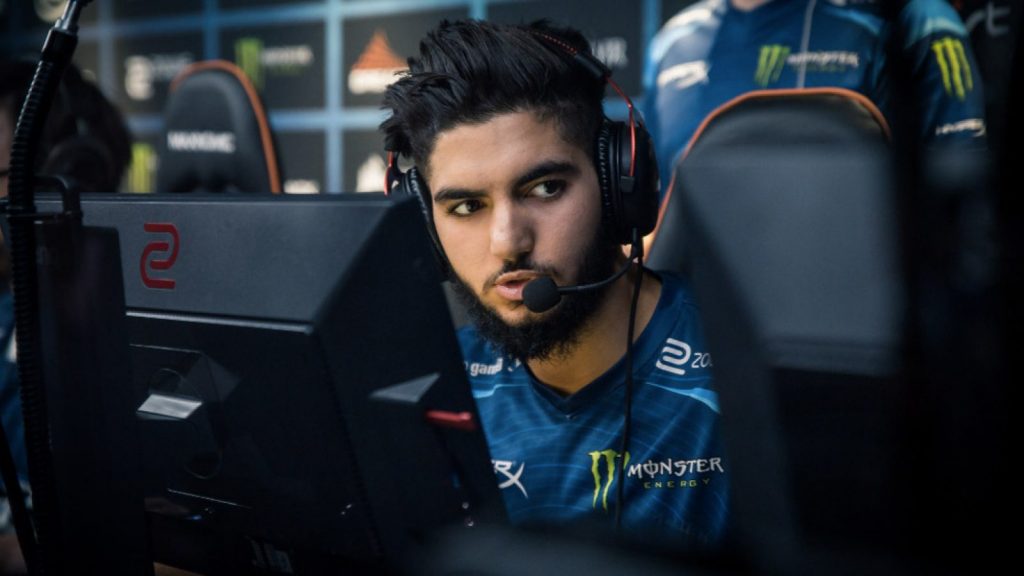
On April 8, 2026, Adil “ScreaM” Benrlitom officially signed with Clutchain, joining a French-speaking roster that will compete in the Conquest of Prague 2026: Online Stage. The Belgian veteran, known across the CS community as the “headshot machine,” last retired from Counter-Strike on August 7, 2020. That is nearly six years off the server at the professional level.
At the HLTV Awards in January 2026, ScreaM had already announced his intentions to return to competition, saying he wanted to challenge himself to get back into form and compete in Counter-Strike once more. That return is now confirmed and has a team behind it.
The Full Clutchain Roster
On this new roster, ScreaM joins a number of familiar faces from the French-speaking subtop, including younger brother Nabil “Nivera” Benrlitom and former Vitality player Jayson “Kyojin” Nguyen. The roster is rounded out by Jordan “Python” Munck-Foehrle and rookie Frenchman Hugo “SHOGU” Lopez.
The full Clutchain CS2 lineup is: Adil “ScreaM” Benrlitom, Nabil “Nivera” Benrlitom, Jayson “Kyojin” Nguyen, Jordan “Python” Munck-Foehrle, and Hugo “SHOGU” Lopez.
How ScreaM Got Here
The road back started slowly. ScreaM’s road back to competitive Counter-Strike first began in 2025 when he joined FUT as a sixth-man and streamer alongside the organization’s short-lived French lineup. Since then, ScreaM has been streaming and playing in a handful of smaller French events while working to get back into form.
His time at FUT was not a starting role. When he joined in May 2025, he described himself as a content creator and sixth player. His stated goal at the time was to fully come back to competitive CS once he familiarised with the game and felt ready.
That process took about a year. Now he has a proper starting spot and a team built for competition.
Before CS, ScreaM spent four years in VALORANT. He competed for a further three years after leaving CS:GO before hanging up the mouse entirely after playing for Karmine Corp. Both ScreaM and Nivera played together on Karmine Corp before retiring from VALORANT in March 2024.
What NiKo Said About ScreaM’s Return
Not everyone was convinced a return was possible. Back in August 2025, G2 rifler Nikola “NiKo” Kovač weighed in during an ESL Rifler Roundtable session. NiKo told Chad “SPUNJ” Burchill that ScreaM’s “aim is crisp still, but I think he’s a bit rusty with the gameplay,” adding that “it’s really hard to come back to CS2.”
That comment was made before ScreaM had found a starting roster. It remains relevant context for what he is attempting.
About Clutchain
The Clutchain organization has been making a number of inroads into CS2 in recent weeks, picking up this roster today while also signing the former Imperial Valkyries/Pigeons roster in early April.
The team already has results. Before the Clutchain signing was announced, the roster had already won the Conquest of Prague 2026: European Open Qualifier #2, securing a spot in the main Online Stage.
Clutchain will make their debut in Conquest of Prague 2026: Online Stage when the online league kicks off on April 12.
The Conquest of Prague 2026: Online Stage is a C-Tier European CS2 tournament organized by PLAYzone, running from April 12 to April 29. It is a Valve Tier 2 qualifier featuring 16 teams.
ScreaM’s Career Before the Break
ScreaM was one of the most recognizable players in CS:GO during its peak years. He played for multiple major French and European organizations over a career that spanned more than a decade. His last teams in CS:GO before the 2020 retirement were GamerLegion, where he played alongside fellow Belgian Kevin “Ex6TenZ” Droolans, before the move to VALORANT.
He was widely known for his one-tap accuracy and mechanical skill, earning the “headshot machine” nickname early in his career. The 31-year-old former Envy and G2 player retired on August 7, 2020, to pursue a career in VALORANT.
His return to competitive Counter-Strike, now in CS2, is one of the more unusual stories of the 2026 season. The game has changed significantly since his active years. He has a team, a tournament, and a first match on April 12 to show what he can still do.
For the full picture of what is happening in the CS2 competitive scene right now, including the rosters set for the IEM Cologne 2026 Major and the CS2 tournament calendar for 2026, TalkEsport has full coverage. ScreaM’s earlier return step with FUT Esports was also covered here when it was announced in May 2025.
You can follow Clutchain’s official announcement on X via their post on April 8, and ScreaM’s full player profile is tracked on HLTV.
FAQ
Who is ScreaM in CS2? Adil “ScreaM” Benrlitom is a 31-year-old Belgian Counter-Strike player known as the “headshot machine.” He played for top organizations including G2 and Envy before retiring in August 2020. He returned to competitive CS2 in 2026 with Clutchain.
What team is ScreaM on in 2026? ScreaM signed with Clutchain on April 8, 2026, alongside his brother Nivera, Kyojin, Python, and SHOGU.
When is ScreaM’s first match with Clutchain? Clutchain’s debut is at the Conquest of Prague 2026: Online Stage, which kicks off on April 12, 2026.
How long was ScreaM away from CS? ScreaM retired from Counter-Strike on August 7, 2020, spending four years in VALORANT before fully stepping away from pro play after Karmine Corp.
Did ScreaM play for FUT Esports? Yes. In May 2025, ScreaM joined FUT Esports as a sixth-man and streamer alongside a French CS2 lineup. That was his first step back toward competitive play before eventually signing as a full starter with Clutchain in 2026.
Valve might be building its own AI tool. Code strings referencing something called “SteamGPT” were discovered inside a recent Steam update by dataminer GabeFollower, who shared the findings on X on April 7, 2026. The references were removed shortly after being spotted.
It seems that Valve is working on a "SteamGPT" feature that will apparently deal with Steam support issues and is somehow connected to Trust Score and CS2 anti-cheat? pic.twitter.com/a3MckicQf2
The lines contain references to generic task creation and response tied to task queues, labeling jobs, test results, and fine-tuning data. Valve has not officially commented on the discovery.
What the Code Actually Shows
The name SteamGPT alone points toward some kind of AI or language model integration. What the strings suggest is more specific.
A separate service called SteamGPTSummary appears to pull account-level details, including profile info, Steam Guard status, security history, country, VAC status, phone data, fraud flags, and playtime.
On top of that, additional snippets reference Trust_GetTrustScoreInternal, CSbot, player_evaluation, and SteamGPTRenderFarm, which suggests SteamGPT will also connect to Valve’s Trust Score system.
That Trust Score connection is what has CS2 players paying attention. Trust Score is the underlying value that powers Valve’s Trust Factor Matchmaking system. Trust Score powers Valve’s patented Trust Factor Matchmaking. It uses machine learning to analyze and score players based on their in-game behavior, then pairs them with teammates and opponents of similar trustworthiness.
What SteamGPT Might Do
The clearest use case from the code is Steam support automation. SteamGPT would be trained to handle common player requests: cheating reports, game launch issues, refund questions. The system would be able to accept a ticket, check match and account data, then provide a ready-made solution.
Steam has something like 69 million daily active users, so you can imagine how much of a help AI could theoretically be.
The CS2 angle is more speculative, but the code hints at it clearly. The code fragments mention “PlayerEvaluation” and something called CSBot. The idea is that the AI would help VACnet, the existing trainable system that hunts for cheaters using match demo recordings.
Nothing in the leaked code shows SteamGPT issuing bans directly or replacing VAC. Nothing in the leaked code shows SteamGPT issuing bans directly or replacing VAC, which is probably the right approach, especially early on, to avoid the risk of AI penalizing genuinely skilled players.
For context on how Valve’s existing anti-cheat has performed, the VAC Live update from September 2025 on TalkEsport showed the system wiping out known cheats including DMA card exploits and case-farming bots in a single wave. SteamGPT, if real, would sit alongside rather than replace that system.
The Strings Were Pulled Quickly
References to SteamGPT were quickly removed after they were leaked following the release of the latest Steam VR Beta.
That removal has led to two interpretations. One is that the code is real and Valve pulled it to avoid premature disclosure. The other is that SteamGPT is a placeholder name or internal joke that was never meant to ship.
There’s also the possibility that the name was more of an in-house joke, and it’s not really an LLM (Large Language Model) at all, hence the sudden removal once people spotted it.
Either way, it’s common that months or even a year can pass from first mentions in client files to an actual release.
Gabe Newell’s Stance on AI
The existence of SteamGPT remains unconfirmed, but it would be surprising if it never sees the light of day, given Valve president Gabe Newell’s stance on AI. Last year, Newell said, “AI is essentially going to be a cheat code for people who want to take advantage of it.”
That quote works both ways. It suggests Valve sees AI as a tool worth using, both for its own operations and to fight people who exploit it in games.
Why CS2 Players Are Paying Attention
CS2’s cheating problem has been a long-running issue. The CS2 VAC Live false ban wave in January 2026 on TalkEsport showed that even Valve’s own anti-cheat has made mistakes, banning legitimate players alongside actual cheaters.
Right now, a cheating report in CS2 can take weeks to get processed, and a reply from support can take days. In theory, SteamGPT could cut those times down to hours or even minutes.
That speed improvement is what CS2 players are most hopeful about, if SteamGPT turns out to be real.
The flip side is that automated account scoring through AI raises its own concerns. For those who have dealt with false VAC bans in the past, the idea of an AI system evaluating accounts without clear human review is not straightforwardly good news. You can read more about how VAC has handled these situations in TalkEsport’s full coverage of CS2 VAC ban issues.
Community Reaction
The response has been split. Some players welcome any AI-assisted improvement to a support system that has long been criticized for slow response times. Others are skeptical that replacing human review with automation is the right call, particularly for account ban decisions.
Some assert that Valve should have just hired more human staff for the aforementioned improvements, while others think the customer support process can become much more efficient using AI.
Valve has not made any public statement. Until the company confirms what SteamGPT is, everything derived from the datamine stays in the realm of speculation. The official Steam platform has no published information about this tool.
FAQ
What is SteamGPT? SteamGPT is a name found in datamined Steam code by content creator GabeFollower on April 7, 2026. The code suggests it may be an AI tool built to handle Steam support tickets and connect with CS2’s Trust Score system. Valve has not confirmed the project.
Will SteamGPT ban CS2 players automatically? Nothing in the leaked code indicates SteamGPT would issue bans directly. The strings suggest it would assist with player evaluation and support ticket processing, likely alongside human review.
Is SteamGPT connected to VACnet? The code references PlayerEvaluation and CSBot, which suggest a connection to CS2’s anti-cheat. However, SteamGPT appears to complement VACnet rather than replace it.
When will SteamGPT release? There is no release date. The code strings were removed shortly after being discovered. Valve has not confirmed the tool exists or is in active development.
What data does SteamGPT access? Based on the datamine, a service called SteamGPTSummary appears to access profile info, Steam Guard status, security history, VAC status, phone data, fraud flags, and playtime.
Jonathan Gaming is one of the most popular BGMI players in India. From his BGMI ID to his birthday and net worth, fans want to know everything about him. This article covers every key detail about Jonathan Gaming in one place.
Quick Bio: Jonathan Gaming
Detail
Info
Real Name
Jonathan Jude Amaral
Nickname
Jonny, Johnny
Date of Birth
September 21, 2002
Age (as of 2026)
23 Years
Birthplace
Verna, Goa, India
Religion
Christianity
Nationality
Indian
Height
5 feet 6 inches (approx. 170 cm)
Weight
62 kg
BGMI ID
5112616229
In-Game Name
GodLJonathan
Team
GodLike Esports
Role
Assaulter
YouTube Subscribers
7.5 Million
Instagram Followers
4.3 Million
Net Worth (2025)
₹23 to 25 Crore
Jonathan Gaming Real Name
Jonathan Gaming’s real name is Jonathan Jude Amaral. He goes by the nickname “Jonny” among friends and fans. He was born in Verna, Goa, India, and completed his schooling in Mumbai, Maharashtra. Moreover, he is widely known across the Indian esports community simply as “Jonathan Gaming.”
Jonathan Gaming Birthday and Age
Jonathan Gaming was born on September 21, 2002, making him 23 years old as of 2026. His zodiac sign is Virgo. He started playing video games from a very young age, and his passion for PUBG Mobile eventually turned into a full professional career.
Jonathan Gaming BGMI ID
Jonathan Gaming’s current BGMI ID is 5112616229, and his in-game name (IGN) is GodLJonathan. His account is associated with GodLike Esports and is known for a collection of rare cosmetics, premium outfits, and exclusive weapon skins. Since his username changes periodically, it is safer to search for him using his permanent BGMI ID number, 5112616229.
He plays as an Assaulter for GodLike Esports, one of the most respected BGMI squads in India. His in-game performance, particularly his aggressive close-range plays, is what makes his account stand out in the community.
Jonathan Gaming Sensitivity Settings
Jonathan Gaming uses a two-thumb claw control setup in BGMI. His sensitivity code as of February 2026 is 7238-4338-0842-0180-522. You can import this directly in BGMI settings to mirror his exact sensitivity.
Here is a breakdown of his camera and ADS sensitivity settings:
Scope / View
Camera Sensitivity
ADS Sensitivity
TPP No Scope
110%
110%
FPP No Scope
110%
110%
Red Dot / Holo / Iron Sight / Canted
88%
88%
2x Scope
88%
88%
3x Scope
24%
24%
4x Scope
24%
24%
6x Scope
12%
12%
8x Scope
10%
10%
TPP Aim
120%
120%
FPP Aim
120%
120%
His gyroscope sensitivity is notably high. He runs 300% for TPP No Scope, FPP No Scope, Red Dot, and 2x Scope, 260% for 4x, and 240% for 3x and 6x scopes. This aggressive gyroscope setup is what allows him to spray enemies with pinpoint accuracy during close and mid-range fights.
Jonathan Gaming stands at approximately 5 feet 6 inches (around 170 cm) tall and weighs about 62 kg. Some sources report his height as 5 feet 7 inches (171 cm), but the most widely cited figure across gaming databases is 5’6″. He has black hair and dark brown eyes, and does not have any visible tattoos.
Jonathan Gaming Net Worth
Jonathan Gaming’s net worth as of 2025 is estimated to be between ₹23 and ₹25 crore (roughly $2.8 to $3 million USD). His income comes from multiple streams including YouTube ad revenue, brand sponsorships, live stream super chats, esports tournament prizes, and Instagram promotions.
According to Sportsdunia, his YouTube channel earns him between ₹15 and ₹25 lakh per month from ads alone, and he earns around ₹6 to ₹7 lakh per Instagram promotion post. His tournament prize earnings exceed $106,000 from competitive BGMI events. He reportedly earns between ₹32 and ₹40 lakh per month in total across all income sources.
In 2022, his estimated worth was around ₹5 to 6 crore, and the rapid jump to ₹23 crore reflects his explosive growth in the Indian gaming and content creation space.
Jonathan Gaming Religion
Jonathan Gaming follows Christianity. His full name, Jonathan Jude Amaral, reflects his Goan Christian background. Goa has a significant Christian population, particularly of Catholic heritage, which aligns with his roots in Verna, Goa.
Jonathan Gaming Career and Achievements
Jonathan started his competitive journey with Entity Gaming before moving to GodLike Esports, where he plays today. He is known for his aggressive assault style and exceptional spray control, earning him the title of one of the best fraggers in Indian BGMI history.
At the 2020 PMIS Semifinals, Jonathan recorded 16 kills, the highest individual kill count ever recorded in a tournament at the time. He was awarded the title of #1 Fragger at the PMIS Grand Finals 2020. His YouTube channel, JONATHAN GAMING, has grown to over 7.5 million subscribers with more than 740 million total views.
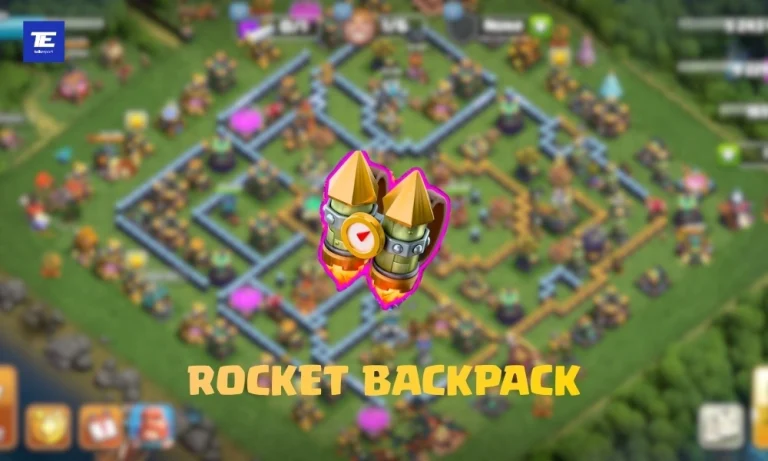
The Rocket Backpack is the Dragon Duke’s first Epic Hero Equipment in Clash of Clans (CoC), and you can claim it completely for free during the Sound of Clash Metal Event. You just need to collect enough Metal Medals through the event’s reward track. You can do this without spending a single gem.
What Is the Sound of Clash Event?
The Sound of Clash Medal Event runs from April 8 to April 29, 2026, and is the vehicle through which Supercell has introduced the Rocket Backpack to the game. The event appears in your Home Village near where Clan Games normally shows up. In addition, your progress is entirely driven by how actively you attack in the game.
The core loop is simple: attack bases, collect Spiky Bracelets, and advance through a tiered reward track. The track gives out a variety of prizes at different milestones. However, Metal Medals are the key currency you need for the Trader Shop.
How to Get Metal Medals
Every time you attack in the game, you collect Spiky Bracelets, which push you along the main event track. As you hit certain milestones on that track, you earn Metal Medals as rewards. The final free reward for completing the full track at 16,000 Spiky Bracelets is the Mech Bull decoration.
Free players who complete the entire event track earn exactly 3,100 Metal Medals. Players who purchase the Event Pass will earn 5,500 Metal Medals. This gives them access to more items in the Trader Shop. It is also worth keeping an eye on the Trader Shop daily, as Supercell has previously added bonus free medals each day during events like these.
Claiming the Rocket Backpack
Once you have 3,100 Metal Medals, head to the Trader Shop and claim the Rocket Backpack from there. Since 3,100 is the exact price of the equipment and also the exact amount free players can earn, you do not need to buy the Event Pass to get it. Therefore, every free player who completes the full event track can walk away with this Epic Equipment at zero cost.
The Rocket Backpack first appeared alongside the Imprisoned Dragon Duke skin back in March 2026. This makes it one of the most anticipated pieces of equipment to release this year.
What Does the Rocket Backpack Do?
The Rocket Backpack is a powerful Epic Equipment that fundamentally changes how the Dragon Duke plays. When you activate the Dragon Duke’s ability, he launches across the entire base from one end to the other. He deals massive damage along his path. Because he always travels through the center of the base, it is relatively easy to aim and predict where he will land.
This trajectory makes him extremely effective at taking out high-value targets like the Eagle Artillery, Monolith, Spell Towers, and the Clan Castle. Pairing the Rocket Backpack activation with two Earthquake Spells on top of his path can destroy most key defenses in a single pass. This opens up clean three-star attacks. Content creators have already highlighted it as one of the strongest new additions to the game, particularly when combined with Root Riders for efficient funneling into the base.
KRAFTON India and Nautilus Mobile launched the Real Cricket 4.7 update on March 27, 2026, and it is the most content-heavy release the franchise has seen. Seven officially licensed IPL franchises are now playable in the game. Irfan Pathan is calling the action in the commentary box. Twenty international cricketers have their real bowling actions recreated in-game. And a 60-day community event gives every player a team to fight for all season long.
The update went live during the peak of India’s T20 season, timed deliberately to match the energy outside the game.
7 IPL Franchises Are Now Officially in the Game
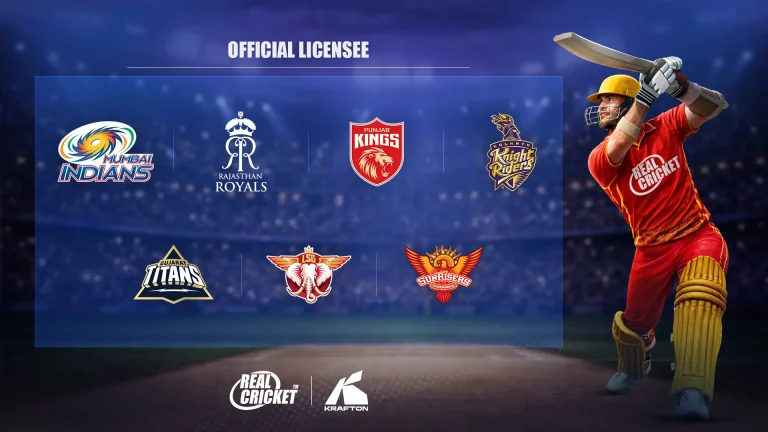
This is the headline feature. Seven of India’s most recognizable T20 franchises are now officially inside Real Cricket, complete with licensed kits and real player faces. The teams are: Rajasthan Royals, Kolkata Knight Riders, Mumbai Indians, Lucknow Super Giants, Gujarat Titans, Punjab Kings, and Sunrisers Hyderabad.
Players can pick their franchise and take the field in their authentic jersey, facing rival teams in matchups that carry the weight of real franchise cricket.
Anuj Sahani, Head of KIGI and Director of Publishing at KRAFTON India, said the update is built around what the community asked for. He said: “The 4.7 update represents a significant step in Real Cricket’s journey as India’s home of cricket gaming. All these additions are something our community has been asking for. But what excites us most is the RCPL Community Event, because it captures what cricket truly is: picking a side, fighting for it every day, and feeling every run as your own.”
Irfan Pathan Joins the Commentary Box
One of India’s most well-known all-rounders is now a voice inside the game. Players who have the Irfan Pathan commentary card will hear his voice calling the action live during matches.
Pathan said of the collaboration: “Cricket has always been about emotion, the pressure of a big over, the feeling of being right in the middle of the action. When Real Cricket approached me to bring my voice into the game, I saw it as an extension of that. If my voice can make even one match feel a little more alive for a fan playing on their phone, that is something I am genuinely proud to be part of.”
The commentary card system means this is not available to every player by default. Those who have the card activated will hear Pathan’s voice in their matches.
RCPL 2026 Tournament: Play as Your Franchise
The RCPL 2026 Tournament is the primary competitive mode tied to the licensed teams. Players step into the dugout of their chosen franchise, select a roster with real player faces, and go up against rival teams in structured matchups.
This applies to all seven licensed franchises. Rajasthan Royals, Kolkata Knight Riders, Mumbai Indians, Lucknow Super Giants, Gujarat Titans, Punjab Kings, and Sunrisers Hyderabad are all available in this format. It is not a cosmetic layer on top of the existing game. It is a dedicated tournament mode built around the franchise identities.
RCPL Quick Match: Free to Play for a Limited Window
Players who want to try the licensed teams without committing to the tournament mode have a separate option. RCPL Quick Match lets players jump into custom matches with any licensed team at any time. From April 3 to April 6, 2026, RCPL Quick Match was available entirely for free by watching an ad, giving all players access to franchise cricket regardless of spend.
RCPL Community Event: 60 Days of Franchise Loyalty
This is the feature Sahani specifically called out as the one that captures the spirit of T20 cricket.
The RCPL Community Event is a 60-day in-game experience. Players pledge loyalty to one licensed franchise and contribute to that team’s collective total every day. Each day brings a new community match. Players pick their franchise, score runs, and push their side to victory.
Rewards come in two forms: individual, based on personal engagement, and collective, based on how the wider community performs each day. Players who show up consistently unlock attendance rewards over the course of the full 60-day event.
This is the first time Real Cricket has run a season-long community format built around officially licensed franchises.
RC Pass Season 5: RCPL Themed
RC Pass Season 5 ran from March 26 to April 25, 2026, and was fully themed around the RCPL and the T20 season. Players progress through the pass by competing across different game modes, unlocking milestone rewards as they go. An upgrade to Elite or Premium Pass gives access to an expanded reward track.
20 New Bowling Animations: Real Actions, Real Cricketers
Anuj Mankar, Director and CEO of Nautilus Mobile, said every addition in the update was evaluated against one question: does it make the game feel more like real cricket?
The 20 new bowling animations are the clearest answer to that question. Players will now see the true-to-life bowling mechanics of 20 international cricketers. The confirmed names include Mohammed Siraj, Varun Chakravarthy, Mitchell Santner, Sam Curran, and Lockie Ferguson, among others. Each action has been captured and recreated to mirror what fans see when these players bowl in real matches.
Mankar said: “Real bowling actions for 20 international cricketers, two new global stadiums in Dhaka and Johannesburg, and the Daily Strike challenge are all designed to deepen the gameplay experience and give our community more reasons to engage every day. With 4.7, we believe the answer is yes, more than ever before.”
Two New Stadiums: Dhaka and Johannesburg
Real Cricket’s ground list grows in 4.7 with two new venues. Dhaka in Bangladesh and Johannesburg in South Africa are now available. Both give players new, distinctive environments to compete in, expanding the game’s global setting beyond its existing stadium roster.
Daily Strike: 14 Days of One-Over Pressure
Daily Strike is a 14-day limited-time challenge mode. Every day, players get one free attempt to hit a target score within 6 legal balls. Hit the target and the reward is earned. Miss it, and the day resets. Players can purchase up to 3 additional attempts per day if they want another shot.
The format is designed to compress the pressure of a T20 finish into a daily routine.
Behind the Game: Anuj Mankar on Building Real Cricket From a Bedroom
TalkEsport sat down with Anuj Mankar, CEO of Nautilus Mobile, for a full conversation on how Real Cricket was built from scratch in a Hyderabad bedroom with five developers, and what the KRAFTON partnership means for the road ahead. He also teased the IPL team additions before the 4.7 update went public. Watch the full episode on the TalkEsport podcast: India Loves Cricket, He Turned It Into a Gaming Franchise ft. Anuj Mankar.
About the Companies Behind the Update
Real Cricket is developed by Nautilus Mobile, a Pune-based studio. KRAFTON acquired a majority stake in Nautilus in 2025 and serves as the publisher. KRAFTON India’s broader portfolio includes BATTLEGROUNDS MOBILE INDIA, which has surpassed 260 million downloads, alongside other titles such as Bullet Echo India, Road To Valor: Empires, and CookieRun India. Since 2021, KRAFTON India has invested over $250 million in Indian startups across interactive entertainment, gaming, esports, and technology.
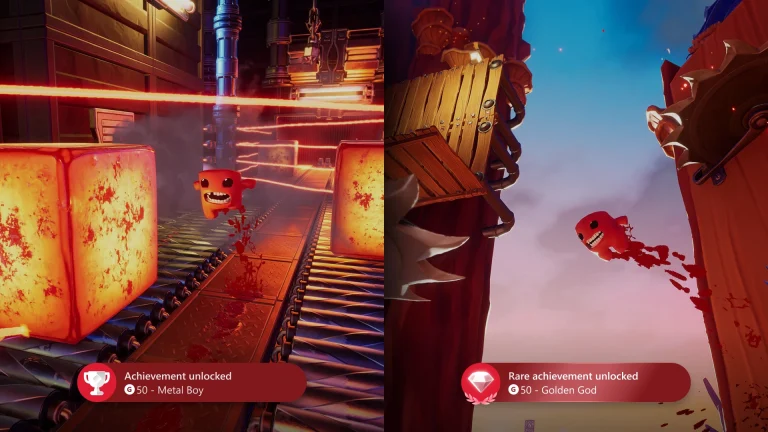
Xbox is rolling out several changes to its Achievements system. The update, now available to select Xbox Insiders, adds new visual options, lets players hide games from their profiles, and calls out fully completed titles more clearly.
The features were detailed in an April 8 post on Xbox Wire by Senior Product Manager Alex Charters.
Achievement Notifications Have a New Look
Achievement notifications now have updated icons and animations that trigger when you unlock classic or rare achievements. Notifications will also match your custom profile color, which Xbox introduced in a previous Insider update.
Your achievements are getting an update:
✨New animations and icons 🤫Hide games from your Achievement list 💯Highlight your 100% completed games
Starting with Xbox Insiders today and rolling out to everyone over time. Check out the full details 👇 https://t.co/KiM3AvVGKd
This is a cosmetic update, but one that makes unlocks feel more distinct depending on the type of achievement you earn.
You Can Now Hide Games From Your Achievement List
The bigger change is the ability to hide specific games from your achievement history on your profile. This feature is coming later in April, and Xbox confirmed it has been one of the most requested by Insiders.
Hidden games still count toward your total Gamerscore, and your activity in those games will still be tracked across Xbox. The change only affects how your profile appears to others.
So if you spent 40 hours in a game you’d rather not advertise, you can now remove it from view without losing the Gamerscore tied to it.
100% Completed Games Get Their Own Highlight
When you earn all available Gamerscore in a title, it will now appear highlighted in your achievements list. This makes it easier to see at a glance which games you’ve fully completed.
Xbox also added new filter options to the achievements view, so players can sort through fully completed titles and any games they’ve chosen to hide.
Xbox noted this is an early step in a broader set of changes to how achievements and completion milestones are recognized on the platform.
The new achievement notifications and 100% completion highlights are available now for select Xbox Insiders. The game-hiding feature is coming later this month. Microsoft said the features will roll out to more Insiders over time before reaching all players.
Players who want early access can join the Xbox Insider Program by downloading the Xbox Insider Hub on Xbox Series X|S, Xbox One, or Windows PC.
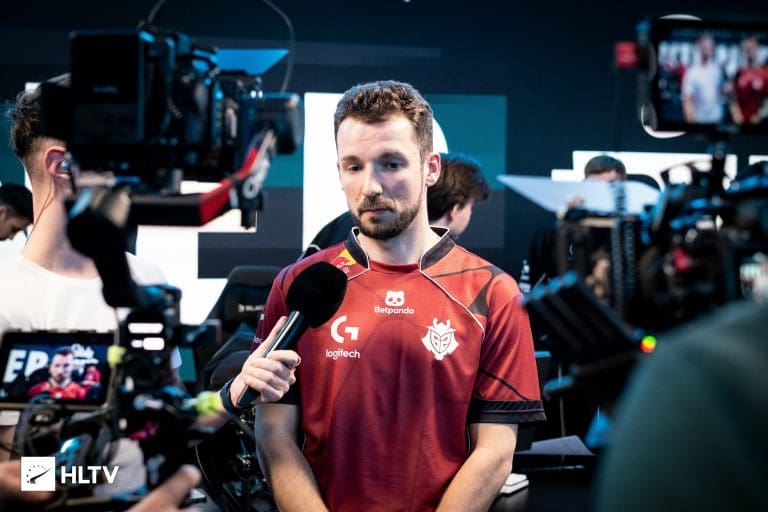
G2 Esports have confirmed that Nemanja “huNter-” Kovač will not travel to Brazil for IEM Rio 2026. The Bosnian rifler and in-game leader is dealing with a foot injury that rules him out of the tournament entirely.
G2 announced they will field G2 Ares member Vilius “tAk” Keserauskas as a stand-in for huNter- at IEM Rio “due to unforeseen circumstances.” Those circumstances were clarified by a photo from huNter- showing a cast on his foot.
huNter- himself broke down the injury on X. He said: “Sucks to not be able to go to Brazil and help my team, play in front of amazing crowd, but I hope that I will recover quick and be ready for next challenges. Btw, bone is a tiny bit cracked and ligaments are severely stretched.”
With huNter- out, G2 needed to redistribute responsibilities. He has been the team’s in-game leader. When contacted by HLTV, G2’s CS General Manager Petar “peca” Marković confirmed that Álvaro “SunPayus” García will take up leadership duties, with support from Guy “NertZ” Iluz, for the duration of the event.
SunPayus stepping into a leadership role is a notable shift. The Spanish AWPer is not a regular IGL. NertZ sharing the responsibilities alongside him is an improvised arrangement, born from necessity rather than prior planning.
Who Is tAk
tAk will get his first taste of Tier 1 competition after 18 months on G2 Ares, during which he has averaged a team-high 1.11 rating.
The Lithuanian player has been one of the standout performers in the G2 academy setup. A 1.11 rating over 18 months is a strong number at that level. IEM Rio is a different environment entirely. This is his chance to show he belongs.
Why the Timing Hurts
The injury is poorly timed even by the standards of pre-tournament problems.
The news comes as a blow to G2 in the wake of their Stake Ranked Episode 1 victory, where they had just been coming to grips following the swap of Mario “malbsMd” Samayoa for NertZ.
That roster swap happened in March. G2 brought in NertZ from Team Liquid and moved malbsMd in the other direction. It was G2’s third Tier 2 LAN in a row as the team worked to get NertZ on the roster ahead of the cut-off for the IEM Cologne Major, and that schedule meant the team got little practice with their new addition.
So the situation heading into IEM Rio is this: G2 just won their first title with NertZ, but they barely had time to build chemistry as a five-man unit. Now they are heading into one of the biggest non-Major LANs of the year without their captain and IGL, with an academy stand-in stepping up at the last minute.
huNter-‘s absence in Rio will further compound that issue, and the team will be hoping for his recovery in time for the start of BLAST Rivals on April 27.
That is the next key date on G2’s calendar. BLAST Rivals starts April 27. If huNter- cannot make it back by then, G2 face a second consecutive event without a proper IGL structure.
IEM Rio 2026 runs from April 13 to April 19 at Farmasi Arena in Rio de Janeiro, Brazil. The tournament features 16 teams competing for a $300,000 prize pool. The event uses a double-elimination, best-of-three group stage format, with group winners advancing directly to the semi-finals.
Fans can attend in person on the final three days, April 17 to 19. This is only the second time a top-tier CS2 event has taken place in Brazil, with IEM previously visiting Rio in 2022, 2023, and 2024 before skipping 2025.
G2 are in Group A, alongside Vitality, Spirit, Falcons, Liquid, 3DMAX, RED Canids, and Gentle Mates. For a full look at the IEM Cologne Major coming up in June, check the IEM Cologne 2026 CS2 Major teams list on TalkEsport, which confirmed G2 have already secured their slot at that event.
What This Means for G2 at the Tournament
G2 just won Stake Ranked Episode 1, their first title with NertZ. That run saw them go undefeated through the eight-team bracket, beating Nemesis, GamerLegion, and BetBoom twice. The form was there. The confidence was building.
Now they go to Rio without the player who leads them in-game. SunPayus will call. NertZ will help. tAk will play his first Tier 1 match. Coach sAw will have a lot of work to do.
The IEM Cologne Major in June is the bigger prize on the horizon. G2 have their spot locked in. The question now is whether they can hold their form together through this period of disruption, get huNter- healthy, and arrive in Cologne in a better shape than they are in right now.
The IEM Krakow 2026 recap on TalkEsport showed G2 reaching the quarter-finals with the previous roster, only to fall to MOUZ. With NertZ now fully integrated, many expected Rio to be a step forward. With huNter- out, that expectation just got more complicated.
G2’s first match at IEM Rio 2026 is on April 13. They open against Gentle Mates in Group A.