



Valve is working on a new Steam tool that could show players how well a game will run on their PC before they buy it. The feature is currently in beta and was confirmed in a recent Steam client update.
What the Feature Does
Code discovered by ResetEra user Dex3108 in the latest Steam client contains a line that reads: “Select an App and a PC config to get a chart of estimated frame rates, based on the frame rates of other users.”
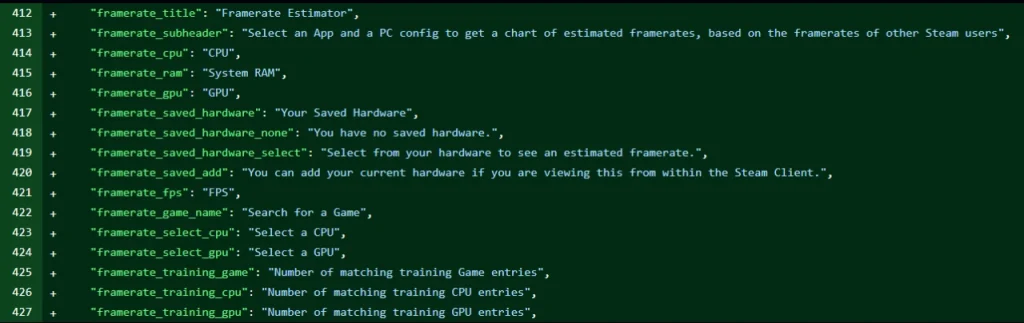
That single string tells you a lot. Players would be able to choose a game, enter hardware specs including CPU, GPU, and memory, and receive a chart of estimated frame rates. Those estimates come from real playthrough data, not theoretical numbers from developers.
The strings also reference a Framerate Estimator, options for CPU, GPU, and system RAM selection, a search field for games, and the ability to save hardware profiles.
Where Valve Is Getting the Data
In February, the Steam Client Beta added an option to provide anonymized framerate data. Valve said that when the setting is enabled, Steam collects gameplay framerate data and stores it without connection to a Steam account, while still associating it with the kind of hardware being used.
Valve said the data collection exists “to learn about game compatibility and improve Steam.” The data is anonymous and not tied to any individual account.
Valve also added the ability to show PC specs when posting a game review on Steam, which could help pull additional performance context from reviews.
Why Beta Testing Starts With SteamOS Devices
Valve says the beta will “focus on devices running SteamOS.” This is likely because there are fewer hardware configurations on SteamOS, which is primarily used by handhelds like the Steam Deck and the Lenovo Legion Go S, compared to desktop and laptop PCs, which can have an almost infinite number of component combinations.
This narrower hardware pool makes it easier to build a reliable baseline. It could also complement Steam’s existing Deck Verified programme, which currently identifies games optimized for Valve’s first-party hardware.
There is no confirmed timeline for a wider rollout. The stated end goal is to integrate these estimates directly into store pages.
Why This Matters for PC Gamers
Standard system requirements have been a frustration for years. The recommended and minimum specs listed by game developers often do not explain what actual performance you can expect. This has become a bigger issue with the rise of AI-assisted upscaling and frame generation, as many believe developers set their recommended specs assuming those technologies are in use, not reflecting raw game performance.
Knowing whether a game runs well on a specific PC can be a deciding factor in a purchase decision. It would also prevent buyer’s remorse, since players could identify in advance that a title might not run well on their hardware.
There are real complications ahead, though. Graphics settings, mods, and upscaling tools like DLSS and FSR can significantly affect frame rates. Background apps such as Discord or web browsers can also reduce performance during gameplay. Any estimate built on hardware specs alone will have to account for all of that to stay useful.
Valve has not announced when the feature will be available to the general public or when estimated FPS numbers might appear on Steam store pages. The feature is still in the early beta stage, and accuracy will be the real test once it rolls out more widely.
