

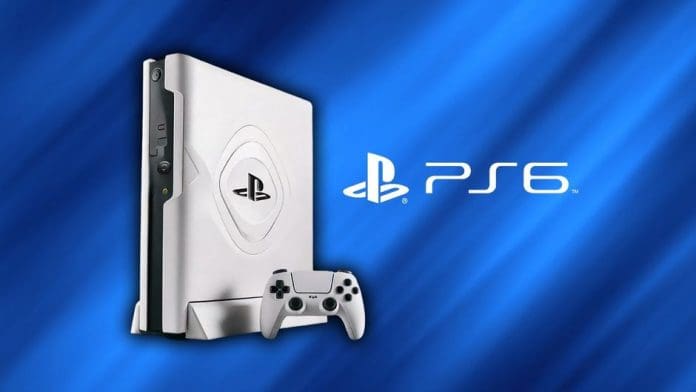

A Bloomberg report published on February 15, 2026, has raised fresh concerns about the PlayStation 6. According to people familiar with Sony’s thinking, the PS6 could face a delay of several years. The reason is a growing RAM shortage that is driving up memory prices across the entire tech industry.
The same supply problem has also pushed Nintendo to consider raising the price of the Switch 2, a possibility the company acknowledged publicly earlier in February 2026.
What Is Causing the RAM Shortage?
The shortage stems from a sharp rise in demand for high-performance memory. AI hardware, data centers, mobile devices, and premium consumer technology are all competing for the same limited supply of RAM. Manufacturers have not been able to scale production fast enough to keep up. As a result, prices have gone up across the board.
The impact is not limited to one sector. PC makers, graphics card manufacturers, and now console developers are all feeling the pressure. Micron, a major memory chip producer, has already warned that RAM shortages could last beyond 2026 as AI-related demand continues to grow.
How the Shortage Is Affecting Console Development
Modern gaming consoles depend on fast, high-capacity RAM to meet performance targets while staying within a competitive price range. When memory becomes harder to source or more expensive to buy, it creates immediate problems for both production timelines and profit margins.
According to Insider Gaming, industry conversations are already reflecting this concern. The outlet quoted its sources directly, stating: “The industry as a whole is concerned about RAM availability and what that is going to mean for mass-producing consoles at a competitive price point.”
The concern covers both current and next-generation hardware. Insider Gaming also noted that additional price increases for current-generation consoles could arrive in 2026 as a result of the ongoing shortage.
Next-Gen Console Launch Windows Under Review
The most significant detail in the Insider Gaming report is that console manufacturers are now debating whether to delay next-generation systems from their planned 2027 to 2028 release window. The reasoning, according to those reports, is that a delay could give RAM manufacturers more time to expand their production capacity, which would bring memory prices back down.
If that debate results in a formal delay, it would reshape the timelines fans and developers have been expecting for the next console generation. A prolonged memory shortage could also extend those pressures beyond the next cycle alone. For those keeping track of where the PS6 stands amid these RAM shortage concerns, the latest from trusted insiders suggests Sony has not made any final decision to delay the console.
Other Hardware Sectors Are Feeling the Same Pressure
The RAM shortage is not a problem unique to Sony or Nintendo. Valve has acknowledged that the ongoing memory supply issue could push up the price of the Steam Machine. Nvidia has reportedly delayed future GPU releases and cut production on its RTX 50 series cards because of tightening memory supply. Graphics card maker Zotac has gone further, warning that the shortage could threaten the survival of GPU manufacturers altogether.
Even game developers are being affected. Larian Studios, the studio behind the Divinity series, has stated that rising RAM prices are forcing the team to optimize its new game far earlier in development than originally planned.
What This Means for Gamers
For consumers, the immediate concern is cost. Whether the next PlayStation arrives on time or not, the price of gaming hardware looks likely to rise if the shortage continues. Current-generation consoles could also see price increases before the end of 2026, according to industry sources.
The longer-term picture depends on how quickly RAM manufacturers can increase production. Until supply catches up with demand, console makers, GPU producers, and game developers alike will continue to work around the same core problem: there is not enough memory available, and what is available costs more than it did before. A broader look at how AI-driven RAM and GPU costs are reshaping gaming hardware in 2026 makes clear that this is an industry-wide challenge with no quick resolution in sight.
