


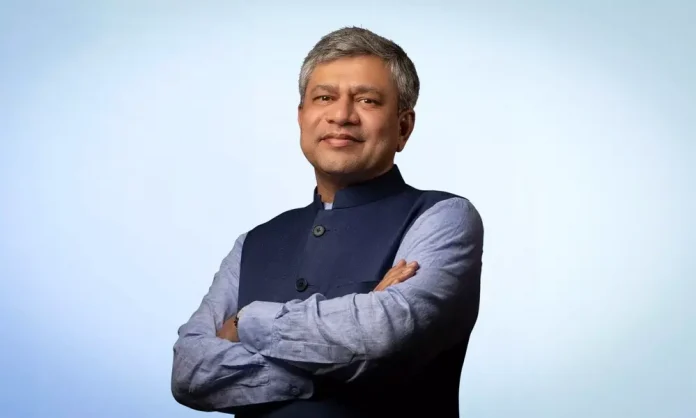
Union IT Minister Ashwini Vaishnaw announced at the World Economic Forum in Davos that the government will publish comprehensive gaming rules within 15 days, bringing regulatory clarity to India’s online gaming industry. This announcement marks a critical milestone for operationalizing the Promotion and Regulation of Online Gaming Act (PROGA), enacted in August 2025, which has kept India’s $3.5 billion gaming sector in regulatory limbo for five months.
Minister Vaishnaw Confirms Rules After Extensive Stakeholder Consultation
Minister Vaishnaw confirmed to Moneycontrol at the World Economic Forum on January 22, 2026, that authorities have finalized the rules after extensive stakeholder consultation. “The way our constitutional structure is, the moment a law is passed by Parliament, the substantive part takes effect. The operative part comes through the rules. They are ready and should be published within an outer limit of 15 days,” he stated. Further, the minister emphasized that the framework resulted from consultations with the gaming industry, financial sector, regulatory bodies, and law enforcement agencies.
Understanding the Online Gaming Act That Banned Real-Money Games
The Promotion and Regulation of Online Gaming Act passed through Parliament in August 2025 with unprecedented speed, moving from cabinet approval to presidential assent in just four days. The legislation prohibits online money games where users make deposits with the expectation of earning winnings, regardless of whether games are skill-based or chance-based. This ban applies to popular platforms including poker, rummy, and fantasy sports that previously operated on real-money deposits.
The Act grants the government sweeping enforcement powers to ban such games while prescribing criminal penalties against operators, advertisers, and financial intermediaries that enable these platforms. Violations can result in imprisonment up to three years and fines reaching ₹1 crore ($115,000), while advertising violations attract penalties up to two years imprisonment and ₹50 lakh fines.
Key Provisions: Gaming Authority, Registration System, and Enforcement Powers
The draft rules released in October 2025 outline the operational framework. Key provisions include:
- Online Gaming Authority of India (OGAI): A MeitY-led regulatory body headed by an Additional Secretary-rank official with five ex officio members from various ministries
- Digital registration system: Mandatory registration for e-sports and voluntary registration for online social games, with 90-day processing timelines
- Game classification mechanism: Procedures for determining whether games qualify as prohibited “online money games” or permissible e-sports and social games
- Enforcement protocols: Authority powers to cancel registrations, issue cease-and-desist orders, and initiate legal action against violators
- Grievance redressal: Complaint resolution mechanisms with 90-day timelines
How the Gaming Ban Affected 200,000 Jobs and 1,900 Startups
The law triggered immediate disruption across India’s real-money gaming sector. Over 200,000 jobs were affected as approximately 1,900 gaming startups shut down operations following the ban. Major platforms like Dream11, WinZo, and My11Circle faced operational restrictions, while global investors withdrew from the sector amid regulatory uncertainty.
The government imposed a 40% GST on gaming deposits, treating the sector as a “sin good” similar to tobacco and alcohol. Additionally, the government prohibited financial institutions from processing transactions for real-money games. Industry experts warn the ban may push gaming activity to unregulated offshore platforms and black markets.
Supreme Court Challenge and Timeline for Implementation
Once published, the rules will activate PROGA’s full regulatory framework, ending the five-month notification limbo. The Online Gaming Authority of India will begin processing registrations and classifications for permissible games. Meanwhile, the Supreme Court is all set to hear constitutional challenges to PROGA, with petitions arguing the law’s blanket ban on skill-based games violates fundamental rights.
The government maintains the legislation protects citizens from addiction, financial ruin, and fraud while promoting legitimate e-sports and educational gaming. Minister Vaishnaw emphasized during the bill’s passage that “when it comes to society and government revenue, our Prime Minister has always chosen society”. Furthermore, the rules’ publication will determine whether India’s gaming industry can pivot to compliant models or faces prolonged shutdown.
