



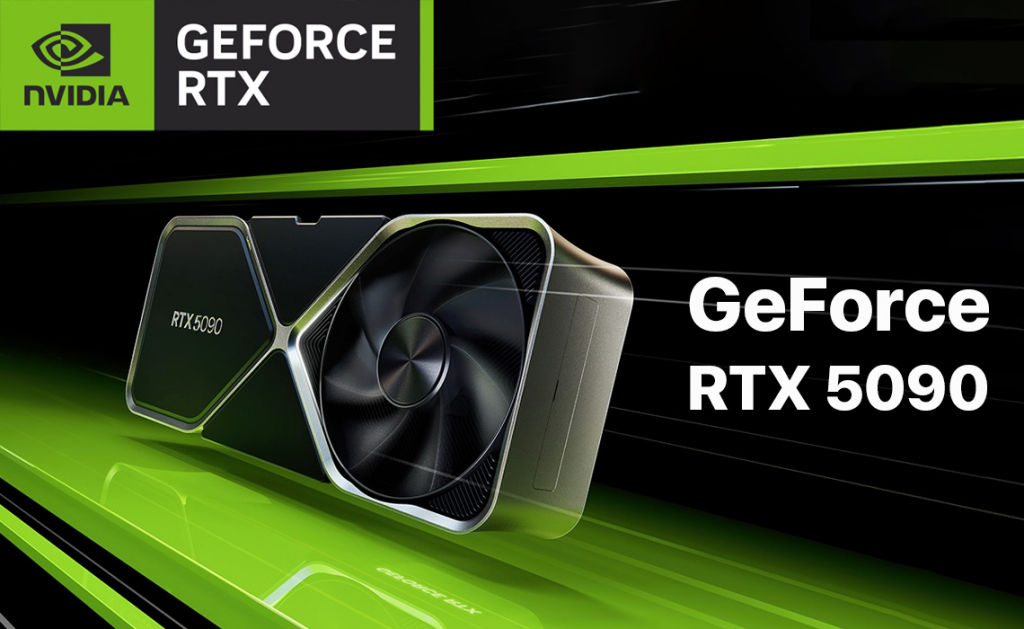
Nvidia will slash GeForce RTX 50 series GPU production by 30-40% starting early 2026, with mid-range models like the RTX 5070, RTX 5060 Ti, and even potential RTX 5060 variants bearing the brunt of these deep cuts amid crippling global shortages of GDDR7 memory and DRAM components.
This aggressive reduction stems from overwhelming demand for high-margin AI and data center GPUs, which are siphoning off critical memory resources away from consumer gaming hardware, leaving PC gamers staring down prolonged stock shortages, escalating retail prices, and disrupted upgrade cycles. The decision not only intensifies Nvidia’s ongoing supply chain battles but also highlights a strategic pivot in a highly volatile semiconductor market where gaming takes a backseat to lucrative corporate deals.
Core Reasons Driving RTX 50 Supply Reductions
Severe global memory shortages have compelled Nvidia to throttle RTX 50 series output well below early 2025 production levels, as TSMC’s manufacturing constraints hammer Blackwell-based gaming chips with unprecedented force, delaying ramps and capping volumes across the board.
Explosive data center demand is diverting scarce DRAM and GDDR7 supplies, evidenced by motherboard memory prices that have skyrocketed 171% year-over-year, creating a bottleneck that gaming simply can’t compete with in priority. Without Nvidia directly raising MSRPs, hardware partners like ASUS, MSI, and Gigabyte may independently inflate margins to capitalize on scarcity, further squeezing consumer wallets in regions from North America to Europe and Asia.
Nvidia’s Mounting Challenges Over Recent Months
In the last few months of 2025, Nvidia has been hammered by U.S. export restrictions targeting H20 AI processors bound for China, resulting in staggering $4.5 billion in one-time charges and an estimated $8 billion hit to Q2 revenue streams that rippled through subsequent quarters. Escalating production costs for the next-gen Blackwell architecture have eroded gross margins down to 71% from previous highs of 79%, while persistent supply disruptions at key foundries like TSMC added layers of complexity to already strained operations.
Competition intensified as Google’s aging yet cost-effective TPUs and Amazon’s in-house Trainium/Inferentia silicon began chipping away at Nvidia’s AI inference dominance, creating multi-front pressures that directly accelerate the RTX 50 production pivot to safeguard long-term AI market leadership.
Stock Volatility and AI Bubble Speculations Intensify
The RTX 50 production cuts land amid Nvidia’s wild stock swings, with shares plummeting 12.6% throughout November 2025 on broader market jitters and another 3.8% drop in pre-market trading on December 18, settling around $170.94 as investors grapple with doubts over sustained AI infrastructure spending.
Wall Street buzz around an impending “AI bubble” has grown louder, fueled by rivals eroding Nvidia’s once-unassailable lead in high-performance computing, leading to a cumulative 16% decline over just two months despite blowout quarterly earnings reports. This latest gaming supply bombshell amplifies fears of consumer segment neglect, prompting analysts to question whether Nvidia’s AI obsession risks alienating its core gaming base in favor of enterprise windfalls.
Microsoft Partnerships Supercharge AI Focus
Nvidia’s deepening multibillion-dollar alliances with Microsoft are deploying tens of thousands of Blackwell GPUs across expansive Azure AI superfactories, directly fueling advanced integrations like Microsoft 365 Copilot, Fabric analytics platforms, and next-gen generative AI workloads for enterprise clients worldwide.
These high-volume commitments not only lock in predictable data center revenue streams but also monopolize scarce memory allocations, effectively sidelining RTX 50 gaming production needs in the resource queue. Such strategic ties perfectly underscore the rationale behind the 2026 gaming cuts, as Nvidia doubles down on partnerships that promise exponential returns over volatile consumer markets.
RTX 50 series reductions are set to constrict the already pressurized $70 billion global GPU market, driving sustained price inflation through a toxic mix of U.S.-China tariffs, pervasive component shortages, and relentless AI prioritization that could persist well into 2030 according to industry forecasts.
Consumer-facing graphics cards will likely endure partner-led price hikes across tiers, as AMD positions itself to capture displaced market share with RDNA 4 offerings, though broader DRAM woes may limit their gains and widen access gaps for budget builders in emerging markets like India and Southeast Asia. Ultimately, Nvidia’s calculated gamble hinges on AI-driven revenues overwhelmingly offsetting any gaming-side losses, reshaping the competitive landscape where high-end enterprise hardware reigns supreme.
