

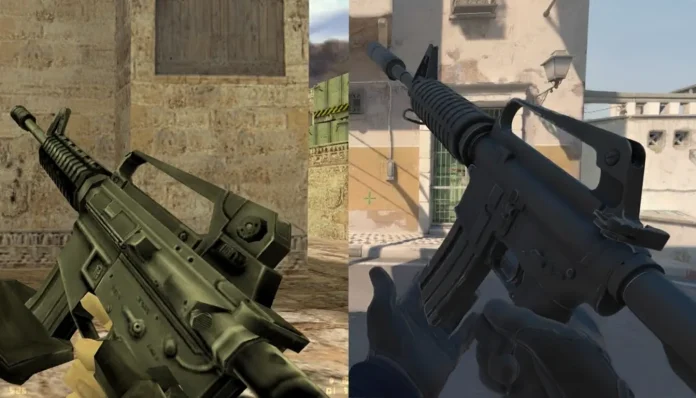

The development from Counter-Strike 1.6 to Counter-Strike 2 is not merely technological progress. It’s a trip down 25 years of gaming history that brings back memories from different generations. As the iconic tactical first-person shooter has evolved throughout its iterations, every generation contributes separate emotional associations and memories to their experience with the game, making it an interesting case study in gaming generational nostalgia.
Baby Boomers: The Unlikely Counter-Strike Pioneers
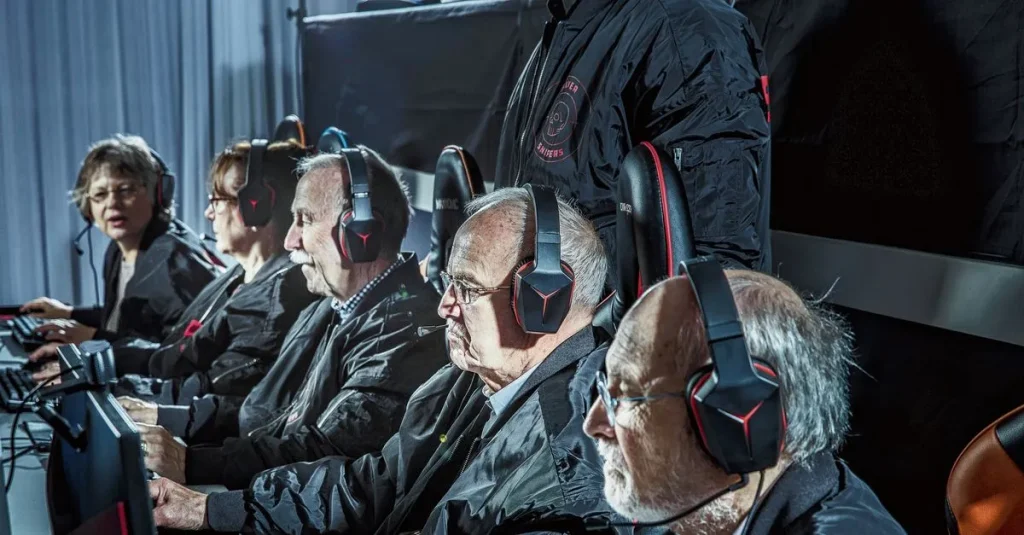
Whereas Baby Boomers (born 1946-1964) are the smallest player group in Counter-Strike, their gaming interaction with the game provides valuable observations about late-adopter nostalgia. Now in their 61-79 years of age, they generally came across Counter-Strike in their 40s and 50s, forming a fundamentally different nostalgic context than younger gamers.
For Boomers who first encountered CS 1.6 in internet cafés in the early 2000s, their nostalgia is rooted in the game’s ease of access and simplicity. The uncomplicated mechanics, low system requirements, and intuitive visual feedback of CS 1.6 were attractive to players concerned with functionality rather than eye-candy graphics. Their nostalgic cues tend to revolve around the social dynamics of early gaming communities and the thrill of mastering the game’s precise, predictable mechanics.
When subjected to CS2’s contemporary features, Boomers tend to appreciate enhanced visual clarity but bemoan the disappearance of the “pure” gameplay feel they equate with 1.6. Their response is nostalgic in a way that stresses competence and mastery rather than social aspects, supporting research indicating older players prioritize achievement-based motivations.
Generation X: The First Counter-Strike Generation
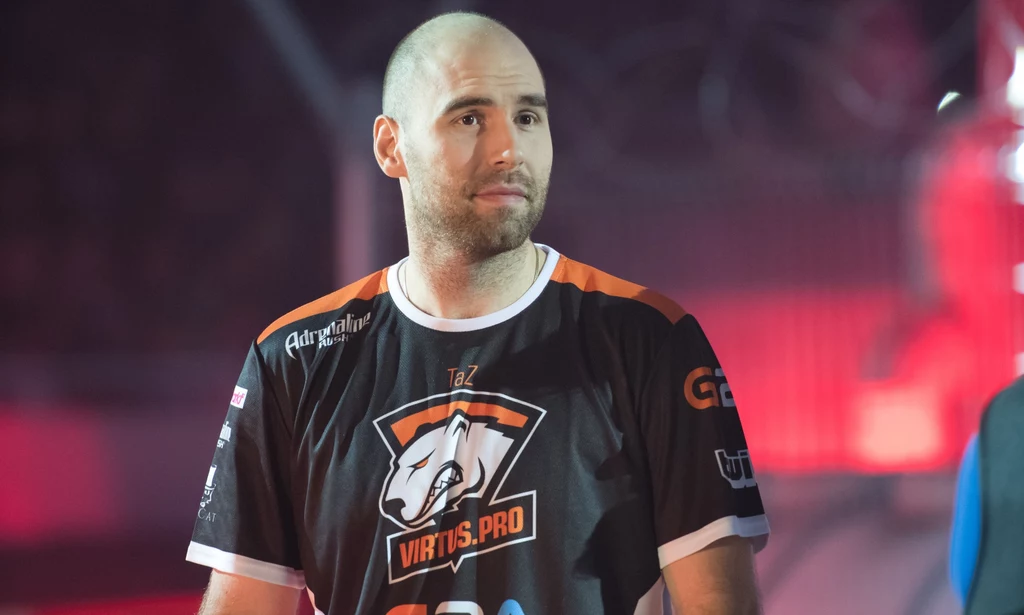
Generation X (b. 1965-1980), now between 45 and 60 years old, is the formative generation of Counter-Strike players. Gen X players who played CS 1.6 in their late twenties and thirties were exposed to the game when it reached its cultural zenith in internet cafés and first major esports competitions.
This generation’s nostalgic attachment to Counter-Strike runs deep in the game’s role as a social catalyst. Gen X players nostalgically recall CS 1.6 as a friendship tool with peers and coworkers, forging memories in the form of late-night gaming marathons and weekend LAN parties. Their nostalgia is not only for the gameplay mechanics but the entire cultural environment of early Counter-Strike.
The switch to CS2 stirs up complicated emotions among Gen X players. Though they enjoy such modern amenities as enhanced graphics and polished netcode, most lament that CS2 is missing the “soul” of 1.6. Their reaction turns nostalgic, typically focusing on the loss of community-oriented features such as dedicated servers and the simplicity of the original experience. Gen X gamers often mention particular sensory recollections: the characteristic sound design of CS 1.6, the movement feel of the GoldSrc engine, and the graphical clarity of the vanilla maps.
Millennials: The Golden Age Players
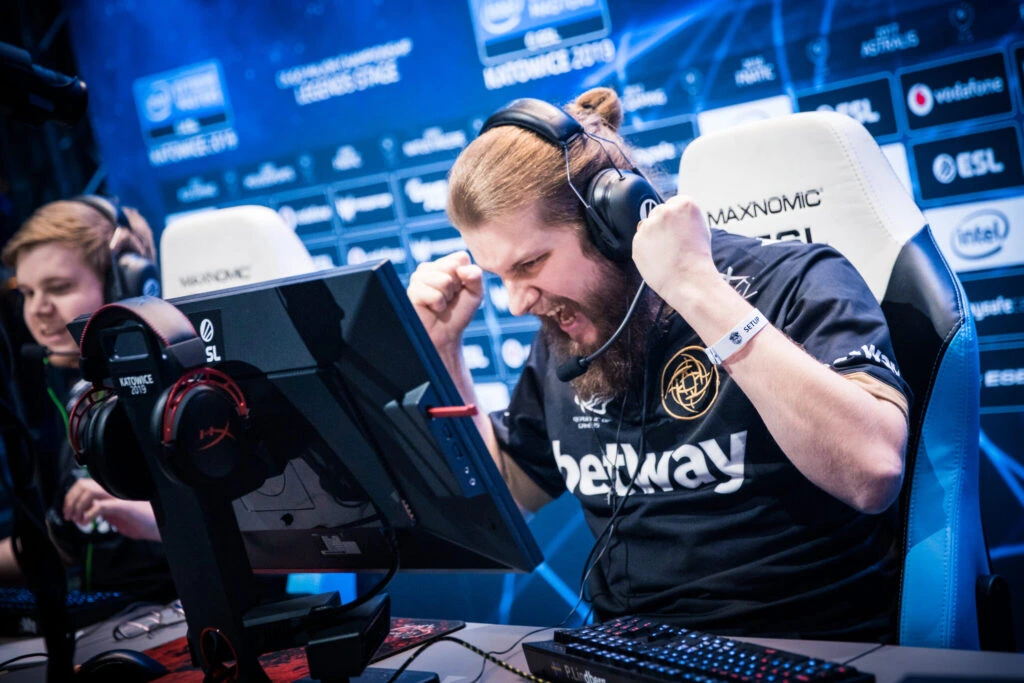
Millennials (born 1980-1995), now 30-45 years old, lived through Counter-Strike in their early gaming days, and therefore have the richest nostalgic connection with the franchise. They saw the entire progression from CS 1.6 to CS:GO to CS2, and thus are living history books of the game’s development process.
For the mature Millennials who played CS 1.6 during their adolescence and younger years, their nostalgia involves both individual development and game development. They reminisce about learning English from playing the game, making friends from different parts of the world, and witnessing the beginning of competitive esports. Their nostalgic stimuli are complex, which involve gameplay mechanics, social memories, and cultural heritage.
Younger Millennials, who came into Counter-Strike through the CS:Source or early CS:GO periods, have nostalgia differently. Their affective ties are more about the function of the game in the formation of online selves and professional gaming careers. While playing CS2, Millennials are usually in a position of being between gratitude for contemporary enhancements and nostalgia for the community-based elements of the older games.
The millennial nostalgic phenomenon is especially vibrant since this generation cuts across several Counter-Strike generations. Statistics show that 56% of the world’s PC gamers are millennials, becoming the main drivers of Counter-Strike’s popularity to date. Their nostalgia tends to manifest as extensive knowledge of map development, weapon balancing updates, and community lore.
Generation Z: Nostalgic Inheritors
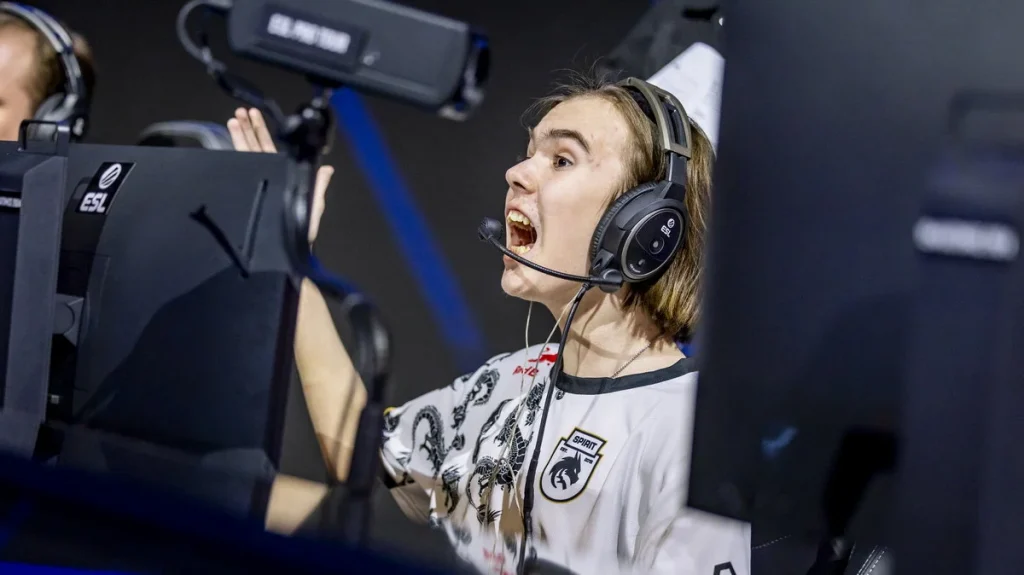
Generation Z (1996-2012), aged 13-28, offers perhaps the most intriguing case study in Counter-Strike nostalgia. Even though numerous Gen Z players never knew CS 1.6 in its heyday, they show immense nostalgic affection for the game’s heritage, a process scientists call “historical nostalgia”.
Gen Z’s connection to Counter-Strike nostalgia is mediated through cultural transmission, not lived experience. Via YouTube videos, Twitch streams, and community forums, younger players have established emotional ties to CS 1.6 without ever having played it competitively in its prime. This is an interesting kind of inherited nostalgia where players pine for something they never actually experienced.
As Gen Z players interact with CS 1.6, they tend to react to the authenticity of the game over its contemporary versions. They enjoy the elegance and mechanism that emphasizes skill, regarding older Counter-Strike versions as more “pure” compared to modern Counter-Strike games. Their nostalgia triggers are aesthetic-based, regarding pixelated visuals, unique sound effects, and minimalistic visual design that feels noticeably stable amidst an age of relentless technological fluidity.
Studies indicate that 79% of players of all ages play retro games, and Gen Z expresses special interest in games that came before they started playing. In Counter-Strike, this is depicted in enjoying the mechanical accuracy and competitive purity of CS 1.6 in spite of technological constraints, with players holding it above its contemporary versions.
Nostalgic Aspects of CS2
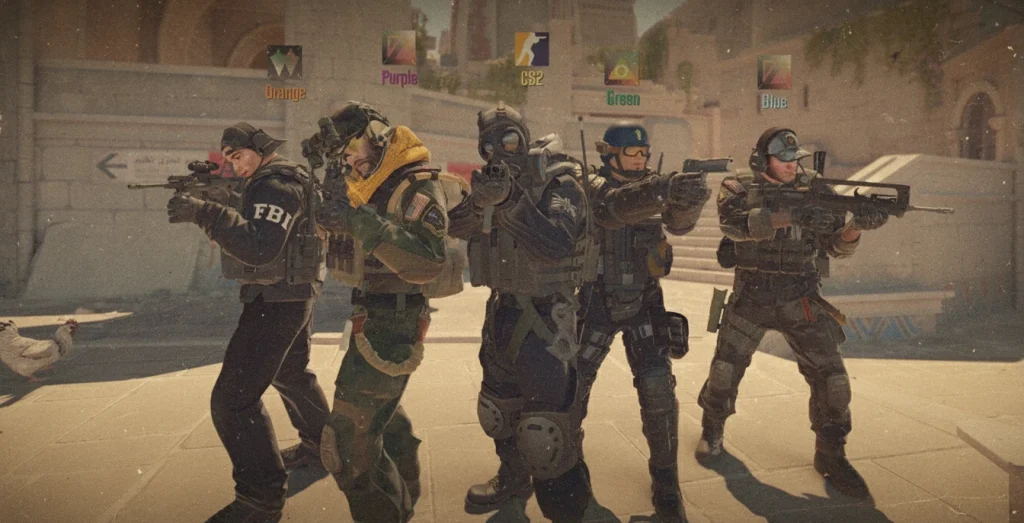
Counter-Strike 2 tries to find the balance between current gaming expectations and nostalgia preservation, building features that cater to various generational tastes. Putting classic map designs, familiar gun shapes, and original game modes into the game acts as nostalgic bridges to engage older gamers while exposing new generations to the core fundamentals of Counter-Strike.
CS2’s visual design philosophy manifests a special sensitivity to nostalgic concerns. Employing the benefits of contemporary graphics, the game retains the same clean, competitive design look that older players identify with Counter-Strike authenticity. This is an approach recognizing that nostalgia in competitive gaming all too often locates itself in functional clarity over visual spectacle.
The addition of retro-style skins and cosmetic items in CS2 is another example of retro appeal. These cosmetic items enable players to personalize their gameplay with stylistic references back to previous Counter-Strike games, building individual nostalgic statements within the contemporary format.
Final Thoughts
As Counter-Strike keeps changing, its nostalgic landscape will certainly change too. Players of CS2 today will come to regard the current version with the same nostalgic affection that players have for CS 1.6 today. This kind of gameworld nostalgia indicates that Counter-Strike’s resonance is not merely coming from certain game mechanics but from the general human tendency to sentimentalize formative experiences.
The long-lasting popularity of Counter-Strike over several generations can be seen to ultimately be an indicator that the game has succeeded in establishing significant, engaging experiences that are remembered on an emotional level well after the computer is shut down. Be it with the blocky rudeness of CS 1.6 or with the high-tech formalities of CS2, the series still offers a familiar homestead to gamers craving a connection between their gaming past and future.
