

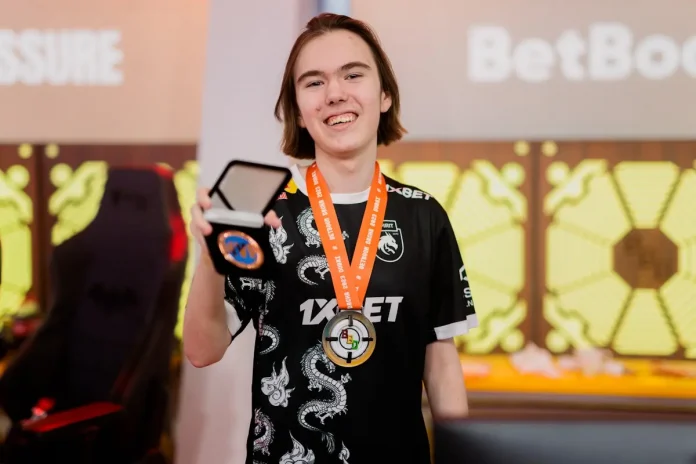
The release of Counter-Strike 2 (CS2) represents not only a technological upgrade from its older sibling CS:GO, but also a seismic shift in the competitive scene. Perhaps the most notable trend following CS2’s release has been the emergence of younger talent, many of whom are outperforming veteran players and capturing center stage at breakneck speed. Although veterans continue to add important strategic value, it is clear that up-and-coming talent is taking the stage during this new CS2 era. But why is that? Let’s dig deep into the forces driving this generation shift.
The New Wave: Numbers Don’t Lie
Statistical data from recent competitions and rankings indicate a phenomenal increase in the population of and performance by younger players. The average age of a CS2 professional player today is between 22 and 24 years, with close to 80% of the competitive environment made up of players under 26 years. Even more impressively, close to 30% are below 22 years of age.
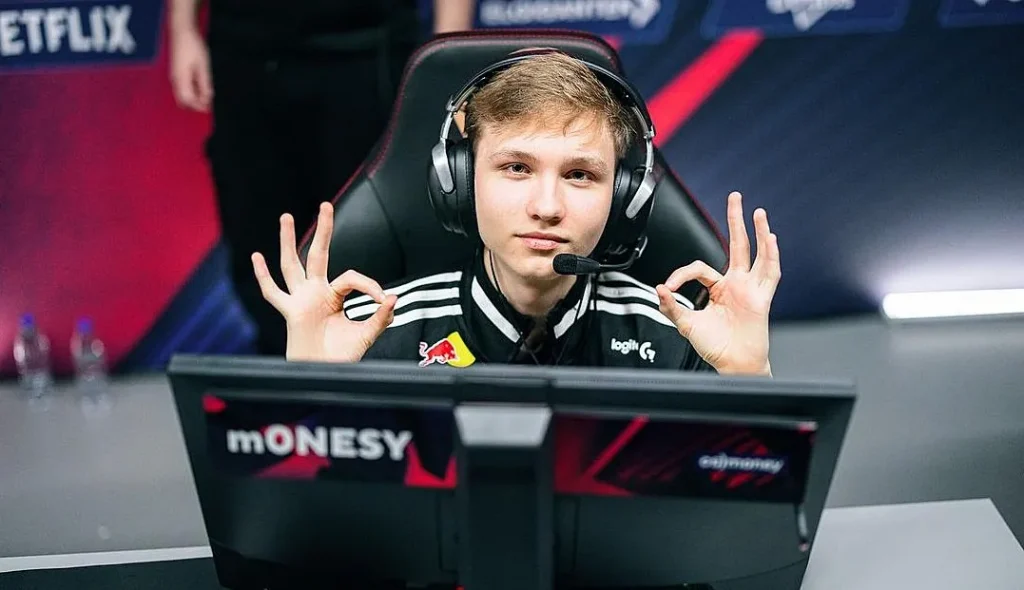
Take players such as Ilya “m0NESY” Osipov (19), Danil “donk” Kryshkovets (17), and Jimi “Jimpphat” Salo (17), who have already emerged as elite performers. M0NESY, the sniper for G2 Esports, has been praised for his rocket-fast reflexes and mechanical skills. Donk has not only been recognized as HLTV Rookie of the Year in 2024 but also for consistently leading his team to win in high-pressure games. These young stars aren’t playing, they’re winning.
Reflexes and Raw Mechanics
Youthfulness naturally goes hand-in-hand with faster reflexes and sharper mechanical ability. In high-stakes shooter titles such as CS2, in which milliseconds decide victory or defeat, these qualities mean all the difference. Young players will naturally have faster reaction times, better hand-eye coordination, and an ability to make quick decisions. Their micro-adjusting ability in fast-paced firefights frequently surpasses the muscle memory of veterans who are no longer able to match the breakneck pace of modern game play.
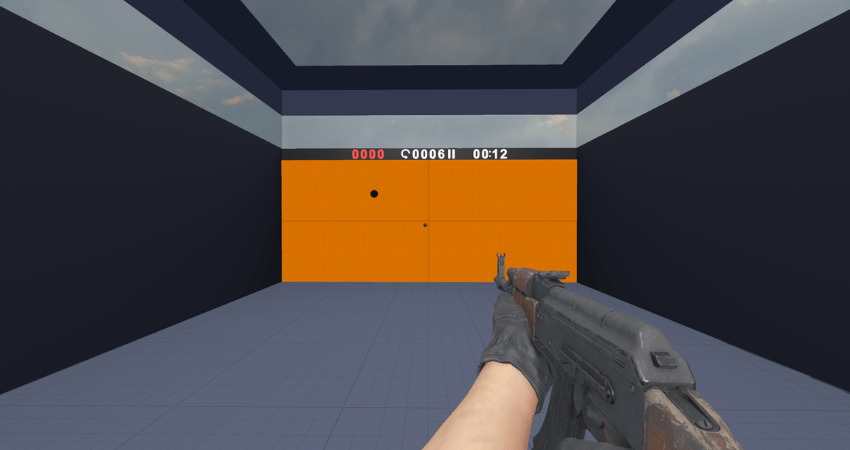
Also, most of the younger players have spent their entire lives with high-refresh-rate monitors, optimized training routines, and accurate aim trainers. This early introduction and rigorous practice environment develop a remarkable baseline skill that consistently surpasses that of older players who began during a different generation of gaming.
Another reason why the youth are succeeding at CS2 is that they have an absolute passion for becoming better. Having fewer personal obligations and greater freedom to manage their routines, young players can devote hours upon hours to practice, scrims, and theorycrafting. This grind culture has further been escalated by competitive platforms such as FACEIT Pro League (FPL) that provide young talent a platform to launch into professionalism.
In contrast to veterans who might be juggling careers, families, or exhaustion, young players tend to enter the stage with unrestrained motivation. They’re not playing to win, they’re playing to become known. This energy and motivation tend to be reflected in deeper skill curves and quicker overall development.
Adaptability in a Shifting Meta
CS2 brought a myriad of changes, such as improved visuals, new physics, and revamped grenade mechanics. As much as these updates were embraced as long-awaited, they had a learning curve. Players who were deeply rooted in CS:GO’s meta and muscle memory found these changes a major hurdle.
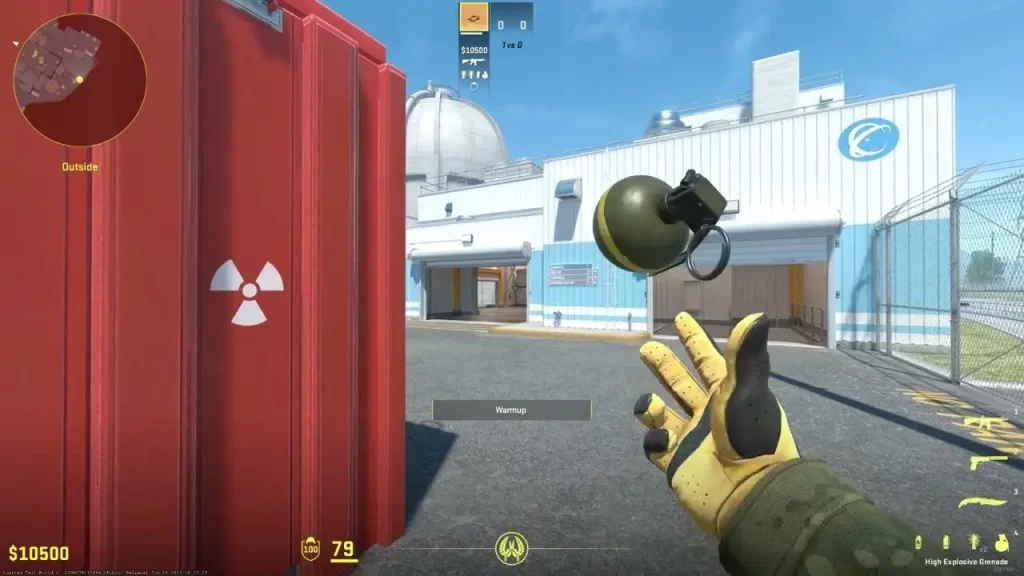
Younger players, on the other hand, have demonstrated an impressive capacity for adaptation. Unencumbered by the years of practice spent honing a now-obsolete meta, they’re more open to trying out the game’s new mechanics. Their playstyle is characterized by a flexible, adaptive approach that’s closer to CS2’s adaptive mechanics, and this allows them an edge over more seasoned players who are still adapting.
The Rise of Academies
The professional Counter-Strike business model now has an infrastructure that supports and accelerates young talent. Organizations now invest significantly in youth development via academy teams and scouting initiatives. Examples include NAVI Junior, Mouz NXT, and the FPL Challenger Series, which serve as incubators for high-potential talent.
These structures offer young players the tools, training, and exposure they require to glide effortlessly into the high-end teams. Consequently, we have 16- to 18-year-olds making a difference on the main stage, quite often doing better than veterans who have been around for more than ten years.
Social media and streaming sites have also been key to the emergence of the younger players. Sites such as Twitch, YouTube, and Twitter provide instant exposure and fan support. One highlight reel or clutch play can go viral, making a relatively anonymous teenager an overnight sensation.
This increased exposure not only enhances morale and acknowledgment but also makes these players more desirable to teams and sponsors. Veterans, while valued, can easily fall out of the loop in this fast-forward digital age unless they consistently play out-of-this-world ball.
Youth vs Experience
While the youth boom is undeniable, it should not be assumed that the contributions of veterans can be ignored. Individuals such as Finn “karrigan” Andersen and Peter “dupreeh” Rasmussen are still demonstrating their value through leadership, experience, and profound strategic knowledge.
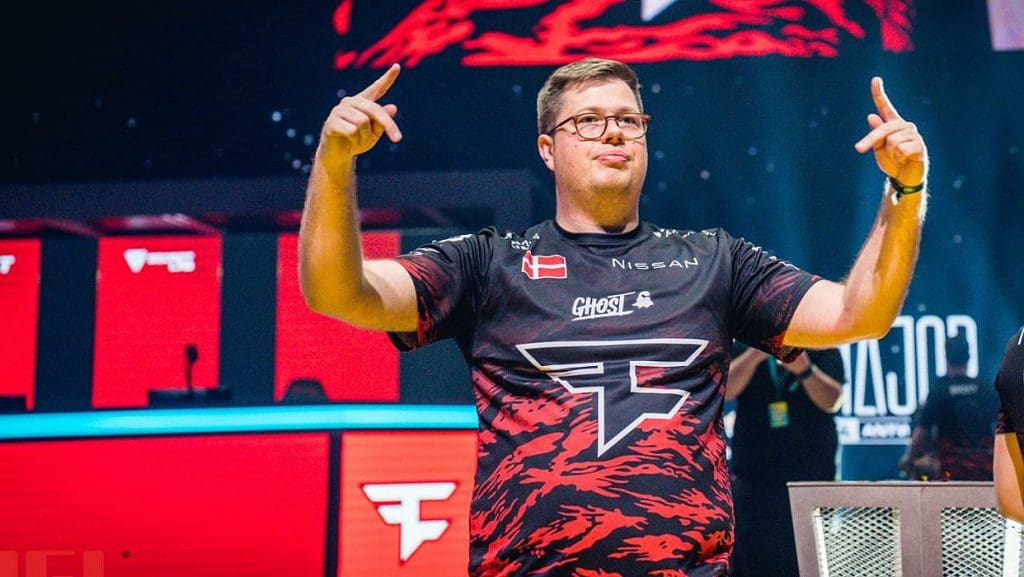
Most of the veteran players have switched into in-game leader (IGL) positions, where mechanical skill is less important than game sense and strategic insight. Their capacity to read opponents, regulate the tempo of the game, and guide up-and-coming teammates is still invaluable. Some of the most accomplished CS2 teams have reached equilibrium between young hyperactivity and old guard calmness.
What we’re seeing in CS2 isn’t so much the replacement of old timers by young guns, but a rebalancing. Teams are now seeking to combine high-octane mechanical ability with prudent leadership. The young guns provide the firepower; the old timers provide the brains.
Consider FaZe Clan or Team Vitality, for example. These teams have thrived by constructing around rising stars and establishing their lineups with veteran IGLs and support players. It’s a recipe that permits high-energy play without compromising on depth in strategies.
As CS2 develops further, so too will the profiles of its most successful competitors. Although the crop of young talent is certainly impressive at the moment, it will be the most successful crop that can continually adapt, learn, and evolve, regardless of age.
What sets CS2 apart is its ability to reward raw mechanical skill as well as advanced tactical acumen. The game is not only about being able to aim quicker, but also about thinking quicker when it matters. Those players who can excel at both levels, no matter what generation they hail from, will forge the future of Counter-Strike.
Verdict
The ascendancy of young talent in CS2 is not a trend but an indication of how the competitive gaming culture is changing. From better reflexes and responsiveness to institutional backing and meme-influenced exposure, young players have numerous benefits within the CS2 universe. But veterans are still decisive in determining the strategic framework of teams.
Finally, CS2’s destiny lies in the synergy of the harmonious combination of young guns and old heads. As long as balance is achieved, the game will keep going strong, treating fans to the best of both worlds.