

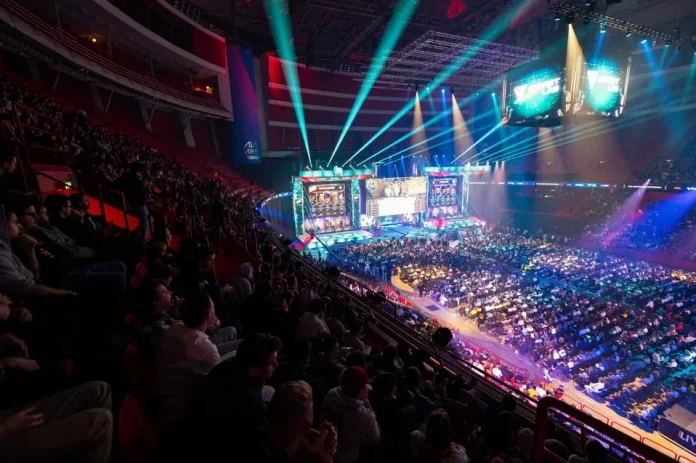
The release of CS2 not only shifted the game’s dynamics, but it also triggered a wave of change throughout the entire esports scene, narrowing the gap between teams competing at different levels of the game. For the longest time, fans paid no heed to the teams competing in tier-2 of Counter Strike, but with said teams delivering jaw-dropping performances against the teams from tier-1 teams which begs the question, how are Tier-2 CS teams so competitive?
In this article, we will try to uncover what the little things are that made a massive difference in the performance of an average CS2 team and why tier-1 should look out for them in big events.
What is Tier-2 CS2?
The league of teams competing just below the top tier of CS2 is generally perceived by the Counter-Strike fans as tier 2. These teams compete in leagues of their own where the prize money may not be a flashy as tier-1, but hunger and the competitive nature of the teams are second to none, making it a very tough tier to stay consistent on.
Why Is Tier-2 More Competitive Now?
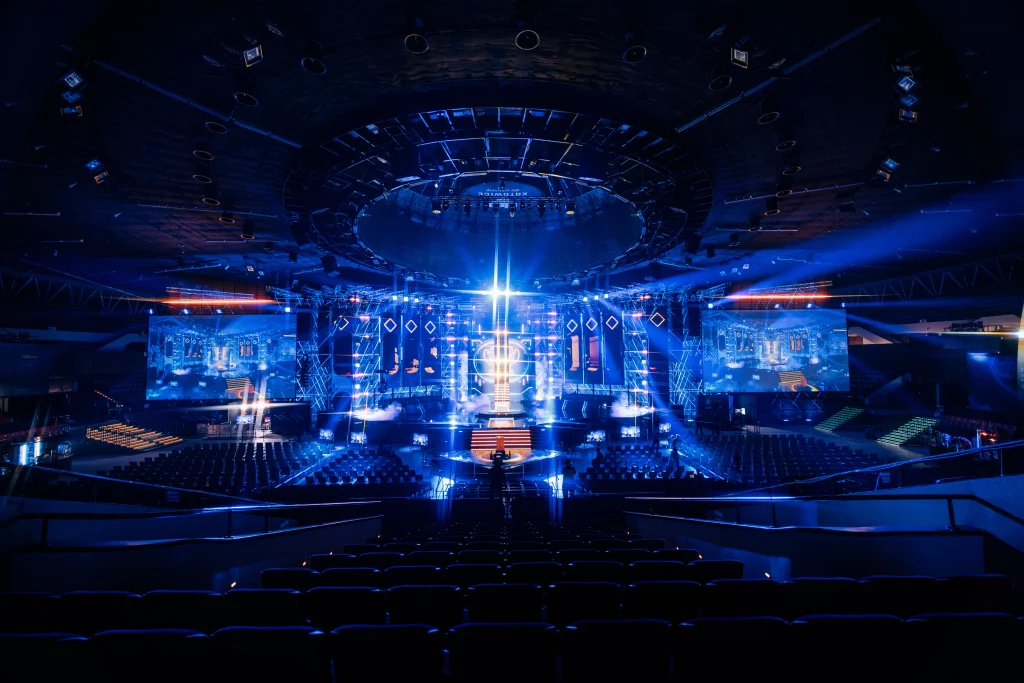
With the launch of CS2, a relearning curve was introduced, making it tough for most players to adapt quickly. As a result, those from tier 2 who managed to grasp it more quickly than many in tier 1 were able to bring their team’s performance up to the level of the latter.
- Tier-1 players, who had mastered the game for a decade, were suddenly thrown into a game with slightly different mechanics that required a process of adaptation.
- Tier-2 players were up-and-coming, often with less experience and less rigidity, making it easier for them to adapt to the new game, thus reducing the skill gap.
Young Players Are Investments
As CS continues to grow, the esports scene has inculcated practices from more traditional sports like football. Investing in young talent is no longer an experimental idea for CS2 teams, given that once they start to perform at a high level, tier-1 teams with huge warchests come calling for them, and often the deals result in massive profits for the lesser-known organisation that nurtured this young gun at a nascent stage.
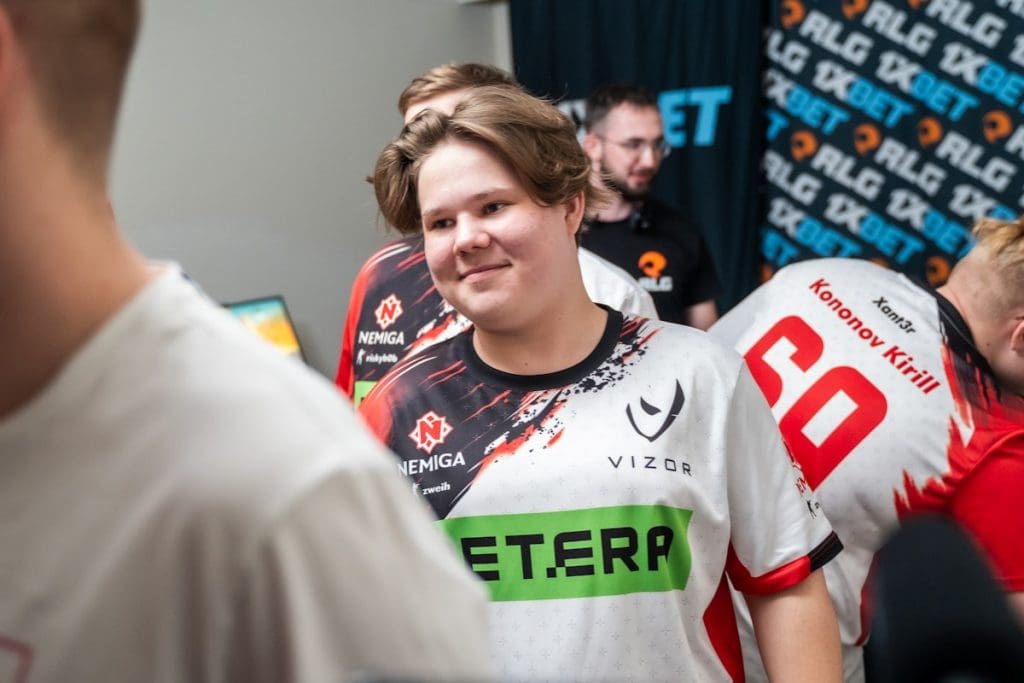
Tier-2 teams provide these young talents a stage to showcase their skills, and once they prove themselves, Tier-1 teams come calling, resulting in massive profits for the investors. Now that this has proven to generate profit, organisations are more inclined towards providing young talents with all the resources for them to perform at the highest level.
Every organisation investing in an Academy roster is a testament to the fact that heavy investment into young players not only generates revenue for the organisation but also provides the necessary talent for your main roster when it needs an overhaul. The likes of Spirit, NAVI, NiP, and Falcons are a few of the names with notable academy teams, and more organisations will follow suit.
As these talents get subjected to proper training, the level of these teams increases significantly to the point that they are capable of taking on the tier-1 rosters; thus, in an attempt to nurture talent, organisations are passively developing strong teams in the lower divisions of Counter-Strike.
Increase in the Number of Tournaments
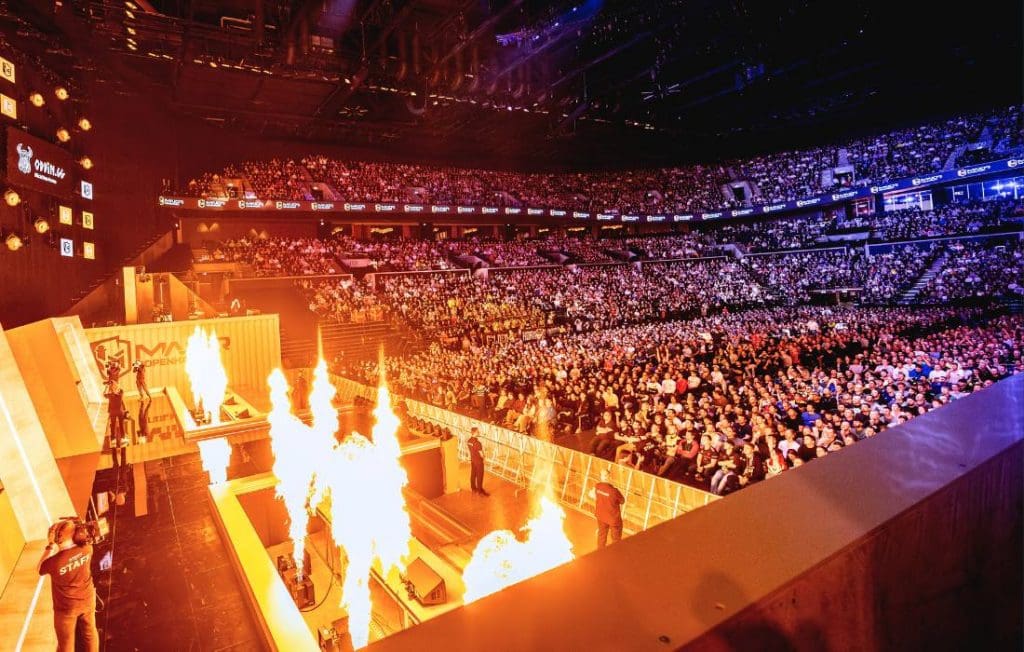
Compared to earlier days, the number of professional teams has increased significantly, and as a result, more and more online tournaments are being hosted regularly. These tournaments often include lower-ranked teams from tier-1, and as a result, they get to clash with tier-2 teams, with the latter coming out on top more often than not, which begs the question whether these teams really deserved to be called second tier. Not only do they rival top teams, but they have repeatedly shown that the game is more competitive than it ever was, and as a result, the gap in the level of performance is reducing with every passing day.
We have seen a drastic shift in the qualification process for tier-1 tournaments, and over-reliance on best-of-one matches has resulted in more volatile outcomes. As a result, we find tier-2 tournaments getting better representation at the highest level of the game, and now that this has been established as a possibility, not every team is competing for the limited chances at playing in a tier-1 event.
If the recent Major is anything to go by, we witnessed several lower-ranked teams come out with respectable positioning, which was something completely unprecedented in the earlier days of the game.
Resources Available to Tier-2
For the longest time, the best coaching, analysis, and environment to grind were provided to the teams at the top, which created a massive gap in the quality of the teams between tier-1 and tier-2. As these lesser-known teams are getting access to the resources, a visible improvement in their performance can be noticed from their results, making their team more competitive than ever.
In today’s time, we have teams with chefs, coaches, analysts and all the bells and whistles at their disposal preparing them every day to keep up with the top teams, naturally, this will bring a noticeable difference in their performances as the level of the game even at tier-2 is considered very high and it no longer can be hailed as a casual division.
Verdict
To put it simply, the success of tier-1 has prompted teams to explore the potential of tier-2 and which is a natural process of selection given yesterday’s stars are closing in on their retirement, paving the way for young guns from the lower-ranked teams. As the esports scene has continued to grow, more youngsters are considering it a serious career option, leading to tremendous competition in the lower leagues of the game.
As teams have figured out ways to monetise tier-2 either by winning the plethora of tournaments hosted regularly or by developing and selling talents to big names for millions, tier-2 is getting more attention from everywhere, leading to the rapid development of this area, which was neglected in the earlier days of CS:GO.