

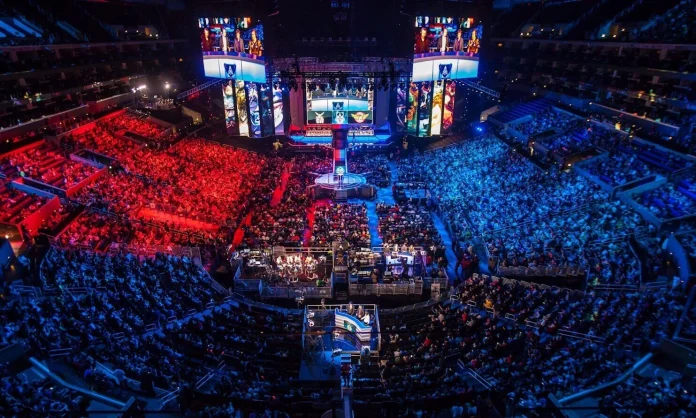
Counter-Strike boasts one of the largest esports ecosystems in the gaming community, and its growth would have anyone believe that CS2 is profitable from a business standpoint. However, the reality is far from that; not only do the organisers struggle with making money out of the esport, but none of the organisers except the ones at the very top make significant money out of it.
The Illusion of Big Numbers
CS2 posts arguably the best viewership numbers in any esports, but numbers do not translate directly into money. While there is a massive audience for the game, esports isn’t like UFC or Football, where expensive tickets fill out a whole stadium. With limited options to monetise it, organisers fail to generate significant profits, leading them to rely heavily on sponsors to provide the majority of the financial backing.
The High Cost of Hosting a CS2 Tournament
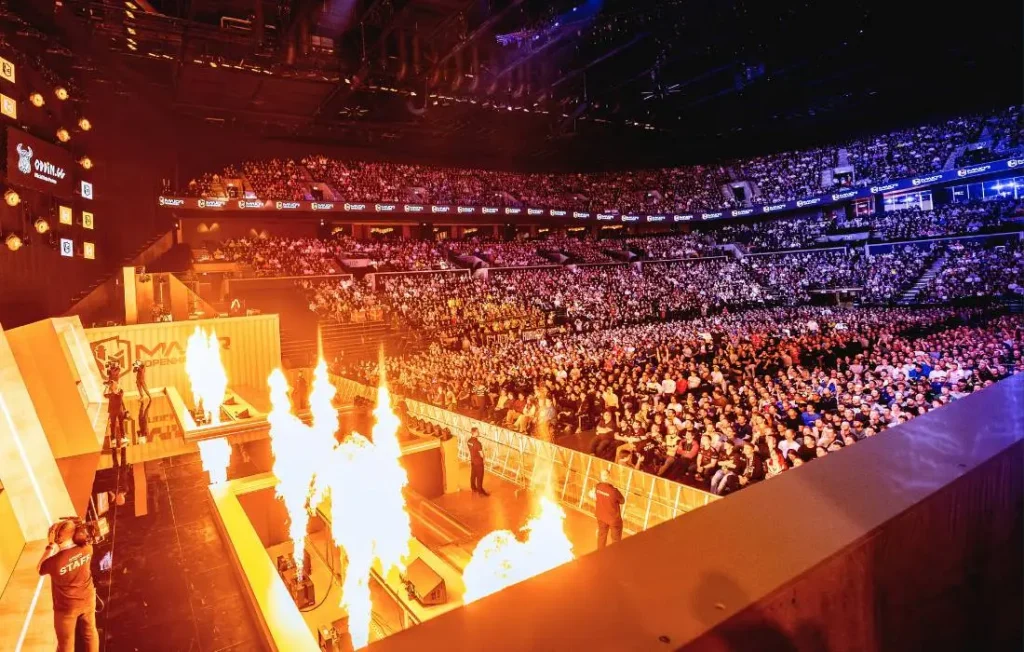
While local LAN parties with friends can be put together, tournaments require a whole new level of organisational efforts, leading to costs that touch the sky, making profit something very scarce for tournament organisers.
Location and Facilities:
- Depending on its size and location, renting a stadium raises the cost of the event significantly.
- Sound systems, lighting setups, stage design, and high-speed internet infrastructure all add cost.
Production of Broadcasts:
- A professional broadcast team is required for many camera angles, in-game observation, commentators, replay systems, and graphic overlays.
- For a high-end event, this alone may cost over $100,000.
Player Costs:
- Teams require local transportation, lodging, food, and flights.
- The organiser frequently bears a large portion of the expenses, even if sponsors cover part of them.
The growing expense of nearly every aspect of event management is compounding these problems. Prices for hotels, flights, renting equipment, and even essential services have increased due to inflation. Organisers have been forced to bear rising expenditures without a corresponding gain in revenue since sponsor budgets have not increased at the same rate.
Limited Revenue Streams
While Counter-Strike has a loyal playerbase, they aren’t the ones who would travel across the world filling out stadiums. Only LAN events can sell tickets. However, many CS2 competitions are held online or in smaller locations with fewer seats. Usually, teams gain more from merchandise like jerseys and branded clothing than the event planners do.
Since streaming on websites like Twitch and YouTube is often free, esports have very little in the way of broadcasting rights, which are a major source of revenue for sports like football. Although sponsorships continue to be the main source of revenue, they are erratic and highly reliant on the state of the economy as a whole.
Sponsor-driven tournaments
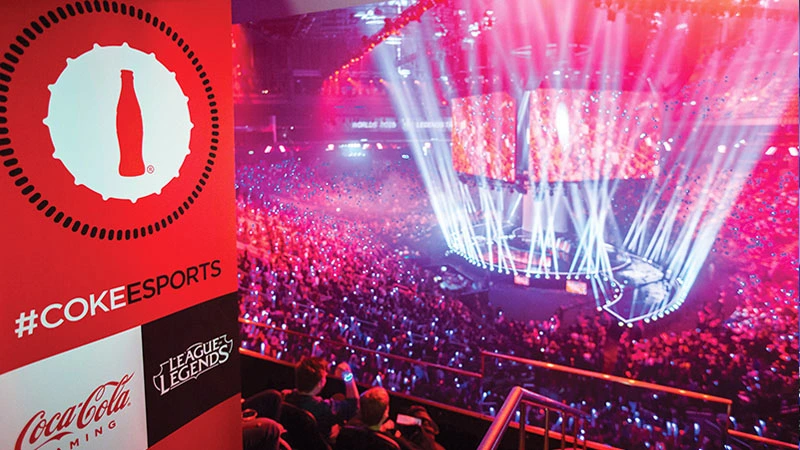
Compared to traditional sports, CS2 events provide fewer revenue-generating opportunities, thus forcing organisers to rely heavily on sponsors. Only LAN events can sell tickets, while most of the CS2 competitions are played online or in smaller locations with fewer seats. Usually, teams gain more from merchandise like jerseys and branded clothing than the event planners do.
One of the riskiest elements of CS2 tournaments is their excessive dependence on sponsors. Top events become financially unfeasible if no big brand offers to back them. The problem is that an event may be completely cancelled if a big sponsor decides to pull out. Additionally, sponsorship agreements may have certain requirements about the brand’s promotion, which occasionally irritates viewers. Additionally, while sectors like energy drinks, betting, and cryptocurrencies generate substantial sponsorship revenue, they can also raise reputational issues.
Disorganised Broadcasting
Although they are excellent for reaching a worldwide audience, streaming services are not reliable sources of income as they are far from consistent, and their earnings cannot be estimated. Although millions of people may watch for free on Twitch and YouTube, the ad income per viewer is far less than that of television ads, and the viewer base consisting of millennials limits potential advertisers. Ad blockers are used by many visitors, which further lowers possible revenue. In esport, platforms seldom pay large amounts for exclusive streaming rights, even if they can provide higher returns. Because of this, tournaments frequently receive enormous viewership but little revenue from those audiences.
Contrast With Conventional Sports
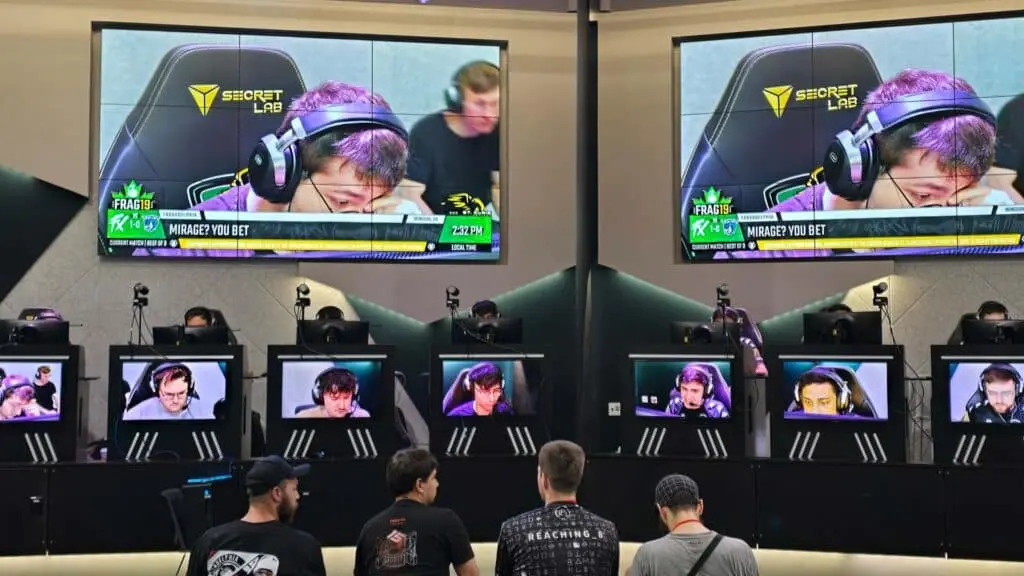
The massive financial gap when compared to traditional sports is readily apparent. When looking at how other sports make money, UFC drops pay-per-view offers, football has billion-dollar broadcast deals, the NBA has sponsors that flood the sport with money, but compared to a sport built around a computer game, none of the options seem like a consistent method of earning.
The absence of a solid revenue model seems to be harder than ever in esports. Games like Dota rely heavily on selling Battle Passes before TIs, and so does CS, but due to external organisers hosting events other than Majors, they find it unfeasible at times to fund these events with the uncertainty of sponsors.
It is often seen that CS2 tournaments are treated as a marketing scheme for organisers. Hosting top CS2 events helps build their portfolio that attracts future partnerships and builds brand prestige. For example, ESL can host a top CS2 tournament to maintain its position in the industry. This long-term strategy can be risky because if investors or sponsors lose interest, the event can disappear overnight.
What lies ahead for CS2 organisers?
The road ahead for CS2 tournament organisers isn’t exactly smooth, where profitability will be called into question every step of the way. What the current business model fails to do is to diversify its revenue stream, which will eventually make it sustainable. Creating stronger links between the audience and paths to monetisation would serve as the chief method to create a sustainable business model.
What the community needs is for Valve to work closely with the organisers to make sure the large playerbase can work in ways to boost the economics of tournament organisation, which would eventually release the overreliance on sponsors. If a whole economic model can be reframed with smart compromises on both earnings and spending, we might get more and more tournaments around the year, and top organisers will not be limited to tier-1 anymore.