

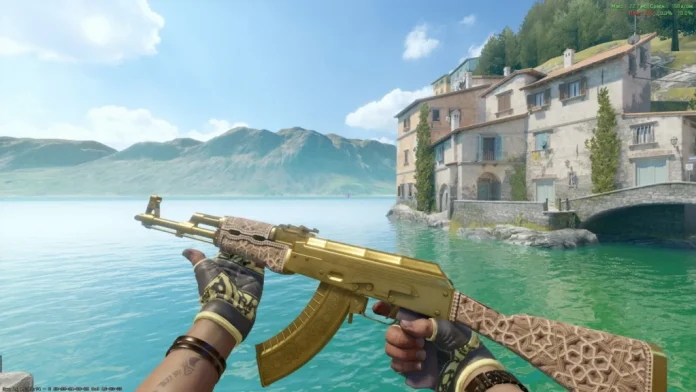
Counter-Strike 2 skins are no longer recreational cosmetics, given their values have shot up in ways that rival cryptocurrencies and multi-bagger stocks. Players who have benefited from the value of CS2 skins compounding over time often tend to invest or keep their money in the form of skins. One can argue that CS2 skin returns beat the likes of stocks while offering a certain level of decentralization, similar to crypto, which makes it a good choice for investing and storing money. Still, in reality, there is more to it than meets the eye.
CS2 skins, on the surface, may look like digital assets that are decentralised, sharing multiple traits with blockchain, but in reality, it is far from being a digital token that protects your assets with the veil of anonymity. In this article, we will explore how the nature of CS2 assets has been misunderstood over time and how it may impact how we see them.
Understanding CS2 Skins: Traditional Digital Assets in a Centralised Ecosystem
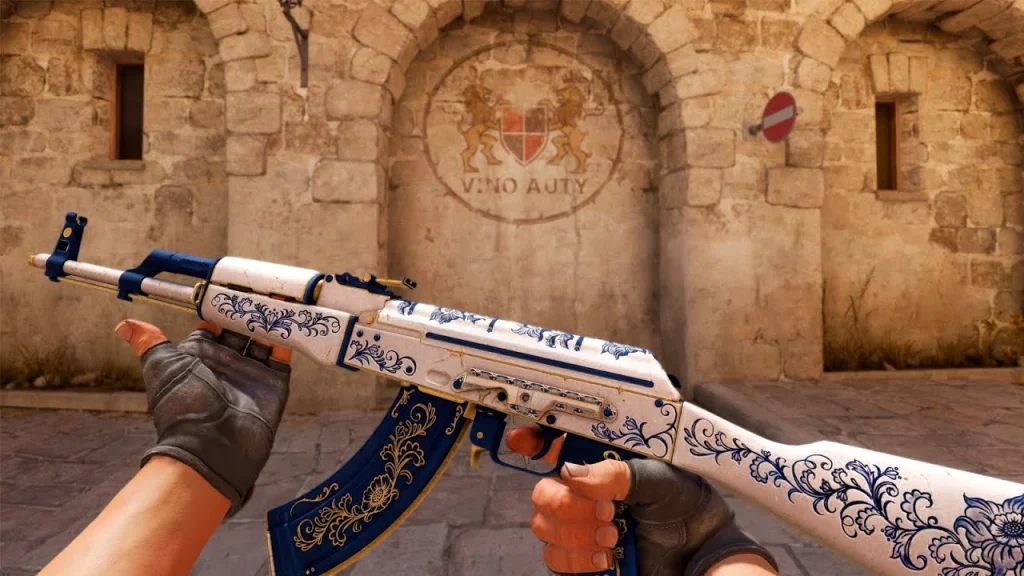
Skins were introduced in the game when CS:GO was at a nascent stage. Goes without saying that it was introduced as a way to generate revenue out of the game’s massive player base. What was supposed to be just another revenue stream developed into the benchmark of virtual economy implementation in the world of video games.
With the freedom to send skins from one account to another, Valve essentially opened up the doors to creating a new market unlike anything the video game industry had seen before. Not only did this generate a revenue stream for Valve, but with time, we saw the rise of a whole economy surrounding skin trading.
The liquid nature of these digital assets promoted the rise of 3rd party websites where players can buy or sell skins, bypassing Valve’s commission system. This further opened up avenues of pledging and gambling, thus giving rise to a layer of morally challenging lines of business, and all of this grew as an offshoot of the three CS skins.
While these skins are allowed to be sent outside the Valve trading ecosystem, they must remain in Steam accounts, which makes it anything but anonymous. Once a skin is released, Valve maintains a record of every hand it has been traded to. While 3rd-party website transactions may not be traceable, their ownership and value are logged every step of the way.
The myth of decentralisation of CS2 skins ends here, as Valve carefully maintains a centralised database, which fundamentally differentiates the whole economy from that of cryptocurrency.
The Technical Architecture Behind CS2 Skin Ownership

Valve’s proprietary system tags each asset within the ecosystem with a Unique ID or UID. Blockchain uses distributed ledgers to verify ownership, but Valve maintains a centralised database tracking every single piece of information about a digital asset. CS2 skins rely entirely on Valve’s centralised authentication system, putting it entirely under the control of a single entity.
This technical distinction is how CS2 skins differ from decentralised currencies and possess usage rights within the Steam ecosystem alone, but are largely controlled by Valve. Blockchain assets, conversely, are not controlled by any single entity as long as the core network remains operational.
Ownership records for blockchain are kept with the millions of independent nodes across the world through which NFTs, crypto tokens, and other digital assets are stored. These assets are free of any service provider, making them accessible via multiple interfaces and outside of government control.
The Centralisation Paradox: Why Steam’s Control Matters
The entire network is controlled by Valve, and thus, a massive dependency exists on a single entity. The market will continue to work as long as the Valve network remains operational, and on the off chance that it faces downtime, the entire market will come to a halt.
The economic characteristics of CS2 skins versus blockchain assets expose the differences in market behaviour and their nature as an investable asset. The value of CS2 skins is driven by scarcity, and if the market gets flooded with a particular skin, then we are bound to see a massive drop in the price. The engagement with the game remains another crucial factor as CS2 is continuously challenged by other FPS, which impacts its player base, and a lack of daily active players would draw down the price of the game.
Blockchain assets are just as volatile, and their prices are vulnerable to a plethora of factors. Crypto prices are influenced by the broader cryptocurrency market, latest technology adoption, and speculative investment activity. While the risk is readily apparent, it is not controlled by the ecosystem of a single game.
Market Liquidity and Transaction Costs
The massive rise of the Counter-Strike skin industry can be attributed to a well-structured marketplace that brings proper liquidity along with pocket-friendly transaction fees. All of this helped in the development of a massive trading community entirely built around a video game.
Blockchain, on the other hand, offers a layer of fees that can often lead to a substantial amount. Ethereum is infamous for gas fees, and there are marketplace commissions added on to that, but with crypto, you get a global trading network, and storage and transactions can be taken care of by a plethora of players in the market.
Interoperability and Future-Proofing: Long-term Considerations
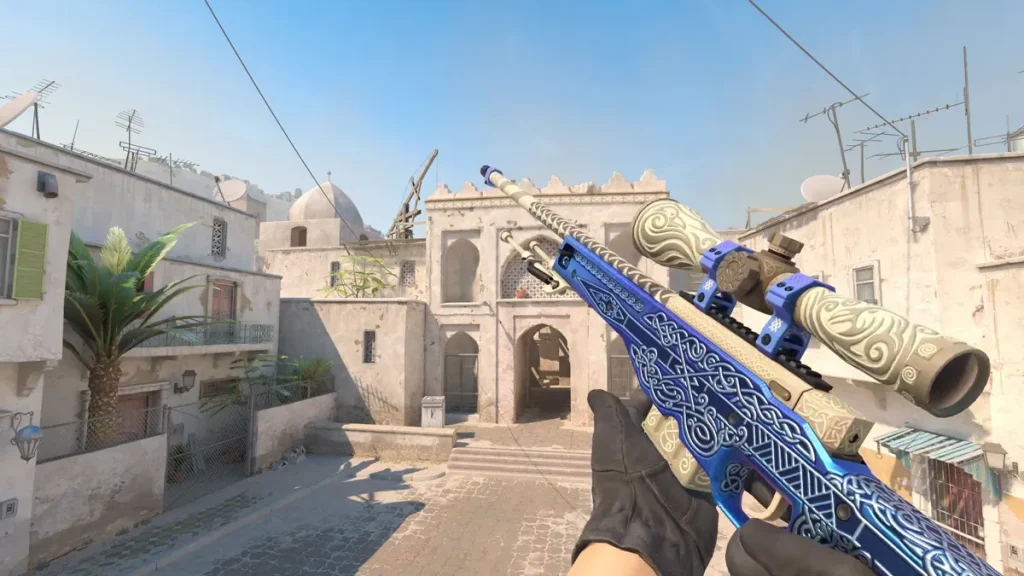
One of the key aspects where Blockchain can separate itself from CS skins is in its interoperability. Interoperability can be defined as the ability of an asset to function across multiple platforms, games, and applications, which is where its value becomes more compelling in direct competition with CS skins.
For CS2 skin to be valuable, players generally need to convert it to money using 3rd party platforms, as Valve does not allow the liquidation of its digital assets. Unless you choose to risk your skin on 3rd party websites, the money invested will remain trapped in the Valve ecosystem, where you can buy other assets on Steam, but it never leaves the Steam Digital Wallet.
Understanding the Distinction for Better Digital Asset Strategies
Both the fundamental and underlying differences in both assets are not just technical. Crypto and CS Skins are far from each other, considering ownership rights, value stability, platform independence, regulatory treatment, and long-term utility. While both depict their pros and cons, it boils down to individual preferences, risk tolerance, and understanding of the market.
CS2 can excel in its intended context as a cosmetic enhancement and an item that bears its value as a collectible, but its centralised nature carries the risk of one entity dictating what becomes of your asset in the future. Blockchain addresses this dependency by spreading its assets through a decentralised network, which remains out of the bounds of a single entity.
Blockchain relieves its owners of a platform dependency and thus promotes true digital asset ownership, but all of it comes with a risk profile of its own. Technical sophistication and understanding of the global crypto market is difficult, and not everyone possesses expertise in this space.
In a world where we have a plethora of investment instruments, the correct approach would be to divide your capital based on your goals and risk tolerance, which will make sure that if one instrument fails, others can keep you afloat. The idea is not to pick one or the other; the goal of an investor should be to achieve their targets, but to spread the risk based on their tolerance. A dynamic portfolio is often the one that statistically provides greater returns for the masses, and that holds even if you include CS2 skins and Crypto in the field.