


The debut of Arcane in 2021 marked one of the biggest milestones in the history of League of Legends, Riot Games’ popular competitive MOBA title. With its release, the franchise expanded beyond the realm of video games and entered the vast world of mainstream entertainment. Apart from catering to hardcore fans, the series also managed to captivate a global audience, winning over viewers who had never played a single LoL game in their lives. Most importantly, it proved that it was possible to present in-game lore as narratives that could resonate beyond the esports scene and video game enthusiasts.
Needless to say, the two seasons of Arcane were incredibly successful. However, with Riot confirming that the series won’t be getting a season 3, many fans are left wondering what the studio’s next project in the entertainment industry will be.
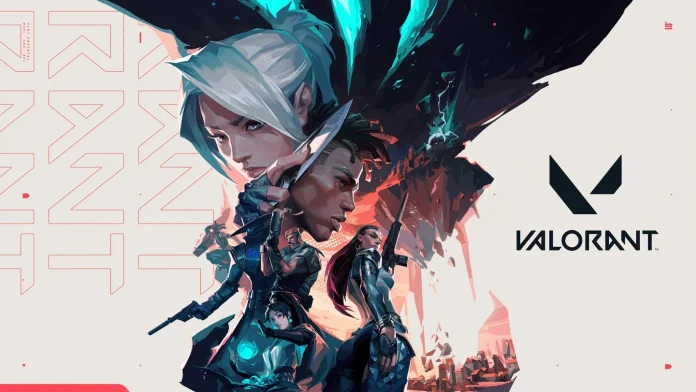
The answer might just lie in Valorant, Riot’s flagship FPS title that took over the world of tactical shooters since its initial release in June 2020. The stage is already set, as Valorant boasts an interesting universe filled with complex characters, each with intricate backstories that extend beyond just competitive play. Could Valorant perhaps be the perfect candidate to become Riot’s next cinematic universe?
Arcane’s Success
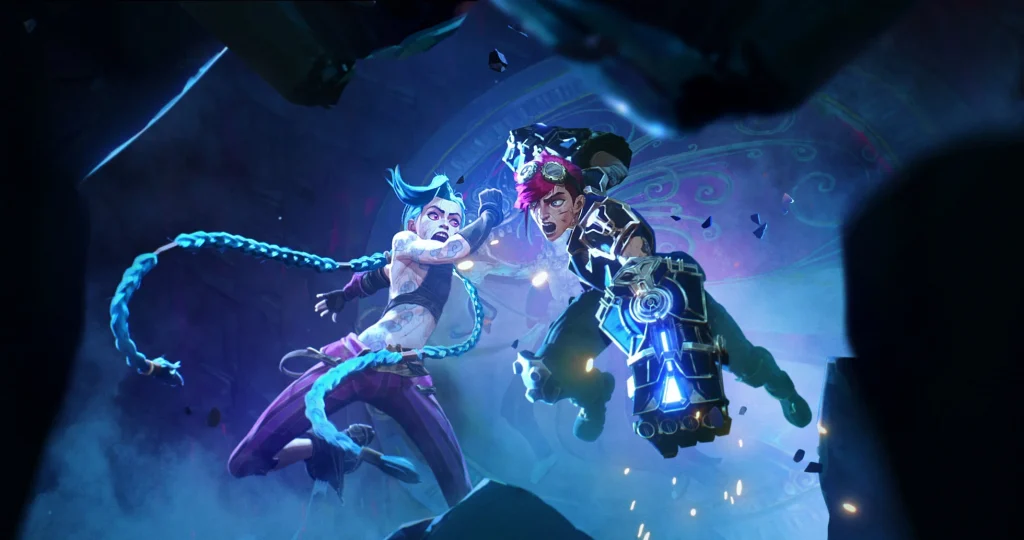
It didn’t take long for Arcane to shatter all expectations and become a global phenomenon in the world of online entertainment. The series received critical acclaim, topped the Netflix charts, and swept major awards, including an Emmy for Outstanding Animated Program.
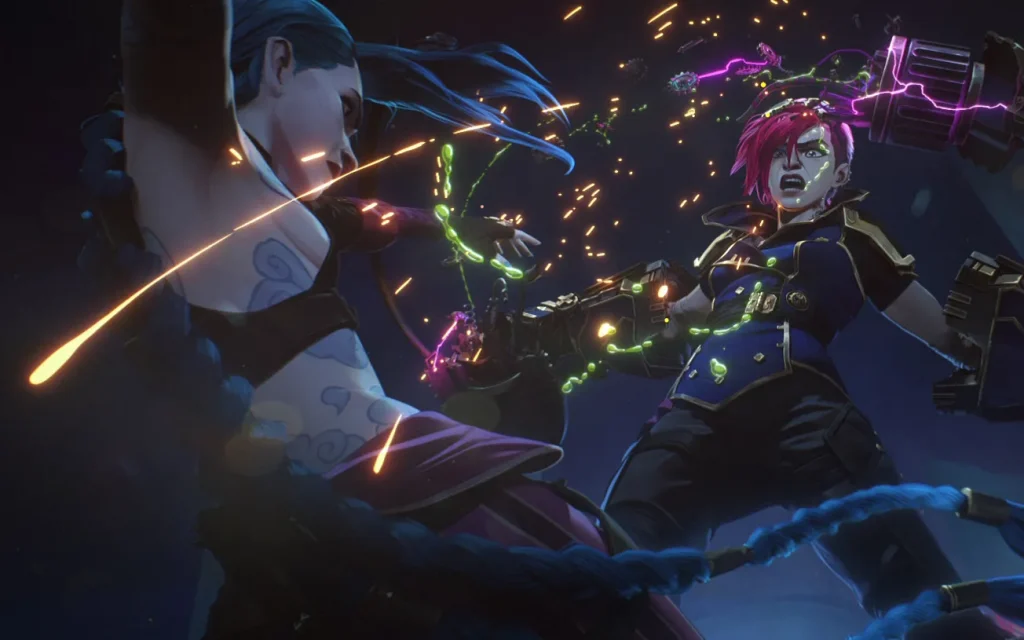
Through Arcane, Riot managed to deliver a story rich in emotion and characters that felt deeply relatable, helping it transcend the gaming medium and stand on its own as high-quality television. Arcane stands as a testament to Riot’s ability to achieve what only a select few gaming studios have accomplished: bringing the narrative of a video game into the mainstream without alienating its core fans.
Alongside helping Riot strengthen its overall brand, Arcane also raised the bar for the entire industry. With two incredibly successful seasons under its belt, it’s safe to say that the series has set a new benchmark for what video game adaptations can achieve.
Valorant’s Narrative Depth
As mentioned earlier, Valorant already has a strong narrative foundation in place, should Riot ever decide to expand its universe. Every single Agent in the game features unique, likeable personalities, representing diverse nationalities and cultural backgrounds, and each tied to intriguing backstories.
The world of Valorant is far more complex and interesting than your regular tactical shooter. Through in-game voice lines, animated trailers, and regular lore drops, Riot has carefully planted the seeds of a larger narrative that extends beyond the matches that players experience in-game.
These elements form a solid starting point for deeper narratives, including a full-blown animated series, short films, or even potential live-action adaptations.
By establishing these narrative layers early on, Riot has given itself the flexibility to expand Valorant’s universe without disrupting its competitive core. The pieces are already in place—the characters, their motivations, and a world full of unanswered questions. All that’s left for Riot to do now is bring these stories to life in some medium, and given the company’s track record with Arcane, the potential is undeniable.
Characters
One of Valorant’s biggest strengths lies in its roster of Agents, and not just in terms of gameplay. Unlike most modern shooters, where characters serve as alternatives to utility items like smokes, flashes, or grenades, the Agents in Valorant have distinct identities that resonate with players. Every single Agent in the Riot Games title possesses a unique personality, appealing visual design, and voice lines that give us information on their backstory. This individuality makes them feel like personalities you’d expect to see in a TV series rather than characters in a video game.
Not to mention the cultural diversity that the game boasts. Whether it’s Jett’s South Korean roots or Reyna’s distinctly Mexican edge, every Agent carries cultural nuances that enrich the world of Valorant and make the game relatable for players around the globe. This representation can help create opportunities for storytelling that can appeal to a broad audience.
Lastly, it’s important to note that each Agent in Valorant already has an established, passionate fan base. This is evident from the plethora of fan art, cosplay, and community content revolving around them that’s readily available on the internet. This built-in fandom gives Riot a powerful starting point, as any adaptation featuring these Agents wouldn’t need to build interest from scratch for a good chunk of the viewers.
World-Building
The world of Valorant is not only visually striking, but it also has rich lore waiting to be uncovered around every corner. The mix of sci-fi tech and stylish aesthetics that the game boasts is certain to translate well to the screen.
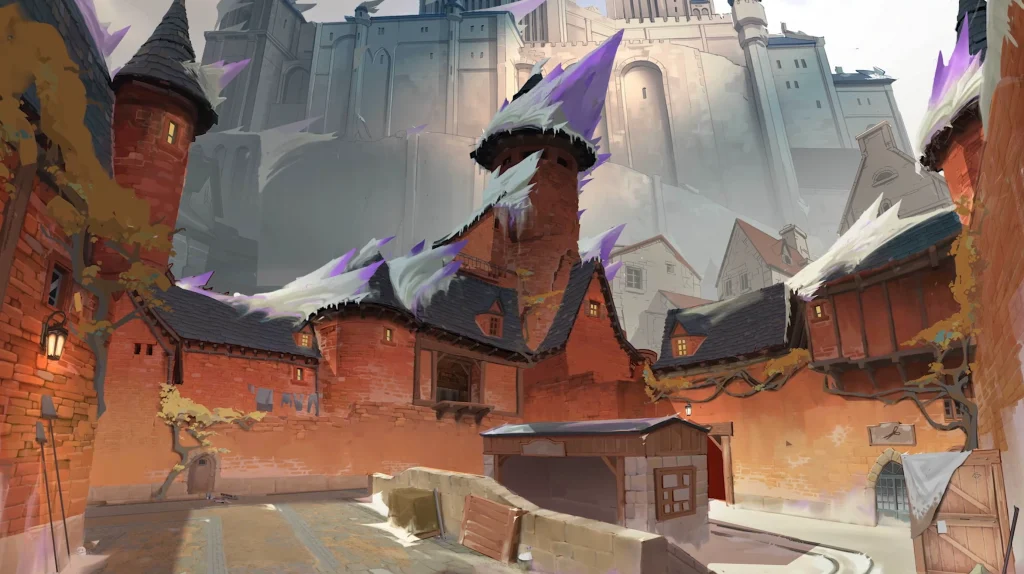
Furthermore, each map in Valorant has a unique visual identity that adds depth to the game world. From the picturesque floating city in Ascent to the underwater setting in Pearl, these locations feel like more than just maps in a game. Every map carries its own lore and cultural flavor, creating a sense of place that could easily be explored in other media.
Lastly, Valorant’s maps are set all over the world. Haven draws inspiration from the city of Thimphu, Bhutan, while Split is based on a futuristic city in Tokyo, Japan. These sharp contrasts in visual identity enrich the overall in-game experience for players and would also translate seamlessly to the big screen.
The Perfect Time for an Adaptation
With Valorant having recently moved to Unreal Engine 5 and Champions 2025 being just around the corner, the hype surrounding Riot’s shooter is at an all-time high. Millions of players are tuning into the game each day to reach their dream rank, and the esports scene is thriving. Combine that with the growing demand from streaming platforms for fresh video game adaptations, and now might be the perfect moment to bring Valorant to the screen.
What makes the timing even more compelling is the sheer amount of growth that Valorant has shown since its release. Over the past five years, Valorant has gone from a new entry in the tactical shooter space to a household name in the world of esports, constantly creating moments and highlights that have captivated gamers throughout the globe.
There’s also the proven track record of Riot’s storytelling. Following the incredible success of Arcane, the studio has proven that it can craft a series that resonates with both gamers and casual viewers. This credibility lowers the risk and raises expectations for what a Valorant project could deliver. Add to that the strong emotional investment that players already have in its Agents, and you might just have a giant hit in your hands just waiting to be released.
Challenges
While there are plenty of reasons that indicate a potential adaptation of Valorant being a global success, there are also certain challenges that Riot must navigate through if it is looking to bring its shooter to the big screen.
Translating video games into TV series or other forms of media is always tricky, since you are losing the interactive essence that makes the game special while trying to fit it into a passive storytelling format. There’s also the importance of staying true to your roots and not deviating too far from the core elements of the game that fans love. Otherwise, you can end up alienating the very audience that made the game successful in the first place, turning a promising adaptation into a costly disappointment.
It’s also not uncommon for companies to capitalize on market hype and release rushed on-screen adaptations of beloved franchises, only to deliver shallow plot lines and characters that don’t feel true to their origins—just ask anyone who watched the Halo TV series and wondered why Master Chief suddenly thought helmets were optional.
Verdict
Overall, it’s pretty safe to say that Valorant already has all the key ingredients that it needs to follow in Arcane’s footsteps: a lovable cast of agents, a world rich in lore, and a fan base that’s deeply invested in the game itself. That, in combination with Valorant’s appealing aesthetic and Riot’s proven track record in animation, gives the title the potential for a blockbuster adaptation.
However, while the stage is set for Valorant to shine, there is still potential for it to turn into a colossal failure if Riot fails to play its cards right. Rushed production cycles, badly written scripts, and needless deviations from the source material have sunk many video game adaptations in the past. The company needs to take its time in creating a plotline that resonates with its fans, while also ensuring that the core personalities of the game’s beloved characters aren’t altered for the sake of adaptation.
If Riot avoids these pitfalls and continues its tradition of thoughtful storytelling and world-building, we might just be on the brink of another cultural phenomenon. With the right approach, a Valorant series has every possibility of setting a new benchmark for video game adaptations.
