


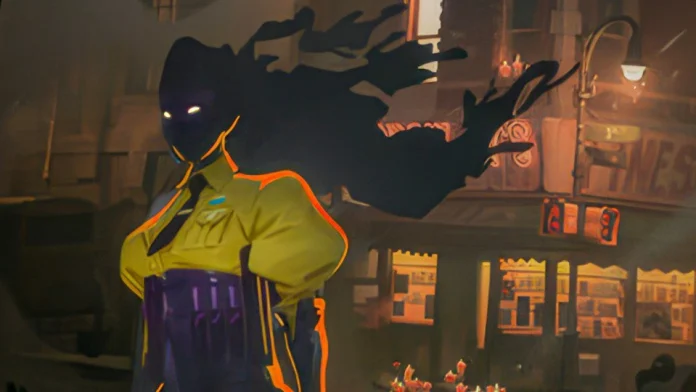
If you’re someone who enjoys having free time, hanging out with friends, and touching grass every once in a while, you might want to stay far, far away from Valve’s upcoming hero shooter, Deadlock. I’m not exaggerating when I say this, but I’ve spent nearly every waking minute of the past week riding the highs of my Deadlock wins or trying to figure out what I could’ve done differently after every loss. It’s the kind of game that hooks you so deeply, you barely notice the hours slipping away.
Over a year has passed since Valve officially confirmed the existence of Deadlock for the first time, and while the game is still nowhere near its final release, it’s still making waves within the gaming community, even in its tightly restricted closed alpha phase. Despite being in an early, invite-only stage of alpha testing, the title has managed to draw in tens of thousands of players who regularly tune into the game not for rewards, rankings, or progression systems, but just for the enjoyment of the experience.
In case you’ve been living under a rock for the past year, Deadlock is a MOBA-hero shooter hybrid that combines the best elements of both genres into one experience. On top of that, it’s being developed by Valve, the studio behind legendary franchises that defined PC gaming, such as Half-Life, Portal, and Counter-Strike. The result is something truly remarkable, a game that offers the fast-paced action of Overwatch alongside the strategic depth of Dota.
First Impressions: Why Deadlock Feels Different
As soon as you first load into the game, you know you’re in for a treat. You’re greeted by a main menu theme that you could listen to for hours without getting bored. It might just be the best main menu music Valve has ever produced, perfectly capturing the game’s neo-noir ambience.
Despite boasting such a phenomenal theme, there isn’t a traditional main menu in the entire game. Instead, you’re spawned in a “Hideout” in the middle of a dystopian, occult-tinged version of New York City that you can traverse through to queue for a game, watch your match replays, learn more about the heroes, or try out various abilities and items.
You can also invite friends to join you in your Hideout, where you can hang out or spar against each other while waiting for your next match. It feels more alive and immersive than the sterile menus most competitive games offer, and it immediately sets Deadlock apart from the pack.
Once you load into a match, MOBA fans will feel right at home, except this time, you’ll be seeing that home in third person. The familiar elements are all here: three lanes, a vast jungle, and a series of Guardians and Walkers standing guard over your Patron, all scattered throughout the streets and alleyways of the Cursed Apple.
While Deadlock does share certain similarities with MOBAs, the overall gameplay of Deadlock couldn’t be further from your traditional MOBA title. In fact, Deadlock’s gameplay is not like any game I’ve ever played, which isn’t that surprising considering it’s a Valve title. The studio has a reputation for experimenting with new ideas and pushing boundaries, and based on my first impressions, Deadlock seems to hit all the right notes.
Valve’s Secret Sauce
Third-person MOBAs aren’t entirely a new thing in the world of multiplayer video games. In the past, several other titles have tried to combine the two genres, but none of them have been particularly successful in retaining a large player base. So, what enabled Deadlock to succeed where many others tried and failed? To find the answer to this, you may need to experience the game first-hand.
Jumping into a match of Deadlock, it becomes evident that the title has something special in it, something that can only be described as “Valve’s secret sauce.” A unique blend of design choices makes the game feel fresh, engaging, and dangerously addictive, but unlike any other game you’ve ever played.
The environment perfectly complements its 1950s neo-noir ambience, the hero designs and voice lines are brimming with personality, giving each character a distinct charm of their own, the gameplay loop feels incredibly engaging and keeps players coming back for more despite the lack of any notable progression or ranking system.
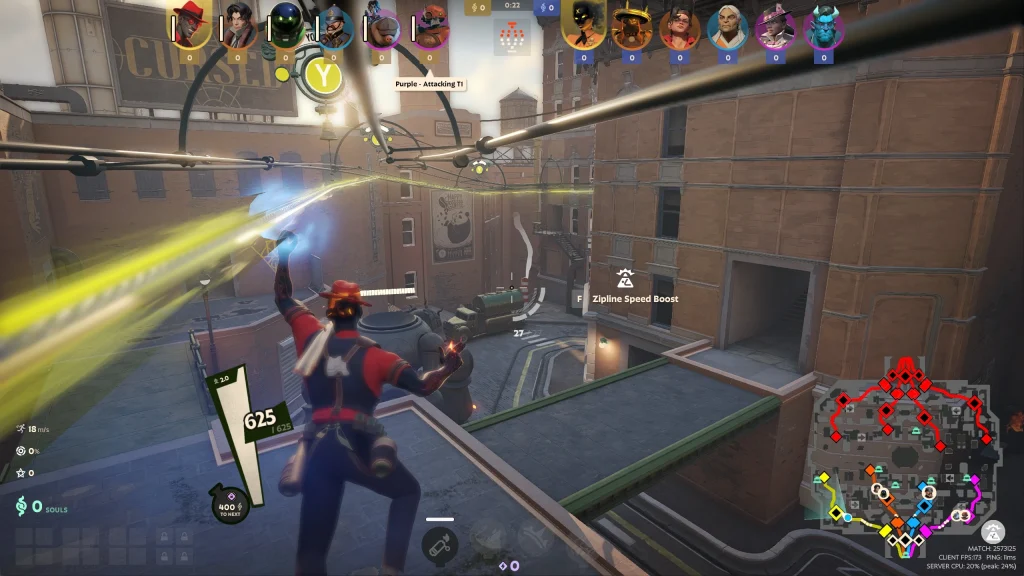
And then there’s the movement. As the majority of players agree, the movement is where Deadlock truly separates itself from the pack. Players are given a few deceptively simple tools to navigate through the Cursed Apple: a dash, a slide, jumps, and ziplines to get in and out of lanes at ease. The magic, though, lies in how these movement techniques interact. The game encourages players to combine moves into fluid sequences like double jumps, dash-jumps, and wall-jumps. Pulling off these movement techs in the middle of heated fights and outmaneuvering your enemies feels extremely rewarding, whether you’re chasing an enemy hero or trying to run away on the brink of death.
It’s safe to say that movement in Deadlock has a skill ceiling of its own. This, when combined with the fact that no area on the map is off-limits, as players can slip inside buildings, leap from rooftop to rooftop, and weave through narrow alleys, results in pure adrenaline. Most late-game fights become a dance across rooftops, alleys, and vertical spaces, making the mastery of movement just as important as having good aim.
A Perfect Blend of Hero Shooter & MOBA
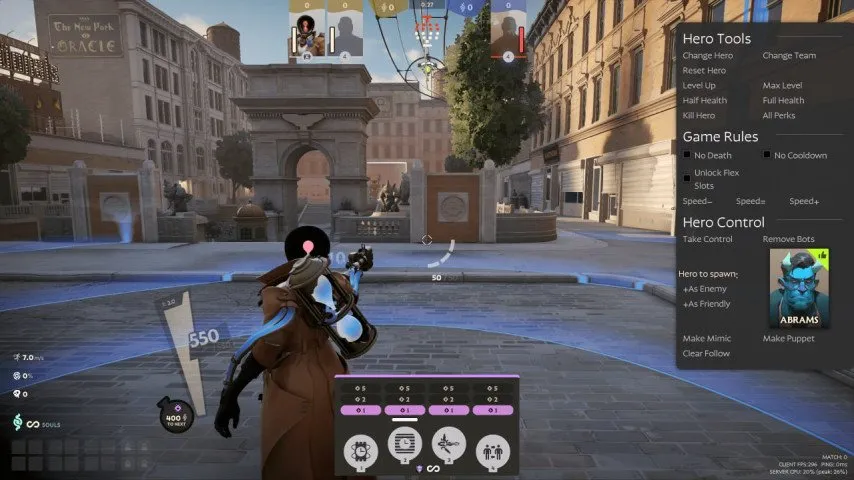
As individual genres, hero shooters and MOBAs couldn’t be more different from each other, with one requiring precise aim and fast reflexes, while the other demands map awareness, positional awareness, and team coordination, among other things.
For the same reason, players who are used to hero shooters might get intimidated by the fact that Deadlock is a MOBA at its heart, whereas traditional MOBA players could be thrown off by the game’s heavy emphasis on raw mechanical aim.
However, Deadlock features a near-perfect blend of the two elements where one doesn’t overshadow the other, giving players from both backgrounds a fair shot but also creating plenty of opportunities for them to learn, adapt, and grow.
Raw mechanical skill, movement, and strategic thinking are all undoubtedly crucial parts of winning duels in Deadlock, but all of these factors can be compensated to an extent with proper positioning, map control, and team synergy.
This unique fusion makes Deadlock exponentially more rewarding than the average hero shooter, but at the same time, it makes your mistakes equally more punishing.
Can It Keep the Magic Alive?
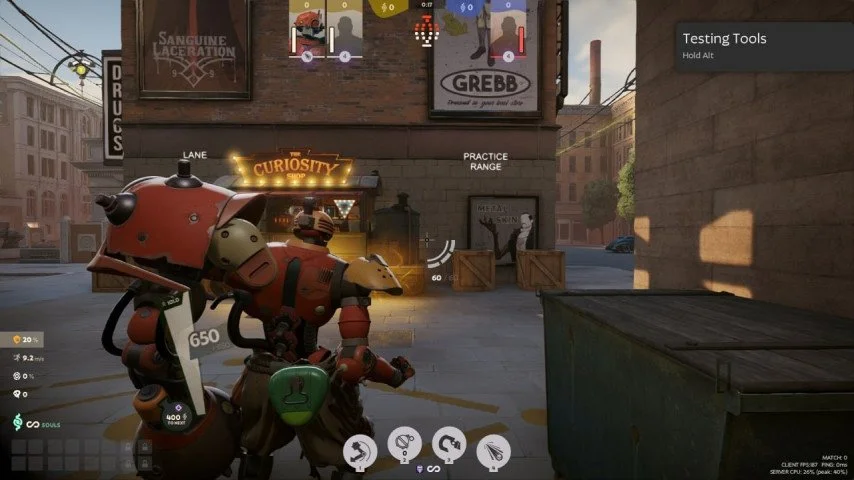
Now that you’re aware of the incredibly high skill ceiling that Deadlock offers, it leads us to the big question: Can it keep the magic alive heading into the future, or is the expanding player base of Deadlock just a bubble waiting to burst as soon as newcomers feel crushed by the ever-rising skill floor?
The depth and complexity of Deadlock are among its many strengths that set the game apart from the crowd, but at the same time, they could also be its Achilles’ heel. They are the factors that make the esports scene enjoyable to watch and constantly reward players for putting in the time to learn the game, but they also risk creating a steep learning curve that might overwhelm newcomers who aren’t ready to commit.
Balancing a game that combines two vastly different genres is never an easy task, as tilting the scale too far toward any direction can take away its identity and risk alienating its own player base. Incorporating more hero-shooter elements will likely make the game more mechanically challenging and put greater emphasis on aim, while leaning too heavily on the MOBA side could increase its complexity and scare away casual players.
So far, Valve has done a tremendous job maintaining that delicate balance, and Deadlock has come a long way since it first entered closed alpha testing last year. Moving forward, it’s likely that the company will ease the onboarding process for newcomers. Features such as improved tutorials or a dedicated new player matchmaking system similar to Dota 2 could easily make a huge difference in that regard.
Whether Deadlock manages to sustain its growth will depend on how well Valve balances its competitive depth with accessibility. If the skill ceiling continues to soar without meaningful improvements to the new player experience, the game might risk stagnating in player count. But if Valve can strike that balance, Deadlock could potentially cement itself as one of the biggest competitive shooters of all time.
Verdict
Before we conclude, it’s important to reiterate that Deadlock is still in its early stages of closed alpha testing. As a result, everything about the game, including its gameplay elements, art style, overall balance, and level of polish, is subject to change before its official release.
But here’s the thing: even in this rough state, Deadlock already feels like something truly special. It feels like a game that could redefine what we expect from hero shooters. Should Valve decide to release Deadlock as it is right now, I have no doubt in my mind that it would still manage to take over the hero shooter space for years to come.
Maybe the real question isn’t whether Deadlock will succeed, but how big it can become once Valve applies its signature polish. If history is any indication, Valve has a track record of making every release a benchmark for the competition. If Deadlock receives the same level of care and innovation that games like Dota 2 and Counter-Strike have enjoyed, we could be looking at not only the next big title in competitive gaming, but also the birth of an entirely new genre.
So, if you plan on giving Deadlock a shot ahead of its release, better clear your schedule now, because walking away won’t be easy.
