


The competitive first-person shooter market has reached a breaking point, with Valve’s Counter-Strike 2 confronting unprecedented challenges that threaten its decades-long dominance. Even at nearly two years into its life cycle, CS2 still grapples with foundational problems, ranging from performance optimization to anti-cheat efficiency, while competing games showcase more responsive development methodologies. This passive approach by Valve, characterized by sporadic updates and minimal community interaction, is a far cry from industry standards and may ultimately diminish Counter-Strike’s status as the top competitive FPS game.
Current State of CS2 and Its Challenges
The shift from Counter-Strike: Global Offensive to Counter-Strike 2 was meant to mark a new generation of competitive play, fueled by the Source 2 engine and utilizing groundbreaking subtick technology. Yet the reality has been much more complicated, with longstanding issues besetting the game since its release in September 2023. The most pressing issue revolves around the subtick system, which continues to function efficiently at 64-tick rates, much to the dislike of professional players, who opt for 128-tick servers. This technical constraint has been a primary target of criticism from the competitive community, who maintain that the responsiveness and accuracy necessary for elite play are still constrained.
Performance optimization is another key problem that has deteriorated over the years. Professional players have reported dropping frame rates and frame-time inconsistency, with some stating that systems formerly capable of delivering solid performance now struggle to sustain acceptable levels. The decline in performance has been most evident on mobile platforms, where gamers claim that their laptops, which could initially support the game, now provide unplayable experiences. This backsliding in optimization goes directly against the ongoing enhancements that usually follow continuous development.
The technical foundations on which CS2 has been built have also not kept up professional standards in a number of critical respects. The Premier ranking system, touted as a linchpin feature designed to differentiate CS2 from its ancestor, has been marred by bugs and cheating issues. The failure of the ranking system to deliver a stable, reliable, competitive space has led numerous serious players to continue to use third-party services such as FACEIT, compromising one of CS2’s core selling points.
Valve’s Development Philosophy
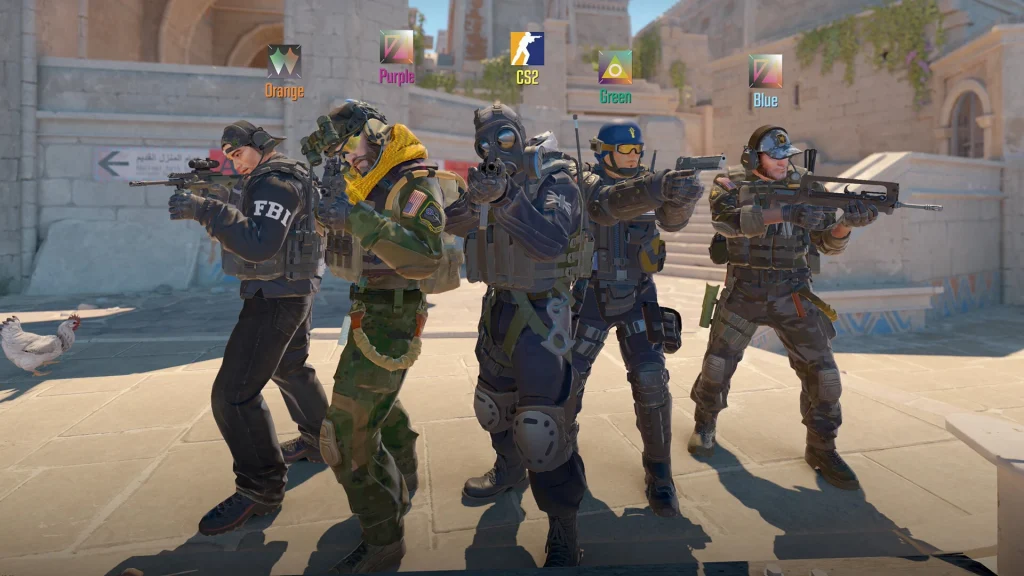
Valve’s strategy for CS2 development is an extension of the company’s overall philosophy of deliberate, behind-the-scenes development with little public commentary. This approach, which has been successful for the company in the past, seems increasingly out of line with contemporary competitive gaming expectations. The latest major update, entitled “Mission Possible,” brought new community maps and weekly missions but did nothing to address the basic technical and gameplay problems that have lingered since launch. The emphasis of the update on content cycling over fundamental system improvements is symptomatic of Valve’s inclination to prefer surface-level enhancements over meaningful fixes.
The rate of substantial updates has been a specific point of exasperation for the professional scene. In contrast to competitors who have standard communication schedules and regular balance changes, Valve updates tend to be weeks or months in between, with minimal description of the changes or direction going forward. This irregular cadence is especially undesirable in the context of a competitive esports title, where rapid iteration and adaptability to community feedback are crucial for maintaining player engagement and upholding competitive integrity.
Valve’s communications strategy adds to these problems by offering little context for change and very little information about future development agendas. The company’s usual policy of letting the product do the talking has turned out to be inadequate in an age where gamers desire openness and constant communication from game developers. Valve’s reluctance to open up has created an information void that fosters speculation and anger within the community, especially when put against the more open communications strategies of rivals.
Professional Community and Player Feedback
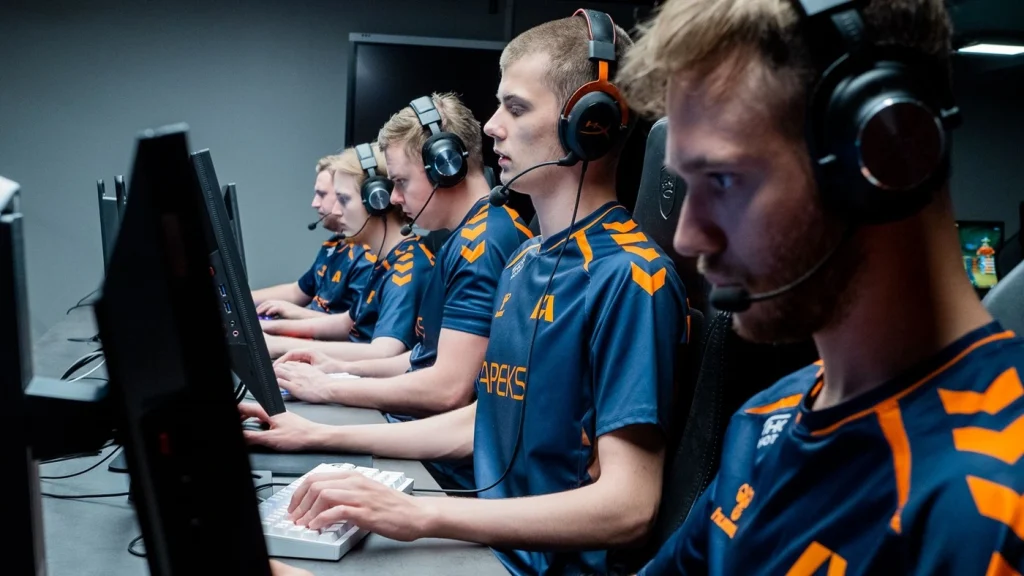
The global professional CS community has been increasingly vocal in expressing its discontent over the direction of CS2’s development. FaZe Clan’s Robin “ropz” Kool was particularly scathing, saying the game is “alright” compared to past transitions, but that “Valve could do a lot better than this.” His prediction that the game may not find its competitive peak until 2030 is representative of a general feeling that the pace of development is too slow for the size of improvements required.
G2 Esports’ Nikola “NiKo” Kovač has also shared similar complaints, albeit more about the underlying gameplay fundamentals that impact competitive integrity. Tier-one pro player criticisms carry considerable weight since they are the apex of competitive play and thus bellwethers of the game’s long-term health in the esports marketplace. The fact that several top-tier players have shared such concerns implies systemic problems and not just one-off complaints.
The frustration of the professional community goes beyond technical complaints to include general dissatisfaction with Valve’s responsiveness to criticism. Players observe that after offering detailed feedback on gameplay mechanics, server performance, and competitive aspects, significant changes often take months or years to be adopted. This cycle of reaction takes away from the cooperative feedback relationship between game development and the desires of its most invested and capable players, possibly routing talent into more reactive competitive games.
Competitive Environment
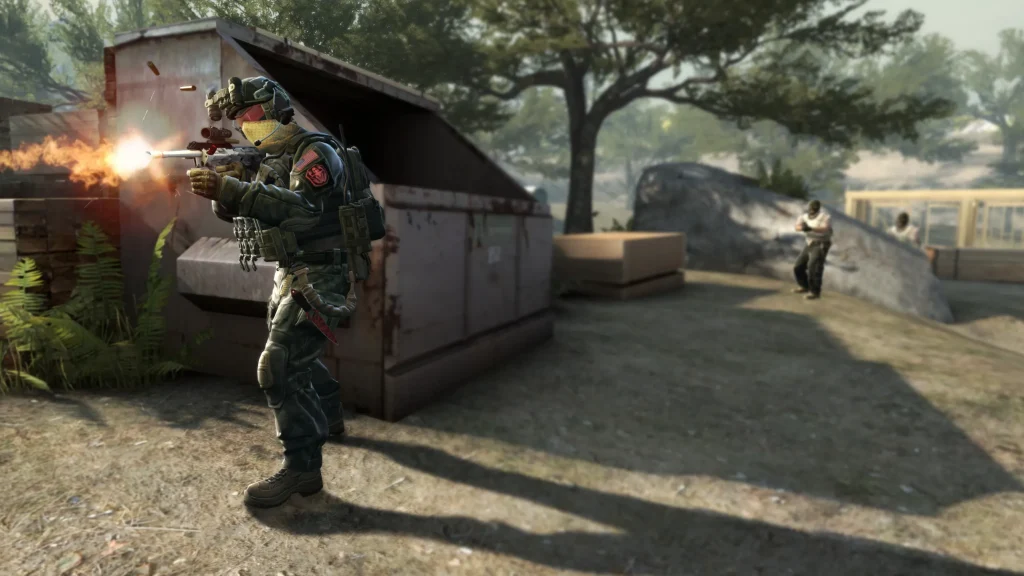
The competitive FPS space has changed significantly over the last few years, with the likes of Valorant showcasing a different style of game development and community interaction. Riot Games’ Valorant is a prime example of a more flexible development approach, utilizing regular patch schedules, constant communication, and swift community reaction. The way the game handles seasonal content patches and agent balance shows how iterative methodology can keep players hooked as it tackles competitive issues.
The development team of Valorant has a regular cycle of updates, with patches usually coming out every two weeks and big seasonal updates dropping significant additions of content. This allows for quick iteration on balance changes and for the development team to react to emerging meta issues or technical problems quickly. The comparison with the irregular update schedule of CS2 is especially interesting when keeping in mind that both games are aimed at similar competitive players.
The larger gaming world has similarly shifted towards more communicative development cultures, and games such as Apex Legends have included in-depth patch notes, developer commentary, and roadmap communications. Even established competitors such as Call of Duty have turned towards more open development cultures, with frequent developer updates and transparent communication regarding upcoming content. This sector-wide shift towards open communication and transparency makes Valve’s more clandestine approach seem progressively outdated.
Technical Infrastructure and Anti-Cheat Problems
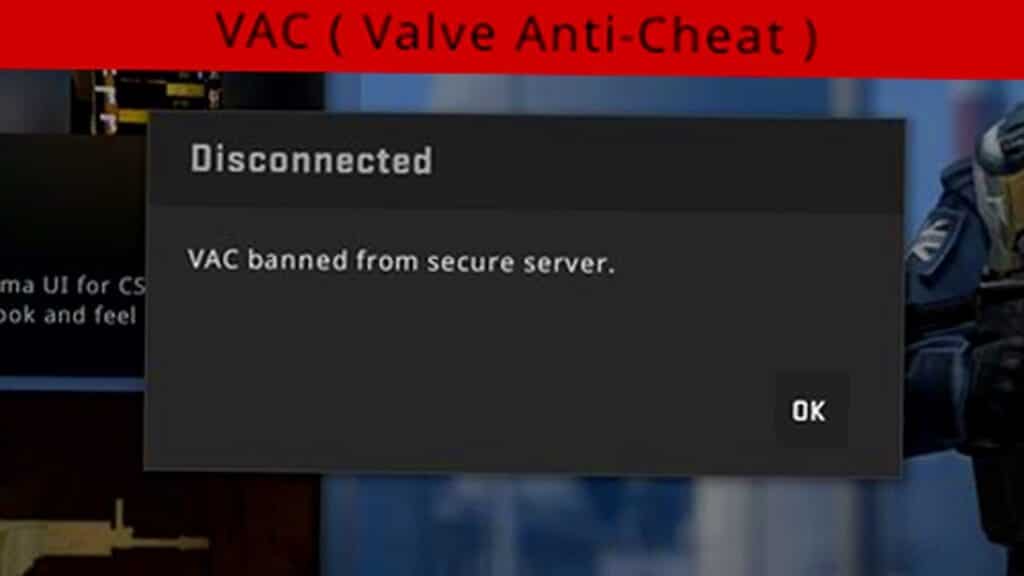
The anti-cheat mechanism in CS2 is one of the biggest threats to the competitive integrity of the game. Players complain about running into cheaters in high-trust-factor games with alarming regularity, frequently being subjected to blatant violations that go unpunished for days. The fact that cheating continues to be rampant even after Valve implemented its AI-driven VAC system implies intrinsic flaws in the existing strategy for competitive integrity.
The technical realization of anti-cheating methods has been especially challenging, with cases of false positives impacting honest players while missing overt cases of cheating. This builds a double whammy in which legitimate players are subject to possible punishment while real cheaters remain in operation unabated. The erosion of community trust in the anti-cheat system has more extensive implications for the competitive integrity and prospects of the game.
Server hardware and networking problems exacerbate these technical problems, with players experiencing unreliable registration, desynchronization issues, and geographically-based performance differences. The subtick system, theoretically a step above the tick-based network model, has not lived up to expectations in reality. Professional players continue to experience shot registration problems, movement reliability issues, and overall responsiveness issues that impact competitive results.
Communication and Transparency Issues
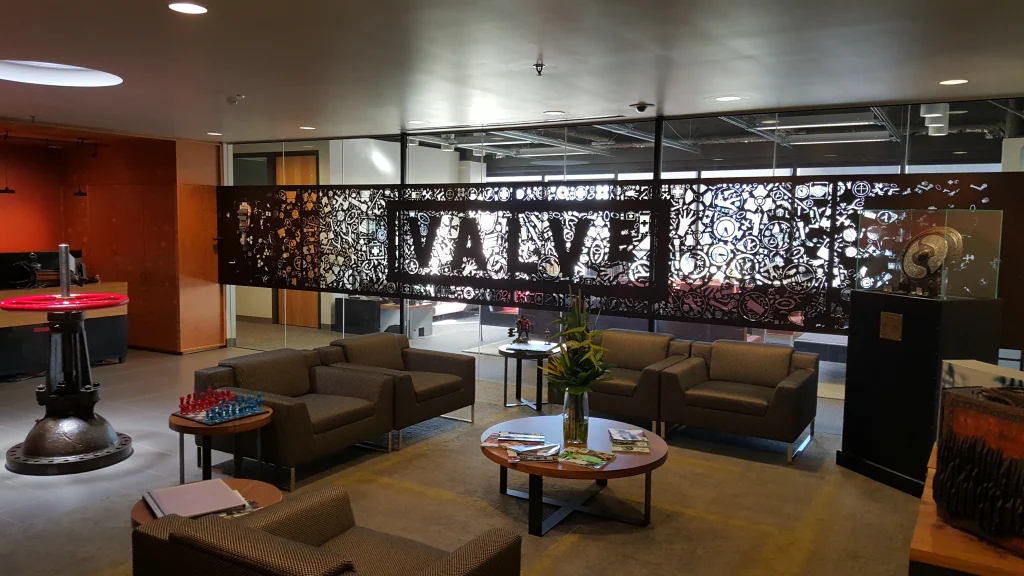
Valve’s communications strategy has grown increasingly problematic within the framework of contemporary competitive gaming expectations. The company’s historical model of limited public communication and sparse updates has developed an information vacuum that generates speculation and frustration among the community. Players frequently spend weeks or months not knowing if reported problems are being worked on or even recognized by the development team.
The lack of consistent developer communication directly contradicts industry best practices, where community management and open development processes have become expected norms. Other competing games stay in touch with regular communication from developers via blogs, social network interaction, and forums within the community, keeping both players and developers in constant conversation. Valve’s more solitude-based method seems more and more outdated in these circumstances.
The effects of poor communication are not limited to community affairs but also influence the competitive ecosystem of the game. Tournament organizers, pro teams, and content creators have difficulty making plans based on uncertainty for future updates and modifications. Such uncertainty adds more to the existing friction in an already complicated competitive scene and might deter investment in the CS2 ecosystem compared to more deterministic options.
Final Thoughts
Valve’s passive model of CS2 development is a critical strategic error that puts at risk the long-term competitive standing of the game. The concurrency of technical problems, infrequent update schedule, weak communication, and poor anti-cheat systems combine to present a perfect storm of issues that may ultimately erode Counter-Strike’s dominance of the competitive FPS marketplace. While the game’s core mechanics and competitive roots give it a solid base, these strengths are being undermined by competitors that show more agile development practices and more effective community involvement.
The growing public outcry from the professional community indicates that the existing path is not sustainable for keeping Counter-Strike at the top as a competitive FPS game. With alternatives such as Valorant showing other ways of game building and community interaction, Valve’s vintage ways seem to be woefully inadequate for the competitive gaming standards of the present day. Without drastic adjustments to development speed, communication ethics, and technical support systems, CS2 stands to lose its crown to more agile and better-administered competitors.