

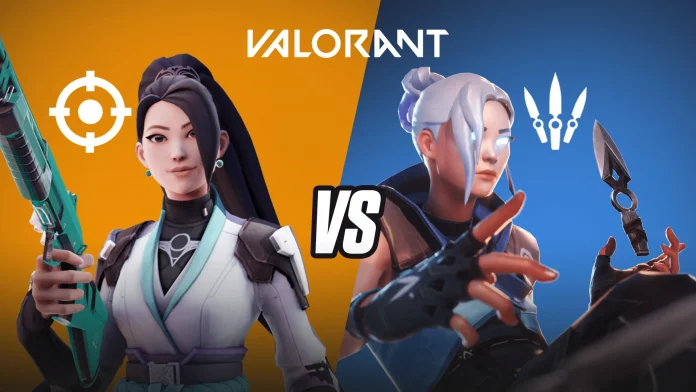
Bind, Defense. You’re anchoring the B-site from Hookah when you hear a bunch of footsteps fast approaching. A second later, Sova’s drone tags you, and you fall to the back site. And that’s when the utility dump begins. Shock Darts, Brimstone molly, Raze nade, even a couple of Tejo missiles for good measure. It feels like you’ve just survived a nuclear strike, only to look up and see a Jett dashing in from above to finish off what remains of your HP bar.
If you’ve ever played Valorant in moderate to high ELOs, this scene probably feels all too familiar. Finding the right balance between raw aim and utility usage is always a tricky area for most tactical shooters, but in recent years of Valorant, the problem of “ability overload” has become increasingly prevalent.
Every few months, Valorant sees a new Agent being added to its ever-expanding roster, with each one introducing new abilities, gameplay mechanics, and sometimes status effects. As a result, not only does the game get a little more complicated for new players to get into with every update, but it also often feels like mechanical skill is taking a backseat to see who can throw their abilities faster and more efficiently.
As Valorant continues to evolve and the cracks in its game design start to show, it leads us to the question: Has Riot built a gameplay structure that’s too fragile to ever stabilize?
Headshots vs Utility
To try and better understand Valorant’s game balance, we first have to grasp the two core pillars of any tactical shooter: aim and utility.
Since the early days of video games to modern titles, aim has always remained an integral part of any first-person shooter. The ability to consistently click heads is what differentiates skilled FPS players from casual ones, and it has always been considered to be the purest expression of mastery in the genre.
Other aspects of tactical shooters—flicks, spray control, and crosshair placement—all fall under the mechanical side of the game. They form the foundation of what separates good aimers from average players. Without these core skills, no amount of strategy or utility usage should be able to make you win duels.
But what about abilities?
Popularized by titles like Overwatch and Apex Legends, abilities add new layers of depth and complexity to FPS games. Abilities can have a wide array of uses in games—healing, damage, mobility, recon, and other effects that can easily turn the tide in your favor.
Valorant was one of the first mainstream titles to try and blend abilities with gunplay in tactical shooters, and it was a massive success. The Riot Games title introduced abilities as an alternative to utility like smokes and flashes in Counter-Strike, garnering the attention of gamers across different genres.
Unlike Overwatch or CS, Riot tried to give equal weight to both aim and abilities in an attempt to bring the best of both worlds to Valorant. But as time went by, the balance began to shift.
Why Aim Matters
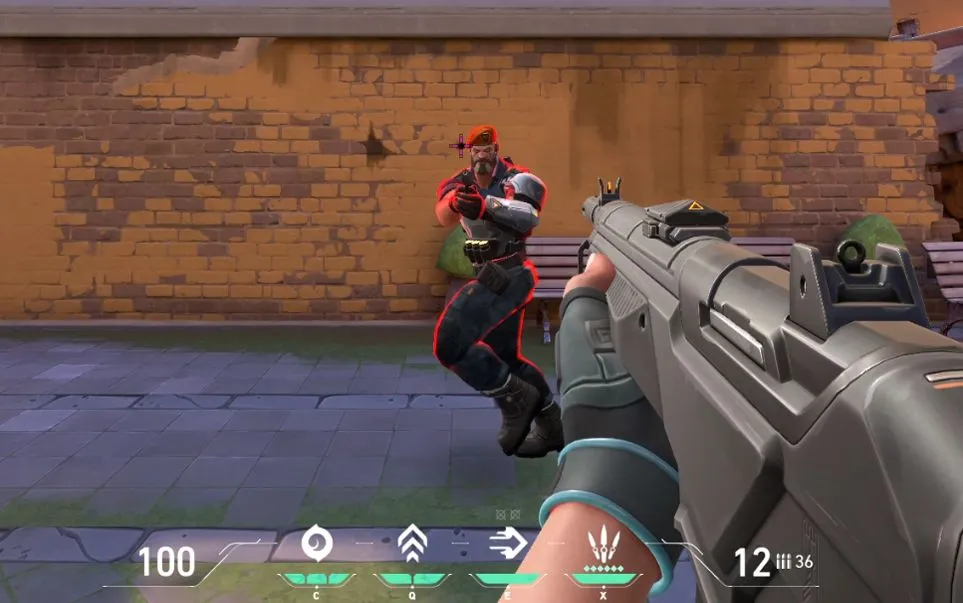
Before we dive into the importance of raw aim in tactical FPS, let’s rewind back to the good old days of CS 1.6. Remember how you’d try and contest the mid double-doors of Dust 2 with an AWP in hopes of getting the first pick of the round? No amount of utility would be able to help you win that duel. You’d have to rely on your mechanical skill, timing, and crosshair placement to win what was arguably the most iconic 1v1 duel that era of Counter-Strike had to offer.
Whether you were playing CS, Quake, or Unreal Tournament, our aim was the primary determining factor of whether you’d win or lose a duel. Sure, there were nuances like map control and weapon choice, but raw mechanical skill took the center stage.
Does that mean utility usage didn’t exist back then? Of course not. If you suspected an AWPer was holding an angle, you’d throw a smoke or a flash at their position to flush them out and improve your odds of winning the fight. What you couldn’t do, however, was secure a “free” kill by asking your Breach to stun them for you.
These mechanics not only rewarded raw skill and reaction time, but also elevated the emotional appeal of clutches, flicks, and 1vX situations as pros had little to rely on other than their aim.
Tyson “TenZ” Ngo, one of the most prominent Valorant pros renowned for his mechanical skills in FPS games, said in one of his livestreams, “Think about back when Valorant was first introduced, what was the promise into the game? The game was a precise tactical shooter where gunplay reigns supreme, and utility helps you elevate your gunplay. Nowadays, the utility kills everyone for you.”
Abilities & Tactical Creativity
While mechanical skills undoubtedly defined the early days of competitive FPS, a number of recent titles have shown that there might be more to winning than just popping heads.
As we have already discussed earlier, abilities are just modern-day alternatives to classic utilities like smokes and grenades. However, unlike traditional utility, abilities offer far more room for player creativity.
Most importantly, abilities enable players to make plays out of nothing. Imagine a scenario where you’re stuck in a 1v4 situation with a weak pistol while your enemies are on a full-buy. While even the most mechanically skilled players would struggle to make it out of that alive relying on their aim alone, a well-placed stun or flash can help you get that first crucial kill and secure a better weapon.
Aside from helping you secure kills and take map control, abilities also incentivize teamplay and proper coordination between teammates, rewarding teams that can communicate effectively and execute strategies as a unit.
In Valorant, Initiators like Breach, Skye, or Sova are extremely effective at disabling enemies for a short span of time and scouting out their positions, but struggle to secure kills on their own. When paired with a well-timed Duelist entry, though, their utility can make taking sites feel effortless.
Pro Scene vs Ranked
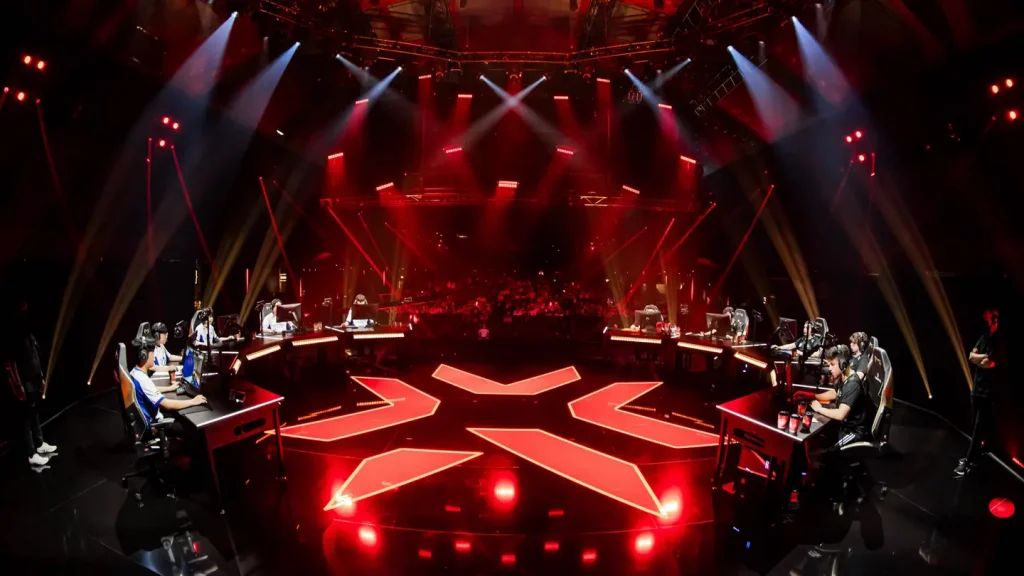
Pro scene and regular pubs in Valorant, or in any tactical FPS, exist as two entirely different realities. While ranked games are dominated by raw aim, mechanical skills, and overall game sense, plays in the pro scene primarily revolve around coordination, utility usage, team synergy, and strategy.
In the average Valorant pub game, it’s easy to get away with bad utility usage if you’re an aim god, while in pro play, even the sharpest aim means little without proper team play. For the same reason, aim-dependent Agents like Reyna and Iso shine in ranked games, whereas they are barely even picked in the big stages. On the other hand, Agents like KAY/O and Astra thrive in the pro scene due to their dependence on strong team coordination, but they tend to underperform in solo queue.
Due to the contrast between the pro scene and the ranked environment, Riot faces a unique challenge in balancing the game for two drastically different ecosystems. Buffing an Agent to make them more viable in ranked can easily make their win rates skyrocket in pro play, while tuning an Agent around coordinated playstyles can render them extremely weak in typical ranked lobbies.
Should Aim and Abilities Ever Be Equal?
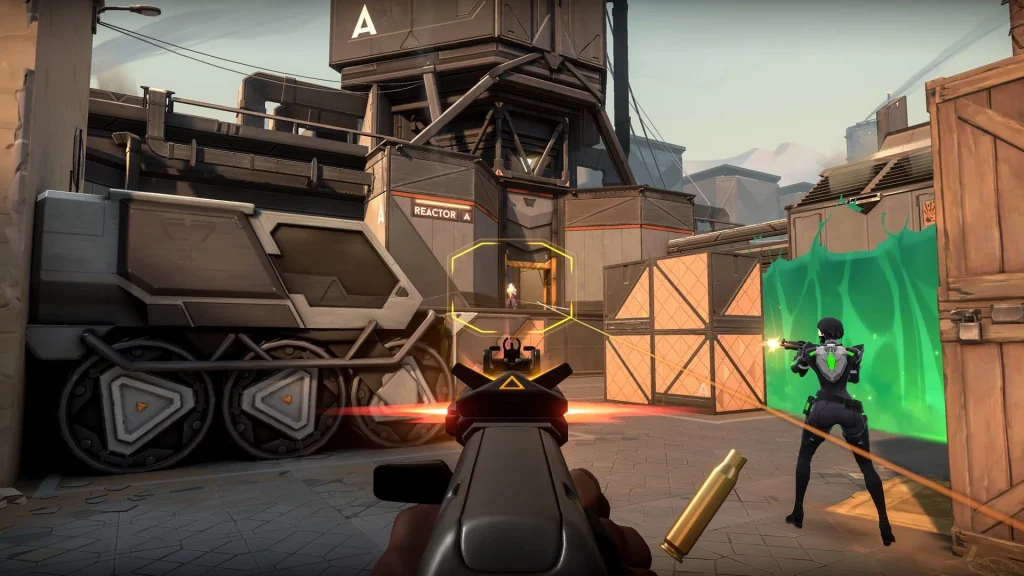
The debate between aim and abilities isn’t quite black and white, which raises a deeper question: is balance even the right goal?
On one hand, we have a portion of the community that condemns the over-reliance on utility in tactical shooters. Many players believe that mechanical skill and gamesense should reign supreme in FPS games, and while there’s certainly a place for utility in games, they shouldn’t be able to compensate for a lack of raw aim.
On the other hand, players argue that the introduction of Agent abilities is what makes Valorant stand out from the plethora of other titles in the genre, and makes the game’s pro scene unique and enjoyable to watch.
In a complex game like Valorant, it can be incredibly difficult to find the right balance between aim and abilities without compromising the integrity of pro play or the ranked environment. Maybe the goal shouldn’t be to put aim and abilities on equal footing, but rather create an ecosystem where both styles can coexist.
Verdict
In a recent Dev Updates video, Riot Games confirmed that they’re actively working on addressing the “ability overload” issue in Valorant, and we’ve seen several instances of visual clarity being improved over the past few updates with additions like useful minimap icons, better audio cues, and more.
However, despite these additions, it’s unlikely that Riot will ever be able to “solve” the balancing problem, and that might just be okay. The brilliance of Valorant lies not in its perfect balance but in the chaos that unfolds in the heat of battle.
Instead of solely rewarding the sharpest aimer in a lobby, Valorant puts more emphasis on quick thinking and adapting. While it’s easy for newer players to feel overwhelmed by the constant ability dumps, those same abilities can also be utilized to create counter-play opportunities, which gives Riot’s flagship FPS its core identity.