

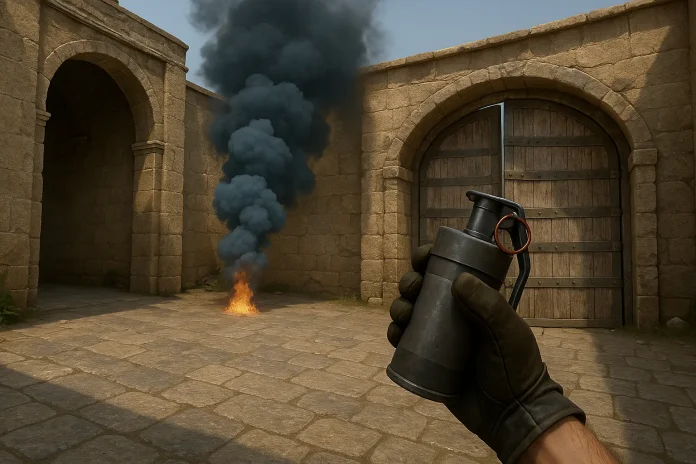
Counter-Strike 2 (CS2) has seen a new era of competitive gameplay, characterized by accuracy and strategic complexity. Arguably, one of the most significant changes in the meta of the game is the focus on utility-based plays. From advanced smoke gameplay to Molotovs denying space, utility usage has grown from auxiliary support to the focal point of tactical superiority. In this article, we’ll explore how utility has become the defining factor in CS2 gameplay, map control, pro strategy, and more.
In contrast to its predecessor, CS2 features an enhanced engine that allows for better physics on grenades and their interactions with the environment. Smokes are now dynamic, incapacitating areas that naturally react to wind and bullets, allowing both sight-blocking and tactical play. Molotovs and incendiaries propagate more realistically, and HE grenades and flashbangs have improved audio-visual cues. These changes have made utility mastery not only necessary but critical.
Where utility was once employed to fill gaps in raw aim or defensive compositions, CS2 necessitates anticipatory, timely utility to create any meaningful advantage. Smoke grenades are no longer simply for site execution; they’re now deception tools, denial tools, and map control tools. Molotovs and flashes are also used in layers to clear angles, relock pushes, or flush defenders.
Impact on Map Control and Economy
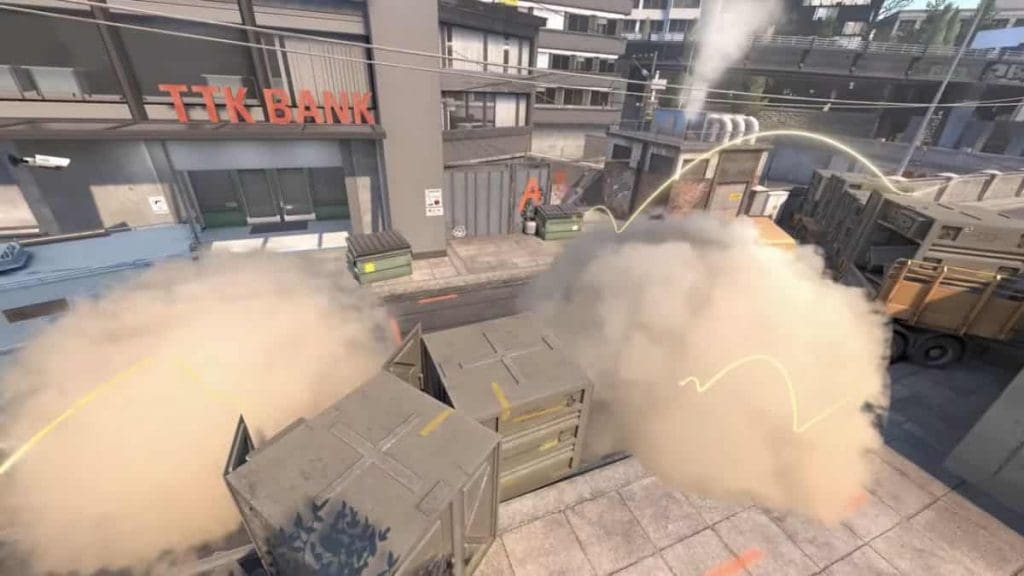
Utility in CS2 has a direct impact on map control and economy. Pro teams are resorting to shifting their buy orders, usually trading weapon upgrades for more utility. Having a half-buy but with full utility has been more expensive than having a full-buy but little grenade, particularly during rounds centered around map control or delay plays.
Establishing important choke points, such as Banana on Inferno or Mid on Dust2, with clever utility can significantly improve a team’s chances of winning the round. Securing them early enables more flexible rotations, information collection, and economic dominance.
For example, on Mirage, a team might sink loads of money into mid-control smokes and flashes and end up being mid-dominant without ever having to shoot. On Dust2, coordinated mid-to-B smokes and flashes tend to beat pure aim fights.
Map-Specific Utility Trends in CS2
Below is a table summarizing how utility-based play has evolved on each competitive map in CS2:
| Map | Utility Usage Highlights |
|---|---|
| Inferno | Window smoke, top connector, and jungle smoke are used in layered setups. Utility combos like Apps Flash + Stairs Molly break A-site anchors. |
| Mirage | Smokes for CT, Jungle, and Stairs remain foundational. Mid-B splits can be executed with close corner flashes and deep door Molotovs, and connector smoke. Mid-control involves multi-nade stacks and aggressive flashes. |
| Dust2 | Long and bathrooms see heavy HE and Molotov exchanges early. Monster and short B pushes are structured around smokes and mollies. Fake utility often draws rotations from the B defenders, opening A. |
| Nuke | Mid-smokes and canal control dominate early-round decisions. Smokes for Heaven, CT, and Bridge are standard in A hits. Flashes through doors or over walls are key to entries. |
| Overpass | Mid-control is crucial for this map. Flashes for mid-peek and post-plant Molotovs define site control. Defensive utility stalls T’s progression effectively. |
| Anubis | Mid smokes and canal control dominate early round decisions. Smokes for Heaven, CT, and bridge are standard in A hits. Flashes through doors or over walls are key to entries. |
| Ancient | A-ramp is a utility warzone – smokes for the gap, molly for sandbags, and HE for boost are crucial. Flashes for mid-peek and post-plant Molotovs define site control. Defensive utility stalls T’s progression effectively. |
| Vertigo | A-ramp is a utility warzone – smokes for the gap, molly for sandbags, and HE for boost are crucial. Flashes for mid-peek and post-plant Molotovs define site control. Defensive utility stalls T progression effectively. |
Historical Significance of Raw Aim
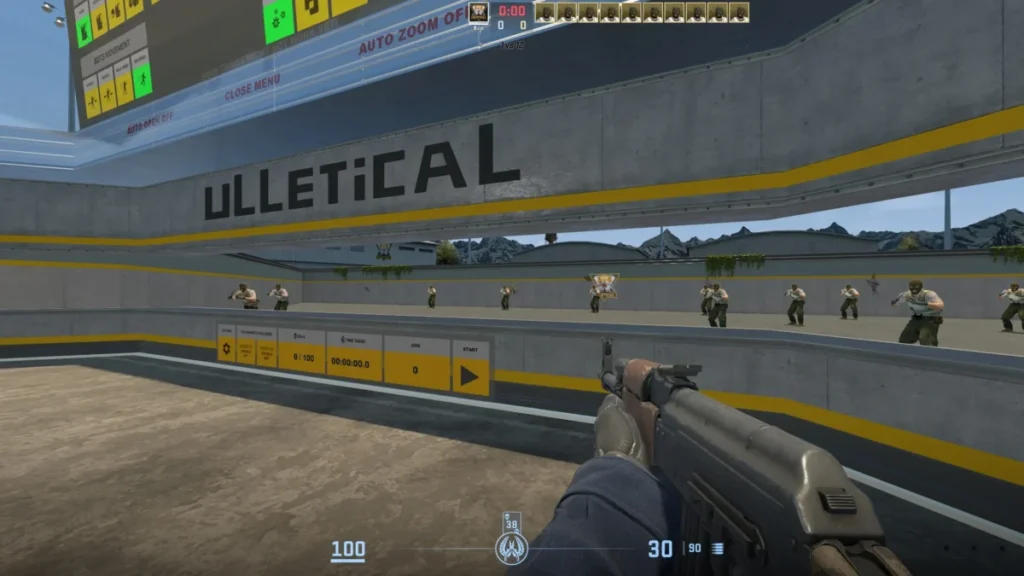
In Counter-Strike, natural aim has been the foundation of player skill for years. CS:GO legends such as NiKo and s1mple became legends on divine crosshair placement and instant flicks. Aim-intensive practice regimens with software such as Aim Lab, KovaaK’s FPS Aim Trainer, or even fan-made CS:GO aim maps were standard. Players spent hours a day honing their reaction time, micro-movements, and headshot rates.
This focus on the aim established a culture in which aim duels were considered the ultimate test of skill. A superior aimer could load rounds single-handedly, and top rank climbs were accomplished by superior gunplay.
Numerous pro players have opined on the changing dynamics of CS2. A few have indicated that although aim is still crucial, the accuracy needed to excel in CS:GO does not transfer exactly because of CS2’s different feel and speed. A few have been forced to completely rework their practice regimens to adapt their sensitivity, DPI settings, or even mouse hardware to the changed input response.
Additionally, analysts and coaches in the esports community have observed that teams that are proficient at CS2 tend to have a strong focus on structured play, comms, and utility ahead of individual showmanship. Coordination and intelligent play are the focus more and more.
Let’s be clear, raw aim hasn’t lost relevance in CS2. Across all ranks, having good aim is a powerful force. It still wins duels, reprimands bad peeking, and allows for aggressive play. But the time when raw aim alone could reliably take games is declining rapidly.
New players joining the game may get frustrated if they pay attention only to mechanics without knowing the intricacies of positioning and timing. Veterans, who change their playstyle to utilize their wider skillset, map control, economy management, and clutch decision-making, get more rewards out of it.
The best players of today are those who incorporate aim with all other aspects of the game. Their muscle memory is complemented by mental computation regarding where enemies might be, what utility has been deployed, and what plays are likely to happen. It’s a more holistic competition.
The Rise of Utility Mastery
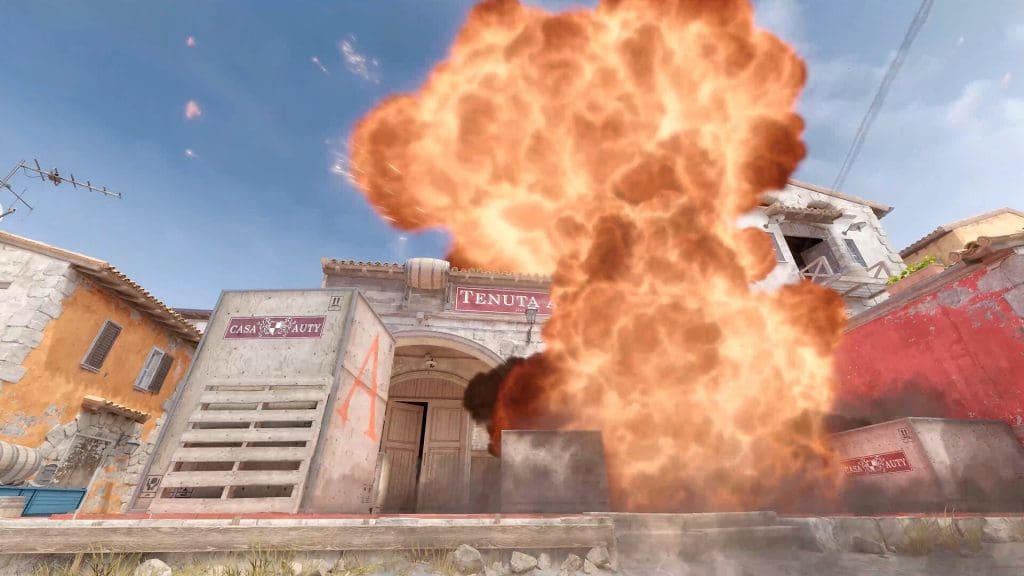
As players ascend the competitive ranks in CS2, it also becomes more and more clear that pure aim is not enough. A lot of high-level players all point towards the value of game sense, crosshair placement, movement mechanics, and smart utility usage. In short, the smarter player tends to beat the faster player.
Reddit threads and coaching tutorials often bring out the fact that good counter-strafing, pre-aim angles, and enemy behavior reading are now more important. A mechanically average player with great map awareness and positioning will outplay a mechanical monster with bad timing or situational awareness consistently.
Particularly, the use of utility has been a pillar of the CS2 meta. The new dynamic smokes, which respond to grenades and gunfights, have introduced added complexity to every round. Knowing how to apply these smokes optimally, how to cut vision, hold up pushes, or produce fake rotations, provides players with a strategic advantage that pure aim cannot match.
Plays based on utility have more and more dictated results in professional games. Such as, Na’Vi performed textbook Mirage mid-control several times with timed smokes and flashes. These utilities created angles to be isolated and nullified FaZe’s A-site anchors, enabling Na’Vi to enter and claim the site without forcing direct aim duels. Their utility play forced FaZe players to take usual, exposed positions.
On Inferno, Vitality consistently showed that utility could take over early-round control. Through the use of layered HE grenades and Molotovs at Banana, they were able to drive defenders out and take vital map space. These strategies, applied round after round, broke up CT setups and constrained opponents’ strategic play, gaining control not through eliminations, but with raw utility pressure.
G2 Esports demonstrated a high-IQ fake on Mirage that emphasized the strength of deception through utility. They set up what seemed to be a complete B-site operation, launching smokes and Molotovs to lure in a rotation. When the defending team rebalanced resources, G2 took mid control and flowed into a brief push on the A site. The whole play was sold not in frags, but in smart utility plays, surprising the defenders.
The Future of Aim Training in CS2
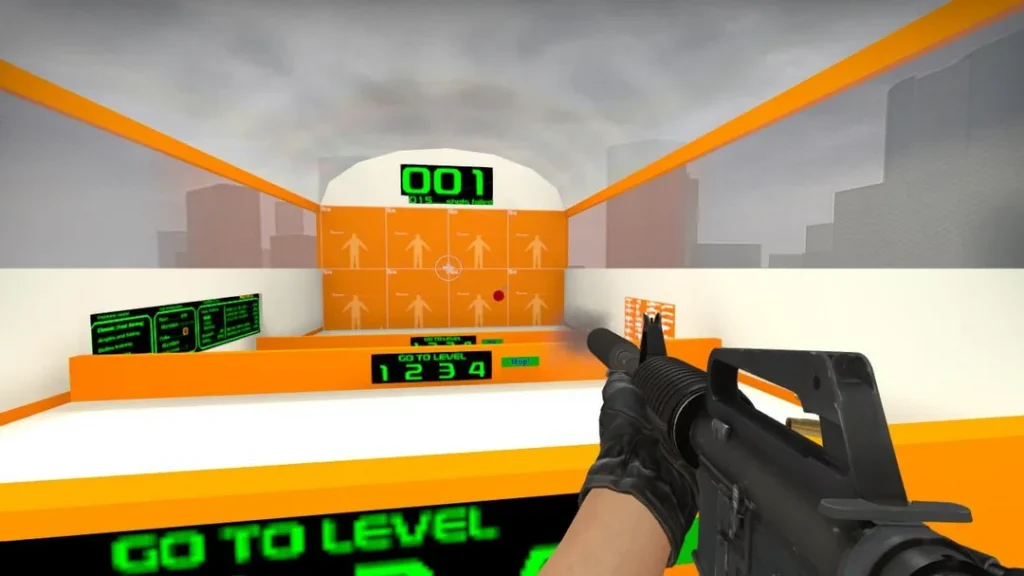
With the meta change, the aim trainers’ role is changing too. More are employing hybrid warm-ups that combine raw aim with decision-making situationals. For instance, employing aim trainers in conjunction with CS2-exclusive maps which replicate actual match circumstances: peeking around corners, defending bombsites, or clearing angles in stressful situations.
This new method trains not only hand-eye coordination but spatial awareness and timing as well, abilities that are becoming more valuable in CS2’s strategic landscape.
Players are also focusing on refining crosshair placement and recoil control rather than only raw flicks. In a game where first-shot accuracy can mean everything, these “micro-skills” are more impactful than ever.
Verdict
In short, raw aim no longer plays the lead role in Counter-Strike 2; it’s just not the only factor contributing to success anymore. Valve’s patches have steered the game into a more mature, strategy-oriented field. Mechanical proficiency remains a requirement for top-level play, but it needs to be combined with smart decision-making, effective communication, and extensive game knowledge.
The CS2 environment punishes inflexibility. Players who can move beyond the aim-only philosophy and adopt the full arsenal of a competitive gamer will climb the ranks. For veterans and new players, this is a test and an invitation to redefine what it means to perfectly master Counter-Strike.