

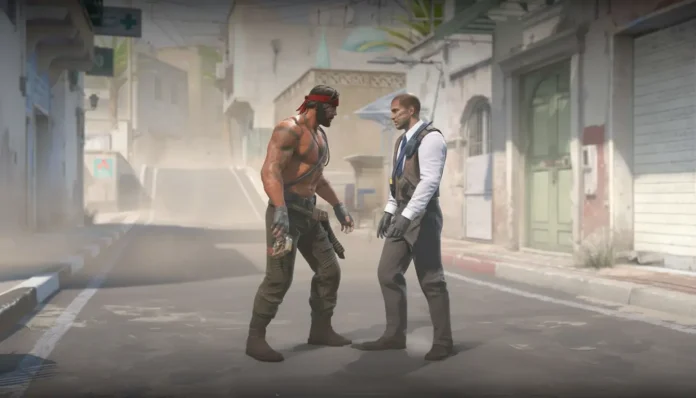
Counter-Strike 2 has revolutionised the competitive landscape with the introduction of Premier Mode, which offers players a parallel ranking system alongside the previously popular Competitive mode. While this may appear to be a comprehensive overhaul, the underlying alterations are creating a paradigm shift among professional players, creators, and the broader community. The developers themselves have promoted the Premier Mode in ways that have totally undermined the relevance that the Competitive Mode held back in the days of CS:GO. While the internal competitive modes still fall second to the likes of FACEIT and ESEA, in this article, we will explore what Valve tried to achieve with Premier Mode.
Understanding CS2’s Dual Ranking System
The classic Competitive Mode preserves the iconic ranking system that Counter-Strike players have used for years, where ranks separated players while keeping ELO hidden, which was anything but transparent. The new Premier mode introduces a rating-based approach where players can see the numbers that are putting them in a rank bracket, therefore adapting to a professional, structured approach. Despite this massive change, players who are serious about the game are still inclined towards FACEIT to add credibility to their ranks instead of the ones offered in the game.
Premier Mode’s Revolutionary Approach
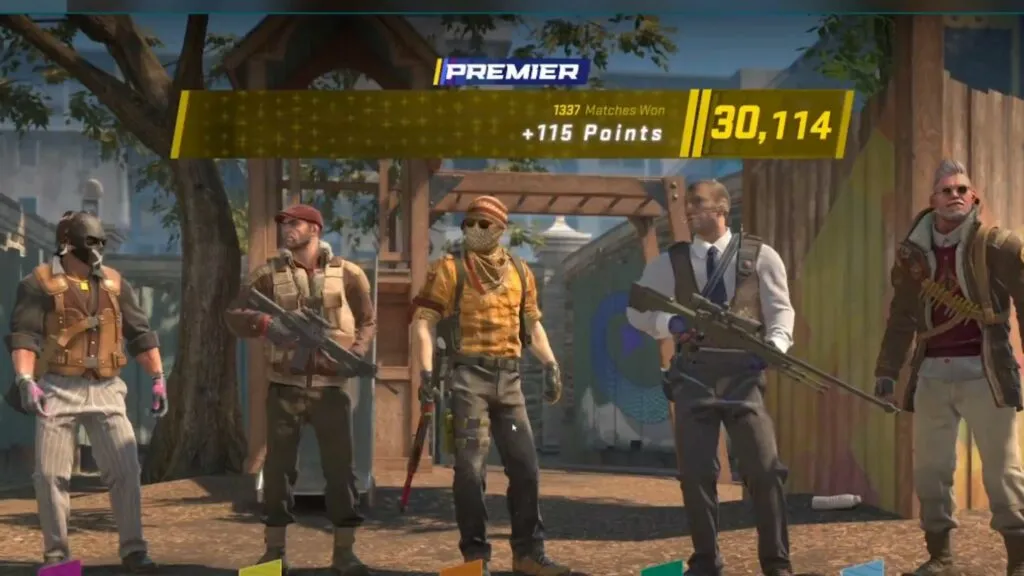
The Premier Mode can be dubbed as Valve’s most ambitious attempt at creating a professional-style ranking/competitive environment. While the Competitive Mode was the only ranking system available before CS2, this new system was designed to bring players from FACEIT and other third-party platforms back to the game, as the new subtick system served the ranking system offered by them. This system utilises a numerical rating system similar to a professional league, where you earn or lose points based on the outcome of the match, opponent Rating, and match history.
Competitive mode did not always give a clear idea about how much ELO you are winning or losing after a win or a loss. Poor servers, a non-transparent ranking system, and a plethora of cheaters had ruined it back in the days of CS:GO. CS2 has eliminated the slow server issue with the new subtic system. The Anti-Cheat is still up for debate, but the transparency issue has been eliminated with the Premier Mode.
Professional Player Adaptation Strategies
Professional Counter-Strike players have approached CS2’s new ranking structure with a varying degree of enthusiasm, but it has failed to pull in the FACEIT crowd. Players of the more serious nature are sticking to FACEIT as usual, but the new mode has been a welcome change for the players who were unsatisfied with a half-baked competitive mode in CS: GO.
With the more relevant skill assessment methods used in Premier Mode, the rating holds more importance in the competitive landscape when compared with the ranks from Competitive Mode held back in the days of CS:GO. Competitive Mode had a cap in the name of Rank Cealing, Global Elite was the highest a player could go, and with Premier, there is no limit to how far players’ ranks can rise, thus giving ranks in the upper leagues more credibility than before.
Strategic Mindset Evolution
While the ranking system may not be an accurate representation of a player’s true skill, it serves as a better identifier for players compared to older ranking systems. Players who are in a certain skill group are more likely to have a well-matched skillset compared to a more spread-out range of skillsets in the previous ranking system. This has influenced how professional players approach individual matches and long-term skill development. The more consistent reward system helps players more precisely understand their progress, which keeps morale high and helps them analyse their performance against the likes of higher-ranked players.
Psychological Impact on Competitive Players
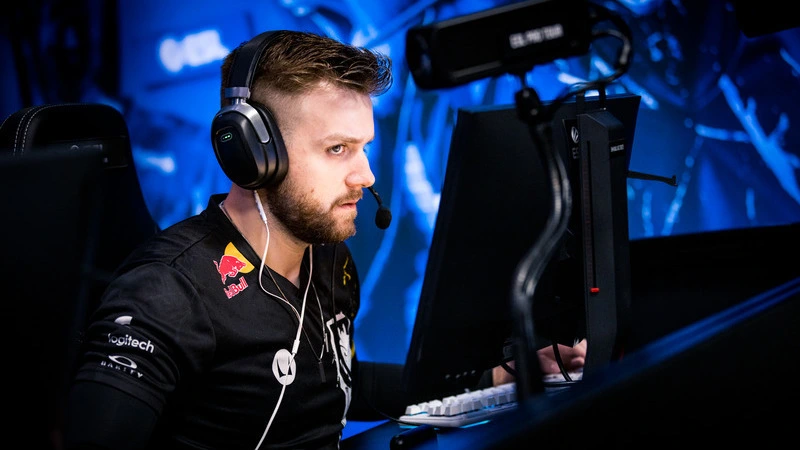
While the players of a more serious nature avoided Competitive Mode like a plague back in the days of CS2. The Premier mode looks more like a welcome change next to that. While it is not the mode itself that is driving this change in mindset, an underlying change is making the Premier Mode popular. When CS2 introduced the subtick system, platforms like FACEIT lost the edge in terms of smoother servers. The gameplay on Valve and 3rd party servers has no technical difference, as all of them work on the new subtick system. Pro players avoided 64-tick given they would not like to train their muscle memory on a slower system, but now that it is not relevant anymore, nothing is stopping them from hopping on Premier servers for a chill game with their friends during off-hours.
Performance Pressure Dynamics
Premier Mode comes with a more transparent rating system, which brings competitive pressure compared to the previous ranking model. While this may be seen as a downside, the upside is readily apparent, where players can track their progress very precisely compared to having to guess their ELO with every passing match. Given that they can see the rating changes after each match, the immediate feedback is motivating them to hop onto the next game, either to push their elo higher or recover the lost one, but in any case, the Game Mode is getting a lot of traffic.
Anti-Cheat and Fair Play Measures
The more precise rating system has worked wonders in terms of matching players in their own bracket, whereas the old system spread players out across ranks, often leading to massive ranking mismatches. The new system, despite its shortcomings at times, is capable of delivering well-matched ranks more often than not.
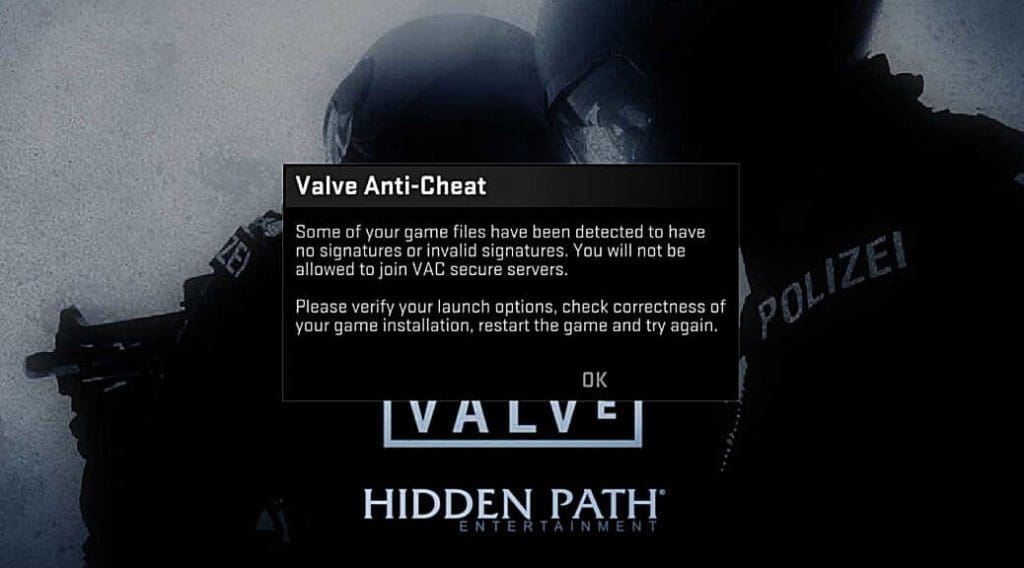
The new and improved anti-cheat has reduced the number of cheaters significantly. Cheaters have been a persistent problem of the game since its release, and while they persist, unlike CS:GO, we do not face a waller every other game anymore. Most of the matches are clean, and Valve seems to be delivering on their promise of cleaning the servers.
Map Selection Process
At a nascent stage, the new map selection process, which followed a traditional veto, generated mixed feelings in the community; however, it would be sufficient to say that it has aged well. The veto process after getting a match makes sure that we get faster matches, given there not pre-map selection like CS:GO. The new process would allow players to easily VETO out 2 maps that they don’t like while deciding on a map, making the matchmaking process more efficient than ever.
Verdict
The Premier mode may have thrown a spanner into the works at the time of CS2 release, but as days have passed, it has found its place in the hierarchy of game modes. While it has not killed platforms like FACEIT and ESEA, which act more like a social media for professionals while providing the best servers, we can find more players often playing Premier than before. The Competitive Mode crowd from CS:GO has been completely integrated into the Premier Mode, but as it stands, Valve will need a lot more value in this mode for it to be everything that everyone plays all the time.